Colchicine (Colchicum autumnale) – Patient Information (UK)
Colchicine is a medicine traditionally derived from Colchicum autumnale and is used to treat and prevent certain types of painful inflammatory conditions, most notably gout. It works by reducing inflammatory activity that contributes to sudden pain and swelling. This page explains how colchicine works, how it is used, key safety points, and what to consider with food, alcohol, and other medicines—tailored for the United Kingdom.
Basic product information
| Feature | Information |
|---|---|
| Generic name | Colchicine |
| Source plant (traditional origin) | Colchicum autumnale (autumn crocus) |
| What it’s used for | Inflammation related to gout (flares) and for certain prevention strategies; used in selected conditions under specialist guidance |
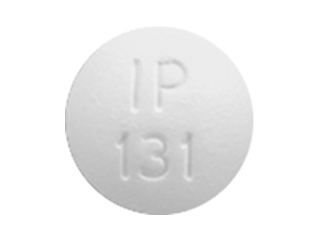
| Common formulations | Tablets and other oral forms (strengths vary by brand) |
| How it’s taken | By mouth, usually short courses for flares and longer courses in prevention for some patients (exact regimen depends on your plan) |
Important: Colchicine has a narrow safety margin. The dose matters. Always follow the dose instructions provided with your medicine and your clinician’s advice.
How colchicine works (mechanism of action)
Colchicine targets a specific cellular process involved in inflammation. It interferes with the movement and function of inflammatory cells—particularly neutrophils—by binding to tubulin (a protein involved in cell structure and “microtubules”). This helps reduce:
- Neutrophil migration to inflamed tissue
- Inflammatory mediator release that drives pain and swelling
- The intensity and duration of the inflammatory response
In gout, symptoms often flare because immune cells react to urate crystals. Colchicine reduces this immune-driven inflammatory response, which is why it can be most effective when started early in an attack.
Pharmacokinetics (how the body handles colchicine)
Understanding how colchicine is absorbed and cleared helps explain why interactions are important and why dose adjustments may be required.
- Absorption: Colchicine is absorbed after oral administration, but absorption may vary between individuals.
- Distribution: It distributes into tissues where it can exert anti-inflammatory effects.
- Metabolism: Colchicine is metabolised in the body, with involvement of pathways that can be affected by drug interactions.
- Elimination: It is cleared from the body via metabolism and excretion. Reduced kidney or liver function may increase colchicine levels.
- Transporters: Colchicine is transported by proteins that can be inhibited or stimulated by other medicines, altering colchicine exposure.
Because levels can rise with certain interacting drugs, some combinations can be dangerous. Always check interactions before starting or stopping any medication.
Typical uses in the UK
Colchicine is most commonly used in the UK for gout-related inflammation. It can be used:
- To treat acute gout flares (to reduce inflammation and symptoms)
- For flare prevention when starting urate-lowering therapy for some patients
- In certain other inflammatory conditions where it may be recommended by specialist teams
The exact use and regimen depend on your medical history, current kidney/liver function, and the medicines you take. Your clinician may also consider urate-lowering therapies (for example, allopurinol or febuxostat) and lifestyle measures.
When to take colchicine (timing and effectiveness)
Colchicine is generally most effective when started early during an acute flare of gout. If you’re treating an attack, aim to take it as soon as your healthcare professional advises after symptoms begin.
- Acute gout flare: Early initiation often improves symptom control.
- Prevention (where prescribed): Taken on a regular schedule to reduce the likelihood of flares during higher-risk periods (for example, around changes in urate-lowering treatment).
- Follow the plan: Dosing schedules can differ. Do not exceed recommended doses.
If you miss a dose, take it when you remember unless it is close to the next dose. If you’re unsure, seek advice from a healthcare professional or pharmacist.
Food interactions
Colchicine can usually be taken with or without food. However, food can affect how comfortable it feels in the stomach for some people. If you experience nausea, taking it with food may help (unless your prescriber advised otherwise).
General advice:
- Take it consistently in relation to meals if you have a tendency to feel unwell.
- Avoid grapefruit and grapefruit juice unless your pharmacist confirms it’s safe for your specific medicine and dose, as some products can affect colchicine levels through interaction with drug-handling pathways.
Alcohol and colchicine interactions
There is no single “safe” amount of alcohol that applies to everyone taking colchicine, but alcohol can be a problem in several ways:
- Gout risk: Alcohol (especially beer and spirits) can trigger or worsen gout in some individuals.
- Stomach effects: Colchicine can cause gastrointestinal symptoms (such as diarrhoea, nausea, abdominal pain). Alcohol may worsen irritation.
- Liver and kidney strain: Heavy alcohol intake can impair organ function that helps clear medicines.
Practical recommendation: If you drink alcohol, do so cautiously and try to keep intake low—particularly during a flare. If you notice worsening symptoms after drinking, avoid alcohol until you’ve recovered.
Medicines that may interact with colchicine
Colchicine interacts with medicines that influence drug transport and metabolism (and may raise colchicine concentrations). In the UK, pharmacists commonly check interaction risk for the following types of medicines.
Common interaction categories
- Strong inhibitors of certain transport/metabolism pathways (can significantly increase colchicine levels)
- Some antibiotics and antifungals
- HIV treatment regimens (antiretrovirals)
- Some heart medicines, including certain calcium-channel blockers
- Statins (risk of muscle-related side effects may increase in some combinations)
- Other gout or anti-inflammatory medicines (depending on your overall regimen)
Why this matters
When colchicine levels become too high, it can lead to serious side effects. This is why you should:
- Tell your pharmacist and clinician about all medicines you take (including over-the-counter products and herbal remedies).
- Check before starting any new medicine.
- Use the exact prescribed dose and avoid doubling up.
If you have a list of current medicines, keep it updated and bring it to healthcare appointments.
Indications (what colchicine is used for)
In the UK, colchicine is used for:
- Acute gout flares to relieve inflammation and pain.
- Prevention of gout flares during periods when flare risk is increased, such as initiation of urate-lowering therapy, when appropriate.
- Selected inflammatory conditions as determined by healthcare professionals (use may vary by specialist and local guidance).
Colchicine does not lower urate levels by itself. If you have gout, longer-term management often includes urate-lowering strategies alongside lifestyle changes.
Dosing information (general guidance)
Dosing depends on the reason for use, your kidney and liver function, and interaction risk with other medicines. Because colchicine can be harmful at higher levels, it’s essential to follow your exact regimen.
Acute gout flare dosing (typical pattern)
Many regimens for acute flares involve short, time-limited dosing begun early in the attack. Your clinician may choose a schedule designed for symptom relief while minimising side effects. Do not change the dose or frequency without advice.
Prevention dosing (where prescribed)
In preventive use, dosing may be lower but taken for a defined period (or sometimes longer), particularly around urate-lowering treatment initiation. Kidney impairment may require dose adjustment or more frequent review.
Kidney and liver impairment
Colchicine exposure increases when kidney or liver function is reduced. Your prescriber may:
- Use a lower dose
- Extend the dosing interval
- Avoid the medicine entirely if risk is high
- Increase monitoring, especially if you’re on interacting medicines
If you believe you have taken too much (for example, more than the recommended dose), seek urgent medical advice immediately. Colchicine overdose can be life-threatening.
Safety profile: side effects and warning signs
Common side effects
- Diarrhoea
- Nausea or vomiting
- Abdominal pain or cramping
Other possible effects
- Fatigue or weakness
- Decreased appetite
- Muscle pain or weakness in some situations—especially when combined with certain interacting medicines
Serious symptoms—get urgent help
Contact emergency services or urgent medical care if you develop:
- Severe or persistent diarrhoea/vomiting
- Unusual bruising or bleeding
- Severe weakness, muscle breakdown symptoms (for example, severe muscle pain with dark urine)
- Signs of severe dehydration (dizziness, fainting, very reduced urination)
- Any concerning symptoms after a dose change or after starting an interacting medicine
Because colchicine has potentially severe toxicity when blood levels rise, do not wait if symptoms are severe.
Practical use tips (how to get the best results)
- Start early during flares: If you’re using colchicine for an acute gout attack, early initiation improves effectiveness.
- Take the correct dose: Follow the exact instructions on your label. Colchicine dosing differs by situation.
- Keep a flare diary: Note triggers (diet, alcohol, dehydration, missed meds) to help reduce future attacks.
- Hydration: Staying hydrated may help overall gout management.
- Report side effects early: Gastrointestinal symptoms are common; if they are severe, contact your pharmacist or clinician promptly.
- Check interactions every time: If you start an antibiotic, antifungal, heart medicine, HIV therapy, or a cholesterol medicine (such as a statin), re-check safety.
- Don’t mix with “natural” products blindly: Herbal supplements can also interact with medicines that affect drug handling.
Alternative options for gout management
Alternative treatments depend on whether you need relief from an acute flare, prevention, or longer-term urate lowering. Options may include:
For acute gout flares
- Non-steroidal anti-inflammatory drugs (NSAIDs) (where suitable)
- Oral or injected corticosteroids (where appropriate)
- Interleukin-1 (IL-1) inhibitors in selected situations under specialist care
For long-term prevention
- Urate-lowering therapy (e.g., allopurinol or febuxostat), plus lifestyle measures
- Flares prevention strategies during initiation or dose changes (often includes colchicine for some patients)
Your healthcare professional will choose options based on kidney function, other medical conditions, and medication interactions.
UK market and legal/regulatory context
In the United Kingdom, medicines containing colchicine are subject to Medicines and Healthcare products Regulatory Agency (MHRA) requirements, including safety monitoring and product information. UK prescribing and supply practices follow established national and local guidance, supported by professional bodies and prescribing systems used in clinical practice.
Guidance for gout management is commonly informed by international and national consensus recommendations, with updates from professional and public health organisations over time. Recommendations may change as evidence evolves, especially for dosing strategies aimed at improving effectiveness while reducing toxicity risk.
In general, patients should be aware that colchicine safety depends heavily on:
- Correct dosing
- Kidney/liver function assessment
- Avoidance of interacting medicines
- Recognising and acting quickly on early side effects
Recent guidance and dosing-safety considerations
Over recent years, UK clinical practice has placed strong emphasis on using colchicine in a way that limits toxicity risk. This includes:
- Starting early in acute flares rather than increasing doses excessively.
- Using the lowest effective regimen for the intended purpose.
- Dose adjustment in renal impairment and careful review of liver disease status.
- A heightened focus on drug–drug interactions, particularly with medicines known to raise colchicine concentrations.
- Clear patient education about gastrointestinal symptoms and when to seek help.
If you have questions about why a specific dose was chosen for you, ask your pharmacist. They can explain how your other medicines and health conditions may affect colchicine safety.
Delivery and availability (UK)
Colchicine products are available through UK pharmacies, with availability depending on the specific brand and tablet strength. When ordering online, delivery times can vary based on stock status and your location.
- Availability: Some strengths or formulations may be limited at times.
- Dispatch times: Your order is usually processed promptly once payment and verification checks are completed.
- Tracking: Many deliveries include tracking information.
- Packaging: Medicines are typically supplied in tamper-evident packaging suitable for storage at home.
Store colchicine according to the instructions on the packaging. Keep it out of sight and reach of children.
FAQ
1) What is colchicine used for?
Colchicine is used mainly to treat and help prevent inflammation in gout. It reduces inflammatory activity related to urate crystal reactions. It does not lower urate levels long term.
2) How quickly does colchicine work?
Many people notice improvement within the first day when colchicine is started early during a flare. Symptom relief may vary depending on timing and individual factors.
3) Can I take colchicine if I have kidney problems?
You may still be able to take it, but dosing often needs adjustment and close review. If you have reduced kidney function, discuss this with your pharmacist or clinician before taking colchicine.
4) What should I do if I miss a dose?
Follow the guidance given by your label or healthcare professional. If you’re unsure, ask your pharmacist. Do not take extra doses to make up for a missed one.
5) Are there foods I should avoid?
Colchicine is usually taken with or without food. Some people prefer taking it with food to reduce stomach upset. Grapefruit and grapefruit juice may interact with some medicines; ask your pharmacist if you’re unsure.
6) Can I drink alcohol while taking colchicine?
It’s generally best to keep alcohol low, especially in gout. Alcohol can worsen gout and may increase stomach side effects. If you drink, do so cautiously and stop if you notice worsening symptoms.
7) What medicines should not be taken with colchicine?
Colchicine can interact with certain antibiotics, antifungals, HIV medicines, some heart medications, and some cholesterol medicines (among others). Always check with a pharmacist if you start any new medication, including over-the-counter products.
8) What are the warning signs of a problem?
Early gastrointestinal symptoms can happen, but seek urgent help for severe diarrhoea/vomiting, signs of severe dehydration, unusual bruising/bleeding, severe weakness, or any serious symptoms—particularly if you took more than recommended or started an interacting medicine.
9) Is colchicine safe for everyone?
Colchicine is not suitable for everyone. Safety depends on dose, kidney/liver function, and interaction risk. Pregnant or breastfeeding individuals should discuss colchicine with a clinician for individualised advice.
10) What if colchicine doesn’t help my gout?
If symptoms don’t improve, it may be due to timing, dose, or an alternative diagnosis. Contact your pharmacist or clinician. They may adjust your plan and consider other treatment options for acute flare relief and longer-term prevention.
Key takeaways
- Colchicine helps reduce inflammation, particularly in gout flares.
- It is most effective when started early in an attack (when used for acute gout).
- Colchicine has a narrow safety margin; dose and interactions matter.
- Discuss kidney/liver function and all medicines you take to avoid dangerous interactions.
- If you develop severe side effects (especially severe diarrhoea/vomiting), seek urgent medical help.