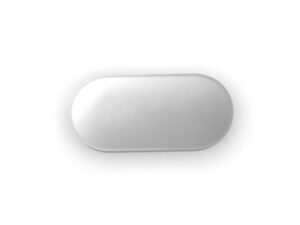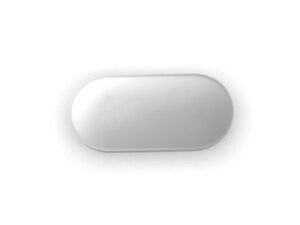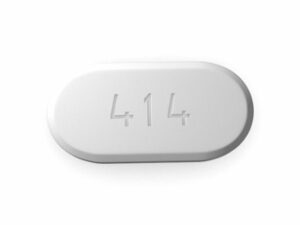
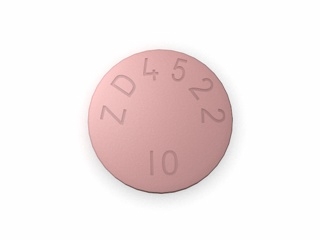
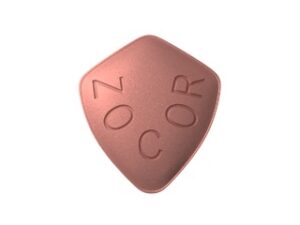
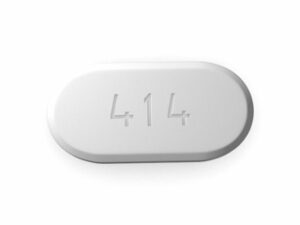
Crestor (Rosuvastatin) — Patient Guide (UK)
Crestor is a medicine containing rosuvastatin, used to lower cholesterol and reduce the risk of cardiovascular problems such as heart attack and stroke. This guide explains how it works, how to take it safely, common side effects, important interactions, and practical tips for getting the best results.
1. Basic product information
- Brand name: Crestor
- Generic name: Rosuvastatin
- Medicine type: Statin (a cholesterol-lowering medicine)
- Common strengths (UK): 5 mg, 10 mg, 20 mg, 40 mg tablets (strength depends on the individual)
- How it is taken: By mouth, usually once daily
Crestor tablets are intended to be used alongside lifestyle measures such as diet, exercise, and stopping smoking where relevant. Even when cholesterol levels improve, the underlying risk factors may remain, so treatment is typically long-term.
2. What Crestor is used for (indications)
Crestor is prescribed for adults and some adolescents/children in certain circumstances to:
- Lower “bad” cholesterol: particularly LDL-cholesterol (“low-density lipoprotein”)
- Lower triglycerides (a type of blood fat)
- Help raise or maintain “good” cholesterol: HDL-cholesterol (high-density lipoprotein)
- Reduce cardiovascular risk: in people at increased risk of heart attack, stroke, or other cardiovascular events
It may be used for conditions such as:
- Primary hypercholesterolaemia (including familial forms in some cases)
- Mixed dyslipidaemia
- Familial hypercholesterolaemia (depending on age group and clinical situation)
- Prevention of cardiovascular events in appropriate risk groups
3. How Crestor works (mechanism of action)
Rosuvastatin belongs to the statin class. It works by reducing cholesterol production in the liver. Specifically, it:
- Inhibits HMG-CoA reductase — an enzyme that plays a key role in making cholesterol
- Increases LDL receptor activity on liver cells, helping remove LDL-cholesterol from the bloodstream
- Helps improve lipid profiles including LDL and, to a degree, triglycerides
Over time, lowering LDL-cholesterol is linked to fewer cardiovascular events, particularly in people with elevated risk.
4. Pharmacokinetics (how the body handles the medicine)
Understanding pharmacokinetics can help you know when to take your dose and what to expect. Key points include:
- Absorption: Rosuvastatin is absorbed after oral dosing. Peak blood levels occur within a few hours.
- Bioavailability: It is not fully absorbed; the body absorbs only part of the dose.
- Distribution: It is distributed through the body, with significant activity related to the liver.
- Metabolism: Rosuvastatin is metabolised mainly by liver enzymes; it involves pathways including CYP enzymes (notably CYP2C9 and others to a lesser extent).
- Elimination: The medicine and its metabolites are cleared through both liver/bile routes and the kidneys.
- Half-life: It has an elimination half-life that supports once-daily dosing for most people.
People with certain medical conditions (for example, kidney or liver impairment) may need dose adjustments and closer monitoring.
5. Typical use and timing
Crestor is usually taken once a day. Many people take it in the evening or at any consistent time of day—what matters most is taking it regularly.
- When to take it: Follow the specific instructions given by your healthcare professional.
- Consistency: Try to take it at the same time each day to maintain steady effect.
- With or without food: Rosuvastatin can usually be taken with or without food.
When it starts working: Cholesterol reductions typically begin within the first couple of weeks, with greater effects often seen by about 4–6 weeks. Your cholesterol may be rechecked after starting or changing dose.
6. Food interactions
Rosuvastatin does not have the same strong food interaction profile as some other statins. In many cases, it can be taken with meals. However, some dietary approaches can be relevant:
- Grapefruit juice: Unlike certain other statins, rosuvastatin generally has less grapefruit interaction. Still, avoid excessive grapefruit intake if you are unsure.
- High-fibre / cholesterol-lowering diets: These can complement statin therapy.
- Weight management and exercise: Often improve overall lipid profiles.
If you are taking other cholesterol medicines (such as bile acid sequestrants), timing may be important (see “Practical use tips” and “Interactions”).
7. Alcohol and medicine interactions
Alcohol
Alcohol can affect the liver. While moderate alcohol intake may be acceptable for many people, heavy or frequent drinking can increase the risk of liver problems. If you have liver disease or persistent abnormal liver tests, discuss alcohol limits with your healthcare professional.
- Avoid heavy alcohol consumption while taking statins.
- Seek medical advice urgently if you develop symptoms such as unusual tiredness, dark urine, yellowing of the eyes/skin, or severe abdominal pain.
Medicine interactions
Interactions can increase the chance of side effects, particularly muscle-related problems, or affect cholesterol-lowering effectiveness. Always provide an up-to-date list of medicines and supplements to your healthcare professional and pharmacist.
Common interaction categories to be aware of:
- Other lipid-lowering medicines: combining with other agents may require dose adjustments and monitoring.
- Antacids containing aluminium and magnesium: may temporarily reduce absorption—spacing may be recommended.
- Fibrates (e.g., gemfibrozil, fenofibrate): can increase risk of muscle symptoms in some situations.
- Cyclosporine: can significantly increase rosuvastatin exposure; extra monitoring may be needed.
- Some antiviral/anti-HIV medicines: may increase rosuvastatin exposure.
- Warfarin and other anticoagulants: statins can change clotting test results (INR) for some people.
- Digoxin: in some cases, levels or effects may be affected.
Important: This is not a complete list. Herbal supplements, over-the-counter products, and “natural” medicines can also interact.
8. Dosing information (general guidance)
Dosing must be tailored to your situation, including cholesterol level, cardiovascular risk, age, kidney function, and potential interaction medicines. The following is general information about how dosing is commonly approached in practice.
| Aspect | What’s typical/what to know |
|---|---|
| Starting dose | Often begins at a dose appropriate to baseline LDL-cholesterol and risk profile. Higher-risk patients may start higher depending on clinical judgment. |
| Adjusting dose | Dose may be increased after follow-up blood tests if cholesterol goals are not met or if risk remains high. |
| Maximum dose | Some patients may be limited from the highest dose due to risk factors, interactions, kidney impairment, or other safety considerations. |
| Missed dose | If you miss a dose, take it as soon as you remember that day. If it is close to the next dose, skip the missed dose. Do not take a double dose. |
| Stopping treatment | Do not stop suddenly without advice. Stopping a statin may allow cholesterol levels to rise again and increase cardiovascular risk. |
If you experience concerning symptoms (for example, new muscle pain or weakness), contact a healthcare professional promptly—dose adjustment or temporary interruption may be needed.
9. Safety profile: side effects and when to seek help
Most people tolerate rosuvastatin well. As with all medicines, side effects can occur. Many are mild and temporary, but some require urgent attention.
Common side effects (may occur)
- Headache
- Nausea or stomach discomfort
- Muscle aches (mild)
- Constipation or diarrhoea
Less common but important: muscle-related reactions
Statins can, rarely, cause serious muscle problems such as myopathy or rhabdomyolysis. Seek medical advice promptly if you develop:
- Unexplained muscle pain, tenderness, or weakness
- Severe muscle symptoms, especially if accompanied by fever or feeling unwell
- Dark or tea-coloured urine
Liver-related effects
Statins may cause changes in liver enzymes. Most are mild and reversible, but contact a healthcare professional if you notice:
- Yellowing of the eyes/skin (jaundice)
- Severe abdominal pain
- Unusual tiredness or persistent nausea
- Dark urine
Allergic reactions (rare)
- Swelling of the face, lips, tongue, or throat
- Difficulty breathing
- Severe skin rash or hives
Note: This is a general safety overview. Your healthcare professional can provide guidance specific to your health history.
10. Practical use tips (how to make treatment easier)
- Make it routine: Link your dose to a daily habit (e.g., after breakfast or at bedtime) so you don’t miss doses.
- Keep a medicines list: Include prescription medicines, over-the-counter products, and supplements.
- Know the signs: If muscle symptoms occur, stop strenuous exercise and contact a healthcare professional promptly.
- Stay consistent with blood tests: Follow up cholesterol and liver/kidney monitoring as advised.
- Do not “double up”: If you miss a dose, follow the missed-dose guidance rather than taking two tablets at once.
- Hydration matters: Dehydration can increase risk of kidney stress when muscle injury occurs—drink fluids normally unless you’ve been restricted.
If you are also taking medicines that can bind cholesterol in the gut (for example, some bile acid sequestrants), spacing may be needed. Ask your pharmacist about the best timing between medicines.
11. Alternative treatment options
If Crestor is not suitable (for example, due to side effects, interactions, or reaching treatment goals), there are alternatives. These may include:
- Another statin: different statins can be tried at different doses (for example, atorvastatin, simvastatin, pravastatin, or fluvastatin).
- Ezetimibe: reduces cholesterol absorption in the intestines; sometimes used with a statin.
- Other cholesterol-lowering therapies: depending on the clinical situation, such as PCSK9 inhibitors (in specialist settings) or other targeted treatments.
- Lifestyle measures: diet changes, exercise, weight management, limiting saturated fats, and increasing soluble fibre.
- Dietary supplements: some may support lipid levels, but interactions can occur—ask your pharmacist before using supplements regularly.
Your healthcare professional will consider your individual risk, lipid profile, and tolerance when selecting the best option.
12. UK market and legal context (what this means for patients)
In the United Kingdom, medicines like Crestor are regulated through the medicines framework overseen by UK health authorities. Statins are widely used and supported by clinical guidance for cardiovascular risk reduction.
Pharmacy supply practices and patient information leaflets help ensure safe use, with clear advice on interactions and side effects. For the most accurate information for your specific dose and health circumstances, always refer to the patient information included with your medicine and to advice from a qualified healthcare professional.
13. Recent guidance and clinical practice considerations (UK)
Over recent years, UK and international cholesterol management has emphasised:
- Using statins based on cardiovascular risk as well as cholesterol levels
- Regular monitoring after starting or changing treatment
- Managing side effects promptly while maintaining appropriate risk reduction
- Shared decision-making — discussing benefits, risks, and patient preferences
Current practice generally supports continued statin use when benefits outweigh risks, with dose adjustments or alternative therapies if problems occur.
14. Delivery and availability (online pharmacy information)
Crestor is commonly available through UK pharmacies and online pharmacy services, depending on stock and the requested strength. Availability can vary by strength and tablet size, and delivery times may differ depending on location and ordering cut-off times.
- Availability: Typically depends on the strength and pack size.
- Delivery: Most online pharmacies offer standard and expedited options.
- Packaging: Medicines are usually supplied in secure, tamper-evident packaging.
- Customer support: A pharmacy team can help confirm suitability and advise on how to take your medicine.
If you need help choosing the right strength, or you are unsure how to take Crestor with other medicines, contact a qualified healthcare professional or pharmacist.
15. FAQ
Is Crestor the same as rosuvastatin?
Yes. Crestor is the brand name; rosuvastatin is the generic name of the active substance.
How long does it take to work?
Many people see early cholesterol improvements within a few weeks. A fuller response is often assessed after around 4–6 weeks (or as advised).
Can I take Crestor at any time of day?
Usually, yes. Most people take it once daily at a consistent time that fits their routine. If you have been given specific instructions, follow those.
Should I take it with food?
Rosuvastatin can typically be taken with or without food. Choose what you find easiest, and keep it consistent.
What should I do if I forget a dose?
Take it when you remember that day. If it is close to your next scheduled dose, skip the missed dose. Do not take a double dose to make up for a forgotten tablet.
Are there any foods I should avoid?
Rosuvastatin generally has fewer food restrictions than some other statins. Avoid excessive grapefruit products if you are unsure, and focus on a heart-healthy diet overall. If you take bile acid sequestrants or other interacting medicines, ask about spacing.
Can I drink alcohol while taking Crestor?
Moderate alcohol may be acceptable for some people, but heavy or frequent drinking may increase liver-related risk. If you have liver disease or abnormal liver tests, discuss alcohol limits with your healthcare professional.
What medicines commonly interact with rosuvastatin?
Interaction potential depends on your dose and other conditions. Examples include certain lipid-lowering medicines (like fibrates), ciclosporin (cyclosporine), some antiviral medicines, and medicines that affect blood clotting (like warfarin). Always check with a pharmacist if you start or stop any medicine or supplement.
What if I get muscle aches?
Mild aches can occur, but unexplained muscle pain, tenderness, or weakness—especially if severe or associated with fever or dark urine—should be assessed promptly. Contact a healthcare professional and consider stopping strenuous activity until you get advice.
Do statins affect the liver?
Statins can raise liver enzymes in some people, usually without symptoms. Your clinician may check blood tests periodically and will advise what to do if results change.
Is Crestor suitable for everyone?
Suitability depends on your age, kidney and liver function, current medicines, and your individual risk profile. Your pharmacist or healthcare professional can confirm suitability and the right dose.
What are good lifestyle changes alongside Crestor?
Helpful measures include:
- Reducing saturated fats and choosing healthier fats
- Increasing soluble fibre (for example, oats, beans, lentils)
- Regular physical activity
- Maintaining a healthy weight
- Stopping smoking
Important: If you are concerned about side effects or possible interactions, speak to a pharmacist or healthcare professional. This guide is for general information and cannot replace personalised medical advice.