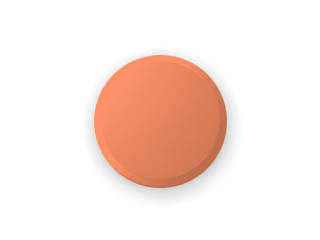
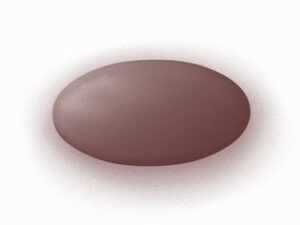
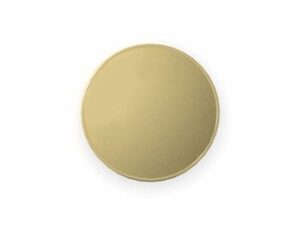
Cyproterone acetate & Ethinylestradiol
Cyproterone acetate and ethinylestradiol is a combined medicine used mainly in the UK to treat certain hormone-related conditions in women. It contains two hormones: cyproterone acetate (a progestogen with anti-androgen activity) and ethinylestradiol (an oestrogen). Together, they can help reduce the effects of androgens (“male-type” hormones) and regulate menstrual cycles.
This page explains how the medicine works, how it is usually used, what to expect, and important safety information. If you have questions about suitability for you personally, speak to a healthcare professional.
Basic product information
| Ingredient(s) | What they do | Common form |
|---|---|---|
| Cyproterone acetate | Anti-androgen and progestogenic effects; helps reduce androgen-driven symptoms | Tablets (strength depends on brand) |
| Ethinylestradiol | Synthetic oestrogen; supports hormone control and contraception-related effects | Tablets (strength depends on brand) |
Typical brand examples in the UK: Several combined products containing these ingredients are available; availability and tablet strengths vary between brands. Your pharmacist can confirm the exact strength you have.
What it’s used for (typical indications)
In the UK, cyproterone acetate/ethinylestradiol is commonly used when there is a combination of hormone-related symptoms such as:
- Moderate to severe acne (particularly if hormonal influences are suspected)
- Excessive hair growth (hirsutism), where symptoms are linked to increased androgen activity
- Androgen-dependent hair loss (androgenic alopecia)
It may also be considered where cycle regulation is needed, and it has contraceptive effects when used as intended. It is important to note that the medicine’s anti-androgen effect usually improves more slowly than cycle control.
How it works (mechanism of action)
The medicine combines two key actions:
-
Cyproterone acetate:
- Acts as an anti-androgen, helping block androgen receptors and reduce androgen activity in skin and hair follicles.
- Also has progestogenic effects, contributing to cycle regulation.
-
Ethinylestradiol:
- Provides oestrogenic activity, which supports cycle control.
- Helps suppress ovulation when used at appropriate dosing, providing contraceptive effects.
By lowering the influence of androgens, symptoms such as acne and excess hair growth can gradually improve. The most noticeable changes often occur after several months.
Pharmacokinetics (how the body handles the medicines)
Pharmacokinetics describes absorption, distribution, metabolism, and elimination—how the body processes the hormones. While exact values can vary by person, the key points include:
Absorption
- Oral absorption: Both components are absorbed from the gastrointestinal tract after swallowing tablets.
- Time to peak: Peak blood levels typically occur within a few hours after taking a dose.
Distribution
- Both hormones bind substantially to plasma proteins, influencing how long they remain active in the body.
Metabolism
- Hepatic metabolism: Cyproterone acetate and ethinylestradiol are metabolised mainly in the liver.
- Cytochrome involvement: Metabolism can be affected by medicines that alter liver enzymes (for example, some antibiotics and anti-epileptics, and herbal products like St John’s wort).
Elimination
- Excretion: Metabolites are eliminated largely via urine and bile/faeces.
- Half-life: Both hormones have biological half-lives that support daily tablet dosing.
Typical timing and how to take it
Tablet regimens depend on the specific brand and pack design. Always follow the instructions provided with your medicine and any advice from a healthcare professional.
- Choose a consistent time: Taking your tablet at the same time each day helps maintain steady hormone levels.
- Start as advised: Many combined hormone packs are started on a day specified by your pack leaflet or clinician advice.
- Do not skip doses: Missing tablets can reduce effectiveness and can cause irregular bleeding.
If you miss a dose
What to do after a missed tablet can vary depending on your brand and where you are in the pack. Check your pack leaflet for the exact instructions. In general:
- Take the missed tablet as soon as you remember if this is allowed by your regimen.
- Follow the missed-dose guidance for additional contraception protection if relevant.
- Use extra protection (such as condoms) temporarily when advised, especially if you miss tablets early in the pack.
Food interactions
Food does not usually prevent the hormones from being absorbed effectively. Most people can take cyproterone acetate/ethinylestradiol with or without food. However, if you experience vomiting or severe diarrhoea, absorption may be affected.
- Vomiting/diarrhoea: If you vomit soon after taking a tablet, you may not have fully absorbed the dose. Follow the advice in the leaflet.
- Grapefruit and other foods: No specific common food restriction is required, but always ask if you are unsure about a particular diet plan.
Alcohol and medicine interactions
Moderate alcohol intake is not generally expected to directly counteract the contraceptive/anti-androgen effect. However, alcohol can worsen side effects in some people, and heavy alcohol use can affect the liver.
- Risk considerations: Since these hormones are metabolised in the liver, significant liver disease may increase risk.
- Practical advice: If you drink alcohol, do so in moderation and seek medical advice if you have liver problems.
Also consider alcohol’s effect on overall wellbeing and adherence—taking tablets regularly is important for best results.
Medicine interactions (important)
Some medicines can reduce the effectiveness of combined hormonal therapies or change bleeding patterns. Others can increase hormone levels. Always check potential interactions with your pharmacist or healthcare professional.
Medicines that may reduce effectiveness
- Enzyme inducers: Some treatments for epilepsy (anti-epileptics), tuberculosis (for example, rifampicin), HIV treatments, and certain other medicines may reduce hormone levels.
- Herbal products: St John’s wort can significantly reduce hormone levels and is generally discouraged.
Medicines that may increase hormone exposure
- Some antifungals and certain antibiotics may increase hormone exposure for some people.
Interactions with anticoagulants and other medicines
- If you take medicines that affect blood clotting or have a history of thrombosis, you should seek personalised advice.
- Hormonal medicines can influence liver-produced proteins and may affect how other medicines behave.
Tip: Keep a list of all medicines and supplements you take (including herbal products) and show it to a pharmacist for a quick interaction check.
How soon it works (timing for symptom improvement)
Response depends on the reason you are taking it:
- Cycle regulation: Some people notice more regular bleeding patterns within the first 1–3 cycles.
- Acne: Improvement is often gradual; changes may be noticeable after 2–3 months, with clearer results by 3–6 months.
- Hirsutism (excess hair): Hair growth changes slowly; benefits can take 6–12 months or longer.
- Hair loss: Hair regrowth or slowing of thinning may take several months.
Expect that irregular bleeding or spotting can occur during the first few months. If bleeding is very heavy, persistent, or concerning, seek advice.
Dosing information (general guidance)
Dosing varies by brand and by the specific pack schedule. For safety, always use the dosing described in your pack leaflet.
Common dosing principles
- Once daily: Most combined cyproterone acetate/ethinylestradiol regimens are taken once daily.
- Follow the pack instructions carefully: Some regimens include tablet-free intervals or different hormone doses in different phases of the pack.
- Complete courses as scheduled: Anti-androgen treatment typically requires sustained use to see full benefit.
Special circumstances
- Teen and adult use: If used for acne/hormonal symptoms in adolescents, the clinical plan should be carefully individualised.
- Age and smoking: Risk of blood clots rises with age and smoking; see safety section below.
- Missed tablets: Use the missed-dose guidance specific to your pack.
Safety profile and who should take extra care
Like other combined hormonal medicines, cyproterone acetate/ethinylestradiol has potential side effects and important risks. It can increase the risk of blood clots in certain situations. It may also be associated with liver-related effects in rare cases.
Common side effects
- Nausea, mild stomach upset
- Headache (including migraine in some cases)
- Breast tenderness
- Changes in mood
- Spotting or irregular bleeding, especially in the first few months
- Fluid retention
Serious risks—seek urgent medical help if
Stop using and seek urgent medical advice if you experience signs consistent with a serious clot or other emergencies.
- Symptoms of a blood clot in the leg: painful swelling, redness, warmth in one leg
- Symptoms of a lung clot: sudden shortness of breath, coughing blood, chest pain
- Symptoms of stroke: sudden weakness/numbness on one side, difficulty speaking, facial droop
- Severe chest pain or fainting
- Severe abdominal pain or sudden visual changes (including severe headache)
- Yellowing of skin/eyes (jaundice) or severe persistent itching (possible liver problems)
Who is usually advised not to use combined hormonal medicines
This is not exhaustive, but combined medicines may be unsuitable if you have any of the following:
- A history of blood clot (venous thromboembolism) or known clotting disorders
- Known cardiovascular disease or severe risk factors
- Severe liver disease or liver tumours
- Some types of migraine, particularly migraine with aura
- Unexplained vaginal bleeding
- Pregnancy
A clinician will typically review risk factors before starting. If you have any condition in the list above, or you are unsure, seek advice before using.
Warnings specific to anti-androgen therapy
- Duration: In UK practice, there is careful assessment of how long it should be used, particularly because of safety considerations and the availability of alternative approaches for acne/hormonal symptoms.
- Hormonal changes: You may experience changes in bleeding patterns and skin/hair response over time.
- Breast changes: Any persistent lumps or unusual breast discharge should be assessed.
Practical use tips
- Set a daily reminder (phone alarm) to reduce missed doses.
- Track side effects for the first few months; irregular bleeding is common initially, but heavy or persistent bleeding needs assessment.
- Check your pack schedule and do not mix dosing instructions from different brands.
- Keep appointments as planned—monitoring is important for safety and to review symptom progress.
- Do not double up unless your pack leaflet or clinician advises it.
When to seek advice promptly (not just “wait and see”)
- Bleeding that becomes very heavy, prolonged, or sudden and unexplained
- New or worsening severe headaches, especially if you have migraine features
- Signs of liver problems (yellowing, dark urine, severe itch)
- Visual disturbance, shortness of breath, chest pain
- Symptoms of depression or significant mood changes
- Acne or hair symptoms that are worsening instead of improving after the expected time
Alternative options (depending on the condition)
Alternatives vary based on whether the primary goal is acne control, excess hair, hair loss, or cycle regulation. A healthcare professional can tailor treatment.
For acne
- Topical treatments: benzoyl peroxide, topical retinoids (adapalene/tretinoin), topical antibiotics (where appropriate).
- Oral antibiotics (for selected cases and durations).
- Hormonal therapy alternatives where suitable, including other combined hormonal contraceptives used for acne in clinical practice.
- Isotretinoin for severe or resistant acne (requires strict monitoring due to pregnancy risks).
For hirsutism / androgen-related symptoms
- Different hormonal options depending on individual risk factors and preferences.
- Anti-androgen strategies may be considered by specialists in some cases.
- Cosmetic treatments (laser hair reduction, electrolysis) can be used alongside medical therapy.
If you are switching treatments, ask about safe transition timing and what to do if your bleeding pattern changes.
UK market and legal context (high-level overview)
In the United Kingdom, medicines are regulated to ensure safety, quality, and effectiveness. Combined hormonal products are classified and assessed through the UK regulatory framework, including monitoring of benefits and risks in real-world use. Products may have specific prescribing criteria and warnings due to the risk of blood clots and other safety considerations.
Over time, guidance and availability can change as additional evidence emerges. It is recommended to review the current patient information leaflet supplied with your pack and follow advice from healthcare professionals.
Recent guidance and label considerations
UK safety communications for combined hormonal therapies commonly emphasise:
- Careful patient selection to minimise clot risk
- Awareness of warning signs (clots, stroke symptoms, liver issues)
- Regular review of ongoing need, particularly when used for acne/hormonal symptoms
- Reviewing interacting medicines (including herbal products like St John’s wort)
Your pharmacist can help confirm whether any updated advice applies to your specific brand or situation.
Delivery and availability in the UK
Availability varies by brand and pack size. Many online pharmacies in the UK can deliver within mainland UK subject to stock levels, eligibility checks, and courier service coverage.
- Stock levels: Some strengths may be intermittently unavailable.
- Delivery times: Commonly next working day to a few days, depending on the pharmacy and location.
- Packaging: Discreet packaging is usually used.
- Order cut-off times: May apply for same-day dispatch.
If a specific brand is out of stock, your pharmacy may offer an alternative with the same active ingredients—always confirm the correct strength and dosing schedule.
How to store your medicine
- Store at room temperature (follow the pack instructions).
- Keep in the original packaging to protect from light.
- Keep out of the sight and reach of children.
- Do not use after the expiry date shown on the pack.
FAQ
Is cyproterone acetate/ethinylestradiol the same as other combined contraceptive pills?
It is a combined hormonal medicine that can act as a contraceptive. However, it is also used for hormonal skin/hair symptoms due to the anti-androgen activity of cyproterone acetate. Different combined pills contain different progestogens and may have different suitability and risk profiles.
How long does it take to see improvement in acne or hair symptoms?
Acne may start to improve after 2–3 months, with clearer results by 3–6 months. Hirsutism and androgenic hair loss typically require longer—often 6–12 months or more.
Can I take it with food?
Yes. It can usually be taken with or without food. If you vomit shortly after taking a tablet, absorption may be reduced—check the leaflet for what to do.
What if I drink alcohol?
Moderate alcohol intake is not usually expected to directly affect the medicine’s action, but heavy alcohol use may affect the liver. If you have liver problems, seek medical advice.
Will it cause weight gain?
Weight changes are not inevitable. Some people experience fluid retention or changes in appetite, particularly early in treatment. If you notice rapid or concerning changes, discuss them with a healthcare professional.
What side effects are most common?
Common effects include nausea, headache, breast tenderness, mood changes, and spotting/irregular bleeding—especially during the first few cycles.
How do I know if it’s affecting my liver?
Seek advice urgently if you develop symptoms such as yellowing of the skin/eyes (jaundice), dark urine, severe persistent itch, or significant fatigue with other symptoms.
Are there medicines or supplements I must avoid?
Some medicines can reduce or alter hormone levels, including certain enzyme-inducing drugs and St John’s wort. Always check interactions, especially if you start antibiotics, anti-epileptics, antifungals, or new long-term medicines.
What should I do if I miss a tablet?
The correct action depends on your pack schedule and timing in the pack. Refer to the pack leaflet for missed-dose instructions. In some situations, additional contraception protection may be needed for a period.
When should I seek emergency help?
If you have symptoms suggesting a blood clot or stroke—such as sudden shortness of breath, chest pain, coughing blood, one-sided weakness, severe headache with neurological symptoms, or a swollen painful leg—seek urgent medical attention immediately.
Can it be used during pregnancy or if I think I might be pregnant?
Combined hormonal medicines are not intended for use during pregnancy. If you miss tablets or have unusual bleeding and you suspect pregnancy, seek medical advice promptly.
Where can I buy it and how fast is delivery?
Availability depends on the brand and strength in stock. UK delivery times vary by pharmacy and courier service, and may depend on order cut-off times. Check the product page at the time of ordering for current delivery estimates.
Summary
Cyproterone acetate and ethinylestradiol is a combined hormone medicine used for hormone-related conditions such as acne and androgen-driven symptoms (e.g., excess hair or hair thinning) and it can provide cycle control. It works by reducing androgen activity and regulating hormonal signalling in the body. Results take time, and safety is essential—particularly around the risk of blood clots and potential interactions with other medicines.
Always read the patient information leaflet that comes with your pack and follow professional advice about suitability, monitoring, and what to do if side effects occur.