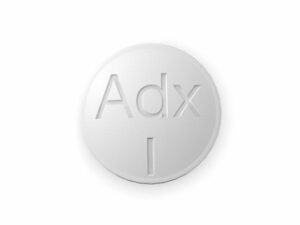


Danazol (Danazol) – Patient Guide (UK)
Danazol is a synthetic medicine used for specific hormone-related conditions. It works by affecting the hormones that regulate the menstrual cycle and ovarian/uterine activity. This guide explains what Danazol is used for, how it works, how it behaves in the body, dosing principles, safety considerations, practical tips, and available alternatives in the UK.
This information is designed to help you understand Danazol. It does not replace advice from a healthcare professional. If you have questions about your individual situation, treatment goals, or side effects, speak to your prescriber or pharmacist.
At a Glance
- Medicine: Danazol
- Common use cases: Conditions such as endometriosis, fibrocystic breast disease, and other selected hormone-dependent disorders (as advised by a clinician).
- How it works: Reduces the effects of certain reproductive hormones (including gonadotrophins) leading to lower estrogen activity.
- How it’s taken: Usually by mouth in divided doses depending on the condition.
- Key safety notes: Can cause androgen-like effects; requires careful monitoring (especially liver, lipids, pregnancy risk).
Basic Product Information
Danazol is available in oral form (capsules or tablets depending on brand/manufacturer). Strengths and exact presentations can vary. Your package and patient information leaflet will list the precise strength and dosing instructions for your product.
In the UK, Danazol is supplied through pharmacies and may be subject to availability depending on supplier stock and regional distribution. If it isn’t available immediately, your pharmacy may be able to check alternative suppliers or discuss temporary options.
What it is (class of medicine)
Danazol belongs to the group of medicines sometimes referred to as antigonadotrophins (agents that reduce certain hormone signals from the pituitary gland) and androgenic/anabolic steroid derivatives with complex effects on reproductive hormones.
How Danazol Works (Mechanism of Action)
Danazol influences hormone pathways involved in reproductive function. While the exact mechanism can vary by condition, the main effects include:
- Reduced gonadotrophin release: Danazol lowers signals from the pituitary gland that stimulate the ovaries.
- Lowered ovarian steroid production: This can reduce estrogen-driven activity in tissues such as endometriosis.
- Direct effects on steroid hormone metabolism/signalling: Danazol can change how hormones act at tissue level.
- Anti-inflammatory/anti-estrogenic effects in target tissue: In some conditions, this helps reduce symptoms.
In endometriosis, for example, Danazol can help decrease lesions’ hormonal stimulation, leading to symptom relief in many patients. In fibrocystic breast conditions, it may reduce hormonal influences contributing to tenderness or lumpiness.
Pharmacokinetics (How the Body Handles It)
Pharmacokinetics describes how the medicine is absorbed, processed, and eliminated. Understanding this can help with practical use.
Absorption
After oral dosing, Danazol is absorbed through the gastrointestinal tract. Peak blood levels occur after a variable time depending on formulation and individual factors.
Distribution
Danazol is distributed through body tissues and binds to plasma proteins (extent varies with individual circumstances). Tissue distribution may contribute to its therapeutic effect in hormone-dependent conditions.
Metabolism
Danazol is metabolised primarily in the liver. Because liver metabolism is important, caution is needed in patients with pre-existing liver disease or other risk factors.
Elimination
Danazol and its metabolites are eliminated mainly via bile and the faeces, with some urinary excretion. Elimination speed can vary between individuals.
Why these details matter
Because Danazol is liver-metabolised and can affect liver function and blood lipids, follow-up blood tests may be recommended. Timing and consistency of dosing can also influence symptom control and side-effect patterns.
Typical Use in the UK
Danazol is used for specific conditions where hormone modulation is appropriate. The exact indication and regimen should be chosen by a healthcare professional based on diagnosis, severity, age, reproductive plans, and risk profile.
Common indications
- Endometriosis: To help relieve pain and reduce disease activity in selected patients.
- Fibrocystic breast disease: For symptom control in some patients with troublesome breast symptoms (e.g., tenderness/lumps).
- Other selected hormone-dependent conditions: As clinically appropriate and guided by specialist practice.
If you are unsure why you are taking Danazol, check the label on your medicine and ask your pharmacist for clarification.
Timing and How to Take Danazol
Follow the dosing schedule provided with your Danazol product. If you are unsure about how often to take it or how many capsules/tablets per dose, ask your pharmacist before starting.
General timing principles
- Consistency: Try to take each dose at roughly the same times each day.
- Even spacing (if divided doses): If your regimen is split (e.g., twice daily), aim for even spacing.
- Continue as advised: Do not stop early or change dose without medical guidance.
Missed dose
If you miss a dose, take it when you remember unless it is close to the next scheduled dose. Do not take double the dose to make up for a missed one. If you’re unsure, ask your pharmacist for advice.
Food Interactions (Diet and Meal Effects)
Food can affect how medicines are absorbed. For Danazol, you should follow the advice in the leaflet supplied with your specific product.
- Take with/after food if advised: Some formulations are taken with food to improve tolerability.
- Keep meal timing consistent: Taking doses at similar meal times each day may help maintain steadier effects.
If you experience nausea or stomach discomfort, discuss with your pharmacist whether taking Danazol with food or at a different time of day could help.
Alcohol and Medicine Interactions
Alcohol
Alcohol can affect the liver and may worsen liver-related risk in people taking medicines that are also processed by the liver. For Danazol, it is generally best to limit alcohol and seek tailored advice if you drink regularly.
Interactions with other medicines
Danazol can interact with other medicines, mainly due to effects on hormone pathways and liver metabolism. It is important to provide your pharmacist with a complete list of medicines, including:
- Prescription medicines
- Over-the-counter products (e.g., cough/cold remedies)
- Herbal products and supplements
Possible interaction areas include:
- Liver-metabolised drugs: Medicines that affect liver enzyme activity may alter Danazol levels or vice versa.
- Hormonal medicines: Other hormone therapies may have additive or opposing effects.
- Blood-thinning medicines: If you take anticoagulants, extra caution may be needed (seek advice).
Because interaction patterns vary, always confirm with a healthcare professional or pharmacist—especially before starting a new medicine or supplement.
Dosing (How Much and How Often)
Dosing depends on the condition being treated, severity, response, and tolerability. Only use the dose written on your medicine label.
General dosing approach
- Often started with a dose plan: Some regimens begin at a certain level and may be adjusted.
- Individualised: Some people need dose adjustments based on side effects or symptom response.
- Use the lowest effective dose: In many hormone treatments, the goal is to manage symptoms with the least risk.
Important: Danazol has specific safety concerns. Do not adjust dose or duration on your own.
Typical schedules (illustrative only)
Different clinical indications can have different typical dosing ranges. Your exact regimen will be printed on your medication label.
If you want to understand the plan, ask your pharmacist how many times per day you should take Danazol and what to do if side effects occur.
Safety Profile and Side Effects
Danazol can cause side effects in some people. Many are related to its hormonal (androgenic) effects or its impact on liver function and blood lipids. If you experience severe symptoms or signs of serious reactions, seek urgent medical advice.
Common or expected effects
- Menstrual changes (e.g., irregular periods)
- Weight changes
- Headache
- Acne/oily skin
- Increased body hair or other androgen-like effects
- Vaginal dryness or changes in vaginal symptoms
- Mood changes in some patients
Less common but important risks
- Liver-related effects: Danazol is metabolised by the liver. Serious liver problems are uncommon but require attention.
- Blood lipid changes: It may affect cholesterol and triglycerides.
- Fluid retention: Some patients may notice swelling or bloating.
- Voice changes: Androgenic effects can sometimes lead to voice changes.
Seek urgent help if you notice
- Yellowing of skin/eyes (jaundice) or dark urine
- Severe abdominal pain, persistent nausea/vomiting
- Unexplained shortness of breath or chest pain
- Signs of severe allergic reaction (swelling of face/lips, difficulty breathing, widespread rash)
Pregnancy and reproductive risk
Danazol can cause harm to an unborn child because of its hormone effects. It is therefore not used in pregnancy. If there is any possibility of pregnancy, it is important to discuss contraception and timing carefully with a healthcare professional.
Breastfeeding
If you are breastfeeding, speak to a healthcare professional before using Danazol, as safety guidance may be different for different patient groups.
Practical Use Tips
- Take exactly as instructed: Stick to the dose and schedule on the label.
- Plan for monitoring: Your clinician may request blood tests (commonly liver function and lipid profile) during treatment.
- Track symptoms: Keep a simple diary of pain, bleeding changes, and any side effects—this can help guide dose adjustments if needed.
- Manage androgen-like effects: Acne or hair changes may require additional skincare advice; do not start new acne medicines without checking compatibility.
- Support lifestyle measures: Eating a balanced diet and engaging in appropriate activity can help manage weight and cholesterol risk.
Alternative Options (What else may be used in the UK)
Alternatives depend on the condition being treated. Discuss options with a healthcare professional. Below are examples of commonly considered approaches.
For endometriosis
- Progestogens (e.g., dienogest or other regimens, depending on suitability)
- Combined hormonal contraceptives (in selected patients)
- GnRH analogues/antagonists (specialist-led options)
- Pain relief medicines (e.g., NSAIDs) as part of overall management
- Surgery (for specific cases or when medication is not suitable)
For fibrocystic breast disease and related symptoms
- Symptomatic management (e.g., supportive bras, topical or systemic non-hormonal options)
- Hormonal approaches may be considered in selected cases
- Specialist assessment to ensure symptoms are correctly diagnosed
If you are considering switching or have concerns about side effects, ask your pharmacist or clinician about the safest next step for your specific diagnosis.
Market and Legal Context in the UK
Medicine supply and labelling in the UK are regulated to ensure safe use. Danazol is categorised under UK medicines legislation and is supplied via UK-licensed channels. Availability may vary by manufacturer and distribution schedules.
Online pharmacy websites in the UK typically require patient details to ensure appropriate supply and safe counselling. You may also be asked to confirm allergy status, current medicines, and relevant medical history to reduce the risk of harmful interactions.
If Danazol is not suitable for a particular patient, pharmacists will usually recommend alternative options or advise obtaining care through a clinician.
Recent Guidance and Monitoring (UK Clinical Practice)
Clinical guidance for hormone-modulating medicines often emphasises:
- Careful patient selection to balance benefits against risks.
- Baseline and follow-up monitoring, commonly including liver function and blood lipids when appropriate.
- Risk counselling regarding androgenic effects, mood changes, and pregnancy avoidance.
- Review of co-morbidities and interactions (including liver disease and other medicines).
Because guidance can evolve, the most up-to-date recommendations are best confirmed with your healthcare professional or pharmacist.
Delivery and Availability (Online Pharmacy in the UK)
Availability of Danazol can vary depending on supplier stock and pharmacy ordering schedules. If the medicine is temporarily out of stock, many UK online pharmacies can:
- Offer an estimated delivery date when it is likely to return to stock
- Suggest an alternative supplier if appropriate
- Discuss suitable alternative treatments where clinically necessary
When ordering online, delivery speed options may vary by location. Always check the pharmacy’s delivery information for: dispatch times, cut-off times, and shipping services.
Packaging and receiving your medicine
- Check that the product name and strength match your label.
- Confirm the dose instructions printed on the outer packaging.
- If you receive an unexpected product, contact the pharmacy before use.
FAQ – Danazol
1) How long does Danazol take to work?
Response time varies by condition and individual factors. Some people notice symptom changes within weeks, while others may require a longer period. Your prescriber/pharmacist can provide an expected timeframe for your specific use.
2) Can I stop Danazol if I feel better?
Do not stop early unless advised. Stopping can lead to symptom recurrence in some conditions. If side effects occur or you’re concerned, speak with your pharmacist or clinician to discuss the safest plan.
3) What side effects should I monitor closely?
Pay attention to menstrual changes, mood changes, acne/oily skin, and any signs of liver problems such as jaundice or dark urine. If you have scheduled blood tests, attend them as instructed.
4) Is Danazol safe for everyone?
Danazol is not suitable for all patients. People with certain liver conditions, specific risk factors, or those who are pregnant should avoid Danazol. Your healthcare professional should assess your medical history and current medicines for suitability.
5) Will Danazol affect my cholesterol or liver tests?
It can. Danazol may affect liver function and blood lipids. Monitoring through blood tests is often recommended during treatment, especially if prolonged.
6) Can I drink alcohol while taking Danazol?
It’s generally advisable to limit alcohol, as Danazol is processed by the liver. If you drink regularly or have liver disease, seek medical advice for personalised guidance.
7) Can Danazol interact with my other medicines?
Yes, interactions are possible—especially with medicines that affect liver metabolism or hormones. Provide your pharmacy with a full list of medicines and supplements to check compatibility.
8) What if I miss a dose?
Take it when you remember unless it’s close to your next dose. Do not take a double dose. If you’re unsure, ask your pharmacist for advice.
9) Does food change how Danazol works?
Food can affect absorption and tolerance. Follow the instructions in your product leaflet. Keeping the timing with respect to meals consistent may help.
10) Are there alternatives if I can’t tolerate Danazol?
Yes. Alternatives depend on your condition and may include other hormone treatments, non-hormonal symptom control, or specialist-led options. Discuss your symptoms and side effects with your clinician to find the best option.
Summary
Danazol is a hormone-modifying medicine used for specific conditions such as endometriosis and fibrocystic breast disease in selected patients. It reduces reproductive hormone stimulation and can improve symptoms, but it also carries important risks—particularly regarding liver effects, lipid changes, androgen-like side effects, and pregnancy-related harm.
Use Danazol exactly as directed, attend any recommended blood tests, and seek urgent advice if you notice symptoms suggesting liver problems or serious reactions. If you have concerns or want to explore alternatives, your pharmacist or healthcare team can help you make informed choices.
| Topic | Key points |
|---|---|
| What it is | Danazol – oral medicine with hormone-modulating effects. |
| What it’s used for | Selected hormone-dependent conditions (e.g., endometriosis; fibrocystic breast disease as advised). |
| How it works | Reduces gonadotrophin signalling and lowers estrogen-driven activity in target tissues. |
| How it’s taken | By mouth, typically in divided doses; follow your label instructions. |
| Food | Follow leaflet guidance; keeping meal timing consistent may help tolerability/absorption. |
| Alcohol | Limit alcohol; seek advice if you drink regularly or have liver risk factors. |
| Monitoring | Possible liver function and lipid monitoring during treatment. |
| Safety watch-outs | Androgenic side effects, liver effects, and pregnancy-related risk. |
| Alternatives | Depends on diagnosis: other hormonal regimens, symptom control, and specialist-led options. |