Diane 35 (Cyproterone acetate + Ethinylestradiol) — Patient Information (UK)
Diane 35 is a combined hormonal medicine containing two active ingredients: cyproterone acetate and ethinylestradiol. It is used in certain women to treat hormone-related skin conditions and other symptoms. This page explains how it works, how it’s taken, key safety information, and what to expect in everyday use.
In the United Kingdom, Diane 35 is supplied to patients within the UK medicines framework. Always read the leaflet that comes with your pack and follow the advice of your healthcare professional.
1. Basic product information
| Product | Diane 35 |
|---|---|
| Active ingredients | Cyproterone acetate + Ethinylestradiol |
| Type | Combined oral hormonal medicine (COC) |
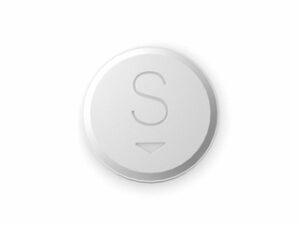
| Common form | Tablets |
| Typical regimen | 21 tablets in a cycle, then a break (usually 7 days) before starting the next pack |
What it’s used for: Diane 35 is primarily used to treat moderate-to-severe acne and unwanted facial/body hair in women where hormonal influences are suspected. It may also provide contraceptive protection, but its suitability depends on your individual risk factors and needs.
2. How Diane 35 works (mechanism of action)
Diane 35 contains:
- Ethinylestradiol: an oestrogen component that, in combination with progesterone-like effects, helps suppress ovulation and stabilise hormone levels.
- Cyproterone acetate: a progestogenic anti-androgen. It reduces the effects of male-type hormones (androgens) that can contribute to acne and excessive hair growth.
In conditions such as acne and hirsutism (excess hair growth), androgens stimulate oil production and hair follicle activity. By lowering androgen activity and influencing hormone signals in the body, Diane 35 can help:
- Reduce sebum (skin oil) production
- Improve acne inflammation over time
- Slow the growth of unwanted hair
- Help regulate irregular bleeding in some users
3. Pharmacokinetics (how the body absorbs and handles it)
After oral administration, the active ingredients are absorbed via the gut and processed by the liver. Key points include:
- Absorption: Both components are absorbed after swallowing the tablet.
- Distribution: They circulate in the blood, bind to transport proteins, and then reach target tissues (including skin).
- Metabolism: They are largely metabolised in the liver. Cyproterone acetate is metabolised to various metabolites that are then cleared from the body.
- Elimination: Breakdown products are removed mainly through the kidneys and/or bile pathways (via the digestive system).
Individual blood levels can vary between people, which is one reason consistency of dosing matters and why dose timing and interactions can influence effectiveness.
4. Typical use and timing
When is Diane 35 taken?
Diane 35 is usually taken as a daily tablet for 21 consecutive days, followed by a break (commonly 7 days) before starting the next pack. During the break, withdrawal bleeding (a “period-like” bleed) typically occurs.
What to do if you start mid-cycle
Your start date may depend on whether you’re switching from another contraceptive method, starting after a break, or restarting after pregnancy or another hormonal treatment. Guidance differs by situation. If unsure, follow the leaflet and seek advice.
Timing of daily tablets
- Take your tablet at the same time each day to maintain steady hormone levels.
- If you frequently miss tablets, your hormone levels may fluctuate and both effectiveness and cycle control may reduce.
5. Indications (what Diane 35 is for)
Diane 35 is indicated for certain women with hormone-sensitive conditions. In the UK, it is typically used for:
- Acne that is moderate-to-severe, especially when it is unlikely to respond adequately to conventional topical treatments.
- Acne associated with increased androgen-related features (for example, irregular hair growth patterns).
- Hirsutism (excess hair growth) in women where an androgen-related cause is suspected and the condition is appropriate for hormonal treatment.
- Women who also require a contraceptive may benefit from combined hormonal effects, though suitability depends on your health and risk factors.
Because Diane 35 is not suitable for everyone, your clinician will consider your history (including clot risk, migraine status, smoking, and other factors) before recommending it.
6. Dosing (how to take it)
Typical dose: One Diane 35 tablet daily for 21 days, followed by a break (commonly 7 days), then a new pack.
Steps for practical use
- Check the pack to confirm the sequence of tablets.
- Choose a time of day that you can reliably remember (e.g., morning with breakfast or evening before bed).
- Take one tablet every day.
- When the pack finishes, start the next pack after the scheduled break.
If you miss a tablet
Missing tablets can reduce hormone stability. The exact advice depends on how many tablets you missed and when in your pack the omission happened. Refer to your leaflet’s “missed tablets” guidance for your specific circumstance. If you’re unsure, speak to a healthcare professional or pharmacist for personalised advice.
7. Food interactions
Diane 35 can generally be taken with or without food. No major food interaction is usually expected, but taking it consistently helps maintain effectiveness.
- Take with water and swallow the tablet whole.
- If you experience vomiting or severe diarrhoea shortly after taking a tablet, effectiveness may be affected (this can be treated similarly to a missed tablet—see leaflet guidance).
8. Alcohol and medicine interactions
Alcohol
Moderate alcohol use does not typically have a direct interaction that would be expected to prevent Diane 35 from working. However, alcohol can indirectly increase risk of missed doses and may worsen side effects in some people.
- Avoid heavy drinking if it makes it harder for you to take your tablet on time.
- If you vomit after drinking, treat the situation as you would vomiting after a missed tablet (follow the leaflet advice).
Medicine interactions (important)
Some medicines can reduce how effectively Diane 35 works by increasing liver metabolism of the hormones. Others can increase hormone levels. This can affect skin improvement, cycle control, and the overall effectiveness of hormonal protection.
Tell your pharmacist or healthcare professional about all medicines you take, including:
- Antibiotics and antifungals (some can interact)
- Medicines for epilepsy (anti-epileptics)
- Medicines for HIV or hepatitis C
- St John’s wort (herbal remedy)
- Some medicines for tuberculosis (TB)
- Any long-term medication or supplements
St John’s wort is a well-known example of a herbal product that can significantly reduce hormone effectiveness. Avoid it unless a clinician specifically advises otherwise.
If you start or stop a medicine that interacts, you may need extra contraceptive measures or dosage considerations—ask for advice promptly.
9. Safety profile: who should be careful and warning signs
Like all combined hormonal medicines, Diane 35 is associated with an increased risk of blood clots (venous thromboembolism) compared with not using combined hormonal therapy. Risk varies depending on individual factors.
Before using Diane 35, clinicians consider risk factors
- Smoking (especially age 35 or over)
- History of blood clots or known clotting disorders
- Strong family history of clots at a young age
- Long periods of immobilisation or recent major surgery
- Very high blood pressure or certain cardiovascular conditions
- Migraine with aura
- Diabetes with vascular complications
- Liver disease or jaundice related to hormonal treatment
Seek urgent medical help if you notice possible clot symptoms
Contact emergency services or seek urgent care if you experience symptoms such as:
- Chest pain or sudden breathlessness
- One-sided weakness or facial droop
- Severe headache that is unusual for you, especially with visual disturbance
- Leg swelling or pain (often in one leg)
- Severe abdominal pain
These symptoms can indicate serious conditions, including clots. It is important not to ignore them.
Common side effects
Many side effects improve after a few cycles. Commonly reported effects include:
- Headache
- Nausea
- Breast tenderness
- Changes in mood
- Spotting between periods (especially early on)
- Changes in bleeding pattern
Less common but important effects
- Raised blood pressure
- Changes in liver enzymes (rare)
- Changes in glucose tolerance in some people
- Skin changes (for example, pigmentation changes)
If side effects are severe, persistent, or worsening, consult your healthcare professional.
10. Practical use tips
- Use a daily routine: Link tablet-taking to a fixed habit (brushing teeth, breakfast, or bedtime).
- Consider reminders: Phone alarms, calendar prompts, or pharmacy blister reminders can help reduce missed tablets.
- Plan for interruptions: If you’ll be travelling, sleeping away from home, or have schedule changes, keep the pack accessible.
- Track changes: For acne/hair improvement, results typically take time. Keep a simple note of skin changes and any bleeding patterns.
- Medication review: If you start new medicines (including over-the-counter products), ask about interactions.
How long until you notice improvements?
Acne and androgen-related symptoms generally improve gradually. Skin changes can take several months to become noticeable. If there is little improvement after an appropriate trial period, your clinician may review your treatment plan.
11. Alternative options
Depending on your condition (acne, hirsutism, or contraception needs), options may include:
- Topical acne treatments: retinoids, benzoyl peroxide, topical antibiotics (where appropriate).
- Other hormonal approaches: different combined oral contraceptives or anti-androgen treatments may be considered in some cases.
- Anti-androgen medications: in selected patients, clinicians may consider other androgen-suppressing medicines.
- Antibiotics for acne: short courses in appropriate cases under medical supervision.
- Dermatology procedures: chemical peels or light-based therapies in some settings.
Alternative options should be chosen based on symptom severity, your medical history, clot risk, and other personal factors.
12. Market and legal context in the UK (patient-friendly overview)
Diane 35 contains oestrogen and an anti-androgen and is regulated under UK medicines law. As with all prescription-only or medicines with regulated supply, availability, indications, and safety information must meet regulatory requirements.
In the UK, regulators and clinical guidance have historically emphasised careful selection of patients due to the clot risk associated with combined hormonal medicines and the need to consider whether alternative treatments could be suitable for acne/hair conditions.
Always follow the official advice in the patient information leaflet and any updates issued through UK healthcare channels.
Recent guidance (what to expect)
Recent regulatory safety communications across Europe and the UK have focused on:
- Ensuring combined hormonal medicines are used only when benefits outweigh risks
- Reinforcing evaluation of clot risk factors (e.g., smoking, age, migraine with aura, personal/family clot history)
- Encouraging clinicians to consider alternatives for acne/hirsutism where appropriate
- Strengthening awareness of warning symptoms of clots
If you have concerns, ask your pharmacist or clinician to review your suitability for Diane 35.
13. Delivery and availability in the UK
Availability varies by pharmacy and stock levels. In the UK, medicines are typically supplied through authorised channels that follow UK regulatory requirements. Online pharmacies may offer delivery services where permitted.
- Check delivery times during checkout.
- Track your parcel if a tracking service is offered.
- Store tablets safely at room temperature, away from excess heat and moisture, and keep out of reach of children.
If you are unable to find Diane 35, your pharmacist may be able to suggest an alternative based on the active ingredients, your indication, and your safety profile.
14. FAQ
Is Diane 35 the same as the combined pill?
Diane 35 is a combined oral contraceptive-type medicine (it contains an oestrogen and a progestogenic/anti-androgen component). However, it is used for specific hormone-related symptoms as well as potentially for contraception depending on individual circumstances. Your clinician will confirm suitability for your situation.
How quickly does it work for acne?
Acne improvements usually take time—often several weeks to months. Many people notice gradual changes, with fuller benefit developing over a few cycles. If you see no improvement after an appropriate period, seek advice.
Can I take Diane 35 if I get migraines?
Some migraine types are incompatible with combined hormonal medicines due to clot/stroke risk. In particular, migraine with aura is generally considered a major risk factor. Discuss your migraine history with a clinician before use.
What if I’m travelling or immobilised?
Prolonged immobilisation can increase clot risk. If you have long flights, major surgery, or periods where you are unable to move around normally, seek medical advice about whether to pause or adjust treatment.
Does alcohol affect Diane 35?
Moderate alcohol typically doesn’t directly interact, but heavy drinking may increase the chance you miss doses. Also, vomiting after alcohol can affect absorption. Follow leaflet guidance if you’re unwell.
Can I take Diane 35 with other medicines?
Some medicines—including certain epilepsy medicines, HIV/HCV treatments, rifampicin-like antibiotics, and herbal products such as St John’s wort—can affect hormone levels. Tell your pharmacist about everything you take so they can check interactions.
What side effects are most common?
Headache, nausea, breast tenderness, mood changes, and spotting can occur, especially early in treatment. If you experience severe symptoms or signs of clots, seek urgent help.
What should I do if I miss a tablet?
Missed tablets guidance depends on how many you missed and when in your pack it happened. Consult the patient leaflet “missed tablets” section or speak with a pharmacist for advice.
How do I stop Diane 35 safely?
You can stop treatment, but if you’re using it to manage symptoms or for hormonal protection, it’s best to discuss stopping with a healthcare professional. Stopping may lead to a return of acne/hair symptoms and may affect cycle patterns.
Summary
Diane 35 (cyproterone acetate and ethinylestradiol) is a combined hormonal medicine used in women to treat hormone-sensitive conditions such as acne and some cases of unwanted hair growth. It works by reducing androgen effects and stabilising hormone levels, but it also carries important safety considerations—particularly around blood clot risk. Consistent daily use, careful attention to interactions, and awareness of warning symptoms are essential.
If you have questions about suitability, side effects, or interactions, speak to your pharmacist or clinician. Always follow the leaflet instructions supplied with your medicine.