


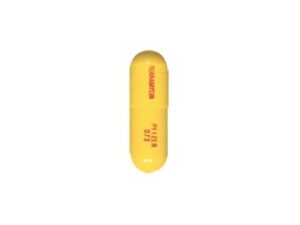
Phenytoin (Dilantin) – Patient Guide (UK)
Dilantin is a brand name for phenytoin, an anti-epileptic medicine used to control certain types of seizures. This guide explains how phenytoin works, how it is taken, important safety information, and what to expect in day-to-day use. It is written to be patient-friendly and tailored to the United Kingdom context.
Important: Always follow the instructions given by your healthcare professional and read the medicine label carefully. If you miss a dose, ask your pharmacist for advice specific to your situation.
1) Basic product information
| Item | Information |
|---|---|
| Generic name | Phenytoin |
| Brand name | Dilantin |
| Medicine type | Antiepileptic (anti-seizure) medicine |
| Common formulations | Tablets / capsules (exact product depends on local supply) |
| How it works | Stabilises nerve cell activity and reduces seizure spread |
| Key monitoring | Blood levels may be checked to ensure safe, effective dosing |
2) How phenytoin (Dilantin) works (mechanism of action)
Phenytoin helps to control seizures by affecting how nerve cells communicate.
- Blocks repetitive firing of neurons: It stabilises the electrical activity of nerve membranes, particularly by modulating sodium channels.
- Reduces seizure propagation: By making it harder for abnormal electrical signals to spread, phenytoin can reduce the frequency and severity of seizures.
- Helps establish a steady “seizure threshold”: Many people benefit from consistent dosing over time to maintain effective blood concentrations.
Phenytoin has a known characteristic called non-linear pharmacokinetics, meaning that small dose changes can sometimes cause disproportionate changes in blood levels.
3) Pharmacokinetics (how the body handles the medicine)
Understanding pharmacokinetics can help explain why phenytoin may require careful dosing and sometimes blood level monitoring.
- Absorption: Phenytoin is absorbed from the gastrointestinal tract. How quickly and how completely it is absorbed can vary between individuals and between formulations.
- Distribution: It is highly bound to plasma proteins (mainly albumin). This matters because protein levels and other medicines can influence the amount of “active” drug.
- Metabolism: Phenytoin is metabolised mainly in the liver by enzymes (notably CYP2C9 and CYP2C19).
- Elimination half-life: The half-life is often described as “variable” because of dose-related metabolism. At lower doses, elimination may be faster; at higher doses, it may be slower.
- Non-linear (saturable) kinetics: As doses increase, metabolism may become less efficient, raising blood levels more than expected. This is why toxicity risk can increase quickly if dosing is not carefully managed.
- Blood level monitoring: Measuring phenytoin serum levels can help confirm therapeutic range and avoid side effects.
4) Typical uses of Dilantin (phenytoin)
Phenytoin is used to treat certain seizure types and neurological conditions where seizure control is needed. The exact choice of medicine depends on seizure type, age, co-existing conditions, and prior treatment response.
Common indications include:
- Focal seizures (with or without secondary generalisation) depending on individual assessment
- Generalised tonic-clonic seizures in certain situations
- Prevention or treatment of seizures in specific clinical contexts as determined by specialists
Different people may respond better to different antiseizure medicines. Your prescriber may recommend phenytoin because of its effectiveness, experience with it, or other personal factors.
5) Timing and how to take phenytoin
Taking phenytoin at consistent times can help keep blood levels stable, which is important for seizure control and safety.
- Follow the dosing schedule exactly: Try to take each dose at the same time(s) every day.
- Do not stop suddenly: Stopping abruptly can increase seizure risk.
- Swallow whole if advised: Some formulations should not be crushed or opened—check your specific product instructions.
- Consistency across supply changes: If you change between brands or formulations, discuss with your pharmacist because bioavailability may differ.
When does it start working?
Some people notice improvement relatively quickly, while others require more time and dose adjustment. Because blood levels and seizure control relate closely, your clinician may adjust the dose and consider blood testing before making conclusions.
What if you miss a dose?
If you miss a dose, take it when you remember unless it is close to the next dose. Do not take a double dose to make up for the missed tablet. If you are unsure, ask a pharmacist for advice.
6) Food interactions (taking with meals)
Phenytoin can be taken with or without food in many cases, but individual advice may vary depending on formulation and how you tolerate the medicine.
- Helpful for stomach comfort: If phenytoin causes nausea or stomach upset, taking it with food may improve tolerance.
- Be consistent: Try to keep your routine similar (for example, always taking with breakfast and dinner) unless your prescriber advises otherwise.
- Absorption can vary: Changes in meal timing may slightly affect absorption in some people. Consistency helps reduce variation.
If your medicine is specified “extended” or “modified release,” follow the label instructions carefully; meal timing may have different effects.
7) Alcohol and medicine interactions
Alcohol: Drinking alcohol may affect seizure control and can increase the risk of side effects such as dizziness, sleepiness, or unsteadiness. If you drink alcohol, keep it moderate and discuss with a clinician—especially if you have had seizures triggered by alcohol, sleep deprivation, or illness.
Important medicine interactions: Phenytoin interacts with many medicines because of liver enzyme effects and protein binding. Some interactions can reduce seizure control, while others can raise phenytoin levels and increase toxicity risk.
Medicines that may interact (examples)
- Other anti-epileptic medicines (may raise or lower phenytoin levels depending on the combination)
- Warfarin (phenytoin can affect clotting control and warfarin levels)
- Some antibiotics (for example, certain treatments can influence phenytoin metabolism)
- Oral contraceptives (interaction risk can change hormone levels and seizure control in some situations)
- Medicines for heart rhythm and other cardiovascular drugs
- Gout treatments such as allopurinol (may affect phenytoin metabolism)
- Antifungal medicines and other liver-metabolised drugs
- St John’s wort and some herbal supplements (can alter enzyme activity)
This is not a complete list. Always provide your pharmacist with a full list of medicines and supplements, including over-the-counter products.
8) Indications and how doctors choose the right dose
Phenytoin dosing must be individualised. Selection depends on seizure type, previous treatments, liver and kidney function, age, and the likelihood of interacting medicines.
Because blood levels can be unpredictable, doctors may choose to measure serum levels especially when:
- starting treatment or changing the dose
- adding or stopping interacting medicines
- there are side effects suggesting toxicity
- there are changes in health (for example, liver disease)
- pregnancy is planned or ongoing (if relevant)
9) Dosing: typical schedules and therapeutic monitoring
Dosing varies widely between individuals. Use the dose prescribed for you and do not adjust it yourself.
General dosing principles
- Start low and titrate carefully: Many people require gradual adjustments.
- Non-linear kinetics: Small dose changes can significantly change blood levels at higher doses.
- Therapeutic drug monitoring: Blood level checks may help maintain effective and safe concentrations.
- Protein binding: In conditions affecting albumin (or in some illnesses), “free” phenytoin levels may be more relevant than total levels.
Typical administration patterns
Phenytoin is commonly taken in divided doses (for example, more than once daily) depending on the formulation and your plan.
Do not rely on the examples below to change your own dose; they are included to help explain why clinicians individualise regimens.
- Adults: Dose is often adjusted based on clinical response and (when indicated) serum blood levels.
- Children: Dosing is typically weight-based and closely monitored.
- Older adults: Dosing may be more cautious due to sensitivity to side effects and changes in metabolism.
If your healthcare professional has requested blood tests, arrange them as advised. Results are used to guide safe dosing.
10) Safety profile: side effects and when to seek help
Most people tolerate phenytoin, but it can cause side effects—some of which may be dose related. Because of the non-linear relationship between dose and blood levels, toxicity can occur if levels rise.
Common or dose-related side effects
- Dizziness or light-headedness
- Unsteadiness (ataxia)
- Drowsiness or fatigue
- Nystagmus (involuntary eye movements) in some cases
- Nausea
- Headache
Less common but important risks
- Allergic reactions: Seek urgent help for facial swelling, breathing difficulties, or widespread rash.
- Severe skin reactions: If you develop a blistering rash, skin peeling, mouth ulcers, or fever with rash, get immediate medical attention.
- Blood disorders: Unexplained bruising, infections, or severe sore throat may require prompt review.
- Bone health concerns: Long-term use of some anti-epileptic medicines may affect vitamin D and bone density—ask your GP or specialist about monitoring.
- Changes in gums: Phenytoin can cause gum overgrowth in some people; good oral hygiene and regular dental checks help.
- Liver issues: Symptoms such as yellowing of skin/eyes, dark urine, or persistent nausea may need urgent review.
When to seek urgent help
Contact emergency services or seek urgent medical attention if you experience:
- Signs of a severe allergic reaction (swelling of face/throat, difficulty breathing)
- Severe rash or rash with fever, mouth sores, or skin peeling
- Uncontrolled seizures or prolonged convulsions
- Confusion, extreme drowsiness, fainting, or severe unsteadiness
11) Practical use tips for everyday life
- Keep a routine: Use alarms or pill boxes to reduce missed doses.
- Know your “early warning” signs: Dizziness, slurred speech, nausea, or worsening unsteadiness can indicate high levels.
- Avoid abrupt changes: Changes in dose, brand, or formulation can affect seizure control.
- Tell healthcare professionals: Inform dentists and other clinicians that you take phenytoin.
- Oral health matters: Brush twice daily and consider dental check-ups more frequently to help reduce gum complications.
- Plan for lab tests: If blood tests are requested, attend promptly to allow timely dose adjustments.
- Driving and safety: If you feel dizzy, sleepy, or unsteady, avoid driving and operating machinery until you are sure it is safe.
12) Alternative options for seizure control
Phenytoin is one option among many antiseizure medicines. Depending on your seizure type and personal circumstances, alternatives may include:
- Carbamazepine
- Levetiracetam
- Lamotrigine
- Valproate (may be suitable for some people but has specific safety considerations)
- Oxcarbazepine
- Zonisamide, Topiramate (depending on indication)
- Phenobarbital (in specific contexts)
Switching between medicines should be done with careful tapering and monitoring to maintain seizure control. Your specialist can advise which alternative fits your clinical picture.
13) UK market and legal/regulatory context
In the United Kingdom, medicines such as Dilantin (phenytoin) are supplied through established pharmacy channels under the medicines regulations overseen by the Medicines and Healthcare products Regulatory Agency (MHRA) and in line with guidance from the National Health Service (NHS) and professional bodies.
Key points for UK users:
- Formulation and brand availability may vary: Pharmacies may supply different brands or generics depending on supply and prescribing details.
- Consistency is important: If there are changes due to availability, speak to your pharmacist about maintaining the same dosing schedule and monitoring plan.
- Safety and monitoring: UK healthcare providers commonly use blood level checks for medicines with narrow therapeutic windows or non-linear kinetics.
- NHS Medicines Information resources: Your GP, neurologist, or pharmacist can provide up-to-date advice in line with local and national guidance.
14) Recent guidance and practical updates (what to watch for)
Seizure care practices continue to evolve, including improved communication around:
- Monitoring: Earlier consideration of blood tests when symptoms suggest toxicity or when interactions change.
- Medication reviews: Regular review of all medicines, including over-the-counter and herbal products, to reduce interaction risk.
- Shared decision-making: Individualised planning for seizure control, quality of life, and managing side effects.
- Adherence support: Encouraging consistent dosing using reminders or blister packs where appropriate.
Your pharmacist can also check for any recent formulary or supply changes relevant to your area.
15) Delivery and availability in the UK
Availability of Dilantin (phenytoin) and the exact pack sizes can vary by supplier. Online pharmacies in the UK typically:
- Check stock availability before confirming your order.
- Pack medicines safely with appropriate labelling.
- Use tracked delivery or standard tracked options where available.
Delivery times: Delivery speed may vary depending on local stock and courier services. Standard and expedited options (if offered) will be displayed at checkout by the pharmacy.
Cold-chain requirements: Phenytoin tablets/capsules are generally stored at normal room conditions unless your specific product states otherwise.
16) Frequently Asked Questions (FAQ)
Is phenytoin the same as Dilantin?
Yes. Dilantin is a brand name for phenytoin. Different brands or generic versions may exist, but they contain the same active ingredient.
Why might my doctor check my blood levels?
Phenytoin can show non-linear pharmacokinetics, so levels may rise quickly with dose changes. Blood level monitoring helps maintain effectiveness while reducing the risk of toxicity.
What are signs that the phenytoin level may be too high?
Possible signs include dizziness, unsteadiness, slurred speech, nausea, and marked drowsiness. Contact your healthcare team promptly if these occur.
Can I drink alcohol while taking Dilantin?
Alcohol may worsen seizure control and increase side effects like dizziness or sleepiness. It’s best to discuss your personal situation with your clinician. If you do drink, keep it low/moderate and avoid binge drinking.
Does food affect phenytoin?
In many cases phenytoin can be taken with or without food. However, to reduce variability, keep your routine consistent (for example, always taking with breakfast and dinner if that’s your plan).
Can I stop taking phenytoin if my seizures have improved?
Do not stop suddenly. Stopping abruptly can increase seizure risk. If you are considering stopping, discuss it with your specialist, who may plan a gradual reduction.
What interactions should I be careful about?
Phenytoin interacts with various medicines, including some antibiotics, anticoagulants (like warfarin), oral contraceptives, antifungals, and several antiseizure medicines. Provide your full medication list to your pharmacist, including herbal products and over-the-counter remedies.
Is it safe to take other medicines for pain or fever?
Many common medicines may be suitable, but not all are appropriate for everyone taking phenytoin. Ask your pharmacist before starting a new medicine, especially if it’s taken regularly.
How should I store Dilantin?
Store tablets/capsules according to the instructions on the package. Keep out of the sight and reach of children, and avoid using medicines beyond their expiry date.
What should I do if I miss a dose?
Take it when you remember unless it is close to the next scheduled dose. Do not take double. If you’re unsure, contact a pharmacist for guidance.
Are there alternatives if I can’t tolerate phenytoin?
Yes—there are multiple antiseizure medicines. The best alternative depends on seizure type, other health conditions, age, pregnancy potential, and drug interactions.
Need help choosing or using your medicine? Your pharmacist can answer questions about how to take phenytoin safely, including timing, missed doses, and interaction checks with other medicines and supplements you may be taking.