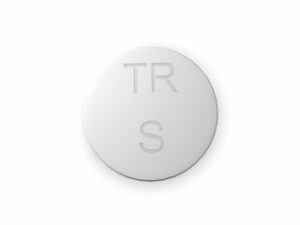

Drospirenone & Ethinyl Estradiol
Drospirenone and Ethinyl Estradiol is a combined oral contraceptive (COC) used to prevent pregnancy and, in some cases, to help manage certain hormone-related symptoms. This medicine contains two hormones: a progestogen (drospirenone) and an oestrogen (ethinyl estradiol). In the United Kingdom (UK), it is commonly prescribed as a daily tablet in cycles or, depending on the specific product, as a continuous or flexible regimen.
This page explains how the medicine works, how it is usually taken, what to expect, key safety information, and practical tips for use. It is written in a patient-friendly way for online pharmacy users in the UK.
Basic product information
| Feature | What to know |
|---|---|
| Active ingredients | Drospirenone + Ethinyl estradiol |
| Medicine type | Combined hormonal contraceptive (COC) |
| Route | Oral tablet |
| How it helps | Prevents ovulation; changes cervical mucus; alters endometrium |
| Common dosing pattern | Daily dosing (often 21 days active + 7 days break, or alternative pack instructions) |
| Availability (UK) | Availability depends on the specific brand and pack size |
Important: Different brands may have slightly different pack layouts (for example, number of active tablets and days of placebo). Always follow the instructions included with your specific product.
How it works (mechanism of action)
Combined oral contraceptives work mainly by preventing ovulation. Drospirenone (the progestogen component) and ethinyl estradiol (the oestrogen component) work together to keep hormone levels steady and reduce the natural monthly hormone surge that triggers ovulation.
- Prevents ovulation: Suppresses the hormones in the brain (FSH/LH) that would normally lead to release of an egg.
- Thickens cervical mucus: Makes it harder for sperm to pass through the cervix.
- Alters the uterine lining: Helps prevent implantation if fertilisation were to occur.
Because hormone levels are sustained by daily dosing, consistent use is important for reliable protection.
Pharmacokinetics (how the body processes it)
“Pharmacokinetics” describes what happens to a drug after you take it—how it is absorbed, distributed, metabolised, and eliminated. While exact values can vary between individuals and between brands, the general principles for drospirenone and ethinyl estradiol are as follows:
- Absorption: Both hormones are absorbed through the digestive tract after oral administration.
- Distribution: They travel through the bloodstream, largely bound to proteins. Ethinyl estradiol is extensively bound to sex hormone–binding proteins.
- Metabolism: Both are metabolised mainly in the liver. Ethinyl estradiol undergoes “first-pass” metabolism (processing soon after absorption).
- Excretion: Metabolites are eliminated largely via urine and bile/stool pathways.
Practical meaning for users: Because metabolism occurs in the liver, certain medicines that induce liver enzymes can reduce contraceptive effectiveness. This is why interaction information (see below) is essential.
Typical use
Primary use is contraception. Depending on the specific product, some presentations may also be used for conditions related to androgen activity or troublesome bleeding patterns, but this varies by country guidance and product licence.
In the UK, combined oral contraceptives are prescribed or supplied based on an individual clinical assessment, taking into account your medical history and risk factors.
What to expect when starting:
- You may experience spotting or irregular bleeding for the first 1–3 months.
- Your bleeding pattern often becomes more predictable over time.
- Some people may have symptoms such as nausea, breast tenderness, or headache early on, which often improve.
When to start and timing
The safest and most effective timing depends on whether you are starting the pill for the first time, restarting after a break, switching from another method, or following childbirth or miscarriage. Always follow the “starting” instructions in your pack leaflet.
Common starting options
- Start on day 1 of your period: Often provides immediate contraceptive protection.
- Start at other times: You may need additional contraception (e.g., condoms) for a short period—commonly the first 7 days—unless your clinician instructs otherwise.
- Switching from another hormonal method: Your start date may align with the end of your previous method.
Daily timing: Try to take the tablet at the same time each day. If you take it at a consistent time, it is easier to avoid missed doses and it helps maintain steady hormone levels.
Food interactions
Food does not usually significantly affect the absorption of combined oral contraceptives for most people. In general, drospirenone/ethinyl estradiol can be taken with or without food.
However: If you vomit or have severe diarrhoea soon after taking your tablet, absorption may be reduced. Treat this situation similarly to a missed tablet and follow your pack leaflet guidance for missed doses.
Alcohol and medicine interactions
Alcohol
Moderate alcohol consumption does not typically reduce contraceptive effectiveness directly. That said:
- Heavy drinking may increase the risk of missed doses.
- Alcohol-related vomiting can affect absorption if it occurs soon after taking the tablet.
Practical tip: If you drink heavily, set a reminder to take your pill and consider keeping your tablet schedule consistent.
Medicine interactions (very important)
Some medicines can reduce the effectiveness of combined oral contraceptives by increasing hormone metabolism in the liver (enzyme induction). Others may increase bleeding, change hormone levels, or increase side effects.
Common interaction categories include:
- Enzyme-inducing medicines (for example, some anti-epileptics and certain treatments for HIV or tuberculosis) can significantly lower contraceptive reliability.
- Some antibiotics: most do not affect COC levels, but consult guidance if you are prescribed antibiotics known to interact.
- St John’s wort (herbal preparations): may reduce hormone levels and therefore contraceptive effectiveness.
- Medicines affecting liver enzymes or certain combinations that alter metabolism may also matter.
What you should do:
- Tell a healthcare professional or pharmacist about all medicines you take, including over-the-counter products and herbal remedies.
- If you start a medicine that interacts, you may need additional contraception (often condoms) during treatment and for a period after stopping.
Emergency contraception: If you miss tablets or have vomiting/diarrhoea affecting absorption, consider whether emergency contraception is appropriate. Advice depends on timing and local guidance.
Indications (what it is used for)
The primary licensed indication for drospirenone/ethinyl estradiol in the UK is contraception.
Some combined oral contraceptives may have additional indications depending on product licence, such as helping with symptoms of hormone-related skin conditions (e.g., acne) or managing certain bleeding problems. Availability and exact indications can vary by brand and country.
Always check the pack leaflet or ask a clinician/pharmacist if you are using the medicine for a symptom other than contraception.
Dosing and missed tablet guidance
General dosing: One tablet daily. Your pack layout will determine whether there is a break (placebo tablets) or a continuous cycle.
How to take it
- Take at about the same time each day.
- If you are late, take it as soon as you remember—unless your pack leaflet defines a longer delay threshold for missed tablets.
- Do not take two tablets on the same day to make up for a missed tablet unless your pack leaflet specifically instructs you to do so.
Missed tablets (general principles)
Missed pills can increase the risk of pregnancy, especially in the first week of a new pack. The exact advice depends on how many tablets were missed and where you are in the pack.
- Follow the pack leaflet for the most accurate instructions.
- In many common scenarios, additional contraception (e.g., condoms) is advised for a number of days after missed tablets.
- Consider a pregnancy test if you have missed tablets and then experience unexpected bleeding changes, or if bleeding does not occur during the break period.
If you are unsure: Speak with a pharmacist promptly. They can help interpret missed-dose guidance based on your timing.
Safety profile and who should be extra careful
Like all combined hormonal contraceptives, drospirenone/ethinyl estradiol can have benefits and risks. The most important safety considerations in combined pills relate to blood clots, certain cardiovascular conditions, and contraindications.
Serious risks to be aware of
Seek urgent medical advice if you develop symptoms suggesting a clot, such as:
- Chest pain or breathlessness
- Sudden weakness or numbness on one side
- Severe leg pain or swelling, usually in one leg
- Sudden vision changes or severe headache unlike usual
These can be warning signs of thrombosis or related conditions and require immediate assessment.
Other potential side effects
- Nausea, vomiting
- Headache (including migraine changes)
- Breast tenderness
- Mood changes
- Spotting or breakthrough bleeding early on
- Changes in libido
Many side effects improve after the first few cycles. If they persist or worsen, speak to a healthcare professional about whether another formulation may suit you better.
Conditions that require careful assessment
Combined oral contraceptives may not be suitable if you have certain medical histories. Examples include (this is not exhaustive):
- History of blood clots (venous or arterial)
- Some migraine types (especially migraine with aura)
- Uncontrolled high blood pressure
- Known liver disease or liver tumour
- Some conditions affecting the coagulation system
- Smoking especially if you are older (risk rises with age and smoking)
Why this matters: Your clinician balances benefits with clot risk using evidence-based UK guidance.
Practical use tips
- Use reminders: Phone alerts, pill boxes, or blister-calendar packs can reduce missed doses.
- Know your pack: Identify whether your brand includes a hormone-free interval/placebo days.
- Plan for illness: If you have vomiting or severe diarrhoea, follow missed-dose guidance and consider extra contraception.
- Keep track of bleeding: Light bleeding/spotting can be normal at first; however, persistent unusual bleeding should be discussed.
- Check interactions: Review new medicines and herbal products with a pharmacist.
- Do not smoke: If you smoke, especially if you are over 35, discuss safer options.
Alternative options
If drospirenone/ethinyl estradiol is not suitable, alternatives may include other forms of contraception. Options vary based on personal preferences, medical history, and local availability.
Other combined pills
- Other combined oral contraceptives with different progestogens and oestrogen doses
Progestogen-only methods
- Progestogen-only pill
- Hormonal implant
- Injection
Intrauterine options
- Hormonal intrauterine system (IUS)
- Copper intrauterine device (IUD)
A clinician or pharmacist can help you choose based on your health profile, bleeding goals, convenience, and interaction risk.
UK market, legal context, and recent guidance
In the UK, combined oral contraceptives are regulated medicines. Guidance on safe use is provided through established healthcare frameworks, including:
- UK medical eligibility criteria for contraceptive use, used to assess which methods are suitable for specific medical conditions and risk factors.
- Contraceptive effectiveness and interaction guidance, particularly for medicines that affect hormone metabolism.
- Risk communication about thromboembolic disease (blood clots) and warning signs.
Recent years have emphasised the importance of:
- Taking a thorough history for clot risk factors before choosing a combined pill.
- Reviewing potential drug interactions at the start of new treatments.
- Ensuring patients understand what to do with missed tablets and illness-related vomiting/diarrhoea.
Note: For the most up-to-date guidance, always check with UK healthcare professionals or the current authoritative resources available through the NHS and relevant bodies.
Delivery and availability in the United Kingdom
Availability of drospirenone/ethinyl estradiol depends on the specific brand name, pack size, and whether your chosen option is in stock. Many UK online pharmacies offer ordering with home delivery, but delivery times can vary by:
- Stock levels and fulfilment location
- Your postcode and standard vs tracked delivery options
- Cut-off times for same-day dispatch
What you can do:
- Check the product listing for current stock status and estimated dispatch/delivery windows.
- Ensure the pack layout matches what you expect (e.g., number of active tablets and any placebo days).
- Store tablets as directed on the packaging (typically at room temperature and away from moisture/heat).
Important: Do not use medicines after the expiry date shown on the pack.
FAQ
How quickly does drospirenone/ethinyl estradiol work?
If you start on the first day of your period, protection is often immediate. If you start at another time, you may need additional contraception for the first 7 days (or follow your specific pack leaflet). If you are unsure, ask a pharmacist for advice based on your start date.
What should I do if I miss a dose?
Follow the missed-tablet guidance in the pack leaflet because advice depends on how many tablets you missed and which week of the pack you are in. In many cases, additional contraception is recommended for a number of days after missed pills.
Can I take it with food?
Yes. It is generally taken with or without food. If you vomit or have severe diarrhoea shortly after taking a tablet, absorption may be reduced—treat this as a missed tablet and follow leaflet guidance.
Does alcohol affect contraception?
Moderate alcohol typically does not directly reduce effectiveness. The main risk is missing your tablet or vomiting soon after taking it. Keep your routine consistent.
Which medicines interact with it?
Some medicines can reduce effectiveness by affecting liver enzymes, including certain enzyme-inducing treatments and herbal products such as St John’s wort. Always check with a pharmacist when starting any new medicine.
Are there side effects?
Possible side effects include nausea, headache, breast tenderness, mood changes, and breakthrough bleeding—especially in the first few months. Contact a healthcare professional urgently if you develop symptoms suggesting a blood clot.
Can I use it if I have migraines?
Some migraine types (particularly migraine with aura) can make combined oral contraceptives unsuitable. Discuss your migraine history with a clinician so the safest option can be chosen.
What if my bleeding changes?
Spotting and irregular bleeding can happen early in treatment. However, persistent or heavy unusual bleeding should be assessed, especially if you missed tablets or are concerned about pregnancy.
Can I switch to a different contraceptive?
Yes, but the safest transition depends on what method you are switching from and to. A clinician or pharmacist can advise on timing and whether you need additional protection during the changeover.
Is it available to buy online in the UK?
Online availability depends on the specific brand and your local pharmacy services. Check the product page for stock status, delivery options, and estimated delivery time. Ensure you order the correct pack layout.
Always read the patient information leaflet that comes with your medicine. If you have any concerns about suitability, interactions, missed tablets, or side effects, speak to a healthcare professional or pharmacist promptly.