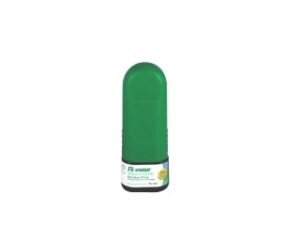
Flonase Nasal Spray (Fluticasone) – Patient Guide (UK)
Flonase Nasal Spray contains fluticasone, a corticosteroid medicine used in the nose to help relieve symptoms of allergic and non-allergic nasal inflammation. This guide explains how it works, when to use it, dosing advice for common situations, and practical tips to get the best results.
Always read the leaflet that comes with your product and follow the advice of a healthcare professional. If you are unsure which formulation is right for you (for example, adult vs. child versions), check the pack label or ask your pharmacist.
Quick overview
| Feature | What you should know |
|---|---|
| Active ingredient | Fluticasone (fluticasone propionate) |
| Medicine type | Nasal corticosteroid (anti-inflammatory) |
| Main benefits | Reduces nasal swelling and inflammation; helps with sneezing, runny nose, blocked nose and nasal irritation |
| How it works | Local anti-inflammatory action in the nasal lining |
| Typical onset | Some improvement may start within 12–24 hours, with best effect after several days of regular use |
| Common timing | Usually once daily (may be twice daily depending on age and product instructions) |
| Use in the UK | Used for allergic rhinitis and other steroid-responsive nasal conditions |
What is Flonase Nasal Spray?
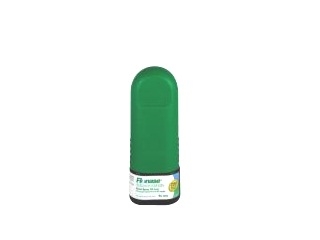
Flonase Nasal Spray is a nasal medicine designed to deliver fluticasone directly to the nasal lining. Because it acts locally to reduce inflammation, it can help relieve symptoms such as:
- Stuffy or blocked nose
- Runny nose
- Sneezing
- Itchy nose and sneezing due to allergies
- Post-nasal drip (inflammation may contribute)
It is commonly used for hay fever (seasonal allergic rhinitis) and can also be used for perennial (year-round) symptoms, depending on guidance and the product you have.
Mechanism of action (how it works)
Fluticasone is a corticosteroid that helps reduce inflammatory processes in the nose.
When sprayed into the nasal passages, it:
- Reduces release of inflammatory substances
- Decreases swelling of the nasal mucosa (lining)
- Helps calm the immune response that causes allergic symptoms
- Improves airflow by reducing congestion due to inflammation
Important: Unlike decongestant sprays that work quickly by shrinking blood vessels, nasal steroids work by controlling inflammation. This means results generally build over days with consistent use.
Pharmacokinetics (absorption, distribution, and breakdown)
Understanding how fluticasone behaves in the body can help explain why it is usually well tolerated when used as directed.
Local action
Most of the benefit comes from local effects in the nose. Only a small amount is expected to be absorbed into the bloodstream after normal use.
Absorption
Fluticasone may be swallowed after nasal spraying (which is common with any nasal spray). Absorption through the gut and nose is limited and the fraction that reaches circulation is relatively low at recommended doses.
Metabolism
If absorbed, fluticasone is primarily metabolised in the liver. Metabolism reduces systemic exposure.
Elimination
Metabolites are removed from the body largely through normal clearance pathways (principally via the bile and/or kidneys).
Practical implication: At typical doses, systemic steroid effects are uncommon, but the risk can increase with higher doses, incorrect use, or certain medicines that affect drug metabolism (see interactions below).
Indications (what Flonase is used for)
Flonase Nasal Spray is used to relieve symptoms of nasal inflammation, including:
- Allergic rhinitis (including seasonal hay fever and year-round symptoms)
- Non-allergic rhinitis that is responsive to intranasal corticosteroids (as advised by a clinician)
- Nasal symptoms linked to inflammation such as congestion, sneezing, and runny nose
It may also be used as part of a treatment plan for people with complex nasal conditions, depending on individual assessment.
Typical use and timing
For the best results, Flonase should be used regularly rather than only when symptoms become severe.
When to expect improvement
- Early changes: some relief may begin within 12–24 hours
- Full effect: best benefit usually takes a few days to a week of consistent use
Starting before allergy season
If you know your allergy is seasonal, starting Flonase before symptoms begin can improve control when pollen counts rise.
Timing within the day
Most people use Flonase at the same time each day to maintain steady control of inflammation. Many regimens involve once daily dosing, but follow the instructions on your specific product pack or pharmacist guidance.
Dosing (how much to use)
Dosing can vary by product formulation and age. Always follow the dosing instructions on your pack or as advised by a healthcare professional.
Common general dosing patterns (typical)
- Adults and older children: often once daily (for example, a set number of sprays per nostril). Some products may instruct an initial higher dose for a limited period.
- Children: doses are usually lower and depend on age and the specific Flonase strength.
Do not exceed the stated dose. If symptoms are not improving after several days of proper use, seek advice rather than increasing the dose.
How to adjust with symptoms
Once symptoms are controlled, some people may be advised to use the lowest effective dose for maintenance. Only adjust dose based on guidance from your healthcare professional or the product instructions.
Food interactions
Fluticasone nasal sprays are primarily intended for local nasal action. Food interactions are not typically expected when used as directed.
However, it is still a good idea to mention any other medicines you take (including herbal remedies and supplements) to your pharmacist, because interactions relate more strongly to drug metabolism than to food.
Alcohol and medicine interactions
Alcohol
There are no well-established direct interactions between fluticasone nasal spray and alcohol. As with any medication, if you experience side effects such as dizziness or irritation, avoid alcohol and seek advice.
Medicine interactions to know
Fluticasone is metabolised by liver enzymes (notably CYP3A4). Medicines that strongly inhibit these pathways may increase fluticasone levels in the body and could theoretically increase risk of steroid-related effects.
Please tell a healthcare professional if you use:
- Strong CYP3A4 inhibitors such as certain antifungals (e.g., ketoconazole, itraconazole) and some HIV medications (protease inhibitors)
- Other corticosteroid products (to avoid unnecessary total steroid exposure)
- Medicines that affect the immune system
If you are taking other steroid medicines (such as steroid tablets, injections, inhalers or additional nasal sprays), ask for personalised guidance on overall dosing and safety.
Safety profile and when to seek advice
Most people tolerate Flonase well when used correctly. Side effects are usually mild and local, such as throat irritation or nasal dryness.
Common side effects
- Nosebleeds (epistaxis), often related to dryness or incorrect technique
- Dryness, irritation or burning sensation in the nose
- Sneezing shortly after spraying
- Unpleasant taste or smell
- Headache or throat irritation from medicine draining backwards
Less common but important cautions
- Severe or persistent nosebleeds
- Worsening nasal pain, ulcers, or signs of infection
- Symptoms of systemic steroid effects are unlikely at normal doses, but seek advice if you are using high doses for a long period or combining multiple steroid treatments
Special caution groups
Speak to a pharmacist or clinician before using if you have:
- Frequent nosebleeds or a history of nasal ulcers
- Recent nasal surgery or nasal injury
- Untreated infections in the nose (the medicine may need temporary review)
- Glaucoma or cataracts (regular review may be recommended if using intranasal steroids long-term at higher doses)
- Children and teenagers, where correct dosing is especially important
Practical use tips (getting the best results)
Correct technique is key for both effectiveness and safety. Follow these steps each time you use Flonase:
- Gently blow your nose to clear mucus.
- Shake the bottle if your product leaflet advises it.
- Choose the correct position: keep your head upright, not tilted back.
- Insert the nozzle into one nostril. Aim slightly outwards (towards the ear), not towards the middle of your nose.
- Press and release as directed to deliver the spray.
- Repeat for the other nostril if your dose requires it.
- Breathe gently through the nose after spraying; avoid sniffing hard.
After use
- Wipe the nozzle with a clean tissue and replace the cap.
- Keep the nozzle clean to prevent clogging and inconsistent dosing.
How to reduce nosebleeds and dryness
- Use the correct aim and avoid spraying towards the centre septum.
- If dryness is an issue, consider asking a pharmacist about moisturising nasal products appropriate for your situation.
- Don’t exceed the recommended dose.
When to stop and seek help
Contact a healthcare professional urgently if you experience heavy bleeding, severe facial pain, signs of infection, or any reaction that concerns you.
Alternative options
If Flonase is not suitable or is not adequately controlling your symptoms, there are other options available. Choice depends on the cause (allergy vs non-allergic inflammation), your symptom pattern, and your medical history.
Other intranasal treatments
- Other nasal corticosteroids (different fluticasone or budesonide products): often similar in effectiveness.
- Antihistamine nasal sprays: may help runny nose and sneezing, especially for breakthrough symptoms.
- Saline rinses or sprays: can soothe the nasal lining and help clear allergens and mucus.
Oral options
- Oral antihistamines (e.g., non-drowsy options): can reduce sneezing and itching.
- Decongestants: may temporarily reduce blockage, but are generally not recommended for long continuous use.
Combination approaches
Some people use a nasal steroid as the foundation and add another medicine for additional symptom relief during peak allergy days. A pharmacist can help you choose a safe combination.
Market and legal context (UK)
In the UK, intranasal corticosteroids are commonly used for rhinitis. Product availability can vary between pharmacies and retailers, depending on current classification and licensing arrangements.
Under UK medicines regulation, products must have marketing authorisation and are supplied in line with established labelling, storage, and safety information. Always use the product according to the leaflet and pack instructions.
Note: Guidance and availability can evolve. If you cannot find a specific product strength or formulation, ask your pharmacist about suitable alternatives.
Recent guidance (general principles)
UK clinical guidance for allergic rhinitis generally emphasises:
- Intranasal corticosteroids are effective for persistent or moderate-to-severe symptoms, particularly nasal blockage.
- Regular use yields better control than stopping and starting.
- Technique matters for effectiveness and to reduce local side effects.
- Review treatment if symptoms do not improve after a reasonable trial (often within 1–2 weeks depending on severity and cause).
If symptoms are severe, unusual, or persist despite correct use, a healthcare professional may check for related conditions (such as sinus disease, nasal polyps, or infection) and adjust treatment accordingly.
Delivery and availability
Online pharmacy availability may depend on stock levels and product strength. When you order, your pharmacy typically dispatches your item using reliable courier services with appropriate packaging.
- Check pack details on the website before purchasing (strength, age group suitability and dosing instructions).
- Store properly at room temperature (away from excessive heat and direct sunlight), as stated on the pack.
- Use within the pack’s expiry date and do not use if the device appears damaged.
For delivery times, tracking and returns policies, refer to the website’s checkout and help pages.
FAQ (Frequently asked questions)
1. How long does Flonase take to work?
Some people notice improvement within 12–24 hours. The best effect is usually seen after a few days to a week of consistent daily use. If you’re not getting relief after about 1–2 weeks of correct use, seek advice.
2. Can I use Flonase with other allergy medicines?
Often, yes. Many people combine a nasal steroid with an oral antihistamine during peak symptoms. However, tell your pharmacist about all medicines you use—especially other steroid medicines and drugs known to affect fluticasone metabolism.
3. Will Flonase stop working if I use it for a long time?
Many people use intranasal corticosteroids seasonally or year-round when needed. Effectiveness usually persists, but you should use the lowest effective dose for control. If you need long-term treatment, discuss ongoing management with a healthcare professional.
4. Is Flonase addictive?
No. It is not a decongestant medicine and does not cause the rebound congestion associated with some nasal decongestant sprays.
5. What should I do if I get nosebleeds?
Mild nosebleeds can happen. Try correct spray technique (aim slightly outwards), avoid forceful sniffing, and do not exceed the dose. If nosebleeds are frequent, heavy, or persistent, speak to a pharmacist or clinician.
6. Can children use Flonase?
Children may use certain strengths depending on age and product instructions. Use only the formulation and dose specified for the child’s age, and follow professional guidance.
7. Can I use Flonase during pregnancy or while breastfeeding?
If you are pregnant, trying to conceive, or breastfeeding, speak to a pharmacist or clinician before use to ensure it is appropriate for your situation and that the benefits outweigh potential risks.
8. What if I miss a dose?
Use it when you remember unless it’s almost time for your next dose. Do not use extra sprays to make up for a missed dose.
9. How should I clean the nasal nozzle?
Follow the leaflet instructions. Usually, the nozzle can be wiped and kept clean with a tissue and warm water rinse if recommended. Avoid pushing objects into the nozzle that could block or damage it.
10. Is it safe to blow my nose after using Flonase?
It’s best to avoid blowing your nose immediately after spraying. Wait a short time and then gently clear if necessary, following the leaflet advice.
Summary
Flonase Nasal Spray (fluticasone) is an intranasal corticosteroid that reduces inflammation in the nasal passages, helping relieve symptoms such as congestion, sneezing and runny nose. For best results, use it regularly and correctly with consistent daily timing. Most side effects are mild and local, and serious problems are uncommon when used as directed. If symptoms do not improve or you experience troubling side effects, seek advice from a pharmacist or clinician.