
Fosamax (Alendronate) — Patient Information (UK)
Fosamax contains alendronate, a medicine used to help strengthen bones and reduce the risk of fractures in people with osteoporosis and some other bone conditions. This guide is written in a clear, patient-friendly way to help you understand how the medicine works, how to take it correctly, and what to watch for.
In the UK, Fosamax and other brands containing alendronate are widely available through community pharmacies. Your exact dose and duration depend on your diagnosis and individual risk factors.
1. Basic product information
| Feature | Details |
|---|---|
| Active ingredient | Alendronate (a bisphosphonate) |
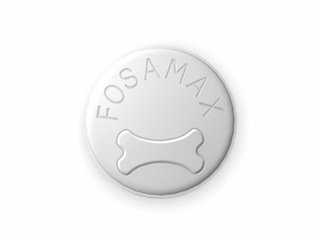
| Common strengths | Typically available as 10 mg tablets daily and 70 mg tablets weekly (strength may vary by product) |
| How it’s taken | By mouth, with strict timing to protect the stomach and improve absorption |
| Key benefit | Reduces the risk of fractures by slowing bone breakdown |
| Typical duration | Long-term use is often needed; your clinician will review whether to continue |
2. How Fosamax works (mechanism of action)
Bone is living tissue that constantly remodels itself. In osteoporosis, bone breakdown can exceed bone rebuilding, leading to weaker bones and a higher risk of fractures.
Alendronate is a bisphosphonate. It targets bone by binding to areas undergoing active breakdown. It then helps reduce the activity of osteoclasts (cells that break down bone). The result is:
- Slower bone loss
- Better bone mineral density over time
- Reduced risk of fractures, particularly at the hip and spine
3. Pharmacokinetics (what the body does to the medicine)
Understanding absorption and how the medicine is handled by the body can help you take it correctly.
- Absorption: Alendronate is absorbed poorly if taken with food, drinks (other than plain water), or supplements such as calcium. Correct timing is therefore crucial.
- Distribution: After absorption, much of the medicine binds to bone. It can remain in bone for extended periods.
- Metabolism: Alendronate is not significantly metabolised in the liver.
- Elimination: It is mainly removed from the body through the kidneys (urine). Reduced kidney function may affect suitability, depending on severity.
4. Typical use in the UK
Fosamax is commonly used for osteoporosis, including in:
- Postmenopausal women with osteoporosis (to reduce risk of fractures)
- Men with osteoporosis
- Glucocorticoid-induced osteoporosis (where medicines such as prednisolone have weakened bones)
It may also be prescribed in situations related to high fracture risk or where bone density results and clinical risk factors suggest treatment is beneficial.
5. Timing and how to take Fosamax correctly
Fosamax must be taken in a specific way to reduce the risk of stomach/esophagus irritation and to improve absorption. Many of the important precautions below are directly related to timing.
For once-daily dosing
- Take Fosamax first thing in the morning, as soon as you wake up.
- Take it on an empty stomach with a full glass of plain water. (Use only water—avoid tea, coffee, juice, milk, or mineral water.)
- Swallow the tablet whole (unless your product instructions say otherwise).
- Do not lie down for at least 30 minutes after taking it.
- Wait at least 30 minutes before eating or drinking anything other than water.
For once-weekly dosing
- Choose a day of the week and take your tablet on that same day each week.
- Take it first thing in the morning on an empty stomach with a full glass of plain water.
- Do not lie down for at least 30 minutes afterwards.
- Wait at least 30 minutes before eating or drinking anything else.
Important practical note: If you forget a dose, follow the specific instructions provided for your product. In general, once-weekly dosing can have different “missed dose” rules than once-daily dosing. If you are unsure, ask your pharmacist for advice based on your tablet strength and schedule.
6. Food interactions (and why plain water matters)
Alendronate absorption is significantly reduced by food and many drinks and minerals. The most important interactions include:
- Calcium supplements and fortified foods may interfere with absorption. These should generally be taken at a different time of day (your clinician or pharmacist may give a schedule).
- Antacids (for indigestion/heartburn) can reduce absorption if taken too close to your dose.
- Iron supplements, multivitamins, and other mineral supplements may also interfere.
- Coffee and tea can reduce absorption—avoid them in the period right after your dose.
A key principle is: take Fosamax, then wait before having any food, drinks, or supplements (except plain water).
7. Alcohol and medicine interactions
Alcohol: Moderate alcohol use is not usually listed as a direct interaction with alendronate. However, heavy alcohol intake can contribute to bone weakness and may increase fracture risk overall. If you drink regularly, discuss it with your healthcare team.
Common medicine interactions: Some medicines may affect absorption, stomach lining, or kidney function. Let your pharmacist know about all medicines and supplements you take, including over-the-counter products.
- Calcium, vitamin D, iron, and magnesium supplements: may reduce absorption if taken too close—separate dosing times.
- NSAIDs (e.g., ibuprofen, naproxen, diclofenac): may increase gastrointestinal irritation. Both NSAIDs and bisphosphonates can be harsh on the stomach/ oesophagus, so caution is sensible.
- Other bone-active medicines: Do not combine bisphosphonates without clinical advice. Your clinician may consider alternative treatments rather than overlapping therapies.
- Corticosteroids (e.g., prednisolone): not an interaction in the usual sense, but they are a common cause of bone thinning; your treatment plan may incorporate calcium and vitamin D.
- Medicines affecting the oesophagus: If you have reflux or swallowing problems, discuss any new medicines that worsen indigestion.
- Medicines cleared by the kidneys: alendronate is mainly eliminated by the kidneys. In more significant kidney impairment, suitability may change.
8. Indications (what Fosamax is used for)
In the UK, alendronate is used to treat bone conditions, most notably:
- Osteoporosis in postmenopausal women (to reduce risk of vertebral and hip fractures)
- Osteoporosis in men (to reduce risk of fractures)
- Glucocorticoid-induced osteoporosis in adults at risk of fractures (especially where long-term steroid therapy is expected)
Indications can vary by product and whether your dose is daily or weekly. Always follow the plan discussed with your clinician.
9. Dosing (common schedules)
Dosage depends on the reason for treatment, your risk profile, and your kidney function. Common dosing regimens include:
| Situation | Typical Fosamax regimen | Notes |
|---|---|---|
| Osteoporosis treatment | 10 mg once daily or 70 mg once weekly | Choose the regimen prescribed for you and keep the timing rules. |
| Glucocorticoid-induced osteoporosis | Often 5 mg once daily or other regimen depending on product/plan | Some patients require calcium/vitamin D; confirm with your prescriber/pharmacist. |
| Maintenance/long-term therapy | Continue as advised, with periodic review | Some people are reassessed after years of treatment to decide whether to continue. |
Do not change your dose or stop early without advice. If you miss a tablet, seek guidance from your pharmacist—missed-dose recommendations depend on whether you take daily or weekly dosing.
10. Safety profile and side effects
Like all medicines, Fosamax can cause side effects. Many people tolerate it well when taken correctly with the required timing and posture. Below are common and important potential effects.
Common side effects
- Stomach upset, heartburn, indigestion, or nausea
- Abdominal pain
- Headache (less common than digestive effects)
- Muscle, joint, or bone aches
Serious but less common risks (seek medical advice urgently if needed)
- Oesophageal irritation or ulceration: stop the medicine and seek urgent medical attention if you develop painful swallowing, difficulty swallowing, or new/worsening severe chest pain.
- Severe allergic reactions (rare): seek emergency help if you have swelling of the face/lips, breathing difficulties, or widespread rash.
- Low blood calcium (hypocalcaemia), especially if you already have low vitamin D or calcium: symptoms may include muscle cramps or tingling around the mouth/fingers. Medical assessment may be needed.
- Osteonecrosis of the jaw (rare): risk is higher with invasive dental procedures, poor oral hygiene, cancer treatment, and other factors. Tell your dentist you take a bisphosphonate before procedures.
- Atypical femoral fractures (rare): may present with persistent thigh, hip, or groin pain. Report such pain promptly.
Who should take extra care?
- People with a history of oesophageal disorders or difficulty swallowing
- People with significant kidney impairment (suitability depends on level)
- People with low vitamin D or calcium intake
- People planning major dental work (especially if invasive surgery is expected)
11. Practical use tips (to improve success and reduce irritation)
- Stick to the posture rule: remain upright (sitting or standing) for at least 30 minutes after swallowing.
- Use only plain water: avoid taking with coffee, tea, milk, juice, or mineral water.
- Don’t “double up”: if you miss a dose, ask your pharmacist for advice rather than taking extra.
- Manage reflux carefully: if you have frequent heartburn, discuss with your clinician before continuing.
- Stay on track with calcium and vitamin D: many people require supplementation to support bone health, but timing should be separated from Fosamax.
- Keep dental hygiene excellent: regular brushing, flossing, and routine check-ups can reduce jaw risks.
- Report unusual symptoms promptly: pain when swallowing, persistent thigh/hip discomfort, or dental problems should not be ignored.
12. When Fosamax may not be suitable
Fosamax may not be appropriate for some people. Situations to discuss with your pharmacist or clinician include:
- Known allergy to alendronate or other bisphosphonates
- Low calcium or untreated mineral deficiencies
- Inability to follow instructions (for example, if you cannot stay upright for at least 30 minutes)
- Significant kidney impairment
- Current major dental disease or need for invasive dental surgery (before starting or during therapy)
13. Alternative options for osteoporosis treatment
If Fosamax is not suitable or is not tolerated, there are several alternatives used in the UK depending on your diagnosis and fracture risk. Your clinician can advise which is best for you.
Other bisphosphonates
- Risedronate (daily or weekly options)
- Ibandronate (monthly oral or other regimens)
- Zoledronic acid (intravenous infusion, typically annual or based on regimen)
Other classes
- Denosumab (injection given at intervals)
- Teriparatide and related options (bone-building therapies in selected cases)
- Hormone therapies or other treatments in specific circumstances
Choice of therapy can depend on your fracture history, age, kidney function, stomach tolerance, and preferences regarding tablet versus injection.
14. UK market and legal context (overview)
In the UK, medicines containing alendronate such as Fosamax are regulated by the Medicines and Healthcare products Regulatory Agency (MHRA). Medicines are supplied in line with UK pharmaceutical regulations and require appropriate information for safe use.
Guidance for osteoporosis care is informed by national clinical recommendations, including:
- Assessment of fracture risk using tools such as FRAX® where relevant
- Ensuring adequate calcium and vitamin D
- Reviewing long-term bisphosphonate therapy and considering “drug holidays” in selected patients
15. Recent guidance and monitoring (what patients commonly need to know)
Osteoporosis treatment strategies in the UK focus on risk-based care and ongoing review. Common themes in recent clinical practice include:
- Confirming calcium/vitamin D adequacy before starting or continuing therapy
- Reassessing fracture risk over time (for example, after several years of bisphosphonate therapy)
- Monitoring for rare adverse effects and encouraging prompt reporting of symptoms such as swallowing difficulties or persistent thigh pain
- Dental care coordination to reduce risk of jaw-related complications, especially before invasive treatment
Your pharmacist may also advise on how to manage missed doses, timing with supplements, and what to do if you develop reflux or stomach pain.
16. Delivery, availability, and ordering in the UK
Fosamax (alendronate) is commonly stocked by pharmacies and may be available in different tablet strengths and dosing schedules (daily or weekly). Availability can vary by strength and formulation.
Online pharmacies in the UK typically offer:
- Home delivery (standard or faster options depending on the provider)
- Secure packaging to protect tablets and maintain label readability
- Clear instructions included with your dispensed medicine
Delivery times can vary depending on local courier schedules and stock levels. If a specific strength is temporarily unavailable, your pharmacy may offer an alternative product containing alendronate (based on prescribing and supply regulations).
17. Interactions checklist (quick reference)
Before taking your dose, consider the following:
- Have you taken it on an empty stomach with plain water only?
- Have you avoided eating for at least 30 minutes afterwards?
- Are you separating calcium/iron/magnesium supplements from your dose?
- Do you take antacids or NSAIDs—when do you take them relative to Fosamax?
- Do you have kidney issues or a history of oesophageal problems?
18. FAQ
How long does it take for Fosamax to work?
Many people benefit gradually. Bone density improvements typically occur over months, while fracture risk reduction depends on longer-term treatment. Continue as advised and have periodic reviews.
What should I do if I miss a dose?
Missed-dose instructions depend on whether you take Fosamax daily or weekly. Check the patient information leaflet for your exact product or ask your pharmacist for guidance.
Can I take Fosamax with tea or coffee?
No. Fosamax should be taken with plain water only to avoid reduced absorption. Avoid tea/coffee around the time you take your tablet.
Can I lie down after taking it?
You should not lie down for at least 30 minutes after taking Fosamax. Staying upright helps reduce the risk of oesophageal irritation.
Do I need calcium and vitamin D?
Many people benefit from adequate intake of calcium and vitamin D to support bone health. Your clinician or pharmacist may recommend supplements, but timing should be separated from your Fosamax dose.
Is Fosamax safe to take if I have reflux or heartburn?
Some people with reflux do take bisphosphonates, but the risk of oesophageal irritation may be higher. Discuss symptoms with your healthcare team, and take Fosamax exactly as directed regarding empty stomach and posture.
What dental precautions should I take?
Maintain good oral hygiene and have regular dental check-ups. Tell your dentist that you take a bisphosphonate before any invasive procedure. If you experience jaw pain, swelling, or delayed healing, seek dental/medical advice promptly.
Can I drink alcohol while taking Fosamax?
Moderate alcohol intake is not usually considered a direct interaction. However, heavy alcohol use may weaken bones. If you have concerns about your alcohol intake, discuss it with your clinician.
What side effects mean I should stop and get urgent help?
Seek urgent medical advice if you develop painful or difficult swallowing, severe chest pain, or signs of an allergic reaction (such as facial swelling or breathing difficulty).
Are there alternatives if I can’t tolerate Fosamax?
Yes. Alternatives include other bisphosphonates or treatments from different drug classes, depending on your fracture risk, kidney function, and tolerance. Your clinician can help decide the best option.
19. Summary
Fosamax (alendronate) helps strengthen bones by slowing down bone breakdown. Taking it correctly—on an empty stomach with plain water, remaining upright, and waiting before eating—is essential for safe and effective treatment. If you experience swallowing problems, persistent chest pain, or unusual symptoms such as thigh/hip pain or jaw issues, seek prompt advice.
For personalised advice on dosing, missed doses, supplement timing, and suitability based on your health history, speak to your pharmacist or clinician.