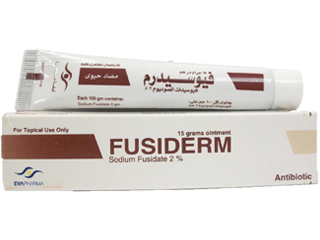
Fusiderm B (Betamethasone & Fusidic Acid) – Patient Guide (UK)
Fusiderm B is a combination medicine used for certain skin infections where inflammation is also present. It contains: fusidic acid (an antibiotic) and betamethasone (a corticosteroid that helps reduce inflammation and itching).
This guide is designed to be patient-friendly and to explain how Fusiderm B works, what it’s used for, how it’s typically taken/applied, and important safety information for people in the United Kingdom.
Basic product information
- Brand name: Fusiderm B
- Active ingredients: Betamethasone + Fusidic Acid
- What it’s for: Skin conditions where a bacterial infection and inflammation occur together
- Common form: Typically supplied as a topical cream/ointment depending on pack format
- Available in the UK: Availability may vary by strength/pack and local supply
Always check your specific pack for the exact strength and formulation.
How Fusiderm B works (mechanism of action)
Fusiderm B combines two complementary actions:
- Fusidic acid (antibiotic): Fusidic acid works against susceptible bacteria, most commonly by interfering with bacterial protein formation. This helps clear the infection.
- Betamethasone (corticosteroid): Betamethasone reduces inflammation. It can also lower redness, swelling, itching, and discomfort associated with inflammatory skin reactions.
By tackling both the infection and the inflammation, Fusiderm B can improve symptoms more quickly than an antibiotic or anti-inflammatory alone in appropriate skin conditions.
Pharmacokinetics (what happens in the body)
Because Fusiderm B is applied to the skin, most information focuses on topical absorption and how much medicine may enter the bloodstream.
- Absorption: Betamethasone and fusidic acid are absorbed through skin to a degree that depends on the condition of the skin (for example, whether it is inflamed, broken, or covered).
- Effect of skin changes: Absorption can be higher on inflamed or damaged skin, and even more if used under occlusion (coverings that trap heat/moisture) or on larger areas.
- Distribution & elimination: Any absorbed betamethasone may be metabolised by the liver and eliminated through the body’s natural processes (kidneys and bile). Fusidic acid, if absorbed, is also processed by the body and cleared over time.
In typical short-term, correctly used topical treatment, systemic absorption is usually limited. However, corticosteroids can still cause effects, especially with prolonged use or high-coverage application.
Typical uses in the UK
Fusiderm B is used for skin infections that involve inflammation. It’s intended for cases where a clinician has judged that:
- a bacterial infection is present or suspected, and
- there is significant redness, swelling, itching, or inflammation that would benefit from steroid treatment.
The exact suitability depends on the underlying cause. It is not appropriate for all rashes or viral/fungal conditions.
Indications (important “not for…”)
- May be used for: certain localised, bacterial skin infections with marked inflammation.
- Not for: conditions caused by viruses (e.g., cold sores, shingles), fungal infections (e.g., ringworm, athlete’s foot), or other non-bacterial rashes unless a clinician specifically advises.
If you are unsure, check with a pharmacist or clinician—using a steroid-containing product on the wrong condition can sometimes make it worse.
When to apply it (timing and routine)
Typical topical schedules aim to keep a consistent amount on the affected area. Your exact dosing instructions should follow the directions on your pack and/or clinician advice.
- General timing: Usually applied once or twice daily depending on the formulation and severity.
- Consistency: Apply at around the same times each day.
- Course length: Short courses are generally preferred with potent steroids. If there is no improvement within the expected time (often within a few days), seek medical/pharmacy advice rather than continuing indefinitely.
Practical tip: Applying after gently washing and carefully drying the area can help reduce stinging and improve comfort. Wait until the skin is dry before applying.
Dosing and how to use Fusiderm B correctly
Dosing for topical medicines depends on the area involved and the product strength. Below is patient-friendly guidance; always follow the specific directions provided with your product.
Typical dose (amount)
- Apply a thin layer to the affected skin.
- Wash your hands before and after application (unless treating your hands).
- Do not apply to large areas unless instructed.
How to apply (step-by-step)
- Clean: Gently wash the area with mild soap and water, then pat dry.
- Apply: Squeeze a small amount and spread evenly over the affected area.
- Do not overuse: More is not always better—using a thin layer helps reduce side effects.
- Avoid occlusion: Unless specifically instructed, avoid covering with tight bandages or waterproof dressings.
- Hand hygiene: Wash hands after use to avoid accidental contact with eyes or mouth.
Duration
- Use for the shortest time that controls symptoms as advised.
- If symptoms worsen, spread, or fail to improve, stop and get advice promptly.
Food interactions
Fusiderm B is a topical product. As a result, food interactions are not expected because only limited amounts are typically absorbed through the skin.
However, if you are using other medicines with systemic effects, it’s still a good idea to review your overall regimen with a pharmacist.
Alcohol and medicine interactions
Alcohol
There is no known direct interaction between Fusiderm B and alcohol because absorption is usually limited. However, if you experience skin irritation or feel unwell, avoid alcohol and seek advice.
Interactions with other medicines
Specific drug–drug interactions are unlikely for most topical use, but consider the following:
- Other topical products: Avoid applying multiple creams to the same area unless advised. Mixing can increase irritation or change absorption.
- Other corticosteroids: Using steroid-containing products elsewhere at the same time may increase total steroid exposure.
- Antibiotic resistance concerns: Overuse or prolonged use can contribute to antibiotic resistance. Follow the recommended course length.
If you are using other medicines on your skin (e.g., moisturisers, emollients, antiseptics), leave a short gap between products unless your pharmacist advises otherwise.
Safety profile: side effects and precautions
Fusiderm B contains a potent steroid component, so it needs careful use. Most side effects are local to the application site.
Common side effects
- Burning, stinging, or irritation at the treated site
- Redness
- Dryness or peeling
- Itching
- Rash or worsening of local symptoms
Less common but more serious side effects
Seek urgent medical attention if you experience severe reactions such as swelling of the face/lips, difficulty breathing, or widespread rash.
- Allergic reactions: Signs may include worsening rash, hives, or swelling.
- Skin changes with prolonged use: Steroids can cause thinning of skin (atrophy), stretch marks (striae), visible blood vessels, or increased fragility—particularly with extended use or on thin skin areas.
- Infection flare or misdiagnosis: If the rash is not bacterial or the infection is not the primary problem, the steroid may mask or worsen it.
- Systemic steroid effects (rare with short courses): High absorption or long duration can potentially affect the body’s steroid balance (especially in children or with large-area use).
Who should take extra care
- Children: Greater sensitivity to steroid absorption. Use only under appropriate guidance.
- Pregnancy and breastfeeding: Topical use may be possible in some cases, but discuss risk/benefit with a pharmacist or clinician. Avoid applying to large areas or for long periods.
- People with extensive skin disease: Larger application areas increase absorption.
- Face, groin, armpits, and skin folds: Skin is thinner in these areas—higher risk of steroid-related side effects. Use carefully.
- Underlying fungal or viral infection: Steroids can make these worse unless treated appropriately.
When to stop and seek advice
- No improvement within the timeframe you were given
- Symptoms worsen or spread
- New pustules/ulcers appear
- You develop fever or feel unwell
- Signs of allergy occur
Practical use tips for best results
- Don’t share: Do not share creams with others.
- Keep it thin: A thin layer is usually enough.
- Covering: Avoid tight dressings or occlusion unless advised. Occlusion can increase steroid absorption.
- Avoid eyes and mouth: Do not apply near eyes, inside the nose, or on mucous membranes.
- Consider hygiene: Wash hands before and after. This helps prevent spreading infection.
- Monitor the rash: If you see rapid spreading, blistering, or significant pain, seek advice promptly.
If you develop irritation from the cream itself, stop and speak to a pharmacist. It may be appropriate to switch to another treatment strategy.
Alternative options (what else may be used)
The best alternative depends on the cause of the rash and the severity. Options may include:
- Antibiotic-only topical treatments: If inflammation is mild or absent.
- Non-steroid anti-inflammatory treatments: For some inflammatory conditions where steroids may not be ideal.
- Antifungal treatments: If the condition is fungal (for example, athlete’s foot or ringworm).
- Antiviral treatments: If viral infection is suspected.
- Soothing emollients and barrier creams: For dry, irritated skin where infection is not the main issue.
A pharmacist can help you understand what symptoms suggest bacterial infection versus fungal or viral causes, and which treatments are commonly used in the UK.
Market and legal context in the United Kingdom
In the UK, topical medicines are regulated by the Medicines and Healthcare products Regulatory Agency (MHRA) and are supplied through pharmacies and healthcare services according to their classification and licence conditions. Medicines containing potent corticosteroids are subject to specific prescribing and supply rules in many circumstances.
- Regulatory framework: Products are authorised based on quality, safety, and efficacy data.
- Pharmacy supply practices: Many medicines that include potent steroid components may require patient assessment to confirm suitability.
- Antibiotic stewardship: The UK supports prudent antibiotic use to reduce resistance; unnecessary or prolonged topical antibiotic use is discouraged.
For online pharmacy supply, verification of patient eligibility, symptom checking, and appropriate guidance may be required in line with UK regulatory and commissioning standards.
Recent guidance and stewardship notes (UK)
In recent years, UK guidance has increasingly emphasised:
- Correct diagnosis: Ensuring that a rash is bacterial before using an antibiotic-containing product.
- Short courses: Using antibiotics and potent topical steroids for limited durations where appropriate.
- Resistance prevention: Avoiding unnecessary antibiotic exposure and preventing misuse that can encourage resistant bacteria.
- Review if not improving: Reassessment if symptoms do not improve promptly.
If you do not see improvement after a brief period, getting the diagnosis reviewed is important.
Delivery and availability (UK online pharmacy)
Availability of Fusiderm B can vary by pack size and formulation. If an item is temporarily unavailable, some online pharmacies offer an alternative product with the same active ingredients or guidance on next steps.
Typical delivery expectations
- Dispatch: Many UK pharmacies dispatch within 1 working day where stock is available.
- Delivery options: Standard and tracked delivery are commonly offered.
- Cold chain: Topical creams generally do not require special temperature-controlled transport.
- Address details: Ensure the delivery address is correct to avoid delays.
If your order is urgent (for example, if the skin is rapidly worsening), check the pharmacy’s delivery information before ordering and contact support if needed.
FAQ – Frequently asked questions
1) What is Fusiderm B used for?
Fusiderm B is used on the skin for certain bacterial skin infections where inflammation is also present (redness, swelling, itch, and discomfort). It should not be used for all rashes.
2) How many times a day should I apply it?
This depends on the product strength and your clinician/pharmacy instructions. Many regimens involve applying a thin layer once or twice daily. Follow your pack directions.
3) How long can I use Fusiderm B?
Use for the shortest time needed to control symptoms, as advised. If there is no improvement within a few days, seek advice rather than continuing.
4) Can I apply it on my face or groin?
These areas are sensitive and more prone to steroid side effects. If it’s intended for use there, apply carefully and for a limited time under appropriate guidance.
5) What if I accidentally miss a dose?
Apply it when you remember unless it’s almost time for the next application. Do not apply extra amounts to make up for a missed dose.
6) Can I use moisturisers or other creams at the same time?
Usually you can, but avoid mixing directly on the same spot unless advised. Consider applying Fusiderm B first and waiting before applying emollients.
7) Will Fusiderm B stain clothes?
Some topical creams can leave residue. If you notice staining, allow it to absorb before dressing, and consider using breathable clothing.
8) Is Fusiderm B safe to use during pregnancy or while breastfeeding?
Topical medicines may be used in pregnancy/breastfeeding in some cases, but risk depends on the area, duration, and whether the skin is broken. Discuss with a pharmacist or clinician, and avoid large-area or long-term use.
9) What should I do if the rash gets worse?
Stop using the product and seek advice promptly. Worsening may indicate the diagnosis is different than expected, the infection is spreading, or you are reacting to the product.
10) Can I drink alcohol while using it?
Alcohol isn’t expected to interact with a topical cream. Still, if you feel unwell or the skin reacts, avoid alcohol and seek advice.
Summary
Fusiderm B (betamethasone + fusidic acid) is a combination topical medicine used for certain bacterial skin infections with significant inflammation. It works by combining an antibiotic effect (fusidic acid) with anti-inflammatory activity (betamethasone). Because it contains a corticosteroid, careful, short-term use and close attention to response are important.
If you have concerns about whether your skin condition is suitable for this treatment, or if symptoms do not improve, speak to a pharmacist for guidance.