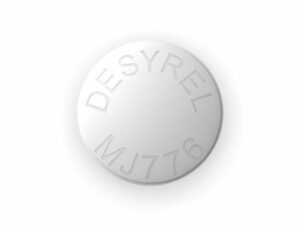


Imipramine (Tricyclic Antidepressant) — Patient Guide (UK)
Imipramine is a medicine used mainly to treat certain mental health conditions, and in some circumstances to help with particular physical symptoms associated with the bladder. This guide explains what imipramine is, how it works, how the body processes it, how it’s typically taken, and what to watch for to use it more safely and comfortably.
Important: This information is for general education. Your prescriber and pharmacist can tailor advice to your situation, including dose changes and monitoring.
Quick product information
| Category | Details |
|---|---|
| Generic name | Imipramine |
| Medicine type | Tricyclic antidepressant (TCA) |
| Common forms | Tablets/capsules (strength varies by brand and supplier) |
| Who it’s for | Adults (and sometimes children/adolescents for specific uses under close supervision) |
| Typical targets | Depression; certain conditions of bladder control (e.g., nocturnal enuresis in selected cases) |
| Onset of benefit | Often weeks for mood effects; bladder-related effects can start sooner in some people |
What is imipramine?
Imipramine belongs to the group of medicines called tricyclic antidepressants. Although the name includes “antidepressant,” imipramine may also be used for other symptoms, particularly in selected patients for bladder-related issues such as bedwetting (nocturnal enuresis) when other approaches are not sufficient.
Imipramine can help improve mood, reduce anxiety symptoms that come with depression, and in some people support more stable sleep patterns. Because it affects multiple systems in the body, it also has a wider range of possible side effects than some newer antidepressants.
How imipramine works (mechanism of action)
Imipramine works mainly by influencing brain chemicals (neurotransmitters). Key actions include:
- Increased availability of serotonin and noradrenaline: It helps reduce the reuptake of these neurotransmitters in nerve synapses, which can improve communication between brain cells involved in mood regulation.
- Effects on other receptors: Imipramine also interacts with receptors involved in alertness, sleep, and pain modulation.
- Possible effect on bladder control: The way it affects nerve signalling and muscle activity can help reduce involuntary nighttime bladder emptying in some children/adolescents under appropriate supervision.
The exact way these actions translate into symptom relief varies between people, and it usually takes time for mood benefits to develop.
Pharmacokinetics: how the body handles imipramine
Pharmacokinetics describes how a medicine is absorbed, distributed, metabolised, and eliminated. Understanding this can help explain timing, onset, and why certain interactions matter.
- Absorption: Imipramine is taken by mouth and is absorbed through the gastrointestinal tract.
- Distribution: It spreads throughout the body, including the brain, because it is biologically active at those sites.
- Metabolism: The liver metabolises imipramine into other compounds. This metabolism can be affected by other medicines that alter liver enzyme activity.
- Elimination: The medicine and its metabolites leave the body primarily through urine and/or faeces.
- Half-life (general concept): Imipramine is not cleared instantly; therefore dosing schedules matter. Some people may feel side effects earlier than the mood benefits, because the medicine reaches effective blood levels before symptom improvement.
If you have liver disease, take multiple interacting medicines, or notice persistent side effects, your clinician may adjust dosing and monitoring accordingly.
Typical uses in the UK
In the UK, imipramine is used for:
- Depression: Especially in people who may benefit from tricyclic antidepressants or when other treatments have not been as effective.
- Nocturnal enuresis (bedwetting): In selected patients (commonly older children/adolescents) under specialist guidance. Treatment is typically combined with appropriate behavioural strategies.
Your exact indication determines dosing and safety monitoring. For example, bladder-related use may focus on nighttime control, whereas depression treatment focuses on longer-term symptom improvement and relapse prevention.
When does imipramine work? (timing)
Timing can vary by person and by what it’s being used for.
- Depression: Some people notice changes in sleep, appetite, or anxiety within the first 1–2 weeks, but full antidepressant benefit often takes several weeks.
- Nocturnal enuresis: Improvements may start sooner in some patients, but response should still be assessed over a reasonable treatment period.
If you feel worse at the start, feel unusually agitated, or have thoughts of self-harm, seek urgent medical advice promptly. Early monitoring is especially important when starting antidepressant-type medicines.
How to take imipramine (practical dosing guidance)
Dosing depends on the condition being treated, age, and individual tolerability. Your clinician will specify the dose and whether it’s taken once daily or divided across the day. Below is patient-friendly information on typical patterns.
For depression (general pattern)
- Starting dose: Often low at first to reduce side effects.
- Titration: Dose may gradually increase based on response and tolerance.
- Target dose: Varies widely between individuals.
- When to take: Many people take imipramine in the evening because of possible drowsiness, though some schedules may be split (morning/evening) depending on side effects and symptom pattern.
For nocturnal enuresis (general pattern)
- Usually nighttime-focused: Often administered in the evening or shortly before bedtime.
- Time-limited approach: Clinicians typically review ongoing need and effectiveness regularly.
- Combination with lifestyle strategies: Advice on fluids, toileting routines, and monitoring is usually important alongside medication.
How to swallow and what to do if you miss a dose
- Swallow whole with water unless your pharmacist advises otherwise.
- If you miss a dose: Take it when you remember unless it’s near your next dose. Avoid doubling up. If you’re unsure, check with your pharmacist or follow the advice provided with your medicine.
- Do not stop suddenly: Stopping abruptly can worsen symptoms and may trigger withdrawal-like effects. Your clinician will advise how to reduce gradually if treatment needs to end.
Food interactions: can you take imipramine with meals?
Food can influence how quickly a medicine is absorbed, but imipramine is generally not restricted to “empty stomach only.” In practice:
- You can usually take imipramine with or without food.
- If food helps reduce stomach upset or nausea, taking it after a meal may improve comfort.
- Try to take doses at similar times each day to maintain steady effects.
If you notice persistent nausea, constipation, dizziness, or sleep disturbance, speak with your pharmacist or prescriber. Dose timing or supportive measures may help.
Alcohol and medicine interactions
Alcohol
It is generally recommended to avoid or minimise alcohol while taking imipramine. Alcohol can:
- Increase drowsiness and impair reaction time.
- Worsen dizziness and increase risk of falls.
- Potentially increase strain on the liver.
If you do drink, discuss safe limits with your clinician. Do not use alcohol to “manage” side effects such as anxiety or insomnia.
Common medicine interaction themes
Imipramine can interact with other medicines, especially those that affect mood, heart rhythm, sedation, and liver metabolism. Important interaction categories include:
- Other antidepressants (including MAO inhibitors and some combinations): may increase risk of serious side effects.
- Medicines that affect serotonin (e.g., certain migraine and mood medicines): combining can increase serotonin-related risk.
- Medicines affecting heart rhythm: imipramine can influence electrical activity in the heart in some people, so combining with other QT-prolonging medicines requires extra caution.
- Sedatives and sleeping tablets (e.g., benzodiazepines, strong antihistamines, opioids): can intensify drowsiness and breathing suppression in vulnerable people.
- Medicines that inhibit liver enzymes: may raise imipramine levels, increasing side effects.
- Medicines that induce liver enzymes: may reduce effectiveness by lowering levels.
- Stimulants and thyroid medicines: may increase side effects such as palpitations or nervousness in some people.
Always tell your pharmacist about all medicines you use, including over-the-counter remedies, herbal products, and supplements.
Indications and who might be suitable
Imipramine may be considered when:
- Depression is present and a tricyclic antidepressant is considered appropriate based on your medical history.
- Nocturnal enuresis is diagnosed and other measures (behavioural strategies, assessment for underlying causes) are in place.
- A clinician judges the benefit outweighs the risks, particularly regarding heart rhythm and interaction potential.
Suitability depends on factors such as age, heart health, liver function, other medicines, and personal history of side effects.
Safety profile: key risks and side effects
Like all medicines, imipramine can cause side effects. Some are common and manageable; others are rare but serious. This section focuses on safety awareness for everyday use.
Common side effects
- Drowsiness or fatigue
- Dizziness (especially when standing up quickly)
- Dry mouth
- Constipation
- Nausea
- Blurred vision
- Increased sweating
- Weight changes in some people
Sexual side effects
- Reduced libido and/or difficulty reaching orgasm may occur, similar to some other antidepressant medicines.
Sleep-related effects
- Some people experience improved sleep; others may feel more alert or experience vivid dreams.
Serious warnings: seek urgent help if
- Signs of an allergic reaction: swelling of the face/lips, rash with difficulty breathing, or sudden severe itching.
- Chest pain, fainting, severe palpitations, or an irregular heartbeat.
- Severe dizziness or collapse, especially after starting or increasing dose.
- Uncontrolled muscle stiffness, fever, confusion or extreme agitation (possible serious reactions).
- Worsening depression or thoughts of self-harm, particularly during early treatment or after dose changes.
If you’re unsure whether symptoms could be serious, it’s safer to contact NHS 111 or your local urgent care service for advice. For life-threatening symptoms, call 999 immediately.
Practical use tips (to improve comfort and adherence)
- Start low and go slowly: Side effects often reduce when dose is increased gradually.
- Take note of timing: If drowsiness occurs, evening dosing is often helpful (follow your prescriber’s instructions).
- Hydrate and manage constipation: Drink fluids as advised and consider dietary fibre. If constipation becomes troublesome, ask a pharmacist for options that are safe with imipramine.
- Stand up carefully: Dizziness from blood pressure changes can happen. Take your time when rising from bed or a chair.
- Protect against dry mouth: Sugar-free sweets, frequent sips of water, and good oral hygiene can help.
- Track mood and sleep: A simple diary can help you see whether the medicine is helping and whether side effects are improving.
- Driving and machinery: Avoid driving or operating machinery until you know how imipramine affects you. Drowsiness can impair reaction time.
Alternative options (what else might be used)
Treatment choice depends on the condition being treated, your medical history, and previous response to medicines or psychological therapies. Alternatives for depression may include other antidepressant classes or talking therapies.
For depression
- SSRIs (e.g., sertraline, citalopram, fluoxetine)
- SNRIs (e.g., venlafaxine, duloxetine)
- Other antidepressants depending on suitability (e.g., mirtazapine)
- Psychological therapies such as CBT (where appropriate)
For nocturnal enuresis
- Behavioural measures (bedtime routine, scheduled toileting, fluid management)
- Desmopressin in selected patients
- Referral and assessment for underlying causes when bedwetting persists
Your clinician can explain why imipramine is chosen over alternatives and what to do if it doesn’t work well.
UK market and legal context (overview)
Imipramine is an established medicine within the UK healthcare system. In the UK, many antidepressant medicines are classed as prescription-only medicines. Availability, prescribing rules, and monitoring responsibilities are managed through established clinical frameworks, including involvement from GPs, mental health services, and specialist paediatrics when relevant.
For online pharmacy services, suppliers must follow UK regulations governing medicinal products, including correct supply chain processes, handling of patient information where required, and ensuring medicines are dispensed lawfully and safely.
Recent guidance (what matters in practice)
UK clinical practice for depression commonly emphasises:
- Stepped care: starting with lower-intensity options where suitable, then escalating based on severity and response.
- Regular review: especially after starting antidepressants or adjusting dose.
- Safety monitoring: including assessment of side effects and wellbeing, and attention to increased risk of suicidal thoughts in some people early on.
- Individualised choice: selecting medicines based on comorbidities, previous response, and risk factors (including heart rhythm and interactions).
For nocturnal enuresis, updated care focuses on assessing underlying causes, ensuring behavioural strategies are addressed, and using medication in selected cases with appropriate review.
Your healthcare team may follow guidance from bodies such as NICE (National Institute for Health and Care Excellence) and local NHS pathways. If you’d like, ask your pharmacist about what monitoring is typically recommended for your particular situation.
Delivery and availability (online pharmacy UK)
Availability of imipramine can vary by manufacturer, strength, and supply conditions. When ordering online, you should expect:
- Real-time stock checks where available.
- Packaging designed for safe transport.
- Standard delivery options with tracking (availability depends on the pharmacy and your location).
- Possible lead times if a specific brand or strength is temporarily out of stock.
If you need a particular strength or brand, it’s best to confirm product details before placing an order. Your pharmacist can also advise on whether equivalent alternatives can be supplied.
Warnings and precautions before you start
Before using imipramine, tell your clinician if any of the following apply:
- Heart conditions (including previous abnormal heart rhythms)
- History of seizures
- Glaucoma or urinary retention issues
- Liver disease
- Recent use of other antidepressants or medicines that affect mood
- Current medications for other conditions (to check interactions)
- Pregnancy or breastfeeding (benefit-risk assessment is essential)
Because imipramine can affect blood pressure and heart rhythm, your clinician may recommend baseline checks in some patients, especially if you have cardiovascular risk factors or are taking other medicines that can influence rhythm.
FAQ: Imipramine (UK)
1) Is imipramine used for depression only?
No. While it is primarily an antidepressant, imipramine can also be used in selected patients for bedwetting (nocturnal enuresis), under specialist guidance and regular review.
2) When should I take my dose?
Many people take imipramine in the evening because it can cause drowsiness or sleepiness. Your exact schedule may differ depending on dose and symptoms—follow the advice provided for your individual regimen.
3) Can I drink alcohol while taking imipramine?
It’s generally best to avoid or minimise alcohol. Alcohol can increase drowsiness and dizziness and may worsen side effects. Ask your pharmacist for tailored advice if you drink occasionally.
4) How long does it take to feel better?
For depression, improvement often takes several weeks. Some side effects may appear earlier than symptom relief. For nocturnal enuresis, response can start sooner in some patients, but treatment should be reviewed regularly.
5) What side effects are most common?
Common side effects include dry mouth, constipation, dizziness, drowsiness, nausea, and blurred vision. If side effects are severe or worsening, contact your pharmacist or prescriber.
6) What if I miss a dose?
If you miss a dose, take it when you remember unless it is close to the next dose. Do not take a double dose to make up for a missed one. If unsure, ask your pharmacist.
7) Can I stop imipramine suddenly?
Do not stop suddenly unless your clinician tells you to. Stopping abruptly may lead to withdrawal-like symptoms and can worsen the condition. Reduction is usually gradual.
8) Are there food-related restrictions?
Usually there are no strict food restrictions. If imipramine upsets your stomach, taking it after food may help. Keep dosing times consistent.
9) Are there interactions with other medicines?
Yes. Imipramine interacts with a range of medicines, especially those affecting mood, sedation, heart rhythm, and liver metabolism. Always provide your pharmacist with a full list of medicines, including over-the-counter and herbal products.
10) When should I seek urgent help?
Seek urgent medical advice if you develop chest pain, fainting, severe palpitations, signs of allergy, severe confusion/fever or severe worsening of mental health (including thoughts of self-harm). In emergencies, call 999.
If you’re considering imipramine or you’ve recently started, your pharmacist can help check for interactions and suggest strategies to reduce side effects. For any concerns about safety or effectiveness, contact your healthcare team promptly.