
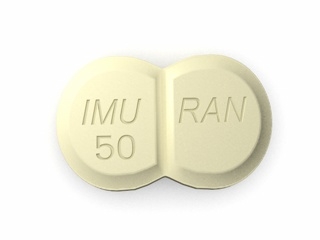

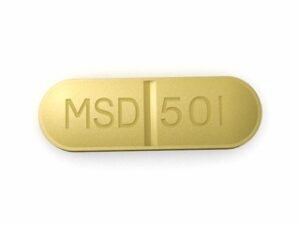
Imuran (Azathioprine) — Patient Information (UK)
Imuran is a medicine containing azathioprine, used to reduce immune system activity in certain conditions. It is most often used as a “maintenance” treatment, helping to prevent ongoing inflammation or to control immune-related disease activity over time.
This guide explains how Imuran works, what it’s used for, how it is taken, and important safety information for people in the United Kingdom.
1) Basic product information
| Item | Details |
|---|---|
| Active ingredient | Azathioprine |
| Brand name | Imuran |
| Medicine type | Immunosuppressant (antimetabolite) |
| How it is taken | Oral tablets (strengths vary by presentation); dosing is individual |
| Typical start | May take weeks to show full benefit; careful monitoring is routine |
| Monitoring | Regular blood tests (full blood count and liver function tests) |
2) How Imuran works (mechanism of action)
Azathioprine is converted in the body into active substances that affect DNA and immune cell function. In simple terms, it helps to reduce the activity of the immune system, making it less likely to attack the body or cause uncontrolled inflammation.
It works by interfering with the production of DNA building blocks needed for rapidly dividing cells, including certain immune cells. This leads to reduced immune response and, over time, better disease control.
3) Pharmacokinetics (how the body handles the medicine)
“Pharmacokinetics” describes how azathioprine is absorbed, processed, and removed from the body. While individual results can vary, the key points include:
- Absorption: Azathioprine is taken by mouth and is absorbed through the gut. Taking it consistently at the same time each day helps maintain steady exposure.
- Metabolism: It is broken down in the body into metabolites that are responsible for its effects. Some people metabolise azathioprine more quickly or slowly.
- Genetic factors: Activity of the enzyme TPMT (thiopurine methyltransferase) influences how azathioprine is processed. Testing may be recommended to reduce the risk of severe side effects.
- Elimination: Metabolites are mainly cleared through the body’s normal excretory processes. Monitoring blood counts and liver enzymes helps detect early toxicity.
In practice, monitoring is an essential part of safe use because blood cell levels and liver function can change even when symptoms seem stable.
4) Typical use in the UK
Imuran is used for conditions where the immune system contributes to disease. Common scenarios in the UK include:
- Organ transplantation: To help prevent immune rejection in selected transplant situations, often as part of a combination regimen.
-
Inflammatory and autoimmune diseases: Where long-term immune suppression is needed to
control flare-ups and reduce inflammation. Examples may include:
- Inflammatory bowel disease (e.g., Crohn’s disease and ulcerative colitis)
- Autoimmune conditions such as some forms of arthritis
- Steroid-sparing treatment: To reduce reliance on corticosteroids (used case-by-case).
5) When it starts working (timing)
Azathioprine is not usually a rapid-relief medicine. The timing of benefit can vary:
- Early period: Some people may not notice benefit for several weeks.
- Full effect: Maximum benefit can take 6–12 weeks (sometimes longer), depending on the condition being treated and the dose.
- Monitoring schedule: Blood tests are typically done more frequently at the start or after dose changes.
It’s important to continue taking Imuran consistently as advised, even if you feel unchanged at first—unless you are told to stop due to side effects or abnormal blood test results.
6) How to take Imuran (dosing and practical guidance)
Dosing is individual and depends on the condition, your overall health, kidney and liver function, and results of relevant tests (including, where applicable, TPMT status). Your prescriber will determine the dose.
General dosing principles (patient-friendly)
- Start low, adjust carefully: Many regimens begin at a lower dose and are adjusted based on response and blood tests.
- Take at the same time each day: Consistency helps absorption and reduces missed doses.
- Do not change the dose yourself: Dose changes should follow lab results and clinical review.
- Tablet handling: If you have to split tablets (only if appropriate for your product), avoid powder contact with skin; follow pharmacy instructions.
- If you miss a dose: Take it when you remember on the same day. If it is close to the next dose, skip the missed dose and resume your regular schedule—do not double up.
Typical “range” examples (not a personal instruction)
In clinical practice, azathioprine dosing commonly falls within weight-based ranges (often expressed as mg per kg body weight), but exact amounts vary widely across conditions and protocols. Your clinician will specify your exact dose.
Regular monitoring requirements
Monitoring is one of the most important safety measures with azathioprine. This often includes:
- Full blood count (FBC): to check white cells, red cells, and platelets
- Liver function tests (LFTs): to detect liver stress
- More tests early on: Your schedule may be more frequent during the first months or after dose adjustments
7) Food interactions and taking with meals
Azathioprine can cause stomach upset in some people. Food may help reduce nausea for certain individuals. In general:
- It may be taken with food if you get nausea or gastrointestinal discomfort.
- Be consistent: If you choose to take it with food, try to keep this pattern every day.
- Avoid sudden changes in diet: While there are no common “avoid completely” food rules, large sudden changes in eating habits may affect how you tolerate treatment.
If you experience persistent vomiting, severe diarrhoea, or inability to keep medication down, contact your healthcare team promptly.
8) Alcohol and medicine interactions
Alcohol can increase stress on the liver and may worsen side effects such as nausea or fatigue. Because azathioprine is metabolised in the body and liver function monitoring is important, it is generally advisable to:
- Limit alcohol while taking Imuran.
- Seek advice if you drink regularly or heavily, or if you have a history of liver disease.
- Watch for symptoms: Unusual tiredness, dark urine, yellowing of skin/eyes, or right upper abdominal pain should be evaluated urgently.
Common medicine interactions (high-level overview)
Some medicines may increase or decrease azathioprine effects or raise the risk of serious side effects. Always inform healthcare professionals about all medicines and supplements you use. Particular attention is needed for:
- Allopurinol / febuxostat (for gout): may increase azathioprine toxicity. Dosing adjustments are usually required if used together.
- Other immunosuppressants: the combined effect can increase infection risk.
- Ribavirin and some antiviral regimens: may affect metabolism and toxicity risk.
- Warfarin (blood thinner): interactions may occur; monitoring of anticoagulation may be needed.
- ACE inhibitors and other medicines affecting blood counts: can complicate interpretation of blood tests.
- Live vaccines: may be unsafe in people with significant immunosuppression. Vaccination advice should be individualised.
- ACE inhibitors and co-medications: keep your medication list updated for clinicians.
This list is not exhaustive. If you start or stop any medicine (including over-the-counter products), check with a pharmacist or clinician.
9) Indications (what Imuran is used to treat)
In the UK, azathioprine (Imuran) is used for several immune-mediated conditions. Indications vary by specialist and local protocols, but commonly include:
- Prevention of transplant rejection in selected transplant types, usually as part of combination therapy.
- Inflammatory bowel disease (Crohn’s disease and ulcerative colitis) for maintenance and steroid-sparing strategies.
- Autoimmune disorders such as certain inflammatory conditions where immune suppression is beneficial.
- When other treatments are unsuitable or when longer-term control is required.
Your specialist will confirm the exact reason you are taking it and what targets (symptom control, remission, steroid reduction) they are working towards.
10) Safety profile and side effects
Like all immunosuppressants, Imuran can cause side effects. Many people tolerate it well, but safety depends on correct dosing and close monitoring.
Common or known side effects
- Nausea, loss of appetite, or mild stomach upset (often improved by taking with food)
- Fatigue or general tiredness
- Temporary changes in blood tests that prompt dose adjustment
Serious side effects — seek urgent medical help
Contact urgent medical services or your healthcare team promptly if you develop:
- Signs of infection (fever, chills, sore throat, persistent cough, painful urination)
- Unexplained bruising or bleeding (possible low platelets)
- Severe weakness or shortness of breath (possible anaemia)
- Yellowing of skin/eyes or dark urine (possible liver problems)
- Severe allergic-type reactions (swelling, difficulty breathing, rash with dizziness)
Bone marrow suppression (low blood counts)
Azathioprine may reduce bone marrow activity, leading to low white blood cells (infection risk), low platelets (bleeding risk), or low red blood cells (anaemia). This is why regular blood tests are essential.
Long-term considerations
With immunosuppressants, long-term use may be associated with increased risks of certain infections and certain cancers in some patient groups. The overall risk depends on dose, duration, underlying disease, and other medicines used alongside.
Your specialist will balance the benefits of controlling disease against these risks. Attending monitoring appointments and reporting new symptoms early helps improve safety.
11) Practical use tips (daily life)
- Keep a medication routine: Use an alarm or daily reminder to reduce missed doses.
- Attend blood test appointments: Even if you feel well, monitoring remains important.
- Know your “red flags”: Fever, unusual bruising/bleeding, sore throat, persistent diarrhoea, or jaundice should be reported quickly.
- Maintain good hygiene: Wash hands regularly, especially during periods when infections are common.
- Discuss vaccination plans early: Avoid live vaccines unless your clinician advises otherwise.
- Inform every healthcare professional you see: Including dentists and emergency services. Carry a medication list or repeat prescription summary if possible.
- Sun protection: If you notice skin changes or use additional photosensitising medicines, discuss skin checks; immunosuppression can affect skin cancer risk.
12) Alternative options (depending on your condition)
If Imuran is not suitable—because of side effects, inadequate response, or interaction concerns—clinicians may consider alternative treatments. Options differ by condition, disease severity, and previous therapies. Examples may include:
- Other immunosuppressants: such as methotrexate, mycophenolate mofetil, or ciclosporin (choice depends on the disease and patient factors).
- Biological medicines: targeted therapies used for some immune conditions (often require different monitoring).
- Corticosteroids: sometimes used for rapid control, usually not intended as sole long-term therapy.
- Supportive care and lifestyle measures: especially in inflammatory bowel disease or autoimmune conditions.
Speak to your healthcare professional about what alternatives are appropriate for your specific diagnosis and treatment goals.
13) UK market, legal and governance context
In the United Kingdom, medicines like Imuran are regulated and quality-assured through the medicines licensing framework. Azathioprine-containing products are prescription medicines and are dispensed under the UK healthcare system.
Safety of immunosuppressants is supported by:
- Ongoing pharmacovigilance: reporting suspected side effects to improve medicines safety
- Clinical guidance: specialist-led protocols for monitoring and dose adjustments
- Local formularies: which guide treatment choices for each condition and NHS setting
14) Recent guidance and monitoring emphasis (high-level)
Across UK and international clinical practice, recent emphasis for azathioprine commonly includes:
- TPMT-related risk reduction: using enzyme testing where appropriate to reduce the chance of severe toxicity.
- Regular blood monitoring: early and frequent tests at treatment initiation and after dose changes.
- Infection prevention: careful assessment for infections before starting and during treatment.
- Medication interaction reviews: particularly around drugs that affect azathioprine metabolism.
Your clinic may follow specific monitoring schedules based on your condition and dose.
15) Delivery, availability and how to order (UK)
Availability of Imuran varies by strength and formulation. Delivery options and dispatch times depend on stock status, supplier routes, and local courier services. When ordering from an online pharmacy:
- Check stock status: Some strengths or pack sizes may be temporarily unavailable.
- Standard vs expedited delivery: Delivery times may vary; larger orders may be delivered in more than one parcel.
- Packaging: Medicines are typically supplied in protective packaging to prevent damage in transit.
- Keep medicines at recommended conditions: follow label guidance and store out of reach of children.
If you need a different strength or formulation than you can find on the website, contact support and your pharmacy team can advise on alternatives or restocking timelines where possible.
16) FAQ
How long does it take Imuran to work?
Many people do not feel significant improvement immediately. Full benefit often takes 6–12 weeks, although timing can vary by condition and dose.
Do I need blood tests while taking Imuran?
Yes. Regular blood tests (full blood count and liver function tests) are essential to monitor for effects on bone marrow and the liver. Your clinic will set the schedule.
Can I drink alcohol while taking Imuran?
It’s usually best to limit alcohol, because liver function is monitored and alcohol may worsen liver strain. If you drink regularly or have liver problems, ask your clinician or pharmacist for personalised advice.
What foods should I avoid?
There are no universally “banned” foods, but taking azathioprine with food may help nausea for some people. Try to keep your routine consistent and report persistent stomach symptoms.
What medicines interact with azathioprine?
Interaction risk is highest with medicines such as allopurinol (for gout), some antiviral therapies, and other immunosuppressants. Always tell a healthcare professional about your complete list of medicines and supplements.
Is it safe to take Imuran if I’m trying to become pregnant or already pregnant?
Pregnancy-related safety depends on the individual situation and the condition being treated. Azathioprine may be used in some circumstances under specialist supervision. Discuss plans for pregnancy with your healthcare team.
Can I receive vaccines while on Imuran?
Vaccine advice depends on your level of immune suppression. Live vaccines may not be suitable. Inactivated vaccines may be recommended in some cases. Always check with your clinician or pharmacist.
What should I do if I miss a dose?
Take it when you remember on the same day. If it’s close to the next dose, skip the missed dose and resume your usual schedule. Do not double up.
When should I seek medical help urgently?
Seek urgent advice if you develop signs of infection (fever, severe sore throat), unexplained bruising or bleeding, jaundice (yellow skin/eyes), severe allergic symptoms, or other severe/unexpected symptoms.
Are there alternatives if I cannot tolerate azathioprine?
Yes. Alternatives depend on your diagnosis and previous treatment response. Your clinician may consider other immunosuppressants, targeted therapies, or different maintenance strategies.
Important: This information is for general guidance. Individual suitability and dose decisions depend on your medical history, blood test results, and the condition being treated. If you have concerns about side effects or interactions, speak to a pharmacist or your healthcare team promptly.