

Inspra (Eplerenone) — Patient-Friendly Guide (UK)
Inspra is a medicine containing eplerenone. It belongs to a group of medicines called mineralocorticoid receptor antagonists (often shortened to MRAs). In the UK, eplerenone is used to improve outcomes in certain heart conditions by helping protect the heart and circulation from harmful effects of hormones such as aldosterone.
This guide explains how Inspra works, how it is taken, important safety points (especially around potassium), and practical advice to help you use your medicine confidently.
1) Basic Product Information
| Item | Details |
|---|---|
| Brand name | Inspra |
| Active ingredient | Eplerenone |
| Drug class | Mineralocorticoid receptor antagonist (MRA) |
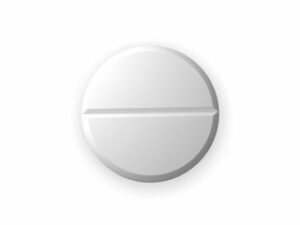
| Common strengths | 25 mg and 50 mg tablets (varies by pack) |
| How it works | Blocks the mineralocorticoid (aldosterone) receptor |
| Key safety focus | Potassium levels (risk of hyperkalaemia) |
Note: Always follow the instructions you are given by your healthcare professional and the information on your medicine packaging.
2) Mechanism of Action (How Inspra Works)
Eplerenone blocks the mineralocorticoid receptor. In the body, the hormone aldosterone contributes to:
- Fluid and salt retention
- Increased strain on the heart
- Adverse remodelling (changes in heart structure over time)
By blocking aldosterone’s effects, Inspra helps:
- Reduce harmful salt/water retention
- Lower stress signals on the heart
- Support better long-term heart function in eligible patients
Unlike some other medicines that lower blood pressure, eplerenone is designed to be more selective for the mineralocorticoid receptor, which can help reduce certain unwanted steroid-like effects.
3) Pharmacokinetics (What the Body Does to the Medicine)
Pharmacokinetics describes how the body absorbs, distributes, metabolises, and eliminates a medicine.
- Absorption: Eplerenone is absorbed after oral dosing. Taking it with food can improve absorption.
- Peak levels: Blood concentrations typically reach peak levels after a few hours (exact timing can vary).
- Distribution: The medicine circulates in the bloodstream and acts on receptors throughout the body.
- Metabolism: Eplerenone is primarily metabolised in the liver by CYP3A4.
- Elimination: It is cleared from the body through a combination of metabolism and excretion. The effective duration is reflected in its dosing schedule.
Why this matters: Because eplerenone is metabolised by CYP3A4, some medicines that inhibit or induce CYP3A4 can significantly change eplerenone levels—affecting both effectiveness and side-effect risk (particularly potassium-related effects).
4) Typical Uses in the UK
Inspra is used for specific heart conditions where it has been shown to be beneficial. The most common UK indications include:
- Heart failure (HFrEF) after a recent cardiac event — particularly to reduce risk of cardiovascular death and hospitalisation in selected patients.
- Post–myocardial infarction (MI) with left ventricular dysfunction — to improve outcomes in people with reduced heart pumping function after a heart attack.
Eligibility depends on factors such as your heart function measurements, kidney function, and potassium levels. Your healthcare team will decide whether Inspra is appropriate for you.
Important: Inspra is not used for every type of heart condition. If you are unsure whether your diagnosis matches the indication for eplerenone, check with your prescriber or pharmacist.
5) When to Take Inspra (Timing and How to Take)
Follow your individual dosing instructions. In general, eplerenone is taken once or twice daily depending on the prescribed regimen.
Practical timing tips:
- Try to take your tablets at the same times each day.
- If you take it twice daily, space doses roughly evenly (e.g., morning and evening).
- If you miss a dose, do not take a double dose unless your clinician advises it. Take the next dose at the usual time.
Monitoring is part of treatment: People taking eplerenone often require blood tests to check potassium and kidney function. These results can guide dose adjustments.
6) Food Interactions (Taking Inspra with Meals)
Eplerenone absorption can be improved by food.
- In practice, many patients are advised to take eplerenone with food or to take it consistently either with or without food to maintain predictable blood levels.
- If you have been told a specific instruction (e.g., “with food”), follow that instruction.
Tip: Consistency matters. If you change from “with food” to “without food” frequently, your medicine levels may vary. Speak to a pharmacist if you have difficulty eating around your usual dosing times.
7) Alcohol and Medicine Interactions
Alcohol
There is no single “universal” alcohol rule for everyone on Inspra. However:
- Alcohol can affect blood pressure and can worsen symptoms of heart failure in some people.
- Alcohol may interact indirectly by affecting hydration status and the kidneys.
General advice: Keep alcohol intake moderate and discuss with your healthcare professional if you drink alcohol regularly, have liver disease, or have ongoing heart or kidney problems.
Medicine interactions (especially important for eplerenone)
Because eplerenone can increase potassium, and because it is metabolised by CYP3A4, interactions can be clinically important.
Avoid or be cautious with medicines that can raise potassium or change eplerenone levels:
- Potassium supplements (unless specifically directed)
- Potassium-sparing diuretics (e.g., amiloride, triamterene)
- Medicines that can raise potassium indirectly (some ACE inhibitors/ARBs may be used with eplerenone under close monitoring, but potassium risk is higher—your clinician will manage this)
- Strong CYP3A4 inhibitors (can increase eplerenone levels, raising the risk of side effects)
- Strong CYP3A4 inducers (may reduce eplerenone effectiveness)
Common interaction check targets:
- Antifungals and antibiotics that affect CYP3A4
- Some antiviral medicines
- Some anti-epileptics
Always tell your pharmacist about all medicines you take, including:
- Over-the-counter products
- Herbal supplements (e.g., St John’s wort)
- Salt substitutes (many contain potassium)
8) Indications (Who Inspra is for)
In the UK, eplerenone is used when there is evidence-based benefit in conditions such as:
- Post-heart attack patients with signs of left ventricular dysfunction (reduced heart pumping function) and other risk factors.
- Chronic heart failure in appropriately selected patients, as part of guideline-based care.
Your clinician will confirm suitability using:
- Electrolyte results (especially potassium)
- Kidney function (eGFR/creatinine)
- Your overall treatment plan (often including other heart medicines)
9) Dosing (Typical Regimens and Adjustments)
Dosing must be individualised. The most common approach is to start at a safe dose, then adjust based on blood tests.
Typical dosing pattern:
- Many patients start at 25 mg once daily.
- Depending on potassium and kidney function, the dose may be increased (commonly to 50 mg once daily or adjusted as advised).
How adjustments usually happen:
- Blood tests are typically taken after starting or changing the dose to check potassium and kidney function.
- If potassium is high, the prescriber may reduce the dose, pause treatment, or stop it.
- If kidney function changes, dosing may need review.
Never change the dose yourself. Dose changes for eplerenone require lab results and clinical assessment.
10) Safety Profile (Side Effects and When to Get Help)
Like all medicines, Inspra can cause side effects. Many people take it without problems, but it is important to know what to watch for.
Key safety concern: high potassium (hyperkalaemia)
Eplerenone can increase potassium levels. This can be dangerous in severe cases because it may affect heart rhythm.
Symptoms that may be associated with high potassium include:
- Muscle weakness
- Numbness or tingling
- Feeling unusually unwell
- In severe cases, palpitations
What to do: Seek urgent medical attention if you experience significant palpitations, fainting, chest pain, severe weakness, or you feel suddenly very unwell.
Common or possible side effects
Side effects can include:
- Dizziness
- Fatigue
- Headache
- Gastrointestinal upset (varies by individual)
Not every person experiences side effects. Some effects are mild and improve with time.
Allergy and serious reactions
Stop the medicine and get medical advice urgently if you experience signs of an allergic reaction such as swelling of the face/lips, difficulty breathing, or widespread rash.
Who needs extra caution?
Talk to a clinician/pharmacist if you have:
- Kidney impairment
- Known history of high potassium
- Conditions or treatments affecting potassium (e.g., certain diuretics, kidney disease)
- Multiple medicines that interact with eplerenone
11) Practical Use Tips (Getting the Best From Your Treatment)
- Attend lab monitoring: Blood tests are essential to keep potassium in a safe range.
- Know your potassium/creatinine results: Ask what your numbers mean and whether your dose is intended to increase or remain stable.
- Stay consistent with meals: If you’re told “with food,” follow it; if “with or without,” remain consistent.
- Avoid potassium-containing salt substitutes: Many “low-salt” alternatives contain potassium chloride.
- Inform other healthcare providers: Let dentists, specialists, and urgent care clinicians know you are taking Inspra, especially before procedures or if new medicines are started.
- Keep a medicine list: Include dose, timing, and all other prescriptions, over-the-counter items, and supplements.
12) Alternative Options (Other Treatments Depending on Your Situation)
Heart failure and post–heart attack care often includes multiple medicine classes. Alternatives depend on the exact diagnosis, severity, blood pressure, kidney function, and potassium levels.
Potential alternatives or complements may include:
- Other MRAs (e.g., spironolactone) — may be considered, but individual choice depends on side-effect profiles and guidance.
- Diuretics (for fluid symptoms)
- ACE inhibitors or ARBs
- Beta-blockers
- Other cardiovascular medicines tailored to your condition and risk profile
If Inspra is not suitable for you (for example due to potassium or kidney issues), your prescriber will discuss safer options and monitoring plans.
13) UK Market and Legal/Regulatory Context
In the UK, Inspra (eplerenone) is supplied under the medicines regulatory framework administered by the Medicines and Healthcare products Regulatory Agency (MHRA) and related UK medicines regulations.
Medicines are classified based on safety and clinical use requirements. Your local supply chain and pharmacy arrangements will follow UK requirements for safe supply, identification, and appropriate patient information.
Pharmacy compliance: Online medicines services in the UK must follow applicable legal standards for distance selling, patient safeguards, and controlled handling where relevant.
14) Recent Guidance and Monitoring Themes (What to Expect)
While specific recommendations can change over time, ongoing UK clinical practice consistently emphasises:
- Baseline assessment of kidney function and potassium before starting MRAs.
- Repeat blood tests after starting or increasing dose, and then periodically.
- Medication review for interactions that raise potassium or alter eplerenone levels.
- Individualised dosing based on risk-benefit assessment.
Your clinician may also review your broader heart-failure regimen to ensure medicines are optimised and tolerable.
15) Delivery, Availability, and Ordering (UK Online Pharmacy)
Availability: Inspra is typically available from UK pharmacies in tablet form. Availability may vary by strength and pack size.
Delivery: Many UK pharmacies offer home delivery options. Delivery time depends on stock levels, courier service, and your postcode area.
What to check before ordering:
- The correct strength (e.g., 25 mg vs 50 mg)
- The correct quantity and instructions
Storage: Keep tablets in their original packaging and store at appropriate room temperature conditions, away from moisture and heat. Keep out of the sight and reach of children.
16) FAQ — Frequently Asked Questions
How long does it take Inspra to start working?
Some effects on hormones and the body’s fluid/salt balance can occur relatively soon after starting. However, the full benefit—particularly in heart failure or after MI—is usually assessed over weeks to months through clinical outcomes and ongoing monitoring.
Do I need blood tests while taking eplerenone?
Yes. Blood tests to monitor potassium and kidney function are important, especially after starting treatment or changing dose.
What should I do if my potassium is high?
Your prescriber will advise the next steps, which may include reducing the dose, pausing treatment, or stopping it, depending on severity and your kidney function. Don’t stop or restart without medical advice.
Can I take Inspra with my other heart medicines?
Often it is used alongside other heart medicines, but not always. Interactions—especially those affecting potassium—require careful review. Your healthcare team should already be managing this, but it’s still important to inform your pharmacist about everything you take.
Is Inspra safe for people with kidney problems?
It may be used in selected patients, but kidney function strongly influences dosing and monitoring. Tell your clinician if you have chronic kidney disease or have had changes in creatinine/eGFR.
Can I use salt substitutes?
Be cautious. Many salt substitutes contain potassium chloride, which could raise potassium levels. Ask your pharmacist whether a specific product is safe for you.
What medicines should I avoid?
Avoid or seek advice before taking:
- Potassium supplements and potassium-containing alternatives
- Medicines that can increase potassium
- Strong interactions with CYP3A4 (your pharmacist can check this)
What happens if I miss a dose?
If you miss a dose, take it when you remember unless it is close to the next scheduled dose. Do not take two doses at once unless instructed. If unsure, contact your pharmacist.
Can I drink alcohol while taking Inspra?
Moderate alcohol is often possible, but it can worsen heart failure symptoms in some people. If you have heart failure, kidney issues, or low blood pressure, discuss alcohol with your clinician.
Are there alternatives if I cannot tolerate eplerenone?
There are alternatives depending on your condition, including other MRAs or different heart failure/post-MI regimens. Your prescriber can guide the safest approach based on your labs and symptoms.
Summary
Inspra (eplerenone) is a mineralocorticoid receptor antagonist used in the management of certain heart conditions in the UK, including post–heart attack left ventricular dysfunction and selected heart failure cases. It works by blocking aldosterone’s effects, helping protect the heart and circulation. Because eplerenone can raise potassium and is metabolised by CYP3A4, safe use depends on careful dosing, attention to food and medicine interactions, and regular blood tests.
If you have questions about how to take Inspra, potential interactions, or what your blood test results mean, speak to a pharmacist or healthcare professional.