Karela (Bitter Melon) – Patient-Friendly Medicine Information (UK)
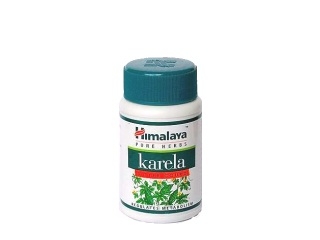
Karela is a herbal medicine made from bitter melon (often referred to as Momordica charantia). In the UK, “Karela” is commonly sold as a dietary supplement or herbal product used by some people to support healthy blood sugar levels and general metabolic health. This page explains how Karela is commonly used, what it may do in the body, and important safety considerations.
Important: Herbal products vary by brand and standardisation. Always check the specific label for ingredients and strength, and follow the directions provided with your product.
Basic product information
- Product name: Karela (bitter melon)
- Active source: Bitter melon fruit and/or extracts (e.g., whole fruit powder, standardized extract depending on brand)
- Common forms in the UK: capsules, tablets, liquid extract, or powdered fruit blends
- Typical marketing focus: support for blood glucose/insulin sensitivity and metabolic wellbeing
- Legal status: In the UK, many Karela products are marketed as food supplements under UK food supplement rules. Some may be registered as traditional herbal medicines depending on the product and claims made.
What Karela may do in the body (mechanism of action)
Bitter melon contains a range of naturally occurring compounds, including charantin, polypeptide-P (insulin-like activity in some studies), and other bioactive constituents. While exact effects can differ between products and studies, the proposed mechanisms include:
- Insulin-sensitising effects: may help the body respond more effectively to insulin.
- Glucose-lowering activity: some components may reduce blood sugar levels by influencing glucose uptake and metabolism.
- Effects on digestion and post-meal glucose: bitter melon may affect how carbohydrates are processed, potentially lowering post-meal spikes for some people.
- Potential antioxidant and anti-inflammatory activity: may support overall metabolic health.
Note: Human evidence varies. Karela should be considered a supportive option, not a replacement for recommended diabetes care or other medical treatments.
Pharmacokinetics: what we know about absorption and processing
“Pharmacokinetics” describes how a substance is absorbed, distributed, metabolised, and excreted. For bitter melon, pharmacokinetic data can be limited and may vary by extract type and standardisation. In general:
- Absorption: some bitter melon constituents may be absorbed after oral dosing, but the extent can vary.
- Metabolism: plant-derived compounds are typically metabolised in the liver and gut to active and inactive metabolites.
- Elimination: metabolites are generally cleared via normal body pathways (predominantly through bile and/or urine), though exact rates are not fully established for every product type.
Practical takeaway: Because products may differ, results and timing can vary. Consistency with the same brand and dose is important if you are monitoring effects.
Typical uses in the UK
In community use across the UK, Karela is most commonly taken to:
- Support healthy blood sugar levels (especially alongside diet and lifestyle measures)
- Support insulin sensitivity in people aiming to improve metabolic health
- General metabolic wellbeing as part of a broader wellness routine
Claims can differ by product packaging. Always choose products that provide clear ingredients, amounts, and directions.
Indications (when people commonly use Karela)
Because Karela is often sold as a supplement, “indications” are usually expressed as general wellbeing support rather than medical treatment of a disease.
Common intended uses reported on labels or in marketing materials include:
- Adults seeking to support normal glucose metabolism
- People using diet and exercise strategies to manage blood sugar balance
- Individuals looking for additional metabolic support as part of a healthy lifestyle
Do not use Karela to treat an acute illness or to manage emergencies. If you have symptoms of very low or very high blood sugar, seek urgent medical help.
Dosing: how to take Karela safely
There is no single universally approved dose for all Karela products, because strength varies widely by brand and extract content. The safest approach is to follow the dose on the product label.
Common dosing approaches
- Start low: consider starting with the smallest dose recommended on the label to see how your body responds.
- Typical timing: many people take Karela once daily with a meal, or sometimes twice daily (morning and evening) depending on label instructions.
- Adjust carefully: if you increase the dose, do so gradually and monitor wellbeing and any blood sugar changes if you measure them.
Example “label-based” guidance (not a universal prescription)
Use the table below only as a general illustration of what UK supplement labels often look like. Always follow your specific product’s instructions.
| Product type | Typical label directions | Common practical approach |
|---|---|---|
| Capsules/Tablets | 1–2 times daily with food | Take with breakfast or the main meal |
| Powder | Once daily or split doses | Mix with water or food as directed |
| Liquid extract | Once or twice daily | Measure carefully using the provided cup/dropper |
Timing: when to take Karela
Timing can influence how you feel and how it fits with meals. Many people prefer to take Karela:
- With meals (to support tolerability and reduce stomach discomfort)
- Before or with the first main meal of the day if using it for metabolic support
- Evening dosing if the label recommends twice-daily dosing
Monitoring suggestion: If you use a blood glucose meter or continuous glucose monitor, note how results change over several days. This helps you understand personal response.
Food interactions
Karela may interact with food in a way that matters most for blood sugar balance. Consider the following:
- Carbohydrate-heavy meals: taking Karela with meals may help some people with post-meal glucose spikes, but evidence is not uniform.
- Consistency: if you want to judge benefit, keep your diet patterns reasonably consistent.
- Gastric comfort: herbal products can sometimes cause mild nausea or stomach upset—taking with food may reduce this.
General dietary advice: Karela works best alongside healthy eating, regular physical activity, adequate sleep, and appropriate medical support if you have diabetes or prediabetes.
Alcohol and medicine interactions
Alcohol: Moderate alcohol may increase the risk of stomach irritation and can affect blood sugar control. There is also a general concern that alcohol may worsen metabolic health. If you choose to drink, consider limiting alcohol and monitor how you feel—especially if you also take other blood sugar–lowering medicines or supplements.
Medicines: Karela may lower blood sugar in some people. This can increase the chance of hypoglycaemia (low blood sugar) when used alongside medicines that also lower glucose. Extra caution is needed if you take any of the following:
- Diabetes medicines such as insulin, sulfonylureas (e.g., gliclazide, glimepiride), or other glucose-lowering drugs
- Other supplements that may affect blood glucose (e.g., some herbs or formulations marketed for glycaemic support)
What to do:
- Tell your healthcare professional about all supplements you take.
- If you experience symptoms of low blood sugar (such as sweating, shakiness, dizziness, confusion, or headache), stop Karela and seek advice promptly.
- Do not adjust prescription diabetes treatments based solely on supplement use.
Safety profile: side effects and who should be cautious
Most people tolerate Karela reasonably well when taken at typical supplement doses, but side effects can occur. The safety profile depends on dose, formulation, and individual health conditions.
Possible side effects
- Stomach upset (nausea, abdominal discomfort, diarrhoea)
- Gas or bloating
- Headache in some people
- Low blood sugar symptoms (especially if combined with glucose-lowering medicines)
Who should be cautious or avoid
- People taking diabetes medicines or insulin (higher risk of low blood sugar)
- People with frequent episodes of low blood sugar
- Pregnancy and breastfeeding: avoid unless specifically advised by a qualified healthcare professional. Bitter melon’s safety in pregnancy is not well established.
- Children: do not use unless a clinician has advised; product dosing for children is not typically established.
- Individuals with liver or kidney disease: discuss with a healthcare professional before use.
When to stop and seek help
Stop taking Karela and seek urgent advice if you develop:
- Signs of severe allergic reaction (swelling of face/lips, breathing difficulty, widespread rash)
- Persistent vomiting or severe diarrhoea
- Symptoms of significant hypoglycaemia or inability to eat/drink
Practical use tips (to get the best and safest experience)
- Choose a reputable brand: look for clear ingredient lists, standardised extracts (if stated), and quality assurance information.
- Start gradually: reduce the chance of stomach upset and help you observe how your body responds.
- Take with food: many people find this improves tolerability.
- Keep a simple log: note dose, meal timing, any symptoms, and (if relevant) blood glucose readings.
- Stay consistent: try not to change multiple variables (diet, exercise, other supplements) at the same time.
- Reassess after a trial period: if there is no benefit and you have side effects, consider stopping and discuss next steps with a clinician.
Alternative options
If you are considering Karela for metabolic support, you may also want to compare other evidence-informed strategies and common supplement options. Alternatives may include:
- Diet and lifestyle measures (often the most impactful): reduce refined carbohydrates, aim for fibre-rich meals, and include regular physical activity.
- Other supplements with varying evidence (always check interactions and quality): for example, berberine, cinnamon, or magnesium—each has its own safety considerations.
- Structured diabetes care if you have diabetes or prediabetes: clinicians may recommend specific treatments tailored to your health profile.
Tip: If you use multiple supplements, the combined effect may increase the risk of side effects (including low blood sugar). Introduce changes one at a time.
UK market and legal context
In the United Kingdom, herbal products and supplements are generally regulated under food supplement rules when sold as dietary supplements. Key points include:
- Safety: products must not be unsafe when used as directed.
- Labelling: labels should list ingredients, directions for use, and relevant warnings.
- Health claims: claims about treating or curing conditions are tightly controlled. Many products can only make “supportive” claims rather than medical disease treatment claims.
- Quality: reputable suppliers typically provide quality testing and appropriate manufacturing standards.
Always check what your specific Karela product claims on the front label and the “Supplement Facts”/ingredient panel on the back.
Recent guidance and how to use safely
UK guidance for supplement use commonly emphasises:
- Not relying on supplements as a substitute for care when you have diabetes or other chronic conditions
- Reading labels carefully and avoiding products with unclear ingredients or missing directions
- Considering interactions, particularly for glucose-lowering supplements
- Reporting side effects to a healthcare professional
Because supplement formulations and concentrations differ between brands, the “best” approach in the UK is to treat Karela as a supportive option and use it with informed caution.
Delivery and availability in the UK
Karela products are typically available from online pharmacies and supplement retailers across the UK. Delivery times depend on the supplier and shipping method. Common options include:
- Standard delivery: typically a few working days
- Express delivery: available from some providers
- Tracking: often provided for dispatch and delivery updates
Availability: stock levels may vary depending on brand and formulation. If a product is out of stock, you may be offered similar alternatives.
Storage: store according to label instructions (usually in a cool, dry place). Keep out of reach of children.
FAQ: Frequently asked questions
1) What is Karela made from?
Karela is typically derived from bitter melon (often Momordica charantia). Different products may contain fruit powder, standardized extract, or a combination of bitter melon components.
2) Does Karela “treat diabetes”?
Most Karela products sold in the UK are marketed for supporting normal glucose metabolism rather than treating diabetes. If you have diabetes, use Karela only as a supportive option and discuss it with a healthcare professional, especially if you take glucose-lowering medicines.
3) When should I take Karela for best results?
Many people take it with meals, often once daily or split doses (morning and evening) depending on the label. Consistency matters. If you monitor blood glucose, observe your own response over several days.
4) Can I take Karela on an empty stomach?
Some people tolerate it, but many experience stomach upset. To improve comfort, it’s usually better to take Karela with food unless the product label specifically advises otherwise.
5) Will Karela affect my blood sugar readings?
It may. Because bitter melon may influence glucose metabolism, consider monitoring if appropriate, particularly if you also take diabetes medication or you have a history of hypoglycaemia.
6) Is it safe to combine Karela with diabetes medicines?
Extra caution is needed. Combining Karela with insulin or glucose-lowering medicines may increase the risk of low blood sugar. Speak to a healthcare professional before combining.
7) Can I drink alcohol while taking Karela?
Alcohol may increase the chance of stomach irritation and can affect blood sugar balance. If you choose to drink, keep it moderate and monitor how you feel—especially if you take other glucose-lowering medicines.
8) What side effects should I look out for?
Common side effects include stomach discomfort, nausea, gas, and diarrhoea. If you experience symptoms of low blood sugar (sweating, shaking, dizziness, confusion), stop and seek medical advice promptly.
9) How long should I take Karela before deciding if it helps?
Many people trial supplements for several weeks. If there’s no benefit or side effects occur, stop and discuss options with a healthcare professional.
10) Are there people who should avoid Karela?
Pregnant or breastfeeding individuals, children, and people with liver/kidney conditions should seek professional advice first. Anyone taking diabetes medicines should be particularly cautious.
Disclaimer: This information is provided for general guidance and is not a substitute for medical advice. If you have a medical condition, take regular medicines, or are considering changes to your health routine, speak to a qualified healthcare professional.