
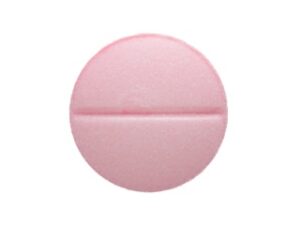
Loxitane (Loxapine) — Patient Information (UK)
Loxitane contains loxapine, an antipsychotic medicine used for certain mental health conditions. This guide explains how it works, how it is used, and what you should consider for safe, effective treatment in the United Kingdom.
| Medicine name | Loxitane (loxapine) |
|---|---|
| Medicine type | Typical antipsychotic (dibenzoxazepine class) |
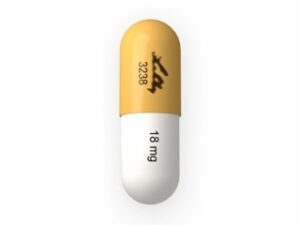
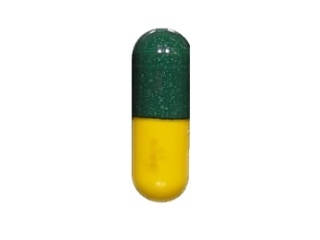
| Common forms | Oral tablets/capsules (strengths vary by product) |
| How it is usually taken | Once or more daily, as directed |
| Main uses | Schizophrenia and related psychotic disorders; sometimes acute agitation (depending on clinical judgement) |
| Key effects | Reduces symptoms such as hallucinations, delusions, and agitation |
What is Loxitane?
Loxitane is a brand of loxapine, a medicine that helps manage symptoms related to psychosis (for example, schizophrenia). By changing the way certain brain chemicals work, loxapine can reduce symptoms like hallucinations, delusions, disordered thinking, and agitation.
It is important to remember that the best treatment plan depends on your individual needs, medical history, and other medicines you take.
How Loxitane works (mechanism of action)
Loxapine is an antipsychotic that primarily affects dopamine and serotonin pathways in the brain.
- Dopamine D2 receptor antagonism: helps reduce psychotic symptoms.
- Serotonin receptor effects: may contribute to symptom improvement and overall tolerability.
- Other receptor actions: can be associated with side effects such as drowsiness, changes in blood pressure, or movement-related effects.
The exact benefit you feel (and side effects you experience) can vary from person to person.
Pharmacokinetics (how the body processes it)
Pharmacokinetics describes absorption, distribution, metabolism, and elimination.
- Absorption: Loxapine is absorbed after oral dosing. Individual absorption can vary.
- Metabolism: it is metabolised by the liver (principally via CYP enzymes). This means other medicines that influence these enzymes can change loxapine levels.
- Distribution: it reaches the brain and other tissues to exert its effects.
- Elimination: metabolites are cleared largely through the body’s normal processes (mainly via liver metabolism followed by renal/biliary excretion of metabolites).
- Onset and steady effect: some effects may be noticed within days, but full benefit may take longer as the brain adjusts.
Note: Your clinician may adjust the dose over time to find the safest, most effective level for you.
Typical uses in the UK
Loxitane is used for antipsychotic treatment of conditions such as:
- Schizophrenia and other psychotic disorders
- Acute behavioural disturbances in selected situations, depending on the overall treatment plan
Antipsychotic selection and dosing are individualised, taking account of symptom pattern, past treatment response, side-effect risk, age, physical health (such as heart rhythm issues), and co-medications.
When to take Loxitane and how timing affects you
Follow the schedule given by your healthcare professional and the instructions on the product label.
- Once-daily or divided dosing: some people take it once daily; others take it in divided doses to reduce side effects.
- Consistency matters: taking it at the same times each day helps maintain steadier levels.
- Drowsiness: if you feel sleepy, taking your dose in the evening may help (confirm with your prescriber/pharmacist).
- Sore throat/fever monitoring: seek advice if you develop concerning symptoms (see “Safety profile”).
Missing a dose: If you miss a dose, take it when you remember unless it is close to the time for your next dose. Do not take double the dose.
Food interactions
Food may affect the absorption of some medicines, though loxapine can generally be taken with or without food. However:
- Best practice: take it in the way you have been advised consistently (with meals if that reduces nausea or stomach upset for you).
- Stable routine: keeping a steady routine helps avoid day-to-day changes in how you absorb the medicine.
- Report side effects: if you experience nausea, reflux, or stomach discomfort, speak to a healthcare professional for advice.
Alcohol interactions
Alcohol can increase the risk of side effects such as:
- Drowsiness and slowed reaction time
- Dizziness and risk of falls
- Worsening sedation and poorer concentration
Recommendation: It is generally best to avoid alcohol or keep it to very small amounts while taking loxapine. If you do drink, do so cautiously and only if your clinician says it is safe for you.
Medicine interactions
Loxapine can interact with other medicines. Some interactions may increase risk of side effects, while others may reduce effectiveness.
Medicines that may increase sedation or dizziness
- Sleep medicines
- Opioid pain medicines
- Some antihistamines (especially sedating “first-generation” types)
- Benzodiazepines or similar anxiolytics
Medicines affecting heart rhythm
Antipsychotics can affect heart rhythm in some people. Extra caution is needed if you take medicines known to affect the QT interval or if you have risk factors such as existing heart rhythm problems.
Medicines affecting liver metabolism (CYP enzymes)
Because loxapine is metabolised by liver enzymes, medicines that inhibit or induce those enzymes may alter loxapine levels.
- Enzyme inhibitors may raise loxapine exposure and side-effect risk.
- Enzyme inducers may lower effectiveness.
Parkinson’s disease medicines and anticholinergic drugs
Some medicines that affect brain chemicals (or those with strong anticholinergic effects) may change side-effect risk such as constipation, dry mouth, blurred vision, or movement-related symptoms.
Always check before starting/stopping
Before taking any new medicine (including over-the-counter products), it helps to ask a pharmacist or clinician to confirm it is compatible with your current treatment.
Indications: what it is used for
In clinical practice in the UK, loxapine is indicated for management of:
- Schizophrenia and related psychoses
- Selected acute disturbances where an antipsychotic is considered appropriate
Coverage and exact prescribing decisions can vary based on local guidance, availability, and individual patient needs.
Dosing (general guidance)
Dosing must be individualised. The information below is general and cannot replace advice from your healthcare professional.
Adults
- Doses are typically started low and adjusted based on response and tolerability.
- Some people are treated with once-daily dosing, others with split dosing.
- Maximum daily doses (if applicable to your specific product) depend on the formulation and your clinical circumstances.
Older people
- Older adults may require lower starting doses due to higher sensitivity to side effects such as sedation, falls, and blood pressure changes.
Children and adolescents
- Use in younger age groups should only occur if clearly indicated and closely supervised, following specialist advice.
Stopping or reducing
Do not stop suddenly without medical advice. Antipsychotics may need gradual dose reduction to reduce withdrawal or symptom relapse.
Safety profile and important side effects
Like all medicines, loxapine can cause side effects. Not everyone experiences them, and many are dose-related and can improve as your body adjusts or after dose changes.
Common side effects
- Drowsiness, fatigue
- Dizziness
- Dry mouth
- Constipation
- Blurred vision
- Nausea
- Weight gain (varies by person)
Movement-related side effects (extrapyramidal symptoms)
- Tremor
- Muscle stiffness
- Restlessness
- Abnormal movements (more concerning if persistent)
If you notice new movement symptoms, tell your healthcare professional promptly. Early treatment can prevent worsening.
Blood pressure and fainting
- Orthostatic hypotension (feeling light-headed when standing)
- Increased risk of falls, particularly when starting treatment or increasing dose
Serious but uncommon risks
- Neuroleptic Malignant Syndrome (NMS): symptoms may include high fever, muscle stiffness, confusion, and unstable blood pressure.
- Tardive dyskinesia: may occur with longer-term use; involves repetitive involuntary movements (often of the face or tongue).
- Blood disorders: seek urgent advice if you develop severe sore throat, mouth ulcers, fever, or unusual infections.
- Heart rhythm changes: particularly if you have existing risk factors.
- Seizures: risk may increase in certain individuals or at higher doses.
Seek urgent medical help if you develop symptoms suggestive of NMS, an allergic reaction (such as swelling of the face/lips), or severe heart-related symptoms.
Practical tips for using Loxitane safely
- Take care when getting up: rise slowly from sitting or lying down to reduce dizziness.
- Drive and operate machinery: if you feel drowsy, avoid driving or hazardous activities until you know how loxapine affects you.
- Stay hydrated and manage constipation: increase fluids and dietary fibre; talk to a pharmacist if constipation becomes problematic.
- Keep follow-up appointments: regular review helps balance benefits and side effects.
- Watch for changes in movement: report restlessness, tremor, stiffness, or involuntary movements early.
- Tell your clinician about all medicines: including herbal products and over-the-counter remedies.
- Be cautious with overheating: antipsychotics can affect your ability to regulate temperature; take care in hot weather or during intense exercise.
What to expect after starting
People often notice some improvement in distressing symptoms within days to weeks, but full improvement can take longer. It is common for clinicians to adjust dose gradually.
- Early phase: sedation or dizziness may be more noticeable; movement-related side effects can also emerge.
- Ongoing phase: side effects may settle while symptom control improves.
- Stable phase: the goal is to maintain symptom control with the lowest effective dose.
Alternative options
If loxapine is not suitable or does not work well enough, there are other treatment options. Alternatives may include:
Other antipsychotic medicines
- Other typical antipsychotics
- Atypical (second-generation) antipsychotics
Non-medicine support (often used alongside medication)
- Psychological therapies (for example, CBT for psychosis)
- Social support and structured routines
- Rehabilitation and early intervention services where available
Choice of alternative depends on your symptoms, side-effect history, co-morbidities, and preference.
UK market and legal context
In the UK, antipsychotic medicines are regulated medicines supplied under the Medicines and Healthcare products Regulatory Agency (MHRA) framework. Guidance for prescribing and monitoring mental health treatments is provided by bodies such as the National Institute for Health and Care Excellence (NICE) and through local NHS services.
Availability can vary between strengths and formulations, and supply may be affected by manufacturing or distribution changes.
Recent guidance and monitoring (UK perspective)
Although exact recommendations may change over time, in general UK practice emphasises:
- Baseline assessment for physical health risk factors (including weight and metabolic parameters where relevant).
- Side-effect monitoring, particularly movement-related symptoms, sedation, blood pressure changes, and heart rhythm risk where appropriate.
- Reviewing benefits vs side effects regularly to support dose optimisation.
Your clinician may recommend specific monitoring depending on your risk profile.
Delivery and availability (UK online pharmacy information)
Availability of Loxitane may depend on supply levels, product strength, and formulation. When ordered online:
- Stock status: items may show as available for dispatch or may indicate limited supply.
- Delivery times: delivery times vary by UK region and courier service. Estimated timeframes are typically shown at checkout.
- Cold-chain: loxapine tablets/capsules generally do not require refrigeration unless otherwise stated on packaging.
- Storage: store at room temperature and keep out of sight and reach of children, following the instructions on the pack.
If you need urgent treatment and there is a stock delay, contact the pharmacy’s support team for advice on alternatives or expected delivery.
FAQ
1) How long does Loxitane take to work?
Some people notice changes in agitation or distressing symptoms within days. However, full benefit can take several weeks. Dose adjustments are often made gradually to balance effectiveness and side effects.
2) Can I take Loxitane with food?
It is often possible to take it with or without food. If food helps reduce stomach upset, taking it with meals may be more comfortable—try to keep the routine consistent.
3) Is alcohol safe while taking Loxitane?
Alcohol can worsen sedation and dizziness. It is generally recommended to avoid alcohol, or only drink very cautiously if your clinician confirms it is safe for you.
4) What should I do if I miss a dose?
Take it when you remember unless it is close to the next dose. Do not take a double dose. If you frequently miss doses, speak to a pharmacist about ways to improve adherence.
5) What are the most important side effects to watch for?
Common effects include drowsiness and constipation. More urgent attention is needed for severe reactions or signs of serious problems such as fever with muscle stiffness, confusion, or unusual infections/sore throat.
6) Will Loxitane affect driving?
It may. If you feel sleepy, dizzy, or slower to react, avoid driving or operating machinery until you know how the medicine affects you and you feel safe to do so.
7) Can I take other medicines alongside Loxitane?
Many medicines can interact. Tell your healthcare professional and pharmacist about everything you take (including over-the-counter products and herbal remedies) so they can check for compatibility.
8) How should I stop Loxitane?
Do not stop suddenly without medical advice. Stopping may cause symptom relapse or withdrawal-type effects. Dose reduction is usually done gradually under supervision.
9) Are there alternatives if I cannot tolerate Loxitane?
Yes. Other antipsychotics and non-medication supports may be suitable depending on your situation. Your clinician can help you compare options and side-effect risks.
10) Is Loxitane suitable for everyone?
No medicine is suitable for everyone. Suitability depends on your medical history, current medicines, age, and specific risk factors (such as heart rhythm issues or history of movement disorders). A healthcare professional can advise.
Important: If you have concerns about side effects, drug interactions, or changes in your mental or physical health while taking loxapine, seek advice from a healthcare professional as soon as possible.