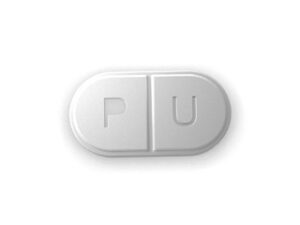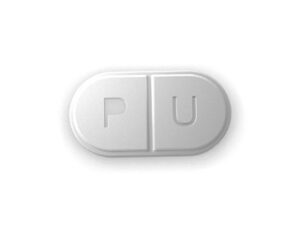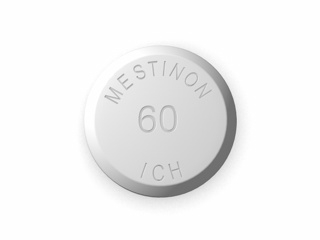

Mestinon (Pyridostigmine) — Patient Guide (UK)
Mestinon is a medicine containing pyridostigmine, a drug used to improve communication between nerves and muscles and, in some cases, reduce over-activity of certain nerve signals. It is commonly prescribed in the UK for conditions such as myasthenia gravis, where the body’s immune system interferes with the normal function of muscle at nerve endings.
This guide explains how Mestinon works, how it is taken, what to expect, and important safety information. If you have questions about your specific treatment plan, always follow the advice given by your healthcare professional.
Basic product information
| Item | Details |
|---|---|
| Active ingredient | Pyridostigmine |
| Brand name | Mestinon |
| Common uses | Myasthenia gravis (and other selected neuromuscular indications) |
| How it works | Enhances the action of acetylcholine at the neuromuscular junction |
| Typical formulation | Tablets (your product strength and dosing schedule will be prescribed) |
| Country context | Marketed and used in the United Kingdom |
What is Mestinon used for?
Mestinon is used to treat conditions where the transmission of nerve signals to muscles is impaired. The best-known indication in the UK is:
- Myasthenia gravis (MG): Helps improve muscle weakness and fatigue.
Depending on the patient’s overall condition and clinical judgement, pyridostigmine may be used for other neuromuscular problems. Your clinician will specify the intended use for your situation.
How Mestinon works (mechanism of action)
Pyridostigmine belongs to a group of medicines called cholinesterase inhibitors (also known as anticholinesterases).
In normal neuromuscular function, nerve endings release the chemical acetylcholine, which binds to receptors on muscle cells and triggers muscle contraction.
Mestinon works by inhibiting acetylcholinesterase, the enzyme that breaks down acetylcholine. By slowing this breakdown, Mestinon:
- Increases the amount of acetylcholine available at the neuromuscular junction
- Improves the strength and reliability of nerve-to-muscle signalling
- Can reduce symptoms such as weakness, difficulty swallowing, and fatigue
Important note: In myasthenia gravis, symptoms fluctuate. Mestinon helps symptoms by improving signal transmission, but it does not cure the underlying autoimmune process.
Pharmacokinetics (how the body handles it)
Pharmacokinetics describes what the body does with the medicine—absorption, distribution, metabolism, and elimination.
- Absorption: Pyridostigmine is absorbed after oral dosing. Peak effects generally occur within a few hours, but individual response varies.
- Distribution: It acts primarily at sites where acetylcholine is important for neuromuscular transmission.
- Metabolism and elimination: Pyridostigmine is eliminated from the body, and dosing schedules are designed to maintain symptom control while limiting side effects.
- Half-life: The duration of clinical effect can vary by patient and formulation. Your prescribed regimen aims to match symptom timing across the day.
Because symptoms in conditions like myasthenia gravis can be influenced by exertion, stress, infection, and time of day, clinicians often adjust dosing based on your personal response.
Typical timing and when it starts to work
Many people notice symptom improvement after taking a dose. The medicine’s effect is not immediate for everyone, and the time course can vary based on:
- Your baseline symptom severity
- How quickly your body absorbs the medicine
- How active you are (muscle weakness often worsens with fatigue)
- Meal timing and individual tolerance
Practical approach: Follow your clinician’s schedule. If your regimen involves multiple doses throughout the day, it is usually designed to cover periods when symptoms are most noticeable (e.g., mornings, during day activity, and evening).
Food interactions
Food can influence absorption and stomach comfort for some medicines. For pyridostigmine, many patients are advised that it can be taken with or without food, but this may depend on the specific product and personal tolerance.
- If you find nausea, stomach cramps, or diarrhoea occurs, taking doses with food may improve tolerability (unless your clinician advises otherwise).
- If you notice symptoms are unpredictable with meals, keep timing consistent and discuss it with your healthcare professional.
Consistency helps: Try to take each dose at the same time relative to meals each day unless you are instructed to change.
Alcohol interactions
Alcohol may worsen symptoms in some neuromuscular conditions by affecting muscle function, coordination, and general wellbeing. Alcohol can also aggravate common side effects such as dizziness, nausea, or stomach upset.
- Moderation is advisable. If you choose to drink, keep it limited and monitor how your symptoms respond.
- Avoid heavy drinking, especially if you have swallowing difficulties or breathing issues, as these could increase risk.
If you have been advised to avoid alcohol due to other medicines you take or due to your condition, follow that guidance.
Medicine interactions (important)
Pyridostigmine can interact with medicines that affect the cholinergic system or neuromuscular transmission. Some interactions may increase side effects; others can interfere with effectiveness.
Tell your healthcare professional or pharmacist about all medicines you use, including:
- Other cholinesterase inhibitors or cholinergic medicines
- Medicines that can affect the autonomic nervous system
- Some antibiotics (for example, certain classes may affect neuromuscular transmission)
- Medicines used in anaesthesia or muscle relaxation (particularly relevant for planned procedures)
- Other treatments for myasthenia gravis or immune conditions
- Herbal and supplement products
Do not start or stop any medication without advice, and always review interactions before procedures or dental work.
Indications (what conditions it may be prescribed for)
In the UK, pyridostigmine (Mestinon) is primarily indicated for:
- Myasthenia gravis (symptomatic treatment to improve muscle power and endurance)
It may be considered for other neuromuscular disorders depending on clinical assessment. Your healthcare professional can explain why it is being used in your case and how it fits into your overall management plan.
Dosing and how to take Mestinon
Dosing must be individualised. The optimal dose depends on your condition, symptom severity, age, kidney function, and how you tolerate side effects.
General principles
- Follow your prescribed schedule exactly.
- Do not change the dose without medical guidance.
- If you miss a dose, follow the advice given by your pharmacist or clinician (commonly, take it when remembered unless it is close to the next dose).
- Keep track of response—symptom diaries can help your clinician adjust timing.
Typical dosing pattern
Pyridostigmine is often taken in divided doses through the day. Many regimens aim to cover the times when weakness is worst (for example, before activity or meals, and in the evening).
Your prescription will specify the strength and number of tablets per dose. If you have been given a “start low, go slow” approach due to sensitivity to side effects, stay patient—titration can take time.
Practical tips for taking
- Take doses at the same times each day to maintain more even symptom control.
- If you experience gastrointestinal side effects, discuss with your pharmacist; sometimes adjusting meal timing can help.
- Keep tablets in the original packaging and store according to the label instructions.
Safety profile: common side effects and when to seek help
Like all medicines, Mestinon can cause side effects. Because it increases acetylcholine activity, many side effects relate to heightened cholinergic signalling (often called “over-cholinesterase” effects).
Common side effects
- Gastrointestinal: nausea, diarrhoea, abdominal cramps, increased bowel movements
- Salivation and sweating: increased saliva or sweat
- Muscle-related: cramps or increased muscle twitching in some people
- Fatigue changes: in some cases, symptom improvement may be accompanied by other discomforts during dose peak
Less common but important
- Slow heart rate (bradycardia), dizziness
- Low blood pressure symptoms, feeling faint
- Breathing problems (more serious)—particularly if the dose is too high or symptoms worsen
Severe or urgent symptoms (seek urgent medical advice)
Contact emergency services or urgent medical care immediately if you develop:
- Trouble breathing, wheezing, or a feeling that you cannot get enough air
- Severe swallowing difficulty or choking
- Marked worsening weakness compared with your usual pattern
- Fainting, severe dizziness, or chest pain
- Severe uncontrolled diarrhoea, dehydration, or inability to keep fluids down
Why this matters: People with myasthenia gravis can be at risk of respiratory muscle weakness. Over- or under-treatment may contribute to symptom deterioration, so timely help is essential.
Practical use tips (getting the best results)
- Monitor your pattern: Note when symptoms start to weaken and what improves them (rest, medication timing, or meals).
- Plan activities: Many people find scheduling tasks for “best effect” times improves daily functioning.
- Manage triggers: Infection, fever, stress, and overexertion can worsen myasthenia symptoms—seek early advice for infections.
- Hydrate and eat gently: If gastrointestinal side effects occur, aim for smaller, lighter meals.
- Medication consistency: Keep dosing times regular unless your clinician instructs otherwise.
- Keep records for reviews: A simple log of doses and symptoms can help your healthcare team adjust treatment safely.
Alternative options
Depending on your condition and severity, treatment may include other medicines or strategies. Alternatives to pyridostigmine may include:
- Other symptomatic treatments for myasthenia gravis
- Immunosuppressive therapy to reduce the underlying autoimmune activity (your clinician will choose based on your case)
- Specialist interventions for acute flare-ups (e.g., hospital-based therapies)
- Supportive measures such as physiotherapy, planned rest, and monitoring for breathing or swallowing issues
Do not switch medicines without guidance. Even when alternatives exist, dosing schedules and risk profiles can differ significantly.
UK market and legal context
In the United Kingdom, medicines like Mestinon are regulated and supplied according to UK medicines legislation and pharmacy standards. The specific supply route and classification (for example, whether a product is prescription-only or follows another regulatory category) depends on the product form and strength.
Community pharmacies typically provide medicines in line with UK requirements, including patient counselling, medication safety checks, and appropriate documentation where needed.
If you are using Mestinon long term, it is usually managed through specialist follow-up for your condition (for example, neurology or immunology services for myasthenia gravis), with ongoing review of dose, response, and side effects.
Recent guidance and care considerations (UK)
Guidance for myasthenia gravis management in the UK emphasises:
- Individualised dosing to balance symptom control with tolerability
- Careful monitoring for breathing and swallowing difficulties
- Review of interactions, especially before infections, surgery, or anaesthesia
- Prompt management of exacerbations and escalation when respiratory symptoms appear
Your clinician may also provide updated advice on trigger avoidance, infection management (including when to seek urgent help), and how to coordinate medication around procedures.
Delivery and availability (UK online pharmacy)
Mestinon availability may vary based on formulation, strength, and pharmacy stock levels. When ordering online in the UK:
- Check that you are selecting the correct strength and formulation.
- Delivery times depend on your location and the pharmacy’s dispatch schedule.
- Packaging should arrive sealed and intact; store the product as per label instructions.
- If your order is delayed, the pharmacy should provide updates and options where appropriate.
Tip: Order early if you are approaching the end of your supply. This helps reduce the risk of missed doses due to stock or delivery issues.
FAQ
1) How quickly will Mestinon work?
Many people notice improvement within a few hours, but timing varies. Because myasthenia symptoms fluctuate, your response may be most noticeable at certain times of day. Track your symptoms after doses to learn your personal pattern.
2) Can I take Mestinon with food?
In many cases it can be taken with or without food, but individual tolerability differs. If you experience stomach upset, taking with food may help. Follow your clinician/pharmacist’s advice for your specific regimen.
3) What side effects should I watch for?
Common effects include nausea, diarrhoea, stomach cramps, increased saliva, sweating, and cramps. Seek urgent help if you develop breathing or swallowing difficulties, severe worsening weakness, fainting, or severe dehydration.
4) What if my symptoms get worse even after taking my dose?
Symptom worsening can occur due to infection, stress, or other triggers and may also occur if dosing is not optimal. If your weakness worsens significantly—especially if breathing or swallowing is affected—seek medical advice promptly.
5) Can I drink alcohol while taking Mestinon?
Alcohol is not usually recommended in large amounts because it may worsen neuromuscular symptoms and side effects like dizziness or stomach upset. If you drink, keep it limited and monitor your response. Ask your clinician for advice tailored to your situation.
6) Are there medicines I should avoid?
Some medicines can influence neuromuscular transmission or cholinergic activity. This includes certain antibiotics and medicines used around anaesthesia. Tell your healthcare professional about everything you take to check interactions.
7) What should I do if I miss a dose?
Follow the instructions provided by your pharmacist or clinician. In general, do not take double doses to make up for a missed one unless specifically instructed.
8) How long will I need Mestinon?
For conditions like myasthenia gravis, treatment is often long-term. Your clinician will review how well Mestinon controls symptoms and whether adjustments are needed over time.
9) Can I stop Mestinon suddenly?
Do not stop without medical advice. Stopping suddenly may cause symptoms to worsen. If you need to stop for any reason, discuss a safe plan with your healthcare professional.
10) Is there anything special I should tell healthcare staff if I need surgery?
Yes. Inform surgeons and anaesthetists that you take pyridostigmine. Anaesthesia plans often consider neuromuscular effects and interaction risks.
Summary
Mestinon (pyridostigmine) helps improve muscle strength in conditions such as myasthenia gravis by enhancing the effect of acetylcholine at nerve-muscle junctions. It is taken in individualised doses, often divided throughout the day, and works over several hours to support symptom control.
To use Mestinon safely and effectively, maintain a consistent dosing schedule, monitor symptoms, and watch for side effects—especially breathing or swallowing difficulties, which require urgent medical attention.
If you would like, share the exact product strength and your current dosing schedule (without personal identifiers) and I can help you understand what your regimen is intended to cover and how to organise doses around meals and daily activities.