Neem (Azadirachta indica) – Patient-Friendly Guide (UK)
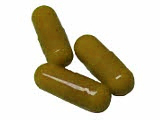
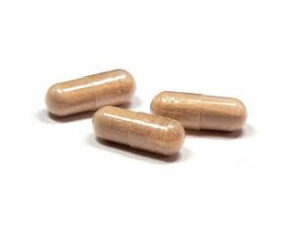
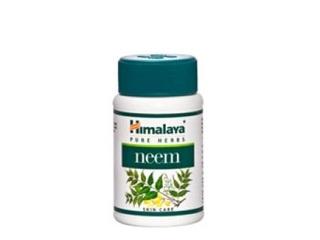
Neem (often labelled as Neem leaf or Neem oil depending on the product) is a plant-based remedy used in traditional systems of medicine, particularly in South Asia. In the UK, neem supplements are commonly available as oral capsules/tablets and some products are marketed for topical use.
This page explains how neem works, how it may be used, what to expect, and important safety information for customers in the United Kingdom.
Key Product Information
| Category | Details (general) |
|---|---|
| Common name | Neem |
| Scientific name | Azadirachta indica |
| Typical forms in the UK | Dietary supplements (e.g., leaf powder/capsules), and sometimes topical oils/creams |
| Common active constituents | Azadirachtin, nimbolide, nimbin and related limonoids (varies by product) |
| General use | Traditional support for skin, hygiene, and wellbeing; sometimes used for oral/dental support and seasonal concerns |
Note: Products vary widely in strength and composition. Always check the specific dosing instructions on your individual label and in the product information sheet. This guide provides general information and does not replace product-specific directions.
How Neem Works (Mechanism of Action)
Neem contains naturally occurring compounds, including limonoids and other phytochemicals. While the exact mechanism can vary between leaf extracts, powders, and oils, neem is thought to have several biologically relevant actions:
- Antimicrobial activity: Certain neem compounds may help inhibit the growth of some bacteria and fungi in laboratory and preclinical studies.
- Anti-inflammatory effects: Neem may help reduce inflammatory signalling pathways, which may be relevant to skin comfort.
- Antioxidant properties: Neem constituents can contribute antioxidant activity, helping neutralise oxidative stress markers.
- Skin-support effects (traditional use): In topical preparations, neem is often used for its soothing and cleansing properties.
- Other traditional claims: Neem is also used traditionally for overall wellbeing and seasonal support, although the strength of evidence varies by indication.
Important: Not all neem products contain the same amount of active constituents. Evidence from clinical studies in humans can be limited for many claims.
Pharmacokinetics: What Happens to Neem in the Body?
Pharmacokinetics describes how a substance is absorbed, distributed, metabolised, and excreted. For neem, comprehensive human pharmacokinetic data are limited because products differ in formulation and because “neem” may refer to leaf powder, extracts, or oil with different profiles.
However, general patterns seen with many plant-derived supplements include:
- Absorption: Absorption may occur via the gastrointestinal tract, but bioavailability can vary significantly depending on the form (powder vs extract), dose, and whether it is taken with food.
- Metabolism: Plant constituents are typically metabolised by the body’s normal pathways, often involving liver processing for many dietary phytochemicals.
- Distribution and elimination: Processed metabolites are likely eliminated through normal routes (commonly involving urine and/or bile), but exact routes for neem compounds are not fully characterised in humans.
Practical takeaway: Because absorption and metabolism can vary, results may differ between products and individuals. If you’re starting neem, consider tracking how you feel and how your symptoms respond over time.
Typical Use in the UK
In the UK, neem is mainly used as a dietary supplement or as part of personal care routines, depending on the product type. Common reasons customers use neem include:
- Seasonal or wellness support (traditional usage)
- Skin comfort routines when used topically (only as directed on the product)
- Oral/dental hygiene support (some oral products are marketed for this purpose)
- General antimicrobial hygiene support (more common with topical products)
Reminder: Neem is not a substitute for medical care for serious symptoms. If you have concerns such as fever, widespread rash, infection, or persistent pain, seek professional advice.
Timing: When Should You Take Neem?
Timing depends on your specific product and your tolerance.
For oral neem supplements
- With food: Taking neem with a meal can help some people tolerate it better, especially if the product is strong or acidic.
- Consistent timing: Choose a time you can stick to daily (e.g., morning with breakfast or evening with dinner).
- Split dosing (if advised): Some labels suggest splitting the daily amount to reduce stomach discomfort.
For topical neem products
- Follow label directions: Apply only to the skin area specified.
- Patch test: Try a small amount on a limited area first (see Safety section).
If you are unsure, start with the lowest recommended dose on the label and reassess.
Food Interactions
Because neem is a botanical supplement, food interactions are not fully mapped, but practical guidance can still help:
- Taking with meals may reduce stomach upset for many users.
- Avoid taking with very fatty meals unless the label recommends it, as some plant compounds may absorb differently and may increase the chance of side effects for certain individuals.
- Hydration: Drink water as usual and avoid taking neem immediately before lying down if it upsets your stomach.
If you notice nausea, diarrhoea, abdominal discomfort, or headaches, consider changing the timing (e.g., with breakfast rather than on an empty stomach) and consult a healthcare professional if symptoms persist.
Alcohol and Medicine Interactions
Alcohol
There is limited direct evidence linking neem supplements to specific adverse reactions with alcohol. However, because neem may affect the digestive system and because some plant supplements can influence liver metabolism pathways, it is sensible to:
- Limit alcohol while taking neem, especially during the first week.
- Stop and seek advice if you develop unusual fatigue, nausea, dark urine, or jaundice (yellowing of skin/eyes).
Interactions with medicines
Neem may theoretically interact with medicines that are metabolised in the liver or affect blood sugar, blood pressure, or immune function. Clinically significant interactions are not fully established for all neem products, but caution is recommended—particularly if you take regular medication.
Speak to a pharmacist or clinician before using neem if you take:
- Diabetes medicines (e.g., metformin, insulin, sulfonylureas)
- Blood pressure medicines (e.g., ACE inhibitors, beta blockers)
- Blood-thinning medicines (e.g., warfarin, direct oral anticoagulants)
- Immunosuppressant medicines
- Liver-related medicines or if you have existing liver disease
- Antibiotics or antifungals (especially if using neem as an antimicrobial support)
Practical approach: If you’re taking multiple medicines, consider spacing neem dosing away from other supplements and taking it consistently at the same time each day to make any side effects easier to track.
Indications: What Neem Is Commonly Used For
In the UK, neem is widely used based on traditional practice and general wellbeing marketing rather than as a clearly licensed treatment for specific medical conditions. Depending on your product type, neem may be used for:
- Skin and hygiene routines (topical products)
- Seasonal comfort and general wellness support (oral supplements)
- Support for oral/dental hygiene (some oral preparations marketed for this purpose)
- Overall antimicrobial hygiene support (more commonly topical; oral claims vary)
Important: If you have a diagnosed infection or persistent symptoms, do not rely on neem alone. Seek appropriate medical advice.
Dosing: How Much Neem Should You Take?
Because “Neem” products vary greatly, there is no single universal dose that fits all neem supplements. Always follow the dosing instructions on your label.
General dosing principles for oral supplements
- Start low: If you’re new to neem, begin with the lowest dose recommended on the package.
- Follow daily limits: Do not exceed the stated serving size.
- Consistency matters: Take it regularly rather than occasionally, unless your product instructions say otherwise.
- Assess after a trial period: If you’re using neem for wellness or comfort, reassess after a few weeks. If you don’t notice any benefit or if you get side effects, stop and ask for advice.
Typical label directions (example range)
Many neem supplements in capsules or tablets provide dosing directions such as:
- Once daily with food, or
- Twice daily (e.g., morning and evening) depending on the strength.
Check your specific product: For best safety and effectiveness, dosing should be based on the exact product strength and extract standardisation if provided.
Topical use (if applicable)
- Apply a small amount as directed on the product label.
- Avoid broken skin unless the product explicitly states it is suitable.
- Do not ingest topical neem oil.
Safety Profile: Who Should Be Careful With Neem?
Neem is generally considered a natural product, but “natural” does not always mean “safe for everyone.” The safety profile depends on form (leaf powder vs extract vs oil), dose, and individual conditions.
Potential side effects
Some people may experience:
- Stomach upset (nausea, cramps)
- Diarrhoea or loose stools
- Headache
- Allergic reactions (rash, itching)
Stop use and seek advice if
- You develop a rash, facial swelling, wheezing, or difficulty breathing
- Signs of liver trouble appear (yellowing eyes/skin, dark urine, persistent vomiting)
- You experience severe gastrointestinal symptoms
People who should avoid neem (or only use with professional advice)
- Pregnant or trying to conceive (safety not established)
- Breastfeeding (safety not established)
- Children unless the product is specifically designed and labelled for their age group
- People with liver disease or a history of liver problems
- Those with known allergies to neem or related plants
Topical safety
- Always patch test first.
- Avoid eyes, mouth, and broken skin.
- Stop if irritation increases.
Extra caution: Neem oil and concentrated extracts can be stronger than neem leaf supplements. Use only as directed.
Practical Use Tips (Getting the Best from Neem Safely)
- Choose reputable products: Look for clear labelling, ingredient transparency, and standardisation information where available.
- Start slowly: Begin with the recommended starting dose on the label and monitor your response.
- Track side effects: Note any stomach upset, headaches, or skin changes, including when they began.
- Be consistent: Take neem at the same time each day to make effects easier to assess.
- Don’t mix everything: If you’re trying multiple supplements, introduce them one at a time so you can identify what works or what causes problems.
- Support the basics: For skin or oral hygiene goals, keep good daily routines (gentle skincare, effective brushing and flossing, hydration).
Alternative Options
If you’re considering neem for skin, hygiene, or seasonal support, there are other common alternatives depending on your goal:
For skin comfort
- Colloidal oatmeal (soothing for many people)
- Tea tree–based products (use diluted and patch-tested)
- Gentle moisturisers with ceramides or glycerin
For oral hygiene support
- Fluoride toothpaste and interdental cleaning
- Chlorhexidine (where appropriate) for short courses (only if advised by a dentist/clinician)
- Herbal mouthwashes (use according to the label and avoid swallowing)
For general wellbeing
- Vitamin D (if deficient or advised)
- Omega-3 for general health support
- Probiotics for gut comfort (choice depends on your needs)
If your neem use is linked to a persistent or worsening symptom, consider discussing alternatives with a pharmacist or clinician.
UK Market & Legal Context (What to Expect)
In the UK, neem products sold to consumers are typically handled under food supplement or cosmetic regulations depending on their intended use and claims. The UK framework aims to ensure:
- Clear product labelling (ingredients, recommended intake, allergen and safety statements where relevant)
- Restricted health claims: Only certain claims are allowed, and claims must be properly substantiated.
- Consumer protection standards around safety and quality for authorised products.
Because labelling rules differ between supplements, cosmetics, and other categories, always read your specific product’s description to confirm what it is (supplement vs topical care product) and what claims are being made.
Recent guidance (general): UK consumer safety and trading standards emphasise careful reporting of adverse effects, correct labelling, and responsible marketing. Seek products with transparent ingredient lists and avoid those with vague or excessive “miracle cure” claims.
Delivery, Availability & Ordering in the United Kingdom
Neem supplements are widely available online in the UK. Availability depends on stock, supplier, and product type (leaf-based supplement vs topical oil). Many online pharmacy and supplement stores offer:
- Standard and express delivery options (depending on the provider)
- Secure packaging to protect capsules and liquids
- Clear dispatch time estimates
When ordering, check:
- The form (capsule/tablet vs oil)
- strength per serving (mg/mL)
- recommended daily intake
- age restrictions listed on the product page
If you have allergies or dietary restrictions (e.g., vegetarian/vegan, gelatine concerns), verify the capsule type and excipients in the label.
FAQ: Common Questions About Neem
1) Is neem safe to take every day?
Many people use neem daily for short wellness periods, but “safe for everyone” isn’t guaranteed. Follow the dose on the label, start slowly, and stop if you develop side effects. If you plan long-term daily use, it’s sensible to speak with a pharmacist—especially if you take other medicines or have ongoing health conditions.
2) How quickly might I notice effects?
Results vary widely. For wellness and hygiene routines, some people notice changes in comfort within a couple of weeks, while others notice little. If you don’t notice any benefit after a few weeks, reconsider the product and consult a professional if unsure.
3) Can I take neem with other supplements?
You can sometimes, but it’s best to introduce one new product at a time to identify any side effects. If you’re taking multiple supplements (especially those affecting immunity, blood sugar, or blood pressure), check with a pharmacist for interaction concerns.
4) Does neem interact with diabetes or blood pressure medicines?
Because neem can have biologically active compounds, potential interaction concerns exist. If you take diabetes or blood pressure medicines, consult a healthcare professional before use and monitor for symptoms such as dizziness, unusual fatigue, or changes in blood sugar readings.
5) Can I use neem oil on my skin?
Some neem oils are marketed for topical use, but safety depends on concentration and the product formulation. Always patch-test, avoid eyes and broken skin, and follow the label instructions. Do not ingest topical neem oil.
6) Is neem suitable for children?
Only use neem for children if the product label specifically states it is appropriate for their age group. Otherwise, it is best to avoid or consult a healthcare professional.
7) What if I miss a dose?
If you miss a dose, take it when you remember unless it’s close to your next dose. Do not take a double dose. Resume your usual schedule.
8) How should I store neem?
Store according to the label—typically in a cool, dry place away from direct sunlight. Keep out of reach of children.
9) Can neem cause allergies?
Yes. Allergic reactions (such as rash, itching, or more severe symptoms) can occur. Discontinue use and seek medical attention if you develop signs of allergy.
10) Where can I find the exact dosage for my product?
The exact dose will be printed on your product packaging and product page. Always follow that guidance, as neem supplements differ in strength and formulation.
Summary
Neem (Azadirachta indica) is a widely used plant-based product in the UK, typically as a dietary supplement or topical skin care ingredient depending on the specific formulation. It is believed to contain compounds that may support antimicrobial, anti-inflammatory, and antioxidant pathways.
To use neem safely:
- Choose a clearly labelled product and follow the serving instructions.
- Consider taking oral neem with food to improve tolerance.
- Be cautious with alcohol and consult a pharmacist if you take regular medicines.
- Stop use and seek advice if you experience significant side effects or allergy symptoms.
If you’d like, share the exact neem product form (leaf powder/capsules/extract/oil) and its label strength, and I can help you interpret the dosing instructions and how to fit it safely into a routine.