Nexium (Esomeprazole) — Patient Guide (UK)
Nexium contains esomeprazole, a medicine that reduces the amount of acid made by the stomach. It is widely used in the UK to help relieve symptoms such as heartburn and acid reflux (often called GORD), and to promote healing of the lining of the oesophagus when it has been damaged by acid.
This guide explains how Nexium works, how it is taken, common uses, timing with food, possible interactions, and practical tips to get the best results. Always follow the instructions provided with your product or by your healthcare professional.
Basic product information
| Feature | Information |
|---|---|
| Active ingredient | Esomeprazole |
| Medicine type | Proton pump inhibitor (PPI) |
| Common reasons for use | GORD/acid reflux, heartburn, oesophagitis healing, stomach acid-related conditions |
| How it works | Reduces stomach acid production |
| How it’s usually taken | Once daily (some conditions may need more or different schedules) |
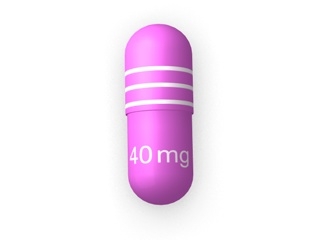
| UK availability | Often available in different strengths and formulations (e.g., capsules/tablets; availability varies by route/supply) |
How Nexium works (mechanism of action)
Esomeprazole belongs to the class of medicines called proton pump inhibitors (PPIs). Your stomach contains tiny acid-producing pumps in the stomach lining. These pumps help release hydrochloric acid into the stomach.
Nexium blocks these pumps, which lowers acid production. With less acid, symptoms such as heartburn and regurgitation become less frequent and less severe, and the oesophagus can heal.
Because it works by switching off the acid pumps, it is often most effective when taken in the correct way and consistently for the recommended course.
Pharmacokinetics (how the body handles esomeprazole)
Pharmacokinetics describes what happens to a medicine after you take it. For esomeprazole:
- Absorption: It is absorbed from the gut after taking by mouth. Absorption can be influenced by timing relative to food.
- Onset of effect: Many people notice symptom relief within the first day, but the strongest effect often occurs after several days of regular use.
- Distribution and metabolism: Esomeprazole is metabolised mainly in the liver.
- Excretion: It is eliminated mainly via the kidneys and bile in the form of metabolites.
Individual response can vary. Some medicines can change esomeprazole levels (see Interactions below).
Typical uses in the UK
Nexium is used for a range of conditions where reducing stomach acid helps:
- GORD (gastro-oesophageal reflux disease): Acid reflux causing heartburn and regurgitation.
- Erosive reflux oesophagitis: Inflammation/erosions of the oesophagus caused by acid (healing and maintenance may be required depending on severity).
- Symptom control: Reducing frequency and severity of heartburn and acid-related symptoms.
- Prevention of NSAID-related gastric problems in certain groups (depending on overall risk and medical advice).
- Conditions with excess acid production, such as Zollinger–Ellison syndrome (specialist management required).
If you’re using Nexium for frequent heartburn, persistent reflux, or symptoms not settling as expected, speak to a healthcare professional for an assessment.
Timing and how to take Nexium (food interactions)
The timing of PPI doses can affect how well they work. As a general rule:
- Best taken before food: Nexium is often recommended to be taken at least 1 hour before meals (many people find taking it in the morning before breakfast works well).
- Consistency matters: Taking it at the same time each day helps maintain steady acid suppression.
- Swallow whole: Follow the specific product instructions. Do not crush or chew unless the product is specifically designed to be opened/dispersed.
- Missed dose: If you miss a dose, take it when you remember unless it is close to the time of your next dose. Do not take a double dose to make up for a missed one.
Food interactions
Food can delay and reduce the effectiveness of PPIs if taken at the wrong time. Taking Nexium before a meal helps ensure the medicine is present in your bloodstream when your stomach begins acid production in response to eating.
You should still be able to take Nexium with water and follow the schedule recommended for your specific formulation. If you are unsure about your product, check the package leaflet.
Alcohol and lifestyle considerations
There is no single “safe amount” of alcohol that applies to everyone, especially when treating reflux. Alcohol can worsen reflux symptoms for many people by relaxing the valve between the oesophagus and stomach or by irritating the oesophagus.
If you notice that alcohol makes symptoms worse, reducing or avoiding it may improve results. While Nexium reduces acid production, it may not fully prevent reflux triggered by other factors.
Interaction with alcohol
Esomeprazole is not typically classified as having a direct hazardous interaction with alcohol for most people. However, alcohol may counteract symptom control, and heavy or frequent drinking can increase the risk of complications.
Medicine interactions (important)
PPIs can affect the absorption of some medicines because they reduce stomach acidity. Also, esomeprazole may interact with medicines metabolised by liver enzymes. Not all interactions apply to every person, so it’s important to review your current medicines and supplements.
Common interaction themes
- Medicines that require stomach acid for absorption: Reducing acid can lower absorption and effectiveness. Examples may include some antifungals and certain anticancer medicines (depending on the specific agent).
- Medicines affected by enzyme interactions: Some medicines can increase or decrease esomeprazole levels, potentially altering its effect.
- Antiplatelet medicines (e.g., clopidogrel): There is known potential interaction via CYP pathways. If you take clopidogrel or another antiplatelet medicine, discuss with a healthcare professional.
Tell a healthcare professional/pharmacist if you take
- Warfarin or other vitamin K antagonists
- Clopidogrel
- Antifungal medicines such as ketoconazole or similar (or others where acid matters)
- Digoxin (PPI-related acid reduction may affect levels in some cases)
- HIV medicines (certain combinations may be affected)
- Other PPIs or H2 blockers (to avoid unnecessary duplication)
- Any medicines prescribed for long-term conditions
Always read the leaflet of your specific Nexium product and ask for advice if you’re unsure. Interaction risk can depend on dose, duration of treatment, and your personal medicines list.
Indications (when Nexium may be recommended)
In clinical practice across the UK, Nexium is typically indicated for:
- Treatment of GORD, including symptom relief and healing of the oesophagus if damaged by acid.
- Maintenance therapy in people who relapse after treatment is stopped, depending on the condition and severity.
- Healing of erosive reflux oesophagitis and reduction of recurrence.
- Prevention or treatment of acid-related complications in selected patients (e.g., those taking NSAIDs), based on overall risk.
- Rare conditions involving increased acid secretion, usually managed under specialist care.
If you have ongoing symptoms, alarm features, or require long-term therapy, it’s important to have medical review.
Dosing: typical schedules and how to follow them
Doses vary depending on the condition, severity, and duration of treatment. Always use the dose on the label or as advised by a healthcare professional.
General dosing principles (patient-friendly)
- Once daily is common: Many people with reflux are treated once daily.
- Treatment courses: Some conditions require short-term use (e.g., symptom control), while others may require longer courses or maintenance depending on relapse risk.
- Correct timing: Taking it before meals improves effectiveness.
- Do not exceed the recommended dose: Higher doses should only be used under guidance.
Examples of dosing approach (not a substitute for instructions)
| Situation | Typical approach |
|---|---|
| New or short-term reflux symptoms | Often once daily for a limited course; review if symptoms persist |
| Erosive oesophagitis (healing) | Once daily; the exact length varies with severity and response |
| Longer-term or recurrent symptoms | May require maintenance therapy at the lowest effective dose |
| Specialist acid-overproduction conditions | Individualised dosing under specialist direction |
If you’re unsure which strength you have (e.g., 20 mg vs 40 mg) or how long to take it, check your packaging or ask a pharmacist.
How quickly does it work?
Many people notice improvement within a day, but the full benefit can take several days. If your symptoms do not improve within the expected timeframe, do not simply keep increasing the dose. Instead, seek advice to confirm the diagnosis and treatment plan.
Safety profile: side effects and what to watch for
Like all medicines, Nexium can cause side effects, although not everyone gets them. Most side effects are mild and temporary.
Common side effects
- Headache
- Diarrhoea or constipation
- Nausea
- Abdominal pain, bloating, or gas
- Dry mouth
Less common but important effects
Report promptly to a healthcare professional if you experience:
- Persistent severe diarrhoea (especially with fever or blood)
- Unexplained bruising or bleeding
- Signs of allergic reaction (rash, swelling, breathing difficulties)
- Severe dizziness or fainting
Long-term safety considerations
PPIs are generally well tolerated, but long-term use may be associated with certain risks. Healthcare professionals often aim to use the lowest effective dose for the shortest needed duration.
Possible concerns with prolonged use can include:
- Low magnesium (may cause muscle cramps, weakness, dizziness)
- Vitamin B12 deficiency in some cases
- Increased risk of certain infections (because stomach acid plays a role in killing some germs)
- Bone-related risks in high-risk individuals over long periods
If you have been taking Nexium for a long time, it’s sensible to review your ongoing need with a healthcare professional.
Stop and seek urgent help if
Get urgent medical attention if you develop any of the following:
- Chest pain that could be heart-related
- Vomiting blood or passing black/tarry stools
- Severe difficulty swallowing or persistent pain on swallowing
- Unexplained weight loss
- Persistent vomiting or anaemia-related symptoms (severe fatigue, breathlessness)
Practical use tips to get the best results
- Take it consistently: Acid suppression works best when doses are not missed.
- Use timing correctly: Take before food, especially breakfast.
- Don’t stop suddenly if advised for maintenance: If you’ve been on a longer course, stopping may lead to return of symptoms in some people.
- Pair with reflux lifestyle steps: Avoid large meals late at night, and consider elevating the head of your bed if nighttime symptoms occur.
- Check your diet triggers: For some people, fatty foods, spicy foods, chocolate, peppermint, and caffeine worsen reflux.
- Mind your posture: Avoid lying down for at least 2–3 hours after eating.
Alternative options to Nexium (discuss with a pharmacist/GP)
Depending on your symptoms and medical history, alternatives may include:
- Other PPIs (e.g., omeprazole, lansoprazole, pantoprazole) — similar class, different formulations/dosing.
- H2-receptor antagonists (H2 blockers, e.g., famotidine in some settings) — may be used in certain cases.
- Antacids — can help for rapid short-term relief of occasional heartburn. They do not provide the longer-term acid suppression that PPIs do.
- Alginate-based products — create a physical barrier that may reduce reflux episodes, especially after meals.
- Non-medicine approaches — weight management, trigger reduction, and safe eating habits.
If you have frequent symptoms (e.g., most days), you may benefit from structured review rather than relying solely on short-term remedies.
Market and legal context in the UK
In the UK, Nexium (esomeprazole) is a well-established PPI brand. Depending on strength and product format, PPIs can be available through different routes, including pharmacy supply and other healthcare pathways. Requirements for supply may vary based on dose, suitability checks, and local regulations.
UK healthcare guidance generally supports:
- Using PPIs when clinically appropriate for the shortest effective duration.
- Reassessing ongoing need for long-term therapy.
- Considering lifestyle measures and diagnostic evaluation when symptoms are persistent or complicated.
Always ensure you have the correct product strength and follow the instructions supplied with your specific Nexium pack.
Recent guidance and practical clinical approach
UK clinical practice commonly includes the following themes for PPIs:
- Confirm diagnosis when symptoms persist, especially if not responding to initial treatment.
- Look for alarm features (e.g., difficulty swallowing, bleeding, unexplained weight loss) that require prompt medical review.
- Use the lowest effective dose and review the need for continued therapy, particularly for long-term use.
- Deprescribing where appropriate with clinician support, since stopping can sometimes lead to rebound acid hypersecretion.
- Consider medication review for interactions and suitability (especially in older adults and those on multiple medicines).
If you’re taking Nexium long-term, it may be helpful to schedule a medication review with your GP or a pharmacist.
Delivery, availability, and what to expect from an online pharmacy (UK)
Availability of Nexium can vary by strength and formulation. When ordering online, you can typically expect:
- Pack sizes and strengths: Options may include different strengths (and sometimes different pack quantities).
- Product checks: Orders may require suitability checks depending on route and regulations.
- Dispatch times: Many online pharmacies dispatch within working days, subject to stock and payment confirmation.
- Delivery timeframe: Delivery speed can vary; standard and express options may be offered.
- Temperature/handling: Store medicines as instructed on the label (usually at room temperature, away from moisture).
If you need Nexium for ongoing treatment, it’s a good idea to plan ahead so you avoid running out. If you are travelling, take the required number of packs to cover your trip and carry them in your luggage as permitted.
FAQ — Nexium (Esomeprazole)
1) Is Nexium the same as omeprazole?
Nexium contains esomeprazole, while omeprazole is another PPI with a similar overall effect. They are different medicines within the same class, and response can vary between individuals.
2) When should I take Nexium for best results?
Most people get the best effect by taking Nexium at least 1 hour before meals, often before breakfast. Follow the instructions for your exact product.
3) What if I forget a dose?
Take it when you remember unless it’s close to the next dose. Do not take a double dose to compensate.
4) How long will it take to work?
Some people feel better within 24 hours, but full symptom control may take several days. If symptoms continue or worsen, seek advice.
5) Can I take Nexium with food or right after eating?
Food can reduce effectiveness if taken at the wrong time. For best results, take it before meals. If you can’t take it exactly as recommended, still follow your product leaflet and consult a pharmacist.
6) Can I drink alcohol while taking Nexium?
Alcohol may worsen reflux symptoms for many people. While a direct interaction is not usually the main concern, reducing or avoiding alcohol can improve symptom control.
7) Are there medicines that don’t mix well with Nexium?
Some medicines can interact via stomach acidity or liver metabolism. Common interaction considerations include antiplatelet medicines (e.g., clopidogrel), anticoagulants (e.g., warfarin), and some medicines that rely on stomach acid for absorption. Check your medicine list with a pharmacist if you have concerns.
8) Is it safe to take Nexium long-term?
Many people take PPIs safely for extended periods when clinically needed, but long-term therapy should be reviewed regularly. Your healthcare professional may aim for the lowest effective dose and reassess ongoing benefit.
9) Who should get medical advice urgently while using Nexium?
Seek urgent medical attention for signs such as vomiting blood, black/tarry stools, trouble swallowing, severe chest pain, unexplained weight loss, or persistent vomiting.
10) What can I do alongside Nexium to reduce reflux?
Consider lifestyle measures such as avoiding large meals late at night, reducing known trigger foods, not lying down soon after eating, maintaining a healthy weight, and elevating the head of your bed if night symptoms occur.
Important patient reminder
This information is designed to help you understand Nexium (esomeprazole) and use it more confidently. It does not replace the advice given by a pharmacist or healthcare professional. If you have questions about your suitability, other medicines you take, or the best plan for your symptoms, speak to a qualified healthcare professional.