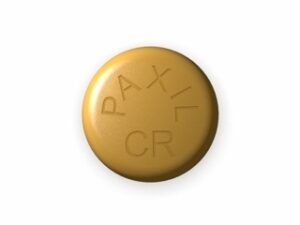
Pamelor (Nortriptyline) – Patient Information (UK)
Pamelor contains the active ingredient nortriptyline, a type of antidepressant known as a tricyclic antidepressant (TCA). In the UK, nortriptyline is used for several conditions, most commonly depression, and it can also be prescribed for certain nerve-related pain problems and other long-term conditions depending on individual needs.
This page is written to help you understand how Pamelor works, what to expect, how it’s usually taken, and what safety considerations to be aware of. If you have questions specific to you, speak with a healthcare professional.
Basic product information
- Brand name: Pamelor
- Generic name: nortriptyline
- Medicine type: tricyclic antidepressant (TCA)
- How it works: affects brain chemicals involved in mood and nerve signalling
- Typical forms: tablets (strengths vary by product and supply)
- Who it’s for: adults in many cases; suitability in children depends on indication and specialist advice
How Pamelor works (mechanism of action)
Nortriptyline works by changing the activity of certain chemicals (especially noradrenaline and serotonin) in the brain and nervous system.
Key mechanisms include:
- Reuptake inhibition: it blocks the reuptake of noradrenaline (and to a lesser extent serotonin), helping neurotransmitters remain available for signalling.
- Receptor effects: it also interacts with several receptor types, which contributes to benefits but also explains some side effects (for example, effects on histamine, muscarinic receptors, and certain heart electrical pathways).
- Pain-modulating effects: for some chronic pain conditions, TCAs can help reduce pain signals over time by influencing nerve signalling pathways.
Important: Although it may be started for depression, nerve pain, or other long-term problems, nortriptyline often takes time to show full benefit.
Pharmacokinetics (how your body handles nortriptyline)
Pharmacokinetics describes what happens after you take a dose—absorption, distribution, metabolism, and excretion.
- Absorption: nortriptyline is absorbed from the gastrointestinal tract after oral dosing. Food may not be required to be taken with it, but food can influence how you feel if nausea or stomach sensitivity occurs.
- Onset of effect: some effects (such as sleep or anxiety-related symptoms) may appear early, but antidepressant or pain benefits typically take weeks.
- Metabolism: nortriptyline is metabolised mainly in the liver by enzyme systems including CYP2D6.
- Half-life: it has a relatively long half-life compared with some other antidepressants, supporting once- or twice-daily dosing depending on the regimen.
- Elimination: metabolites are excreted mainly via urine (and partly via other routes).
Why this matters: because metabolism can differ between individuals, and because nortriptyline can build up with repeated dosing, adjustments and monitoring may be considered by clinicians, particularly if side effects occur or if doses are changed.
Typical uses (indications)
Nortriptyline may be used to treat:
- Depression in adults
- Neuropathic (nerve) pain in appropriate conditions (for example, some forms of chronic nerve pain)
- Other conditions depending on specialist judgement and local practice (your prescriber will match the medicine to your specific diagnosis)
Note on suitability: the right choice depends on your medical history, current medicines, heart rhythm history, and the balance of likely benefit versus risk.
When and how to take Pamelor (timing and dosing principles)
Follow the instructions given with your medication. The information below describes common approaches used in practice.
Starting and adjusting
- Start low, go slow: many people begin at a lower dose and increase gradually to reduce side effects.
- Divide dosing if needed: depending on your plan, doses may be taken once daily or split across the day.
- Consistency: take it at about the same time each day.
Best time of day
- Nortriptyline can be sedating for some people. If this applies to you, it may be taken in the evening.
- If it makes you feel too drowsy the following day, your clinician may adjust the timing or dose.
Timing related to meals
- You can generally take nortriptyline with or without food.
- If it upsets your stomach, taking it after a meal may help.
Typical dosing (general guidance)
Dose varies by condition, response, and tolerance. A healthcare professional determines the appropriate dose for you.
The table below summarises common dosing ranges seen in clinical practice. Your personal dose may be lower or higher depending on your situation.
| Condition (example) | Typical starting approach | General range seen in practice | How increases are handled |
|---|---|---|---|
| Depression | Lower dose initially (often at night) | Commonly within a range such as 25 mg to 75 mg daily | Gradual increases every 1–2 weeks depending on response and side effects |
| Neuropathic pain (where appropriate) | Lower starting dose | Often within a similar daily range, tailored to effect and tolerance | Titrate slowly; some people benefit at lower doses |
Monitoring: in some settings, clinicians may consider checking heart-related safety (for example, ECG) or blood levels, particularly at higher doses, in older adults, or if there are risk factors or side effects.
Food interactions
Nortriptyline is not generally described as having a strong “must avoid” food interaction, but a few practical points are useful:
- Meal consistency: taking it at similar times each day helps your body maintain steady levels.
- Grapefruit: grapefruit and grapefruit juice can affect certain drug-metabolising pathways for some medicines. While the interaction risk with nortriptyline is not the same as with every antidepressant, it’s sensible to ask your pharmacist if you plan to consume grapefruit regularly.
If you experience nausea, dizziness, or indigestion, taking the dose with food may improve tolerability.
Alcohol and medicine interactions
Alcohol
- Avoid or minimise alcohol. Alcohol can worsen dizziness, drowsiness, and impaired coordination.
- Combining alcohol with antidepressants may also increase the risk of feeling unwell or more depressed.
Medicines that may interact (important)
Nortriptyline can interact with other medicines, including those affecting heart rhythm, sedation, and liver enzymes. Some interactions can be serious.
Tell a healthcare professional or pharmacist about all medicines you take, including:
- Other antidepressants and medicines for mental health
- Pain medicines (including opioids) and sedatives
- Medicines that affect heart rhythm or the QT interval
- Medicines that influence liver enzymes (including some used for infections)
- Antihistamines and cold/flu remedies that may cause drowsiness
- Medicines for epilepsy
- Medicines for high blood pressure or heart conditions
- St John’s wort (an herbal product that can affect metabolism)
Enzyme interactions: because nortriptyline is metabolised partly by CYP2D6, some drugs can increase or decrease nortriptyline levels. This may increase side effects or reduce benefit.
Serotonin-related combinations: taking nortriptyline together with other medicines that increase serotonin may raise the risk of serotonin-related side effects. A clinician can advise which combinations are safe for your specific therapy.
Important safety note: if you start, stop, or change any medicine (including antibiotics or antifungals), check whether it could affect nortriptyline levels or heart safety.
Safety profile and practical side effect management
Like all medicines, nortriptyline can cause side effects. Many people experience mild side effects at the start, which may lessen as the body adjusts. Others may persist; your healthcare professional can advise whether a dose adjustment or alternative treatment is appropriate.
Common side effects
- Drowsiness or sedation
- Dry mouth
- Constipation
- Dizziness (especially when standing up quickly)
- Blurred vision (temporary)
- Increased appetite or weight gain in some people
- Sweating
- Tremor or shakiness in some cases
Less common but important effects
- Heart rhythm changes (palpitations, irregular heartbeat)
- Urinary retention (difficulty passing urine), especially in people with prostate enlargement
- Confusion or worsening cognition, particularly in older adults
- Blood pressure changes (including orthostatic hypotension)
- Sexual side effects
Seek urgent help if you have
- Severe dizziness or fainting
- Chest pain, severe shortness of breath, or a very irregular heartbeat
- Signs of an allergic reaction (swelling of face/lips, difficulty breathing)
- Symptoms suggestive of a serious reaction after starting or increasing the dose
Practical use tips
- Give it time: if you’re using it for depression or chronic pain, improvement often takes several weeks.
- Track early changes: note sleep, mood, pain, and side effects for the first 2–4 weeks. This helps your clinician fine-tune the dose.
- Rise slowly: if you feel light-headed, stand up slowly from sitting or lying down.
- Manage dry mouth: sip water regularly, consider sugar-free gum or sweets, and maintain good oral hygiene.
- Prevent constipation: include fibre and fluids in your diet and consider discussing a suitable stool softener with a pharmacist if needed.
- Driving and machinery: avoid driving or operating machinery if you feel drowsy, dizzy, or have blurred vision.
- Do not stop suddenly: abrupt stopping can worsen symptoms or cause withdrawal-like effects. If discontinuation is needed, tapering is usually advised under medical guidance.
Stopping or missing doses (general advice)
Missing a dose: if you miss a dose, take it when you remember unless it’s close to your next dose. Do not take extra doses to make up for a missed dose.
Stopping: when stopping nortriptyline, tapering helps reduce the chance of unpleasant discontinuation symptoms. Follow the plan from your healthcare professional.
Alternative options (if nortriptyline isn’t suitable)
Alternative treatments depend on why you’re taking nortriptyline (for example, depression vs nerve pain), your medical history, and your risk factors. Your clinician may consider options such as:
- Other antidepressants (e.g., SSRIs/SNRIs or other agents), depending on suitability
- Other medicines for neuropathic pain (such as medicines in the gabapentinoid group or other pain-modulating drugs)
- Non-medicine approaches for depression or pain, including talking therapies, sleep and lifestyle adjustments, physiotherapy, and pain management programmes
Important: do not switch or combine medicines without professional advice, because antidepressants have different interaction profiles and discontinuation risks.
UK market and legal/regulatory context
In the United Kingdom, medicines like nortriptyline are regulated by the Medicines and Healthcare products Regulatory Agency (MHRA) and are dispensed in line with UK medicines legislation and safety frameworks. Tricyclic antidepressants have established clinical use, but they also carry important safety considerations—particularly concerning heart rhythm and overdose risk.
Availability in the UK may vary by formulation, strength, and manufacturer supply. Pharmacists may dispense branded or generic alternatives based on prescribing and supply arrangements.
Recent UK guidance and safety considerations (overview)
Clinical guidance in the UK for depression and chronic pain commonly emphasises:
- Individual risk assessment before starting antidepressants, including factors such as heart disease history, fall risk, and medicines interactions.
- Gradual titration and close monitoring during initiation or dose changes.
- Review of tolerability and effectiveness after a suitable trial period.
- Awareness of older adults being more susceptible to anticholinergic side effects, dizziness, and sedation.
While guidance can change over time, the principles above remain key. Your healthcare professional can also provide the most up-to-date local advice for your situation.
Delivery, availability, and how to get your medicine (UK)
Availability can depend on stock levels and strength/formulation. Online pharmacies serving the UK typically offer:
- Clear stock status (in stock / back order if applicable)
- Estimated delivery times based on your postcode area
- Secure packaging to protect tablets and preserve label information
- Tracking updates for some delivery services
Delivery considerations: ensure you can safely receive the parcel and store the medicine according to the label instructions. Keep medicines out of reach of children.
Availability note: if Pamelor is temporarily unavailable, your pharmacist may be able to discuss suitable alternatives (such as a generic equivalent) where permitted and appropriate for your care plan.
FAQ – Pamelor (Nortriptyline)
1) How long does it take for Pamelor to work?
Some people notice changes in sleep, anxiety, or restlessness within the first days to 1–2 weeks. However, for depression or long-term pain benefits, it often takes 2–6 weeks (sometimes longer) to feel the full effect.
2) Should I take Pamelor in the morning or at night?
Many people take it at night because it can be sedating. If it makes you drowsy during the day, or if it worsens insomnia, your prescriber may adjust the timing.
3) Can I drink alcohol while taking nortriptyline?
It’s generally best to avoid or minimise alcohol. Alcohol can increase drowsiness, dizziness, and impaired coordination. If you want to drink, discuss it with a pharmacist or healthcare professional first.
4) What foods should I avoid?
There are no universally strict food bans for nortriptyline, but it can help to take it with food if it upsets your stomach. If you consume grapefruit regularly, ask a pharmacist whether it’s advisable for you.
5) What side effects are most common?
Common side effects include dry mouth, constipation, drowsiness, dizziness (especially when standing), and blurred vision in some people. These often improve after the first couple of weeks.
6) Is Pamelor safe for older adults?
Older adults may be more prone to dizziness, falls, constipation, and confusion with TCAs. A clinician may start at a lower dose and review regularly. It’s important to report all other medicines and any fall history.
7) Are there medicines I should not take with nortriptyline?
Nortriptyline can interact with many medicines—especially those affecting heart rhythm, sedation, and liver metabolism. It’s essential to check interactions with a pharmacist and to keep your medicine list up to date.
8) What should I do if I feel worse after starting?
If your symptoms worsen rapidly, you feel unsafe, or you experience troubling side effects (such as palpitations or fainting), contact a healthcare professional promptly. If you are in immediate danger, seek urgent emergency help.
9) Can I stop Pamelor suddenly?
Stopping suddenly is often not recommended. Discontinuation can cause unpleasant symptoms. If you need to stop, ask for a tapering plan.
10) Where can I find more information?
Your pharmacist can provide advice specific to your product and situation. Always read the leaflet that comes with the medicine for the most accurate, product-specific details.
Disclaimer: This information is intended to support understanding of nortriptyline and is not a substitute for advice from a healthcare professional. If you have concerns about side effects, interactions, or suitability for your condition, speak with a pharmacist or clinician.