
Prograf (Tacrolimus) – Patient Guide (United Kingdom)
Prograf contains tacrolimus, an immunosuppressant medicine used to help prevent organ rejection. It works by reducing the activity of the immune system. Because tacrolimus has a narrow safety margin and levels can be affected by diet, other medicines, and individual differences in absorption, it is important to follow your dosing schedule carefully and attend blood tests as advised.
This guide explains what Prograf is, how it works, how it behaves in the body, what it’s used for, and practical considerations for day-to-day use. It also covers safety information and common questions.
Basic product information
- Medicinal ingredient: Tacrolimus
- Brand: Prograf
- Medicine type: Immunosuppressant (calcineurin inhibitor)
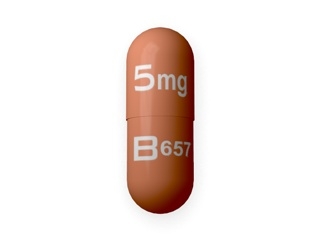
- Common form: Oral capsules
- Typical monitoring: Blood tacrolimus level (TDM) and kidney function tests
- Key safety message: Tacrolimus exposure must be monitored; avoid unplanned switching between tacrolimus brands/formulations
Important: Brand names, capsule strengths, and formulations may differ. In the UK, tacrolimus products are regulated medicines and may include different “modified release” formulations. Always use the specific product and dosing schedule your clinician has recommended.
How Prograf works (mechanism of action)
Prograf is a calcineurin inhibitor. It helps control the immune response by blocking signals inside T-lymphocytes (a type of white blood cell) that would normally activate immune reactions. By reducing this activation, Prograf lowers the risk that the immune system will attack a transplanted organ.
Tacrolimus is effective but requires careful dose adjustment because immune suppression that is too low may increase rejection risk, while immune suppression that is too high increases the risk of infections and other adverse effects.
Pharmacokinetics: how the body handles tacrolimus
Pharmacokinetics (PK) describes absorption, distribution, metabolism, and elimination. Tacrolimus has variable absorption from the gut, meaning blood levels can differ between people and even within the same person over time.
- Absorption: Taken by mouth; absorption can vary with food and gastrointestinal changes.
- Distribution: Tacrolimus distributes widely throughout the body and binds strongly to blood proteins.
- Metabolism: Mainly metabolised in the liver and gut by CYP3A enzymes.
- Elimination: Metabolites are cleared primarily through the bile/feces. Kidney function affects the overall picture, so monitoring is important.
- Therapeutic drug monitoring: Blood tacrolimus “trough” levels are often checked to guide dose adjustments.
Because tacrolimus is metabolised by CYP3A, many medicines and foods that affect CYP3A can change tacrolimus levels. This is why your medicine list should be checked frequently, especially when starting or stopping other treatments.
What Prograf is used for (indications)
Prograf is used in people who have received organ transplants to help prevent rejection and to treat certain rejection situations as directed by a specialist. The most common use is in transplant recipients, including:
- Prevention of organ rejection in transplant patients
- Treatment of rejection episodes (as part of clinical management plans)
Your specialist will tailor the regimen to the type of transplant, your overall condition, other medicines used, and your tacrolimus blood levels.
How to take Prograf: timing and dosing basics
Prograf is usually taken twice daily in many regimens, with dosing times kept as consistent as possible. Tacrolimus levels are often monitored with a trough level—the concentration just before your next dose.
General timing guidance
- Take at the same times each day to support stable blood levels.
- If you miss a dose, follow the instructions given to you by your healthcare team or pharmacy. Do not double up unless told to do so.
- Do not stop tacrolimus suddenly without medical advice.
Dosing: what to expect
Tacrolimus dosing is individual. Typical starting doses depend on transplant type, other immunosuppressive medicines, and your tacrolimus level results. Doses are then adjusted to achieve an appropriate therapeutic range while balancing safety.
Typical approach in clinical practice:
- Initial dosing: Determined by transplant type and clinical context.
- Maintenance dosing: Adjusted based on blood test results and organ function.
- More frequent monitoring: When doses change, when interacting medicines are started/stopped, during acute illness, or if gastrointestinal symptoms change.
Below is a patient-friendly overview (not a substitute for your personalised regimen):
| Stage | What commonly happens | Why it matters |
|---|---|---|
| Starting treatment | Dose chosen based on transplant plan; blood tests scheduled | Helps reach the right level to reduce rejection risk |
| Early follow-up | Frequent tacrolimus level checks and dose adjustments | Levels can change due to absorption and interactions |
| Long-term maintenance | Regular monitoring with a stable dose if possible | Maintains control while minimising side effects |
| Medication changes/illness | Additional monitoring; possible temporary dose adjustments | Interacting medicines and vomiting/diarrhoea can alter exposure |
Food interactions: what to know
Food can influence tacrolimus absorption. To support consistent exposure, clinicians often recommend a consistent approach to taking Prograf relative to meals. This may mean taking it at the same time in relation to food each day.
Practical food tips
- Keep your routine consistent (same meal timing, same relation to meals).
- Grapefruit and grapefruit juice are generally best avoided because they can increase tacrolimus levels.
- Discuss any major dietary changes with your transplant team, especially if you notice symptoms or have new blood test results.
Alcohol and medicine interactions
Alcohol does not usually have a direct, reliable effect on tacrolimus in the way some foods and medicines do, but it can affect overall health. Alcohol may also interact indirectly—especially if it affects liver function, increases nausea, or leads to dehydration.
If you plan to drink alcohol, consider the following:
- Seek advice from your clinician, particularly if you have liver problems or are on other medicines affected by alcohol.
- Stay hydrated and avoid heavy or binge drinking.
- If you develop vomiting or diarrhoea after alcohol intake, contact your transplant team because dehydration can influence drug exposure and kidney function.
The most important interactions for Prograf involve medicines that affect CYP3A and P-glycoprotein pathways. Always check before starting new prescriptions, over-the-counter medicines, or herbal products.
Common medicine interactions (very important)
Tacrolimus levels can rise or fall when taken with other medicines. This can happen even with relatively “common” drugs. Below are examples of interaction categories. Your pharmacist can help you check your specific medicine list.
Examples of medicines that may increase tacrolimus levels
- Some antifungal medicines (e.g., azole antifungals)
- Some antibiotics (e.g., macrolides like clarithromycin, and others depending on the regimen)
- HIV protease inhibitors and boosters (depending on regimen)
- Some medicines for hepatitis C (depending on combination)
- Calcium channel blockers (e.g., diltiazem/verapamil in some cases)
- Herbal products such as St John’s wort (often decreases tacrolimus; see below)
Examples of medicines that may decrease tacrolimus levels
- Rifampicin and similar antibiotics (depending on indication)
- Some anticonvulsants (e.g., carbamazepine, phenytoin, phenobarbital)
- St John’s wort (can significantly reduce tacrolimus exposure)
What to do if you need another medicine
- Tell your transplant team and pharmacist about all medicines you take.
- Do not start or stop medicines on your own, including “as-needed” treatments.
- If you must use an interacting medicine, the tacrolimus dose may need adjustment and additional blood tests may be arranged.
Safety profile: side effects and when to seek help
Like all medicines, Prograf can cause side effects. The risk and severity vary between individuals and depend on tacrolimus blood levels, dose, other immunosuppressants, and your overall health.
Commonly reported side effects
- Neurotoxicity: headache, tremor, dizziness
- Gastrointestinal: nausea, diarrhoea, abdominal discomfort
- Kidney effects: changes in creatinine (kidney function may be affected)
- Blood disorders: changes in blood counts
- Metabolic effects: increased blood sugar (hyperglycaemia), electrolyte changes
- Infection risk: increased susceptibility to infections due to immune suppression
Serious side effects: seek urgent medical advice if
- Signs of serious infection: fever, chills, severe sore throat, persistent cough, or rapidly worsening symptoms
- Allergic reactions: swelling of face/lips, difficulty breathing, widespread rash
- Severe kidney problems: significantly reduced urine output, marked swelling, or unexplained severe fatigue
- Neurological symptoms that are severe or worsening: confusion, seizures, severe tremor
- Unexpected bleeding or bruising
- Severe diarrhoea or vomiting leading to dehydration
Important long-term safety considerations
Long-term immunosuppression increases the risk of certain malignancies and may increase susceptibility to opportunistic infections. Attend all scheduled follow-ups, screenings, and vaccinations advice (where appropriate).
Practical use tips for patients
- Keep a medication routine: take Prograf at the same times daily and use reminders if helpful.
- Attend blood tests: tacrolimus level checks and kidney function tests are essential for safe dosing.
- Do not switch tacrolimus products without advice: different formulations may not be interchangeable due to release characteristics.
- Manage missed doses carefully: follow your provided instructions; contact your clinician/pharmacy if unsure.
- Track symptoms: note any diarrhoea/vomiting, fever, new fatigue, tremor, or changes in urine output and report them promptly.
- Use a complete medicine list: include prescriptions, over-the-counter medicines, vitamins, herbal products, and occasional treatments.
- Skin protection: consider sun protection measures and regular skin checks, since immunosuppression can increase skin cancer risk.
- Vaccinations: immunosuppressed patients may need tailored vaccination plans; discuss this with your healthcare team.
Typical use timeline (what “early vs later” may feel like)
Many transplant recipients experience closer monitoring early after transplant, followed by more stable routines later. It’s normal for tacrolimus doses to change in the first months as blood levels and organ function settle.
- After transplant / dose changes: blood tests may be more frequent (often including tacrolimus trough levels).
- Stabilisation phase: if tacrolimus levels remain in range and side effects are manageable, monitoring schedules may become less frequent.
- Ongoing maintenance: continue regular monitoring and remain vigilant about interactions and infection symptoms.
Alternative options
There are other immunosuppressants used in transplant medicine and sometimes alternative tacrolimus formulations or regimens. Options may include different tacrolimus formulations or other classes of immunosuppressive medicines depending on transplant type and individual factors.
Examples of alternative approaches may include:
- Alternative tacrolimus formulations (where available and appropriate)
- Other immunosuppressants such as mycophenolate, corticosteroids, and others used as part of combination regimens
- Other calcineurin inhibitors (in selected cases)
Whether an alternative is suitable depends on your transplant history, current tacrolimus levels, side effects, and interactions with other treatments. If you are considering a change, discuss it with your specialist team; the goal is to maintain appropriate immunosuppression safely.
United Kingdom market and legal context
In the UK, Prograf (tacrolimus) is a prescription-only medicine and is licensed for use according to specific product information. Medicines are regulated by the Medicines and Healthcare products Regulatory Agency (MHRA). Healthcare professionals and pharmacists have responsibilities to ensure appropriate use, safe supply, and monitoring where needed.
Patients should use medicines only from reputable sources and avoid counterfeit or unlicensed products, which may be unsafe or not contain the correct dose. When purchasing online in the UK, it is important to ensure the pharmacy is legitimate and complies with relevant regulations.
Recent guidance and monitoring trends
While local protocols can vary by transplant centre, UK clinical practice commonly emphasises:
- Therapeutic drug monitoring (TDM) for tacrolimus, especially during early treatment and when interacting medicines are introduced.
- Consistency of formulation and dosing schedule to reduce variability in exposure.
- Early reporting of infection symptoms and gastrointestinal upset to help prevent complications.
- Careful review of medication interactions when adding antibiotics, antifungals, antivirals, or herbal supplements.
Always follow advice from your transplant team, including when to have blood tests and how to manage dose changes. This information is general and may not reflect your personal regimen.
Delivery and availability (UK)
Prograf availability can vary by strength and pack size. Online pharmacies in the UK may offer:
- Standard delivery or scheduled dispatch windows
- Next-day or nominated delivery slots from some providers (subject to availability and local areas)
- Discreet packaging options
Delivery times depend on stock levels and courier services. Where a medicine is not immediately available, pharmacies may use established ordering workflows to obtain it from licensed wholesalers.
If you need a refill, try to order early to avoid delays, particularly because tacrolimus dosing should not be interrupted. If you are running low, contact your pharmacy promptly for advice.
FAQ
1) Why do I need blood tests with Prograf?
Tacrolimus levels can vary between people and can change with diet, illness, and interacting medicines. Blood tests (often including trough levels) help your clinician adjust the dose to reduce the risk of rejection while minimising side effects.
2) Can I take Prograf with food?
Food may affect absorption. Many transplant teams recommend taking Prograf in a consistent way relative to meals. Ask your clinician or pharmacist for the specific instruction that applies to your regimen.
3) What foods should I avoid?
Grapefruit and grapefruit juice are typically best avoided because they can increase tacrolimus levels. Also keep your overall meal timing consistent and discuss major dietary changes with your transplant team.
4) Can I drink alcohol?
Moderate alcohol may be possible for some people, but it depends on your health and other medicines. Because alcohol can affect hydration and liver function, it’s safest to ask your clinician, especially if you have liver disease or kidney issues.
5) What should I do if I miss a dose?
Follow the guidance you were given for missed doses. In general, do not double up to catch up unless you have been told to do so. If you are unsure, contact your pharmacy or transplant team for advice.
6) Are there medicines I should not take with Prograf?
Many medicines can interact with tacrolimus, especially those that affect CYP3A metabolism. This includes some antifungals, certain antibiotics, antivirals, and herbal products such as St John’s wort. Always get pharmacist advice before starting new treatments.
7) What side effects are most important to watch for?
Watch for signs of serious infection (fever, severe sore throat, persistent cough), kidney problems (reduced urine output, marked swelling), severe neurological symptoms, or severe vomiting/diarrhoea. Report worrying symptoms promptly.
8) Can I switch between Prograf and other tacrolimus products?
Switching between tacrolimus products may change how the medicine is absorbed. Do not switch without guidance from your transplant team. If a switch is planned, additional blood tests may be needed.
9) Does Prograf affect vaccinations?
Some vaccines may be unsuitable for immunosuppressed patients. Your transplant team can advise on which vaccinations are safe and recommended.
10) How should I store Prograf?
Store at the temperature and conditions stated on the package. Keep capsules in their original packaging, away from moisture and heat. Keep out of the sight and reach of children.
Need personalised advice?
Tacrolimus therapy is highly individual and depends on your transplant type, blood test results, and your overall medicine list. If you have questions about interactions, timing, or side effects, speak to your pharmacist or transplant team.
Remember: This information is a general patient guide. Always follow the specific instructions provided by your healthcare professional.