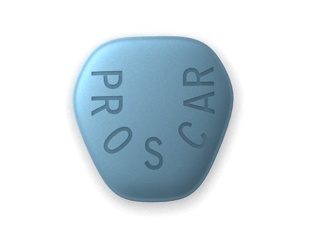


Propecia (Finasteride) – Patient Information (UK)
Propecia is a brand of finasteride, a medicine used to treat certain conditions linked to hormone activity in the body—particularly the production of dihydrotestosterone (DHT). In the UK, Propecia is commonly prescribed for male pattern hair loss and, in some cases, other prostate-related conditions depending on the strength of finasteride being used.
This page explains how Propecia works, how it’s typically taken, what to expect, and important safety information. It is written for patients and aims to be clear and practical.
Quick product overview
| Feature | Information |
|---|---|
| Brand name | Propecia |
| Active ingredient | Finasteride |
| Common strength (for hair loss) | 1 mg tablets (often referred to as “Propecia”) |
| What it does | Reduces DHT levels by blocking the enzyme 5‑alpha reductase |
| Typical use | Male pattern hair loss (and sometimes other hormone-related conditions under medical guidance) |
| How long it takes to work | Results typically take months; improvement often assessed after 3–6 months |
| Who it’s for | Usually adult men for hair loss. Not for use in women or children. |
How Propecia works (mechanism of action)
Finasteride works by lowering levels of DHT (dihydrotestosterone). DHT is an androgen hormone formed from testosterone by an enzyme called 5‑alpha reductase. In men prone to male pattern hair loss, DHT contributes to:
- Hair follicle miniaturisation (hair becoming finer and shorter)
- Shorter growth cycles for scalp hair
- Progressive thinning over time
Propecia inhibits 5‑alpha reductase, reducing conversion of testosterone to DHT. With lower DHT, the process that contributes to hair thinning can slow, and some people may regain density or reduce further loss.
Pharmacokinetics: how the body handles finasteride
Understanding pharmacokinetics helps explain why Propecia is taken consistently and why effects can take time.
- Absorption: Finasteride is absorbed after oral dosing. Peak blood levels typically occur within a few hours.
- Distribution: It distributes through the body, including to tissues where DHT is relevant.
- Metabolism: The liver metabolises finasteride into inactive metabolites.
- Elimination: The medicine is cleared from the body over time.
- Half-life: Finasteride has a relatively long terminal half-life, supporting once-daily dosing and making missed doses less immediately disruptive.
Note: Individual pharmacokinetic details can vary between people based on age, liver function, other medicines, and overall health.
What Propecia is used for (indications)
In the UK, the 1 mg finasteride preparation associated with Propecia is used to treat:
- Male pattern hair loss (androgenetic alopecia) in men.
Other finasteride strengths may be used under medical direction for prostate-related conditions (for example, with different dosing). The information here focuses on the general features of finasteride therapy.
Typical dosing for male pattern hair loss
The usual dose for male pattern hair loss is:
- 1 mg once daily by mouth.
Important: Always follow the dosing plan advised by your clinician and the information on your specific product packaging.
Timing and consistency
Take Propecia at about the same time every day. Because the medicine has a long half-life, timing is flexible, but consistency helps you maintain stable hormone suppression and gives the best chance of seeing benefit.
- If you usually take it in the morning, keep it in the morning.
- If you prefer evenings, take it consistently in the evening.
- You may take it with or without food.
If you miss a dose
If you forget a dose, take it as soon as you remember on the same day. If it’s nearly time for the next dose, skip the missed dose and return to your normal schedule. Do not take a double dose to make up for the missed tablet.
How to take Propecia: practical use tips
- Swallow whole with water; do not crush or split unless your clinician specifically instructs otherwise.
- Give it time: hair changes are gradual. Plan for ongoing treatment rather than expecting rapid results.
- Consider baseline photos: taking consistent photos every 4–6 weeks can help you track changes.
- Use the right expectations: for many people, Propecia helps slow hair loss and may improve thickness, but results vary.
- Discuss other hair loss treatments: if you use topical therapies or supplements, ask whether they are appropriate alongside finasteride.
When to expect results
Hair regrowth and thickening generally develop slowly.
- First noticeable changes: commonly after 3 months.
- Better assessment window: often after 6–12 months.
- Maintenance: benefits typically require ongoing treatment. Stopping finasteride usually leads to the return of DHT activity over time, and hair loss may gradually resume.
Some people see improvement sooner, others later, and a minority may see limited benefit. Your clinician can help you judge whether it’s working for you.
Food interactions
Food does not generally present a clinically significant interaction with finasteride. Propecia can be taken with or without meals.
As with any medicine, if you experience stomach upset, you may find it easier to take it with food.
Alcohol and Propecia
Alcohol is not known to have a specific direct interaction with finasteride. However, alcohol can affect overall health, liver metabolism, and adherence to your treatment schedule.
- For most people, moderate alcohol intake is unlikely to create problems.
- If you drink heavily or have liver disease, discuss this with a clinician before starting finasteride.
Practical tip: If alcohol is part of your routine, choose a consistent time for Propecia that you can realistically maintain.
Interactions with other medicines
Most people on finasteride do not experience major interactions. However, it’s important to consider your full medication list (including over-the-counter medicines, herbal products, and supplements).
Possible interaction themes
- Hormonal agents: medicines that alter androgen levels may have additive effects, although finasteride specifically targets DHT production.
- Medicines affecting liver enzymes: finasteride is metabolised in the liver. Strong enzyme inducers or inhibitors may theoretically influence levels, though clinically significant interactions are uncommon.
- Other hair loss treatments: topical treatments (such as minoxidil) are frequently used alongside finasteride, but it’s still worth checking your regimen.
What to do
- Keep a list of your current medicines and share it with your pharmacist/clinician.
- Don’t start or stop medicines without checking for interactions if you are taking finasteride.
Safety profile and important warnings
Like all medicines, Propecia can cause side effects. Many are mild, and not everyone experiences them. You should seek advice promptly if you have concerns about any symptoms.
Commonly reported side effects
- Sexual-related changes (for example, reduced libido)
- Erectile dysfunction
- Reduced ejaculate volume
- Breast tenderness or breast enlargement (gynaecomastia)
Some side effects may improve or resolve with continued use or after discontinuation, but this varies. If you develop bothersome symptoms, contact a clinician for guidance.
Serious but less common risks
- Breast lumps or persistent nipple changes: report promptly.
- Allergic reactions: seek urgent help if you develop swelling of the face/lips or breathing difficulties.
- Depression or mood changes: if you notice significant changes in mood, discuss with a healthcare professional.
Prostate and PSA considerations
Finasteride can reduce PSA (prostate-specific antigen) levels. This may affect interpretation of PSA blood tests used for prostate assessment. If you are monitored for prostate health, inform your clinician that you take finasteride.
Pregnancy and exposure precautions
Finasteride can be harmful to a developing male foetus. Women who are pregnant or may become pregnant should avoid exposure to crushed tablets.
- If tablets are accidentally crushed or broken, avoid contact with the powder.
- Store tablets safely out of reach.
- Handle with care and follow the packaging instructions.
Who should take care (special precautions)
Please consult a clinician before using Propecia if you have any of the following:
- Liver problems (finasteride is metabolised by the liver)
- A history of hormone-related sexual side effects
- Any breast symptoms (lumps, nipple discharge, persistent tenderness)
- Concerns about fertility or trying for a pregnancy (discuss options and monitoring)
In addition, ensure you keep follow-up appointments and report any new or worrying symptoms.
Practical checklist before starting
- Confirm suitability: finasteride is intended for specific conditions and patient groups.
- Review your meds: bring a list of all current medicines and supplements.
- Know baseline symptoms: note hair loss pattern and timing.
- Plan follow-up: decide when you’ll reassess progress (often around 6 months).
- Understand side effects: know what changes to watch for (sexual function, breast symptoms, mood changes).
Alternative options for male pattern hair loss
Not everyone responds to finasteride, and some prefer different treatment approaches. Options may include:
Topical treatments
- Minoxidil (topical): can help stimulate hair growth and improve density for some people.
Other oral options
- Some clinicians may discuss other medication options depending on the cause and your health profile; availability and suitability vary.
Procedural options
- Hair transplant surgery for selected candidates
- Scalp treatments used under professional guidance
Lifestyle and supportive measures
- Address nutrition (iron, zinc, vitamin D) if deficient
- Manage scalp health and avoid harsh styling practices
- Consider evaluation for other hair loss causes if the pattern is unusual
Tip: If you’re unsure whether your hair loss is truly androgenetic, a clinician or dermatologist can help confirm the diagnosis before starting long-term therapy.
UK market and legal context (overview)
In the United Kingdom, availability of medicines depends on licensing, regulation, and classification. Finasteride products are regulated under UK medicines law and are supplied through appropriate routes.
Key points for UK patients:
- Branding: Propecia is a brand name for finasteride. Exact formulations may vary by manufacturer.
- Quality standards: UK medicines must meet safety, quality, and efficacy requirements set by regulators.
- Patient information: Medicines should be supplied with clear instructions and warnings.
Guidance and prescribing practices can evolve as more evidence becomes available and as safety monitoring improves. Always rely on current information provided by UK healthcare professionals and official medicine sources.
Recent guidance and evidence (high-level summary)
Over recent years, the clinical focus for finasteride has included:
- Balancing benefit and risk for individual patients
- Monitoring for sexual side effects and breast-related symptoms
- Awareness about PSA interpretation in prostate monitoring
- Ongoing patient education about pregnancy exposure precautions
In practice, clinicians typically recommend assessing treatment response over several months and reviewing any side effects early so that decisions can be made promptly if changes are needed.
Delivery and availability (UK)
Availability of Propecia (finasteride) may differ between online pharmacies and local retail options. When ordering from an online pharmacy:
- Check that the product is licensed for sale in the UK.
- Confirm the strength matches what you intend to use (commonly 1 mg for male pattern hair loss).
- Look for sealed packaging and included patient information resources.
- Ensure dispatch times and delivery options suit your needs.
Storage: Store tablets according to the product label, typically at room temperature away from excessive heat and moisture.
Handling: Keep out of sight and reach of children. Pregnant people should avoid handling broken/crushed tablets.
Frequently Asked Questions (FAQ)
1) Is Propecia the same as finasteride?
Yes. Propecia is a brand name that contains the active ingredient finasteride. Different finasteride strengths exist depending on the condition being treated.
2) How quickly will I notice results?
Hair changes are gradual. Some people notice improvements after 3 months, but a more reliable assessment is often after 6–12 months. Consistency matters.
3) Can I stop Propecia if I don’t see results?
If you’re not seeing benefit or you’re experiencing side effects, discuss your options with a clinician or pharmacist. Stopping usually allows DHT levels to recover over time, and hair loss can resume gradually.
4) What if I miss a dose?
Take it when you remember unless it’s nearly time for the next dose. Don’t take two tablets at once.
5) Can I take Propecia with food?
Yes. Propecia can usually be taken with or without food.
6) Is alcohol okay?
There’s no widely established direct interaction between finasteride and moderate alcohol. If you have liver problems or drink heavily, seek advice.
7) What are the most important side effects to watch for?
Common issues include sexual-related effects and, less commonly, breast tenderness or enlargement. Seek medical advice promptly for breast lumps or persistent nipple changes, signs of allergy, or significant mood changes.
8) Does Propecia affect PSA blood tests?
Finasteride can lower PSA levels. If you have PSA testing as part of prostate monitoring, you should inform the healthcare professional that you take finasteride.
9) Why is Propecia not recommended for women?
Finasteride can be harmful to a developing male foetus. It’s not intended for use in women and requires strict exposure precautions, particularly around broken/crushed tablets.
10) Are there alternatives to Propecia?
Depending on your situation, options can include topical minoxidil, procedural treatments like hair transplantation, and other medical approaches discussed by a clinician.
11) Can I use Propecia alongside other hair loss products?
Many people combine finasteride with topical treatments such as minoxidil. It’s best to check compatibility with your specific products and overall health.
When to seek urgent medical help
Get urgent medical advice if you experience:
- Signs of an allergic reaction (swelling of the face/lips, rash with breathing difficulty)
- Serious or rapidly worsening symptoms
- Breast lumps or other concerning breast symptoms
Summary
Propecia (finasteride) works by reducing DHT, a hormone linked to male pattern hair loss. Taken once daily, it can help slow hair thinning and, for some men, improve hair density over time. Results generally take months to become clear. Like all medicines, it can cause side effects—particularly sexual-related changes and occasional breast symptoms—so it’s important to know what to watch for and to discuss any concerns promptly.
If you would like, tell me whether you want this page tailored to hair loss only or to also cover prostate-related use at different doses, and whether your pharmacy’s site prefers a specific tone (more formal or more conversational).