
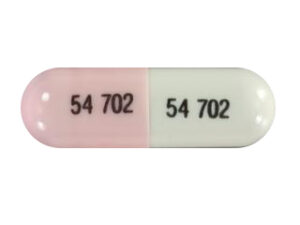
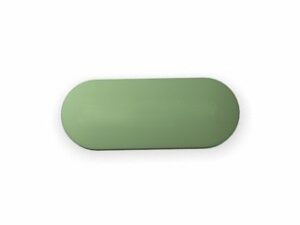
Quetiapine (Quetiapine fumarate) – Patient Information Guide (UK)
Quetiapine is an antipsychotic medicine used to treat a range of mental health conditions. This guide is designed to be clear and practical, helping you understand what quetiapine does, how it works in the body, what to expect, and how to use it safely. Always follow the advice of your healthcare professional and the instructions on your medicine label.
Quick Facts
- Medicine name: Quetiapine (often as quetiapine fumarate)
- What it’s used for: Conditions such as schizophrenia, bipolar disorder, and depressive episodes associated with bipolar disorder (depending on formulation and local guidance)
- How it may feel: Some people notice improvements in sleep, agitation, or mood within days; fuller benefits for mental symptoms may take longer
- Common forms: Tablets and modified-release tablets (e.g., prolonged effect depending on brand)
- Typical dosing approach: Usually started at a low dose and increased gradually to reduce side effects
Basic Product Information
| Category | Details |
|---|---|
| Medicine class | Antipsychotic (atypical) |
| Typical strength | Available in different strengths depending on product (e.g., 25 mg, 50 mg, 100 mg, 200 mg, 300 mg, 400 mg) |
| Formulations | Immediate-release and modified/prolonged-release options may be available |
| Manufacturer/Brands | Several brands and generics may exist in the UK |
| Regulatory status (UK) | Quetiapine is an authorised medicine in the UK |
Different products may have different release characteristics and dosing schedules. Only use the specific formulation prescribed for you and check whether you are taking immediate-release or modified-release tablets, as timing and absorption can differ.
How Quetiapine Works (Mechanism of Action)
Quetiapine affects several chemical messengers in the brain, especially dopamine and serotonin. The overall effect is to help balance brain signalling associated with mood, perception, thinking, and sleep.
- Dopamine receptor effects: Quetiapine helps reduce dopamine signalling in certain pathways, which may reduce symptoms such as hallucinations or delusional thinking.
- Serotonin receptor effects: By acting on serotonin receptors, quetiapine may improve mood-related symptoms and anxiety-related aspects in some people.
- Other receptor activity: Quetiapine also interacts with histamine (which can contribute to sleepiness) and alpha-1 adrenergic receptors (which can contribute to dizziness on standing).
Because quetiapine influences multiple pathways, it can affect both mental symptoms and physical side effects such as sedation and changes in metabolism.
Pharmacokinetics (What Happens to the Medicine in the Body)
“Pharmacokinetics” describes how the body absorbs, distributes, metabolises, and eliminates quetiapine. Understanding this can help explain why timing and food can matter.
- Absorption: Quetiapine is absorbed after taking a tablet. Modified-release forms release medicine more slowly.
- Distribution: It is distributed throughout the body and crosses into the brain to exert its effects.
- Metabolism: Quetiapine is mainly metabolised in the liver by enzymes including CYP3A4. This means that some medicines can change quetiapine levels by speeding up or slowing down metabolism.
- Elimination: The medicine and its metabolites are eliminated mainly through the kidneys and faeces.
- Half-life: The time taken for the blood level to reduce by half varies by formulation, but quetiapine is generally taken multiple times per day depending on the product.
If liver function is reduced, quetiapine may remain in the body longer. Your prescriber may adjust dosing accordingly.
Typical Use in the UK (Indications)
Quetiapine is used for several mental health conditions. The exact indication and dose can depend on the type of tablet (immediate-release vs modified-release) and your individual treatment plan.
Common indications may include:
- Schizophrenia – to help reduce symptoms such as hallucinations, delusions, disorganised thinking, and reduced functioning.
- Bipolar disorder – for certain episodes, including:
- Manic or mixed episodes
- Depressive episodes associated with bipolar disorder (where appropriate)
- Maintenance / relapse prevention – sometimes used to help prevent symptom recurrence in people where it has been effective (depending on clinical situation and product).
If you’re unsure why you were given quetiapine, check the label or ask your pharmacist to explain the intended use for your specific product.
When and How to Take Quetiapine (Timing & Routine)
Timing matters because quetiapine can cause drowsiness and because blood levels can be influenced by formulation and food. Many people find it easier to fit into their day gradually as dosing increases.
General timing guidance
- Take it at the times on your label. Do not change dosing frequency without advice.
- Beware of sedation: If you feel sleepy, taking doses in the evening may help. Some regimens split dosing across day and night.
- Be consistent: Try to take each dose at roughly the same times daily.
- Swallowing: Follow instructions for swallowing tablets. If you have difficulty swallowing, ask a pharmacist about suitable options.
If you miss a dose
- Take it as soon as you remember if it’s not close to the next dose.
- If it’s nearly time for the next dose, skip the missed dose and continue as normal.
- Do not double up to make up for a missed tablet.
- If you miss multiple doses, seek advice from your healthcare professional before restarting.
Food Interactions (Taking with or without Meals)
Food can influence how quickly quetiapine is absorbed, particularly for immediate-release products. In practice, many people tolerate quetiapine better when taken consistently with meals or consistently between meals.
- Follow the guidance on your specific product (your leaflet or label may provide instructions).
- If your doctor or pharmacist advised taking it with food, follow that direction.
- Try to maintain consistency: changing between “with food” and “without food” repeatedly may affect how you feel from day to day.
If you notice unexpected changes in drowsiness or dizziness after meals, tell your pharmacist.
Alcohol and Medicine Interactions
Alcohol
It is generally recommended to avoid or minimise alcohol while taking quetiapine. Alcohol can increase sedation and impair coordination, which raises the risk of falls, accidents, and dangerous drowsiness.
Other medicines that may interact
Because quetiapine is metabolised by CYP3A4, some medicines can increase or decrease quetiapine levels. This can affect both effectiveness and side effects.
Examples of medicines that may be involved (not an exhaustive list):
- Medicines that may increase quetiapine levels (risk of more side effects):
- Some antifungal medicines (e.g., ketoconazole, itraconazole)
- Some antibiotics such as macrolides (e.g., clarithromycin)
- Protease inhibitors used in HIV treatment
- Medicines that may decrease quetiapine levels (risk of reduced effect):
- Carbamazepine
- Phenytoin
- Rifampicin
- Some medicines for tuberculosis or other conditions that strongly induce liver enzymes
- Medicines that can add to sedation:
- Other sedative medicines
- Some antihistamines that cause drowsiness
- Opioid pain medicines
- Some anxiety medicines (benzodiazepines)
Always tell your pharmacist and prescriber about all medicines you take, including over-the-counter products and herbal supplements. Even “natural” products can affect drug levels.
Dosing (How Quetiapine is Usually Started and Adjusted)
Dosing is highly individual. Age, diagnosis, other conditions, and tolerability all influence the right regimen. Quetiapine is often started with a gradual dose increase to reduce side effects such as dizziness and sleepiness.
Important: The information below is general. Your exact dose and schedule may differ from the examples.
Typical titration approach (general)
- Start low and increase stepwise over days or weeks.
- Switching between formulations: dosing is not interchangeable between immediate-release and modified-release products.
- Target dose: reached based on response and side effects.
Example dosing schedules (illustrative only)
- Adults starting for psychosis/schizophrenia: often begins with a low dose and increases in regular steps until symptom control is achieved.
- For bipolar depression or mood episodes: dosing may differ and may be taken once daily in the evening for certain regimens.
- Maintenance: sometimes requires continuing at a lower or different dose depending on response.
If you want, check your specific pack strength and your label schedule to understand how your dosing should progress. Your pharmacist can help interpret the instructions.
Safety Profile (Common Side Effects and Serious Risks)
Most side effects are manageable, especially with gradual dose changes and good routine monitoring. However, some effects require prompt medical attention. Below is a patient-friendly overview.
Common side effects
- Sleepiness / drowsiness (often early in treatment)
- Dizziness, especially when standing up quickly
- Dry mouth
- Headache
- Constipation
- Increased appetite or weight gain
- Low blood pressure in some people
- Changes in blood tests (e.g., lipids or glucose) may occur
Less common but important side effects
- Heart rhythm changes (QT prolongation can occur in some individuals)
- Movement-related symptoms such as restlessness
- Excessive sedation or impaired coordination
- Sexual side effects (can occur with many mental health medicines)
Seek urgent medical help if
Contact urgent care or emergency services if you experience severe or rapidly worsening symptoms, such as:
- Signs of a serious allergic reaction (swelling of face/lips, difficulty breathing)
- Fainting, severe dizziness, chest pain, or a very fast/irregular heartbeat
- High fever, severe stiffness, confusion (rare but potentially serious)
- Uncontrolled movements, severe agitation, or worsening mental state
Monitoring and checks
Depending on your situation, clinicians may monitor:
- Weight and waist circumference
- Blood pressure
- Blood sugar (glucose) and cholesterol levels
- General physical health, including any symptoms of sedation or dizziness
Practical Use Tips (How to Make Treatment Easier)
Start-up period: what to expect
- Allow time for adjustment: Drowsiness and dizziness often lessen as your body adapts.
- Plan for the first days: avoid driving or risky activities until you know how quetiapine affects you.
- Use a daily routine: set phone reminders for each dose time.
Driving and operating machinery
- Quetiapine can cause drowsiness, particularly early on.
- Do not drive or operate machinery if you feel sleepy, dizzy, or “not fully alert”.
- If your regimen changes, reassess your alertness before driving.
Weight and lifestyle support
- Because weight gain can occur, consider a balanced diet and regular activity suited to your health.
- Discuss supportive options with your healthcare team if weight changes are significant.
Hydration and constipation prevention
- Drink fluids regularly unless you’ve been advised to limit fluids.
- Fibre and gentle physical activity can help with constipation.
- Tell a pharmacist if constipation becomes severe or persistent.
Do not stop suddenly
Stopping quetiapine abruptly can lead to withdrawal-like symptoms such as insomnia, nausea, headache, or worsening mental symptoms. If you need to stop, your clinician will usually advise a gradual taper.
Recent Guidance and UK Healthcare Context
In the UK, antipsychotic prescribing and monitoring are supported by national and clinical guidance, with emphasis on:
- Careful patient assessment (diagnosis confirmation, severity, and comorbidities)
- Regular review of benefits and side effects after starting or changing dose
- Physical health monitoring, especially weight, blood pressure, glucose, and lipids
- Shared decision-making about treatment duration and target dose
- Choosing the lowest effective dose where possible
Guidance can evolve. For the most current information, your pharmacist and prescriber can reference the latest UK clinical recommendations and product information.
Alternative Options
Quetiapine is not the only medicine used for the conditions it treats. Alternatives may include other atypical antipsychotics or different treatments depending on diagnosis and symptoms. Your prescriber will consider factors such as side-effect profile, past response, other health conditions, and your preference.
Possible alternatives (examples)
- Other atypical antipsychotics (choice depends on condition and individual risk/benefit)
- Mood stabilisers for bipolar disorder (depending on episode type and history)
- Psychological therapies (e.g., CBT for certain presentations) often used alongside medication
- Sleep-focused strategies for insomnia related to mood disorders
If you’re considering switching due to side effects or insufficient improvement, discuss the plan with your pharmacist and healthcare team rather than changing on your own.
Delivery and Availability in the UK
Quetiapine availability may vary by formulation and strength. In the UK, medicines may be stocked as branded products or generic equivalents. Delivery depends on the online pharmacy’s service options, stock status, and the shipping method to your area.
- Check stock status on the product page before ordering.
- Delivery times are typically shown at checkout, and may vary by location.
- Packaging is usually discreet and suitable for home delivery.
To ensure you receive the correct product, confirm you have selected the exact strength and formulation you need (e.g., immediate-release vs modified-release).
Frequently Asked Questions (FAQ)
1) What is quetiapine used for?
Quetiapine is commonly used to treat conditions such as schizophrenia and bipolar disorder (including depressive episodes associated with bipolar disorder, where applicable). The exact indication depends on the formulation and your diagnosis.
2) How long does quetiapine take to work?
Some people notice changes in sleep, agitation, or anxiety within days. However, improvements in core mental symptoms can take several weeks. Your prescriber may adjust dose during the early period to help you tolerate treatment and achieve benefit.
3) Can I take quetiapine with food?
Food can affect absorption. Follow the directions for your specific product and aim for consistency with how you take it (with meals or between meals) unless your healthcare team advises otherwise.
4) Will quetiapine make me sleepy?
Sleepiness is a common effect, especially when treatment begins or when the dose increases. If you feel drowsy, avoid driving and be cautious with tasks requiring alertness.
5) Can I drink alcohol while taking quetiapine?
It’s generally advised to avoid or minimise alcohol because it can increase drowsiness and impair coordination. If you’re unsure, ask your pharmacist for advice tailored to your situation.
6) What medicines should I avoid?
Several medicines can interact with quetiapine, including those that affect liver enzymes (especially CYP3A4) and those that increase sedation. Tell your pharmacist about all medicines and supplements you take so they can screen for interactions.
7) What should I do if I miss a dose?
Take it when you remember if it’s not close to your next dose. If it’s nearly time for the next dose, skip the missed dose and continue as normal. Do not double up. If you miss several doses, seek advice before restarting.
8) Can I stop quetiapine suddenly?
It’s usually not recommended to stop abruptly. Stopping suddenly may cause withdrawal-like symptoms and can worsen your condition. If you need to stop, your clinician will usually guide a gradual reduction.
9) Does quetiapine cause weight gain?
Weight gain can occur in some people. If you notice significant changes, discuss it with your healthcare team. Monitoring and lifestyle support can help.
10) Is quetiapine safe for everyone?
Quetiapine may not be suitable for everyone. People with certain heart rhythm problems, liver impairment, or those taking interacting medicines may need extra caution or dose adjustments. Your pharmacist can help check safety based on your health history and medicines.
Key Takeaways
- Quetiapine is an antipsychotic used for conditions including schizophrenia and bipolar disorder.
- It works by influencing dopamine and serotonin pathways in the brain.
- It can cause drowsiness and dizziness; start-up can require extra caution.
- Alcohol and interacting medicines can increase side effects—check with a pharmacist.
- Use the correct formulation and follow dosing instructions carefully.
- Do not stop suddenly; seek guidance for dose changes or discontinuation.
If you have questions about your specific quetiapine product—such as how to take your formulation, whether it interacts with your other medicines, or what side effects to watch for—speak to a pharmacist for personalised advice.