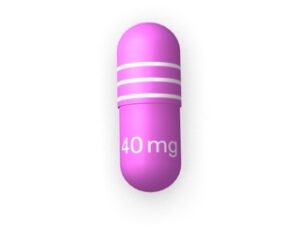
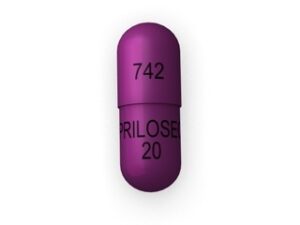
Reglan (Metoclopramide) – Patient Information (UK)
Reglan contains the active ingredient metoclopramide. It is used to help control certain types of nausea, vomiting, and stomach-related symptoms. This page explains how Reglan works, when it’s used, how to take it, and what to consider for safety and interactions in the United Kingdom.
Always follow the instructions given by your healthcare professional and the information in the patient information leaflet supplied with your medicine.
Quick overview
- Active ingredient: Metoclopramide
- Common uses: Nausea and vomiting, and certain stomach emptying problems
- How it works: Helps the stomach move and reduces nausea signals
- Important safety note: Serious side effects can occur, especially with longer use or higher doses
Basic product information
| Feature | Details |
|---|---|
| Medicine name | Reglan |
| Active ingredient | Metoclopramide |
| Type | Anti-emetic / gastrokinetic agent |
| Typical forms | Tablets and/or oral formulations; other presentations may be available |
| Regulatory status in the UK | Metoclopramide-containing medicines are regulated by UK medicines authorities; usage guidance includes limits to reduce neurological risk |
How Reglan works (mechanism of action)
Metoclopramide works in two main ways:
- Blocks dopamine (D2) receptors in the brain and gut. This can reduce nausea and vomiting.
- Increases stomach movement (gastrokinetic effect), helping food move from the stomach into the intestine more effectively.
This combination can be especially helpful when symptoms are linked to delayed stomach emptying (gastroparesis) or when nausea is triggered by digestive processes.
Pharmacokinetics – how the body handles metoclopramide
Pharmacokinetics describes what the body does to a medicine. For metoclopramide, key points include:
- Absorption: Metoclopramide is absorbed after taking it by mouth. The speed and extent of absorption can vary between individuals.
- Distribution: It reaches the brain and other tissues, which is why both anti-nausea and neurological effects are possible.
- Metabolism: It is metabolised in the body.
- Elimination: The medicine is cleared mainly through the kidneys (urine), so dose adjustments may be needed in kidney impairment.
- Duration of action: The effect is not indefinite; it is designed for short-term symptom control in most situations.
Why this matters: Because metoclopramide affects the brain and is cleared from the body over time, it’s important to use it for the shortest time at the lowest effective dose suitable for your condition—particularly to reduce the risk of neurological side effects.
Typical use and indications in the UK
Reglan/metoclopramide may be used for:
- Nausea and vomiting when a medicine is needed to control symptoms.
- Symptoms associated with delayed stomach emptying (for example, gastroparesis).
- Support in certain medical contexts where anti-emetic and pro-motility activity is beneficial.
Important: Metoclopramide is not intended for long-term use unless specifically advised. UK safety communications have emphasised limiting exposure to reduce the risk of serious movement disorders.
When to take Reglan (timing)
The best timing depends on the reason you’re taking it and the formulation you have.
- For nausea/vomiting: Take it when symptoms are expected to start, or as directed to manage current symptoms.
- For stomach emptying symptoms: It is often taken before meals to help improve gastric emptying and reduce post-meal symptoms. Your healthcare professional will advise the most suitable schedule.
- Space doses evenly: Try not to take doses too close together. Follow the recommended intervals on the label or instruction sheet.
Missed dose: If you miss a dose, take it when you remember unless it’s close to the next dose. Do not take two doses together to make up for a missed one.
Food interactions and dietary considerations
Metoclopramide can interact indirectly with how your stomach feels and functions, but there are a few practical points:
- Food may affect symptoms: If your nausea is linked to meals, taking your dose at the recommended time relative to food may help.
- Swallowing comfort: Take with water. If you feel nauseated, small sips of water can be easier.
- Stomach upset: Avoid foods that worsen reflux or nausea (such as very fatty, spicy foods) if these trigger your symptoms.
General tip: Keep a simple record of what you eat and when symptoms occur. This can help you and your clinician confirm whether timing adjustments are needed.
Alcohol interactions and other medicine interactions
Alcohol
It’s generally advisable to limit or avoid alcohol while taking metoclopramide because alcohol may worsen side effects such as:
- drowsiness or dizziness
- impaired alertness
- nausea and dehydration
Medicines that may interact
Metoclopramide can interact with several medicine groups. Tell your pharmacist or healthcare professional if you take any of the following (or similar):
- Parkinson’s disease medicines (metoclopramide blocks dopamine receptors, which may oppose their effects)
- Antipsychotics (combined dopamine effects may increase the risk of movement disorders)
- Other medicines affecting the nervous system (there may be additive effects)
- Anticholinergic medicines (may reduce pro-motility benefit)
- Serotonergic drugs or medicines that can affect serotonin signalling (interaction relevance depends on your specific regimen)
- Levodopa (metoclopramide can reduce its effectiveness)
Important: Always provide a full list of your medicines—including over-the-counter products and herbal supplements—so interactions can be checked.
Dosing – how much Reglan is typically used
Dose varies depending on age, the condition being treated, and kidney function. The information below is for general understanding; your exact dose should come from the instructions on your medicine or from your clinician.
Typical dosing principles
- Use the lowest effective dose.
- Use for the shortest possible duration to control symptoms.
- Kidney impairment: dose adjustments may be needed because metoclopramide is cleared by the kidneys.
- Older adults: may be more susceptible to side effects such as movement disorders and should be managed carefully.
How to take
- Take the dose at the time(s) advised with water.
- If you are prone to nausea, consider taking it with a small amount of water and staying upright for a short time after taking.
- Do not exceed the recommended dose.
Key safety point: UK guidance has highlighted that metoclopramide should generally be used for short-term symptom relief because longer use increases the risk of serious neurological side effects (including tardive dyskinesia).
Safety profile – what to watch for
Like all medicines, Reglan/metoclopramide can cause side effects. Many people tolerate it well when used appropriately and for short periods.
Common side effects
- Feeling sleepy or drowsy
- Fatigue
- Dizziness
- Diarrhoea
- Restlessness or agitation
Serious side effects (seek urgent advice)
Stop taking the medicine and seek medical advice urgently if you experience signs of serious reactions, such as:
- Unusual muscle movements, stiffness, spasms, or inability to sit still (can indicate extrapyramidal effects)
- Persistent involuntary movements of the face or body (possible tardive dyskinesia risk, particularly with prolonged exposure)
- Fever, confusion, severe muscle stiffness (rare but potentially serious)
- Allergic reaction such as swelling of the face/lips, rash, or breathing difficulties
Who should take extra care
- Children and adolescents: dosing and risk need specialist consideration
- Older adults: greater vulnerability to neurological and sedative effects
- People with kidney problems: higher drug levels may occur
- People taking dopamine-blocking or dopamine-sensitive medicines: higher risk of movement side effects
Practical use tips
- Stick to the recommended course length: If symptoms improve, do not continue beyond what you were advised.
- Avoid driving if drowsy: Metoclopramide can cause sleepiness or dizziness in some people.
- Monitor movement symptoms: If you notice twitching, stiffness, involuntary facial movements, or severe restlessness, seek medical advice promptly.
- Stay hydrated if vomiting: If you’ve been vomiting, dehydration can occur. Sip fluids regularly.
- Keep an eye on stomach red flags: Persistent vomiting, blood in vomit, severe abdominal pain, or unintended weight loss require medical assessment.
Alternative options
If metoclopramide isn’t suitable, alternatives may include other anti-nausea or pro-motility approaches. Your healthcare professional may consider:
- Domperidone (for certain stomach-related symptoms; availability and suitability depend on individual risk factors)
- Ondansetron (anti-emetic often used in specific clinical situations)
- Gastroenterology-directed management for gastroparesis (dietary measures, other medicines, and specialist care)
- Non-medicine measures such as small frequent meals, avoiding trigger foods, and managing reflux symptoms
Which alternative is right for you depends on your diagnosis (for example, infection-related vomiting vs. long-term stomach emptying problems) and your medicines and medical history.
Market and legal context in the UK (important)
In the UK, medicines containing metoclopramide are regulated, with safety communications and restrictions that reflect the balance between benefits and neurological risks. Over recent years, UK and European regulators have strengthened guidance to reduce exposure-related side effects.
- Risk management: Healthcare professionals are advised to use the lowest effective dose for the shortest duration where possible.
- Monitoring: Patients should be informed about potential movement-related adverse effects and instructed to seek help if they occur.
- Special populations: Children, older adults, and people with kidney impairment require careful consideration.
For the most up-to-date local recommendations, you may also consult your pharmacist or healthcare professional.
Recent guidance and safety emphasis
Recent safety updates have focused particularly on neurological side effects (including tardive dyskinesia and acute extrapyramidal reactions). As a result, current practice typically emphasises:
- Short-term use: avoid prolonged courses unless specifically justified and supervised.
- Review need for continued treatment: if symptoms persist, reassessment is important rather than simply continuing the medicine.
- Be aware of symptoms early: early recognition of movement symptoms can prevent complications.
If you have been taking metoclopramide for longer than you expected, discuss this with a pharmacist or clinician promptly.
Delivery and availability (UK)
Availability can vary by supplier and stock levels. Where available through an online pharmacy, Reglan (metoclopramide) may be supplied as standard retail stock subject to regulatory requirements.
- Processing time: Orders are typically processed on working days.
- Delivery options: Next-day or standard delivery may be offered depending on location and service level.
- Packaging: Medicines are usually dispatched in protective packaging suitable for pharmacy distribution.
- Contact: If there are supply issues or dosing questions, the pharmacy may contact you for clarification.
Tip: Keep the original packaging to check strength, dosing instructions, and expiry date.
FAQ – Frequently asked questions
1) What is Reglan used for?
Reglan (metoclopramide) is used to help with nausea and vomiting and to improve certain symptoms related to delayed stomach emptying. The exact use depends on your diagnosis and clinical judgement.
2) How quickly does Reglan work?
Many people notice symptom improvement within a short period after taking it, but the exact timing varies by person, dose, and whether your stomach is emptying normally.
3) Can I take Reglan with food?
It can often be taken with water and you may be advised to take it around meals for stomach-emptying symptoms. If you feel nausea is worsened by food, follow the recommended timing and consider discussing meal timing adjustments with a pharmacist.
4) Is it safe to take Reglan for a long time?
Metoclopramide is generally intended for short-term symptom relief. Longer use increases the risk of serious neurological side effects. If symptoms continue, seek medical advice rather than continuing indefinitely.
5) What side effects should make me stop and seek help?
Seek urgent advice if you develop:
- severe restlessness or inability to sit still
- unusual muscle spasms, stiffness, or involuntary movements
- persistent facial or body movements that don’t go away
- signs of an allergic reaction (swelling, rash, breathing difficulty)
6) Can I drink alcohol while taking Reglan?
It’s best to avoid or limit alcohol, as it can worsen drowsiness, dizziness, and nausea.
7) What other medicines commonly interact with metoclopramide?
Interactions can occur with medicines that affect dopamine pathways (including some treatments for Parkinson’s disease), antipsychotics, and other medicines that affect the nervous system. Provide a complete list of your medicines to your pharmacist.
8) What if I have kidney problems?
Because metoclopramide is cleared via the kidneys, you may need a lower dose or extra monitoring. Speak to a pharmacist or clinician for advice.
9) Can Reglan help with reflux?
Reglan is not primarily a reflux medicine, but delayed stomach emptying can contribute to reflux-like symptoms. If you think your symptoms are linked to gastroparesis or stomach emptying, discuss the most appropriate treatment plan.
10) Where can I find the most accurate dosing instructions?
Your outer carton and patient information leaflet (and any printed instructions supplied with your medicine) provide the dose schedule. If anything is unclear, contact your pharmacist.
Summary
Reglan (metoclopramide) helps reduce nausea and vomiting and can support improved stomach movement. It works by blocking dopamine receptors and enhancing gastro-intestinal motility. Because neurological side effects are a key risk—especially with higher doses or longer use—current UK safety practice emphasises the shortest effective duration and careful attention to side effects.
If your symptoms are severe, persistent, or getting worse, or if you develop any movement-related side effects, seek medical advice promptly. For individual dosing and suitability, speak to a pharmacist or healthcare professional.