
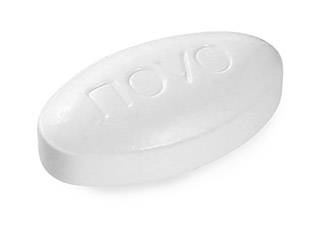
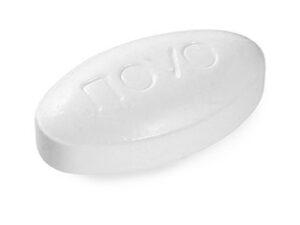
Rybelsus (Semaglutide) – Patient Information for UK Customers
Rybelsus is an oral medicine that contains semaglutide, a glucagon-like peptide-1 (GLP‑1) receptor agonist. It is used to improve blood sugar control in adults with type 2 diabetes, and in some people to reduce cardiovascular risk when used alongside other diabetes treatments.
This page explains how Rybelsus works, how it is taken, what to expect, possible side effects, and practical tips for safe use. It is written for patients in the United Kingdom.
Basic product information
- Brand name: Rybelsus
- Active ingredient: Semaglutide
- Medicine type: GLP‑1 receptor agonist (tablet for oral use)
- How it is taken: Once daily by mouth
- Common strengths: 3 mg, 7 mg, 14 mg tablets (strengths may vary by market availability)
- Who it is for: Adults with type 2 diabetes (and, in appropriate cases, adults with established cardiovascular disease or high cardiovascular risk)
Your prescriber (or the service managing your care) will determine which strength is suitable for you and how you should increase the dose over time.
How semaglutide works (mechanism of action)
Semaglutide improves blood glucose by acting like a natural gut hormone called GLP‑1. It works in several ways:
- Increases glucose-dependent insulin release: Helps your pancreas release insulin when blood sugar is high.
- Reduces glucagon secretion: Glucagon is a hormone that raises blood sugar; semaglutide helps lower it.
- Slows gastric emptying: Food leaves the stomach more slowly, which can reduce post-meal glucose spikes and support satiety.
- Supports reduced appetite: Many people experience decreased hunger, which may help with weight management.
Because insulin release is glucose-dependent, semaglutide has a lower intrinsic risk of causing hypoglycaemia when used alone. However, the risk can increase when combined with medicines like insulin or sulfonylureas.
Pharmacokinetics (how the body handles the medicine)
Understanding pharmacokinetics can help you follow the “empty stomach” instructions correctly.
| Topic | What happens with semaglutide |
|---|---|
| Absorption | Semaglutide is absorbed through the gut, but its absorption is significantly affected by food. This is why Rybelsus must be taken with water on an empty stomach and before any food or drink other than water. |
| Time to maximum concentration | After taking a dose, semaglutide typically reaches peak levels in the body within several hours (food delays and reduces uptake). |
| Half-life | Semaglutide has a long duration of action, allowing once-daily dosing. |
| Metabolism and elimination | Semaglutide is processed mainly through protein breakdown pathways and cleared from the body through normal metabolic routes; it does not rely primarily on kidney filtration in the way many medicines do. |
| Steady state | With daily dosing, levels build gradually until a steady state is reached after repeated use. |
If you regularly do not follow the timing instructions, blood levels may be lower, reducing effectiveness and making side effects less predictable.
Typical use and intended benefits
Rybelsus is used in adults with type 2 diabetes. It helps lower blood glucose and may support weight reduction. Depending on your overall health profile, it may also be used to reduce cardiovascular risk.
Benefits commonly discussed with patients include:
- Improved HbA1c (a measure of average blood sugar over time)
- Lower fasting and post-meal glucose levels
- Weight management support through reduced appetite and slower gastric emptying
- Cardiovascular protection in people who have cardiovascular disease or high risk, when clinically indicated
When and how to take Rybelsus (timing rules)
Rybelsus tablets have strict instructions to help the body absorb the medicine. Follow them carefully.
Standard instructions (important)
- Take it once daily, at the same time each day if possible.
- Take on an empty stomach with a full glass of water (approximately 120 ml).
- Swallow whole—do not crush, split, or chew.
- Wait at least 30 minutes before eating, drinking (other than water), or taking other oral medicines.
If you accidentally miss these timing conditions (for example, you take it with breakfast), absorption may be reduced. In many cases, the best action is to wait until the next scheduled dose rather than “doubling up.” If you are unsure, check your medicine information leaflet or speak to a pharmacist.
Dose escalation (common approach)
Many people start at a lower dose to improve tolerability, then increase gradually. A typical pattern is:
- Starting dose: often 3 mg once daily
- Increase: after a suitable period, to 7 mg once daily
- Further increase: if needed/tolerated, to 14 mg once daily
The exact schedule should be followed as advised for you.
Food interactions (what to avoid)
Food has a major impact on how much semaglutide gets absorbed from Rybelsus. To maintain consistent effect:
- Do not take Rybelsus with food.
- Avoid taking it with coffee, tea, milk, juice, or any drinks other than water.
- Keep the 30-minute waiting period before any intake besides water.
If you have a routine that makes morning medication difficult (for example, shift work), speak to a healthcare professional for advice on how to adapt safely while still keeping the “empty stomach” requirements.
Alcohol and medicine interactions
Alcohol
Moderate alcohol intake may be acceptable for some people, but it can still affect blood sugar control and increase the risk of dehydration or stomach irritation. Alcohol may also worsen nausea or upset the digestive system, which are among the more common effects of semaglutide.
- Be cautious if you notice nausea, reflux, or abdominal discomfort.
- If you take diabetes medicines that can cause low blood sugar (such as insulin or sulfonylureas), be aware that alcohol can sometimes contribute to hypoglycaemia risk.
Medicine interactions (key considerations)
Some interactions are mainly about timing and how other medicines are absorbed or their effects on blood sugar. Important points include:
- Diabetes medicines that lower blood sugar: When Rybelsus is used together with insulin or sulfonylureas, your prescriber may adjust doses to reduce hypoglycaemia risk.
- Oral medicines taken by mouth: Because Rybelsus must be taken on an empty stomach and you must wait before eating, other tablets taken earlier may be affected by the timing restrictions. Keep to the instruction to avoid other oral medicines until the waiting period has passed.
- Medicines requiring careful monitoring: If you take medicines for blood pressure, cholesterol, or heart disease, continue them as directed unless your clinician advises changes.
Always tell your pharmacist about all medicines you take, including over-the-counter products and supplements.
Indications (what it is used for)
In the UK, Rybelsus is used for:
- Adults with type 2 diabetes to improve blood glucose control, as part of a diabetes treatment plan.
- To reduce the risk of cardiovascular events in adults with type 2 diabetes who have established cardiovascular disease, or in those at high cardiovascular risk, when clinically indicated.
Eligibility depends on your medical history, current diabetes control, other medications, and overall cardiovascular risk profile.
Dosing (practical guidance)
The dose depends on your starting point, tolerability, and treatment goals. Typical dosing is once daily with an empty stomach routine.
Common dosing pattern
| Dose strength | How it’s typically used |
|---|---|
| 3 mg once daily | Often used to start treatment and improve tolerability. |
| 7 mg once daily | Common next step for continued glucose control. |
| 14 mg once daily | Maximum commonly used dose if further control is needed and side effects are manageable. |
Missed dose
If you miss a dose, take it when you remember only if it’s still close to the usual time and you can follow the empty-stomach rules. Otherwise, skip it and take your next dose at the scheduled time. Do not take a double dose to make up for a missed tablet.
Who may need extra caution
- People with significant digestive problems (for example, severe gastroparesis).
- People with a history of pancreatitis or those who previously had serious complications requiring review.
- People who are dehydrated or at risk of dehydration (for example, from persistent vomiting/diarrhoea).
Safety profile and possible side effects
Like all medicines, Rybelsus can cause side effects. Many are related to the digestive system and often improve as your body adjusts, especially with gradual dose increases.
Common side effects
- Nausea
- Diarrhoea
- Vomiting
- Constipation
- Abdominal pain or discomfort
- Indigestion or reflux
- Reduced appetite
- Headache (reported by some patients)
Serious side effects (seek urgent medical advice if needed)
Contact medical help promptly if you develop symptoms such as:
- Signs of pancreatitis: severe persistent abdominal pain (often upper abdomen), possibly radiating to the back, with or without vomiting.
- Severe allergic reaction: swelling of face/lips, difficulty breathing, widespread rash, or fainting.
- Signs of dehydration: persistent vomiting or diarrhoea, dizziness, extreme thirst, or reduced urination.
- Low blood sugar (hypoglycaemia) especially if combined with insulin or sulfonylureas: symptoms may include sweating, shaking, fast heartbeat, confusion, or feeling very weak.
- Gallbladder problems: symptoms may include right upper abdominal pain, fever, or yellowing of the skin/eyes.
Pregnancy and breastfeeding
If you are pregnant, planning pregnancy, or breastfeeding, discuss your options with a healthcare professional. GLP‑1 medicines are generally not used without careful review of risks and benefits.
Practical use tips (getting the best results)
Build a consistent routine
- Choose a time you can reliably take the tablet on an empty stomach.
- Keep a full glass of water ready.
- Use alarms or reminders if you tend to forget morning doses.
Manage digestive side effects
- Eat smaller meals if you feel full quickly.
- Avoid very fatty or very large meals early in treatment.
- If you feel nauseated, take your time with meals and consider bland foods.
- Stay hydrated, especially if you experience vomiting or diarrhoea.
Monitor your diabetes safely
- Check your blood sugar as advised, particularly if using insulin or sulfonylureas.
- Know the symptoms of hypoglycaemia and how to treat it according to local guidance.
Weight changes
Many people lose weight on semaglutide, which can be beneficial. However, rapid loss with poor appetite and vomiting can lead to dehydration or nutritional issues. If you struggle to eat enough, speak to a pharmacist or clinician.
Alternative options
If Rybelsus is not suitable or not tolerated, there are other treatment options for type 2 diabetes. Alternatives may include other GLP‑1 receptor agonists, different diabetes medicines, or changes to lifestyle measures. Your choice depends on your blood sugar levels, other conditions, and preferences.
Examples of alternative medication classes
- Other GLP‑1 receptor agonists (some are injections; some are oral).
- DPP‑4 inhibitors (oral medicines that increase incretin activity).
- SGLT2 inhibitors (oral medicines that increase glucose loss in urine; some have cardiovascular or kidney benefits).
- Insulin (for people needing stronger glucose control).
- Sulfonylureas (oral medicines; can cause hypoglycaemia, especially with missed meals or alcohol).
- Metformin (often first-line, if tolerated and appropriate).
Discuss options with a healthcare professional to find the safest and most effective approach for you.
UK market and legal context (what this means for patients)
In the United Kingdom, medicines are regulated by the Medicines and Healthcare products Regulatory Agency (MHRA) and governed through medicines licensing and safety monitoring.
Rybelsus is an established prescription medicine in the UK. Availability in online pharmacies typically depends on stock levels, supply agreements, and patient eligibility through appropriate UK healthcare pathways.
Safety monitoring: The Medicines and Healthcare products Regulatory Agency and the wider healthcare system actively monitor medicine safety through routine reporting of suspected side effects (pharmacovigilance).
Recent guidance and clinical considerations (general overview)
Diabetes care in the UK is commonly guided by clinical recommendations such as those from the NICE (National Institute for Health and Care Excellence) and the Joint British Societies (JBDS), which may be updated as new evidence emerges.
Key themes often discussed in current guidance:
- Using GLP‑1 medicines like semaglutide in people where appropriate, considering cardiovascular risk, glycaemic control needs, and tolerability.
- Reviewing the risk of gastrointestinal side effects and advising on gradual dose escalation where applicable.
- Considering hypoglycaemia risk when combining diabetes medicines, and adjusting doses to improve safety.
- Supporting lifestyle changes alongside medication (diet, physical activity, and smoking cessation where relevant).
If you are newly starting therapy or switching medicines, your clinician may reassess your diabetes plan after a few weeks to confirm tolerability and effectiveness.
Delivery, availability, and ordering (UK online pharmacy)
Online pharmacies in the UK may offer delivery of medicines subject to legal and regulatory requirements. Availability can vary based on current supply and prescription processing arrangements.
- Packaging: Medicines are typically delivered in sealed manufacturer packaging.
- Storage: Store tablets as stated on the outer carton and patient information leaflet, usually at room temperature and away from moisture.
- Delivery tracking: Many services provide updates or tracking information.
- Cold chain: Semaglutide tablets do not generally require refrigeration unless otherwise specified by the product information.
If you have questions about stock availability or delivery timelines, contact the online pharmacy’s customer support before placing an order.
FAQ – Rybelsus (Semaglutide) in the UK
1) What is Rybelsus used for?
Rybelsus is used in adults with type 2 diabetes to improve blood sugar control. In appropriate patients, it may also help reduce cardiovascular risk. It is part of a broader diabetes management plan.
2) How should I take Rybelsus tablets?
Take one tablet once daily on an empty stomach with a full glass of water. Wait at least 30 minutes before eating or drinking (other than water). Swallow the tablet whole.
3) Can I take Rybelsus with food?
No. Food can significantly reduce absorption, so it should be taken on an empty stomach and only with water.
4) What if I accidentally eat before taking my tablet?
Absorption may be reduced. In general, do not take an extra dose to compensate. Follow the leaflet instructions or ask a pharmacist for advice based on your specific situation.
5) When can I expect results?
Some people notice appetite changes within the first days to weeks. Blood sugar improvements typically build over weeks. Dose increases are often guided by tolerability and treatment response.
6) Does Rybelsus cause weight loss?
Many people lose weight with semaglutide, but the amount varies. If you experience severe nausea, vomiting, or cannot eat enough, seek medical advice.
7) Is hypoglycaemia possible?
When Rybelsus is used alone, the risk is lower. However, when combined with insulin or sulfonylureas, hypoglycaemia risk can increase, so your treatment may need adjustment.
8) Can I drink alcohol while taking Rybelsus?
Alcohol may worsen nausea or affect blood sugar. If you drink, do so cautiously and monitor how you feel. If you are at risk of low blood sugar, be especially careful.
9) What side effects are most common?
The most common include nausea, diarrhoea, vomiting, constipation, abdominal pain, indigestion, and reduced appetite. These often improve after starting and with slower dose increases.
10) When should I seek urgent help?
Seek urgent medical advice if you have severe abdominal pain that doesn’t go away (possible pancreatitis), symptoms of a serious allergic reaction, persistent vomiting/diarrhoea leading to dehydration, or signs of severe hypoglycaemia.
11) What alternatives exist if I can’t tolerate it?
Alternatives may include other diabetes medicines, including other GLP‑1 options or different medicine classes. Your pharmacist or clinician can help choose the safest fit based on your history and preferences.
12) How do I store Rybelsus?
Store the tablets according to the instructions on the carton and leaflet (typically in a dry place at room temperature). Keep out of the reach of children.
Important: This information is provided to help you understand Rybelsus (semaglutide). Always refer to the patient information leaflet supplied with your medicine and speak to a qualified healthcare professional for advice tailored to you, especially if you experience side effects or have other medical conditions.