Strattera (Atomoxetine) — Patient Information (UK)
Strattera is a prescription medicine used to treat Attention Deficit Hyperactivity Disorder (ADHD) in children, adolescents, and adults. It contains the active ingredient atomoxetine. This page explains how it works, how it is taken, typical timing, key interactions and safety information, and what to expect while using it.
This information is designed to be patient-friendly and UK-focused. Always follow the advice of your prescriber and the instructions on the patient information leaflet provided with your medicine.
Basic product information
| Item | Details |
|---|---|
| Medicine name | Strattera |
| Active ingredient | Atomoxetine |
| Medicine type | Non-stimulant treatment for ADHD |
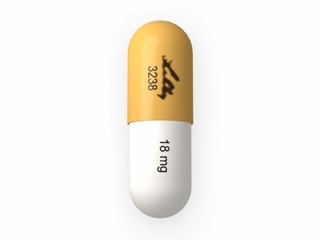
| Common formulations | Capsules (strength varies) |
| How it works | Selective noradrenaline reuptake inhibitor (SNRI-like action) |
| Who it may be used for | ADHD in children/adolescents and adults (subject to UK prescribing guidance) |
How Strattera works (mechanism of action)
Atomoxetine works by affecting neurotransmitters in the brain, particularly noradrenaline. It is a selective inhibitor of the reuptake of noradrenaline. In simple terms:
- It helps keep noradrenaline available in brain signalling pathways.
- This can improve symptoms of ADHD such as inattention, impulsivity, and hyperactivity.
Unlike many stimulant medicines used for ADHD, Strattera is typically not associated with the same immediate “rush” or rapid peak effects. Many people benefit after a course of treatment, with gradual symptom improvement.
Pharmacokinetics: what the body does with atomoxetine
Pharmacokinetics describes how the body absorbs, distributes, metabolises, and clears a medicine.
- Absorption: Atomoxetine is absorbed after taking a capsule by mouth.
- Distribution: It is distributed throughout the body and crosses into tissues including the brain.
- Metabolism: Atomoxetine is primarily metabolised in the liver by an enzyme called CYP2D6.
- Excretion: Metabolites are excreted mainly via urine and to a lesser extent via faeces.
- Half-life (duration in the body): On average, atomoxetine remains in the body for about a day, but the exact timing can vary. People who are “slow metabolisers” of CYP2D6 may have higher levels for longer.
Why this matters: Your prescriber may adjust dose or timing if you have liver issues, take interacting medicines, or have known CYP2D6-related risk factors.
What Strattera is used for (indications)
In the UK, atomoxetine is used to treat ADHD in:
- Children and adolescents (age range depends on the specific licensed indication and prescriber assessment)
- Adults
It may be considered when an ADHD diagnosis has been made and when a non-stimulant option is appropriate, such as when:
- Stimulant medicines are unsuitable, not tolerated, or not preferred
- There are concerns about misuse potential
- A longer-term, steadier approach is desired
Appropriate assessment and ongoing review are important for best outcomes.
When to take it: timing and how long it takes to work
Strattera is usually taken depending on the dose and your prescriber’s plan.
Typical timing
- Once daily dosing: Many people take it in the morning or as advised.
- Twice daily dosing: Doses are often split across the day to maintain effect.
How quickly it works
- Some improvement may be noticed within days to weeks, but
- full benefit often takes several weeks (commonly around 4–6 weeks, though this varies between individuals).
Practical tip: Don’t judge the medicine by only the first few days. If you feel no benefit after the initial period, speak to your prescriber rather than stopping suddenly on your own.
Dosing: general principles (UK)
Dose is individual. It depends on age, body weight (for children/adolescents), symptom control, tolerability, and medicine interactions. A gradual titration (dose increase) is common.
Common dosing approach (overview)
- Children and adolescents: Dose is often based on body weight, with a titration plan.
- Adults: Dose may start lower and be increased based on response and side effects.
Important: Always take atomoxetine exactly as directed. Missing doses can reduce effectiveness. If you forget a dose, follow the guidance provided by your prescriber or in the patient information leaflet.
Do not change your dose without medical advice.
Food interactions: can you take it with meals?
Atomoxetine can generally be taken with or without food. However, if you experience nausea or stomach upset, taking it with food may help.
- If you feel sick after a dose, consider taking it with a meal or shortly after eating.
- Try to take it at similar times each day to keep blood levels steadier.
Always check the leaflet supplied with your particular Strattera product for any specific instructions.
Alcohol and medicine interactions
Alcohol
There is no single “safe” rule for everyone, but in general:
- Alcohol may worsen dizziness, sleepiness, or concentration problems that ADHD treatment may affect.
- Heavy or frequent alcohol use can also increase risk to the liver. Atomoxetine is metabolised in the liver, so caution is advised if you drink regularly or have liver disease.
Patient-friendly advice: Keep alcohol intake modest and avoid binge drinking. If you’re concerned about alcohol use or liver health, speak to a clinician.
Medicine interactions (important)
Atomoxetine is metabolised by CYP2D6. Medicines that affect this pathway may change atomoxetine levels, increasing side effects or reducing effect.
Tell your pharmacist or prescriber if you take any of the following categories:
- Strong CYP2D6 inhibitors (may increase atomoxetine levels), such as some antidepressants and other medicines (examples vary by product; your pharmacist can check).
- Other antidepressants or medicines affecting mood and anxiety.
- Medicines that affect heart rhythm or can raise heart rate/blood pressure.
- Medicines for high blood pressure (may alter blood pressure monitoring needs).
- Medicines that increase bleeding risk (e.g., some antiplatelet/anticoagulant medicines), especially if you develop unusual bruising or bleeding.
Herbal products and supplements: Some supplements can interact with liver metabolism. If you use herbal remedies (including St John’s wort), discuss them with your pharmacist.
Do not start or stop other medicines without checking for interactions.
Safety profile: what to watch for
Most people tolerate Strattera well, but side effects can occur. Some effects are more likely early on or when the dose is increased. Seek medical attention promptly if you experience serious symptoms.
Common side effects
- Nausea, upset stomach
- Decreased appetite
- Sleep disturbance (insomnia) or tiredness
- Dry mouth
- Dizziness
- Headache
- Increased heart rate (may be noticeable)
Less common but important effects
- Blood pressure changes (can increase)
- Emotional changes such as irritability
- Urinary retention or difficulty passing urine (rare)
- Skin reactions including rash (rare)
Serious warnings — get urgent medical help
Contact urgent care or emergency services if you have symptoms such as:
- Swelling of the face, lips, tongue, or severe rash (possible allergy)
- Fainting, severe dizziness, or chest pain
- Yellowing of the skin or eyes (jaundice), dark urine, or severe fatigue (possible liver injury)
- Unusual bleeding or severe bruising
- Suicidal thoughts or significant mood changes (particularly early in treatment or after dose changes)
Note: If you or someone you care for experiences concerning mood changes or thoughts of self-harm, seek help immediately.
Practical use tips (making treatment easier)
- Take it consistently: Use a daily reminder so you don’t miss doses.
- Manage nausea: Taking with food may help. Stay hydrated and eat small meals if appetite is reduced.
- Monitor sleep: If insomnia occurs, discuss timing changes with your clinician (for example, dosing earlier in the day).
- Track effects: Consider keeping a simple diary of focus, impulsivity, mood, appetite, sleep, and any side effects.
- Stay attentive to heart rate and blood pressure: Some people need baseline and follow-up monitoring.
- Don’t stop suddenly: If you need to stop, your prescriber will advise how to do it safely.
- Adherence matters: Atomoxetine works over time. Regular use is key to consistent benefit.
Alternative options for ADHD (non-exhaustive)
ADHD treatment is tailored to the person. Alternatives may include:
- Stimulant medicines (e.g., methylphenidate or lisdexamfetamine) — often have faster onset
- Other non-stimulant options (depending on availability and clinical suitability)
- Behavioural strategies and structured support (skills training, parent/carer programmes)
- School/work adjustments such as routines, seating changes, and time-management supports
For many people, the best results come from combining medication with education-based strategies and psychosocial support.
UK market and legal context (overview)
In the UK, ADHD medicines are regulated by the Medicines and Healthcare products Regulatory Agency (MHRA) and supplied through the established NHS and private healthcare systems. Strattera is a licensed medicine and is commonly supplied through community pharmacies in line with UK regulations.
For treatment to be appropriate and safe, UK prescribers consider:
- Clinical assessment of ADHD symptoms and impact
- Medical history, including heart and liver concerns
- Current medicines and potential interactions
- Ongoing review for effectiveness and side effects
Local clinical pathways may vary between NHS trusts and regions, and private providers may use similar evidence-based approaches while following UK prescribing standards.
Recent guidance and monitoring (UK-focused, patient-friendly)
UK ADHD care typically emphasises:
- Baseline assessment (including symptom severity and functional impairment)
- Physical monitoring (commonly including blood pressure and heart rate)
- Regular follow-up to assess benefit, growth/weight changes in children, and side effects
- Review of treatment over time, including dose adjustments if needed
Because guidance and best practice can evolve, your prescriber may follow updated local protocols and national recommendations. If you want to know what monitoring is planned for you or your child, ask at each review appointment.
Delivery and availability in the UK
Availability can vary by pharmacy and stock levels. In the UK, medicines such as Strattera are typically supplied through:
- Community pharmacies (via standard ordering processes)
- Online pharmacies that operate within UK medicines regulations, with supplies delivered to the address you choose
Delivery timelines: Once an order is accepted and dispatched, delivery schedules depend on the selected delivery option and local logistics. Some pharmacies may offer next working day delivery for eligible areas.
What to check before ordering:
- Whether the exact capsule strength(s) you need is in stock
- Delivery cut-off times
- Packaging and temperature considerations (for most capsule medicines, standard packaging is used unless otherwise stated)
- Any requirements for secure delivery or identity verification (where applicable)
If a medicine is temporarily unavailable, pharmacies may offer alternatives such as different strengths or back-order arrangements, depending on supply status and clinical appropriateness.
How to store Strattera
- Keep in the original package to protect from light and moisture.
- Store at the temperature recommended on the label (usually “below 25°C” or similar—follow the specific packaging instructions).
- Keep out of the sight and reach of children.
- Do not use after the expiry date on the carton/blister.
If you have unused medicine, ask your pharmacist about safe disposal (do not flush down the toilet unless instructed).
FAQ — Strattera (Atomoxetine)
1) Is Strattera a stimulant?
No. Strattera (atomoxetine) is a non-stimulant medicine. It works differently from common ADHD stimulants and usually takes longer to reach full effect.
2) When should I take my dose?
Follow your prescriber’s instructions. Many people take it once daily in the morning or split across the day if twice daily. If you experience sleep problems, ask whether shifting timing could help.
3) How long does it take to work?
Some people notice changes within the first couple of weeks, but full benefit often takes several weeks. Continue as advised and attend follow-up reviews.
4) Can I drink alcohol while taking Strattera?
Moderation is advised. Alcohol may worsen side effects such as dizziness or sleep issues, and heavy drinking may increase stress on the liver. If you drink regularly or have liver problems, discuss your situation with a clinician.
5) What should I do if I miss a dose?
If you miss a dose, follow the instructions in your patient information leaflet or contact your pharmacist for advice. Avoid taking extra doses to “catch up” without guidance.
6) Can I take Strattera with food?
Yes, it can generally be taken with or without food. If nausea occurs, taking it with food may help.
7) What side effects are most common?
Common side effects include nausea, decreased appetite, dry mouth, headache, dizziness, and sleep disturbance. Many side effects improve as your body adjusts.
8) When should I seek urgent help?
Seek urgent medical attention for signs of severe allergic reaction, fainting/chest pain, jaundice (yellow skin/eyes), or significant mood changes including suicidal thoughts. If in doubt, contact emergency services.
9) Are there special considerations for children?
Yes. Clinicians typically monitor weight/appetite, growth, sleep, and overall functioning. Dosing is often weight-based and adjusted gradually.
10) What are common interactions to watch for?
Tell your pharmacist about all medicines and supplements. Atomoxetine can interact with drugs that affect CYP2D6 metabolism and with medicines that affect mood, blood pressure, or heart rhythm. Your pharmacist can check for specific interactions.
11) What are the alternatives if Strattera isn’t suitable?
Alternatives may include stimulant medicines, other non-stimulant options (as appropriate), and behavioural interventions plus educational supports. Your prescriber can help choose the best fit.
12) Can I stop Strattera suddenly?
Do not stop on your own. If treatment needs to be stopped, your prescriber will advise the safest way to reduce or discontinue it.
Summary
Strattera (atomoxetine) is a non-stimulant ADHD medicine used in the UK for children, adolescents, and adults. It works by increasing noradrenaline signalling in the brain. Treatment benefit typically builds gradually over weeks, and dose is tailored to age and individual factors. Common side effects include nausea and sleep or appetite changes, while less common but serious risks include liver injury and significant mood changes—any concerning symptoms should be treated urgently. Consistent daily use, careful attention to timing and interactions, and regular follow-up monitoring are key to safe and effective treatment.