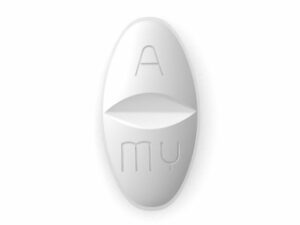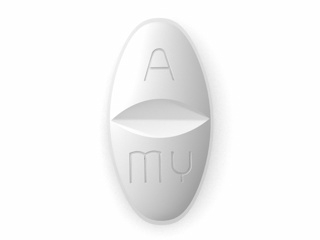

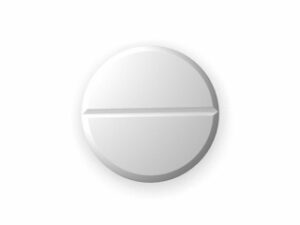
Toprol (Metoprolol) — Patient-Friendly Guide (UK)
Toprol is a brand of metoprolol, a medicine in the group of drugs known as beta-blockers. It is used to treat several heart-related conditions and may also be prescribed for other specialist indications. This guide explains how metoprolol works, how it is taken, what to expect, and important safety information.
Important: Always follow the instructions given by your healthcare professional and read the patient information leaflet supplied with your medicine. If you are unsure about your dose or how to take Toprol, speak to a pharmacist or clinician.
Basic product information
| Item | Details |
|---|---|
| Active ingredient | Metoprolol |
| Medicine type | Beta-blocker |
| Common forms | Immediate-release tablets and modified-release formulations may be available depending on brand/strength |
| Typical action | Reduces heart rate and blood pressure; helps reduce the workload on the heart |
| Who it may be for | People with certain cardiovascular conditions (e.g., angina, high blood pressure, heart rhythm problems) |
How Toprol works (mechanism of action)
Metoprolol blocks beta-adrenergic receptors, mainly the β1 receptors in the heart. This reduces the effects of adrenaline and similar stress hormones on the heart and circulation.
- Slows the heart rate and improves the heart’s rhythm control in certain conditions.
- Reduces the force of heart contraction, lowering oxygen demand.
- Lowers blood pressure by reducing cardiac output and affecting sympathetic drive.
- Helps prevent angina symptoms by decreasing the heart’s workload and oxygen needs.
In heart failure, carefully titrated beta-blocker therapy can improve symptoms and outcomes over time, but starting should be done cautiously and according to clinical guidance.
Pharmacokinetics (how the body handles metoprolol)
“Pharmacokinetics” describes absorption, distribution, metabolism, and elimination. Individual response varies depending on formulation and personal factors such as liver function.
Absorption and onset
- Metoprolol is absorbed after oral dosing.
- Immediate-release and modified-release forms can have different release patterns, affecting how quickly the medicine begins to act and how long it lasts.
Peak concentration and duration
- After dosing, blood levels rise to a peak before gradually declining.
- Modified-release formulations are designed to maintain steadier levels over the day.
Distribution
- Metoprolol distributes into body tissues, including the heart and central nervous system.
Metabolism
- Metoprolol is mainly metabolised in the liver.
- Because of this, other medicines that affect liver enzymes can change metoprolol levels.
Elimination
- Metabolites are eliminated primarily via the kidneys.
- Kidney impairment may require monitoring, although the main metabolism is in the liver.
Typical uses in the UK
Metoprolol (Toprol) may be used to treat a range of cardiovascular conditions, depending on the formulation and your clinical needs. Common uses include:
- High blood pressure (hypertension)
- Angina (to help prevent chest pain caused by reduced blood flow to the heart)
- Heart rhythm problems (for example, certain types of abnormal heartbeats where slowing the heart rate is beneficial)
- After a heart attack in selected patients, to reduce the risk of complications (as advised by clinicians)
- Heart failure (in appropriate patients, typically as part of a guideline-based regimen with gradual dose changes)
Timing: when and how to take Toprol
The best time to take your dose depends on whether you have an immediate-release or modified-release product. Always follow the dosing instructions on your label.
General practical guidance
- Try to take your medicine at the same times each day.
- If you miss a dose, do not take a double dose to make up for it. Instead, take the next dose at the usual time and seek advice if you are unsure.
- Do not stop metoprolol suddenly without medical advice—this can increase the risk of chest pain, heart rhythm problems, or other complications.
With or without food?
Metoprolol can often be taken with or without food. However, food can influence absorption for some formulations. If your pharmacist or leaflet advises a specific approach (for example, consistently with food), follow that advice to keep blood levels steady.
Food interactions
Food does not usually make metoprolol unsafe, but it may affect how much medicine is absorbed and how quickly it reaches peak levels.
- Consistency matters: take your tablets the same way each day (e.g., always with or always without food) unless your clinician advises otherwise.
- If you notice unusual symptoms (for example, dizziness or unusual tiredness) after changes in meals, talk to your pharmacist.
Alcohol interactions and advice
Alcohol can increase dizziness and light-headedness by adding to metoprolol’s blood pressure-lowering effects. If you choose to drink alcohol, do so cautiously.
- Avoid alcohol if you feel faint, very tired, or unwell after your dose.
- Limit your intake, and consider whether alcohol worsens breathlessness or fatigue.
Medicine interactions (important)
Metoprolol can interact with other medicines, potentially increasing the chance of side effects or reducing effectiveness. Always tell a pharmacist or clinician about all medicines you take, including over-the-counter products and herbal remedies.
Examples of medicines that may interact
- Other heart-rate lowering medicines (e.g., certain antiarrhythmics, some calcium channel blockers such as verapamil/diltiazem): may further slow heart rate and increase the risk of bradycardia or low blood pressure.
- Medicines affecting liver metabolism: can change metoprolol blood levels (for example, some antidepressants and certain anti-infective medicines).
- Medicines for diabetes: metoprolol may mask some warning signs of low blood sugar (such as a rapid heartbeat). It may also affect how glucose is tolerated.
- Non-steroidal anti-inflammatory drugs (NSAIDs): in some people, may affect blood pressure control.
- Other blood pressure medicines: may amplify the effect on blood pressure, leading to dizziness in some patients.
Cold and flu products
Some decongestants and stimulant-type cough/cold ingredients may increase heart rate or blood pressure. When buying over-the-counter medicines in the UK, ask a pharmacist which products are safe to take with a beta-blocker.
Indications and who may benefit
“Indication” means the medical condition a medicine is used to treat. Metoprolol’s main indications include cardiovascular disorders where reducing heart rate and cardiac workload is helpful.
Common clinical scenarios
- Angina: to help prevent chest pain and reduce episodes in long-term management.
- High blood pressure: to lower blood pressure and reduce cardiovascular risk.
- Abnormal heart rhythms: for rate control in selected rhythm disorders.
- Post-heart attack care: for selected patients to improve outcomes as part of a broader treatment plan.
- Heart failure: for eligible patients under clinician supervision with careful dose titration.
Your prescriber will choose the appropriate formulation and dosing schedule based on your condition, other medicines, and tolerability.
Dosing: general principles (UK patient information)
Dosing varies widely depending on the reason you’re taking metoprolol, your heart rate and blood pressure, age, other medical conditions, and whether you use immediate-release or modified-release tablets. This guide provides general dosing principles rather than exact personal instructions.
Starting and adjusting
- Beta-blockers are commonly started at a low dose and increased slowly to reduce side effects.
- Titration may be different for angina, hypertension, arrhythmias, or heart failure.
- Clinicians usually monitor heart rate, blood pressure, and symptoms such as dizziness or breathlessness.
Modified-release vs immediate-release
- Modified-release: typically taken once daily (depending on the specific product and strength) to give steady levels.
- Immediate-release: may be taken more than once daily.
Do not change dose without advice
If you feel your dose is too strong or too weak, seek advice rather than adjusting on your own. Stopping metoprolol abruptly can be harmful.
Safety profile: side effects and what to watch for
Most people tolerate metoprolol well, but like all medicines it can cause side effects. Many are related to the way beta-blockers slow the heart and lower blood pressure.
Common side effects
- Tiredness or reduced energy
- Dizziness, especially when standing up quickly
- Slow heart rate (bradycardia)
- Cold hands or feet
- Sleep disturbances or vivid dreams
- Nausea or stomach discomfort (less commonly)
- Shortness of breath in some people (particularly those with underlying lung disease)
Serious side effects — get urgent medical help
- Fainting or severe dizziness
- Chest pain that is new, worsening, or severe
- Markedly slow pulse with weakness or collapse
- Severe allergic reaction (swelling of face/lips, trouble breathing, widespread rash)
- Breathing problems that are severe or sudden, especially if you have asthma or COPD
Special considerations
- Asthma/COPD: beta-blockers can sometimes worsen breathing. If you have these conditions, your clinician will weigh benefits and risks.
- Diabetes: metoprolol may mask some signs of low blood sugar (like a fast heartbeat).
- Peripheral circulation problems: coldness and numbness may be more noticeable.
- Heart block or severe bradycardia history: dose changes require careful monitoring.
Practical use tips for everyday life
- Monitor pulse and blood pressure: if advised, check your heart rate and blood pressure regularly, especially after dose changes.
- Stand up slowly: to reduce dizziness, especially at the start of treatment or after increasing the dose.
- Be consistent with timing: choose a time you can maintain daily.
- Use a medication organiser: pill boxes can help avoid missed doses.
- Keep track of symptoms: note changes in fatigue, breathlessness, dizziness, or exercise tolerance and discuss them with your clinician.
- Don’t stop suddenly: if you need to stop, it should usually be reduced gradually with medical guidance.
When to seek advice (contact your healthcare team)
Contact a pharmacist or clinician promptly if you experience:
- Symptoms of too-low blood pressure (faintness, severe dizziness, falls)
- Significant worsening of breathing, wheeze, or increased shortness of breath
- Persistent heart rates that are very low or irregular for you
- New or worsening chest pain
- Signs of low blood sugar if you have diabetes (sweating, confusion, shakiness, although fast heartbeat may be less noticeable)
Alternative options to consider
Depending on your condition and personal factors, your clinician may consider other treatment options. Alternatives can include other beta-blockers or different classes of cardiovascular medicines.
Possible medication alternatives
- Other beta-blockers (examples include atenolol, bisoprolol, carvedilol).
- Non-beta-blocker options such as certain calcium channel blockers, ACE inhibitors, angiotensin receptor blockers, or other antianginal/antiarrhythmic strategies, depending on the diagnosis.
The best alternative depends on your specific condition (for example, angina vs heart failure vs arrhythmia), other medicines, kidney/liver function, and tolerance. Always discuss options with your healthcare professional.
UK market and legal context (overview)
In the United Kingdom, medicines containing metoprolol are regulated and supplied under the Medicines and Healthcare products Regulatory Agency (MHRA) framework. Many medicines that act on the cardiovascular system fall under controlled prescribing arrangements in line with UK clinical practice.
Online pharmacies in the UK typically provide appropriate services to help patients understand medicines, check eligibility, and support safe use. Availability, product strengths, and formulation types may vary by supplier and local stock levels.
Recent guidance and clinical practice notes (high-level)
UK and international cardiovascular guidance consistently emphasise:
- Careful titration of beta-blockers, especially in conditions like heart failure.
- Monitoring of blood pressure and heart rate to reduce the risk of excessive bradycardia or dizziness.
- Structured medication reviews to ensure correct ongoing therapy and identify interactions.
- Patient education about not stopping beta-blockers abruptly.
If you have questions about how metoprolol fits into your longer-term plan, your GP, cardiologist, or pharmacist can help.
Delivery and availability (UK)
Online pharmacy availability can vary depending on stock and the specific metoprolol brand/strength/formulation. Typical steps you may see when ordering online include:
- Selecting the correct product strength and formulation.
- Checking your delivery address details.
- Using secure payment and receiving order confirmation.
- Receiving the medicine with appropriate packaging and instructions.
Delivery times depend on the supplier, local logistics, and stock status. If a product is out of stock, some pharmacies may offer alternative strengths or similar options, subject to eligibility and clinical suitability.
FAQ: Toprol (Metoprolol)
1) What is Toprol used for?
Toprol (metoprolol) is used for cardiovascular conditions such as high blood pressure, angina, and certain heart rhythm problems. It may also be used in selected patients as part of longer-term care after events like a heart attack or in some cases of heart failure, depending on clinical assessment.
2) How quickly will I feel the effects?
Some effects (such as a reduction in heart rate and blood pressure) may be noticed relatively soon after starting. However, full benefits for conditions like angina often develop over days to weeks as the dose is adjusted and your body stabilises.
3) Should I take Toprol with food?
Many people can take metoprolol with or without food. The key is to be consistent in how you take it (unless your leaflet or pharmacist instructs otherwise), particularly if you notice absorption changes when your routine changes.
4) Can I drink alcohol while taking Toprol?
Alcohol may increase dizziness and light-headedness, especially at the start of treatment or after dose increases. If you drink, do so cautiously and avoid drinking if you feel unwell or faint.
5) What should I do if I miss a dose?
Take the next dose at your usual time. Do not take a double dose to make up for the missed one. If you miss more than one dose or you’re unsure what to do, contact your pharmacist for advice.
6) What side effects are most common?
Common side effects include tiredness, dizziness (often when standing), slower heart rate, cold hands or feet, and sleep disturbances. These can often improve as your body adjusts, but tell your healthcare team if they persist or worsen.
7) Is it safe to stop Toprol suddenly?
Generally, beta-blockers should not be stopped abruptly without medical advice. Stopping suddenly may worsen angina or trigger heart rhythm or blood pressure problems. If you need to stop, it is typically reduced gradually under guidance.
8) Can Toprol interact with other medicines?
- Yes. Some medicines can increase metoprolol levels or enhance its effects on heart rate and blood pressure.
- Always check interactions when starting any new medicine, including over-the-counter products and herbal supplements.
9) Does Toprol affect asthma or breathing?
Metoprolol is primarily a β1-selective beta-blocker, but at higher doses it may still affect the lungs. If you have asthma or chronic lung disease, discuss safety with your clinician. Seek medical advice if breathing worsens.
10) Who should take extra care while using metoprolol?
Extra caution may be needed for people with diabetes, asthma/COPD, slow heart rates, heart block, significant liver impairment, or those taking several interacting medicines. Your pharmacist can help review your medicine list for potential issues.
11) How should I store Toprol?
Store according to the instructions on the pack and avoid extremes of heat or moisture. Keep medicines out of sight and reach of children.