Trileptal (Oxcarbazepine) – Patient Information (UK)
Trileptal contains oxcarbazepine, a medicine used mainly to treat certain types of epilepsy. This page explains how Trileptal works, how it is typically taken, important safety information, and practical tips for everyday use. It is designed to be easy to read and suitable for patients in the United Kingdom.
1) Basic product information
| Item | Details |
|---|---|
| Medicinal product | Trileptal |
| Active ingredient | Oxcarbazepine |
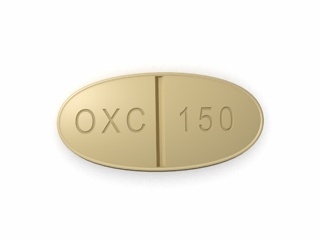
| Common forms | Tablets and oral suspension (liquid) depending on availability |
| Medicine type | Antiepileptic (anti-seizure) medicine |
| ATC code | N03AF02 |
| How it’s used | For epilepsy (often as monotherapy or add-on therapy, depending on the individual) |
Note: Brand availability and exact strengths may vary by supplier. Always check the package and follow the instructions issued to you.
2) How Trileptal works (mechanism of action)
Oxcarbazepine helps control seizures by changing how nerve cells “fire” electrically in the brain. After you take it, oxcarbazepine is converted into an active metabolite (mainly monohydroxy derivative, also called MHD).
The active form helps stabilise overactive nerve signalling by:
- Reducing repetitive firing of nerve cells, which can contribute to seizures.
- Modulating sodium channels and other cellular processes involved in abnormal electrical activity.
For many people, this leads to fewer seizures over time, though individual response varies.
3) Pharmacokinetics (how the body handles it)
Pharmacokinetics describes what happens after you take a dose: absorption, conversion in the body, distribution, metabolism, and elimination.
Absorption
Oxcarbazepine is absorbed from the gut. It is then rapidly converted to its main active metabolite (MHD).
Distribution
The active metabolite distributes through the body. The degree of protein binding and the distribution patterns can influence how long it stays active.
Metabolism (conversion)
The key step is conversion to MHD, which provides much of the antiseizure effect.
Elimination
Most of the drug-related metabolites are eliminated through the kidneys. This is why kidney function can affect dosing in some people.
Time to effect
Many people notice benefits after starting treatment and adjusting to a stable dose. However, seizure control can take time to optimise, particularly after dose changes.
4) Typical uses and indications
Trileptal is used for the treatment of epilepsy. In UK clinical practice, it is commonly used for:
- Focal (partial) seizures – with or without progression to bilateral tonic-clonic seizures
- Adjunctive (add-on) therapy in some patients
- Monotherapy in selected adults and older children, depending on local guidance and clinical assessment
Important: If you are using Trileptal for a condition other than epilepsy, confirm your specific indication with your healthcare professional.
5) When to take Trileptal (timing and routine)
Trileptal is commonly taken two times a day (morning and evening). Some people may take it slightly differently depending on their formulation and prescriber instructions.
Practical timing tips:
- Try to keep doses evenly spaced (for example, roughly 12 hours apart for a twice-daily schedule).
- Choose routines that fit your day—taking it with breakfast and dinner often helps.
- If you are switching between tablet and liquid (or changing strengths), ask for clear dosing instructions to avoid dosing errors.
Consistency matters. Missing doses can reduce seizure protection and may increase the risk of breakthrough seizures.
6) Food interactions
Trileptal can generally be taken with or without food. Food is not usually a major factor in absorption for oxcarbazepine.
What to watch for:
- If you have stomach upset, nausea, or other side effects, some people find taking doses with food helps.
- Try not to make multiple major changes at once (for example, changing dose and diet) so you can tell what affects you.
Always follow your local medicine advice: if the product information sheet for your specific Trileptal formulation suggests any special instructions, follow that guidance.
7) Alcohol and medicine interactions
Alcohol
Alcohol may increase side effects of Trileptal, particularly:
- Dizziness
- Drowsiness
- Impaired coordination
For these reasons, it is usually advisable to limit or avoid alcohol until you know how Trileptal affects you.
Medicines that interact with Trileptal
Oxcarbazepine can interact with other medicines, mainly through its effects on liver enzymes and protein binding, and by changing sodium balance in the body.
Be particularly careful and seek advice if you take:
- Hormonal contraceptives (some hormonal methods may be less reliable when enzyme-inducing antiepileptics are used; check guidance and consider additional contraception if advised)
- Other antiepileptic medicines (dose adjustments may be needed)
- Medicines that lower sodium or affect electrolytes (this can increase the risk of hyponatraemia)
- Diuretics (water tablets), especially thiazides
- Some antidepressants/antipsychotics and other medicines that affect mood or the nervous system
- Other drugs metabolised by liver pathways where interactions may occur
Always tell your pharmacist or prescriber about: all medicines you take (including over-the-counter products, herbal supplements, and occasional remedies).
Do not stop or start medicines without checking, because seizure control depends on steady medicine levels.
8) Dosing: how it is usually started and adjusted
Dosing must be individual. The information below is general and may not match what your clinician has recommended for you.
General dosing principles
- Start low and increase gradually, commonly over days to weeks, to reduce side effects.
- Adjustment depends on seizure control, tolerability, age, weight, and kidney function.
- Do not exceed your prescribed maximum daily dose.
How doses are typically divided
Trileptal is often taken as two divided doses each day (morning and evening). Liquid doses may be measured using an oral syringe or dosing spoon provided by the pharmacist.
Kidney and elderly considerations
For some people—particularly those with reduced kidney function—dose adjustments are required. Your clinician may also recommend blood tests to monitor safety.
Missed dose guidance (general): If you miss a dose, take it when you remember unless it is near the time for the next dose. Do not take a double dose to make up for the missed one. If you’re unsure, ask your pharmacist for advice.
9) Safety profile and important warnings
Like all medicines, Trileptal can cause side effects. Many are mild and improve as your body adjusts. However, some require prompt medical review.
Common side effects
- Dizziness
- Sleepiness or tiredness
- Headache
- Nausea
- Fatigue
- Balance problems or unsteadiness
Less common but important: hyponatraemia (low sodium)
Trileptal can lower sodium levels in the blood (hyponatraemia). This is a well-known risk of oxcarbazepine.
Contact urgent medical help if you develop symptoms such as:
- Severe or worsening confusion
- Significant drowsiness
- Muscle weakness or cramps
- Persistent vomiting
- Seizures that worsen unexpectedly
Your clinician may monitor sodium levels—especially if you are at higher risk (for example, older age, kidney issues, or if you take other medications that affect sodium).
Allergic reactions and skin reactions
Seek urgent medical advice if you develop:
- Swelling of the face/lips
- Breathing difficulties
- Widespread rash, blistering, or peeling skin
Severe skin reactions are rare but can be serious. If you notice a new rash, particularly with fever or feeling unwell, get medical help promptly.
Blood and liver effects (monitoring may be needed)
Very occasionally, blood counts or liver function may change. Your clinician may request blood tests if there are symptoms or based on your risk profile.
Falls and driving considerations
Because dizziness and sleepiness can occur, use caution with:
- Driving or riding a bicycle, especially when starting or changing dose
- Operating machinery
- Any activity where unsteadiness would be dangerous
In the UK, driving rules for people with epilepsy depend on seizure control and medical advice. Speak to your clinician if driving is relevant to you.
Stopping suddenly
Do not stop Trileptal suddenly. Abrupt discontinuation can increase seizure risk. If stopping is needed, it should be done gradually under medical supervision.
10) Practical use tips for everyday life
- Use a daily reminder: phone alarms, pill organiser, or blister pack calendar.
- Keep consistent: try taking it at the same times each day.
- Hydration and sodium awareness: follow your clinician’s advice, especially if you’re prone to low sodium or you’re also taking diuretics.
- Watch for early side effects: dizziness and tiredness are more common early on or after dose increases.
- Track seizures: note date/time and possible triggers; this helps your healthcare team adjust therapy.
- Care with other products: check with a pharmacist before starting herbal remedies or new over-the-counter medicines.
- Oral suspension handling (if you use the liquid): shake gently if instructed, and measure each dose accurately using the provided device.
11) Alternative treatment options
For focal epilepsy and related seizure types, there are several alternative antiepileptic medicines. Which option is best depends on seizure type, age, other medical conditions, and how well you tolerate side effects.
Examples of alternatives (not exhaustive):
- Levetiracetam
- Lamotrigine
- Carbamazepine (related class, but different safety profile)
- Topiramate
- Valproate (used selectively due to important risks in some groups)
- Zonisamide or other focal seizure medicines, depending on clinical judgement
Your clinician may also consider non-drug options (such as epilepsy surgery evaluation or device-based treatments) in certain cases. If Trileptal isn’t effective or you experience troublesome side effects, discuss alternatives early so adjustments can be planned safely.
12) UK market and legal context (what to expect)
In the United Kingdom, antiepileptic medicines are regulated medicines dispensed through approved supply chains. Trileptal is supplied via pharmacies in accordance with UK pharmaceutical regulations and local prescribing practices.
Patient responsibilities:
- Use the medicine only for the condition and dosing plan agreed with your healthcare team.
- Store it safely, out of sight and reach of children.
- Do not share medicine with others.
Pharmacy availability: Availability may depend on the formulation (tablet vs suspension) and the specific strength. Online pharmacies typically show real-time stock status where possible.
13) Recent guidance and monitoring themes in the UK
Over recent years, UK epilepsy care has continued to emphasise:
- Individualised choice of antiepileptic medicines based on seizure type and patient factors
- Safety monitoring, particularly for medicines that may affect sodium levels or blood/organ function
- Careful management during transitions (e.g., dose adjustments, switching formulations, missed doses)
- Good communication between patients, GP, neurologists, pharmacists, and specialist epilepsy nurses
Your healthcare team may suggest blood tests, especially if you are at higher risk of hyponatraemia or if symptoms appear.
14) Delivery and availability (UK online pharmacy)
Availability varies by supplier and formulation. If you order online, you typically receive:
- Packaging suitable for home storage
- Clear label information including strength, dosing instructions, and batch details
- Delivery updates via email or SMS (depending on the pharmacy)
Delivery expectations: Standard delivery times vary by location and supplier. Some pharmacies offer express or next-day delivery for eligible orders, subject to stock availability and order cut-off times.
Storage: Follow the storage instructions on the carton (commonly “store below 25°C” unless otherwise stated). Keep the medicine in its original packaging.
If you need urgent supply: contact the pharmacy’s support team. Because seizure control can be time-sensitive, let them know if you are running low.
15) FAQ
How long does it take for Trileptal to start working?
Many people begin to see benefits after starting treatment or after dose increases, but seizure control can take time to stabilise. If you do not notice improvement, discuss this with your clinician—do not change or stop the medicine on your own.
Can Trileptal be taken with food?
Yes. Trileptal can generally be taken with or without food. If you feel nauseated, taking it with a meal may help.
What happens if I miss a dose?
Take it when you remember if it is not close to the next dose. If it is nearly time for the next dose, skip the missed dose. Do not take a double dose. If you are unsure, ask your pharmacist for advice.
Is it safe to drink alcohol while taking Trileptal?
Alcohol can increase dizziness and sleepiness. It is usually best to limit or avoid alcohol, especially when you are starting treatment or adjusting the dose. Ask your pharmacist for personalised guidance.
Will Trileptal affect hormonal contraception?
Some antiepileptic medicines can reduce the effectiveness of hormonal contraceptives in certain circumstances. Because this area is important and situation-specific, seek advice from your pharmacist or clinician about your contraceptive method.
What blood tests might be needed?
Your clinician may monitor sodium levels and possibly other parameters depending on your age, symptoms, and risk factors. If you feel unwell or develop symptoms suggesting low sodium, report them promptly.
Are there withdrawal effects?
Stopping suddenly can increase seizure risk. If Trileptal needs to be discontinued, it should be reduced gradually under medical supervision.
Can Trileptal be used in pregnancy?
Epilepsy medicines require careful risk–benefit discussion in pregnancy. If you are pregnant, planning pregnancy, or could become pregnant, talk to your clinician early for personalised advice.
What should I do if I develop a rash?
Contact urgent medical advice if the rash is severe, blistering, or comes with fever or feeling unwell. Mild rashes should also be discussed promptly with healthcare professionals.
How do I switch between tablet and liquid?
Tablet and liquid formulations may not be interchangeable on a simple “same number of milligrams” basis without a conversion plan. Ask your pharmacist for exact dosing instructions before switching.
Summary
Trileptal (oxcarbazepine) is an antiepileptic medicine used to help control seizures, particularly focal seizure types. It works by stabilising nerve signalling and is typically taken twice daily. Food usually does not significantly affect how it is absorbed, but alcohol may increase side effects such as dizziness and drowsiness. Because Trileptal can cause hyponatraemia (low sodium) and other reactions in some people, monitoring and prompt reporting of symptoms are important. If you have questions about dosing, interactions, side effects, or availability, speak to your pharmacist or healthcare team.