
Tritace (Ramipril) — Patient-Friendly Guide (UK)
Tritace contains ramipril, a medicine used to treat several cardiovascular conditions, especially high blood pressure and heart failure. It works by relaxing blood vessels and reducing strain on the heart. This guide explains what Tritace is, how it works, how to take it safely, and what to expect in everyday use.
1) Basic product information
| Feature | Information |
|---|---|
| Active ingredient | Ramipril |
| Medicinal type | ACE inhibitor (Angiotensin-Converting Enzyme inhibitor) |
| Common uses | High blood pressure, heart failure, kidney protection in certain patients, post-heart attack risk reduction |
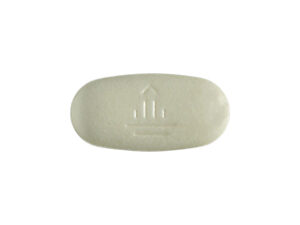
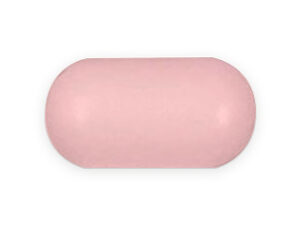
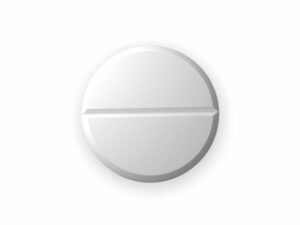
| How it comes | Oral tablets (strength varies; follow your pack/label) |
| Where it’s used | United Kingdom (UK) — available via pharmacies and prescription medicines channels |
If you are unsure about the strength you have been given (for example 1.25 mg, 2.5 mg, 5 mg, or 10 mg tablets), check your box and the instructions on your medicine label.
2) How Tritace works (mechanism of action)
Ramipril belongs to a class called ACE inhibitors. In your body, an enzyme called ACE (angiotensin-converting enzyme) helps produce angiotensin II, a substance that narrows blood vessels and contributes to higher blood pressure and hormone changes that can worsen heart and kidney disease.
Tritace blocks ACE, leading to:
- Wider blood vessels, which helps lower blood pressure.
- Reduced workload on the heart, which can improve symptoms in heart failure.
- Lower stress on kidneys in certain conditions (including some forms of diabetic kidney disease).
- Increased levels of bradykinin, which contributes to both therapeutic effects and some side effects (notably a dry cough in some people).
3) Pharmacokinetics (how the body handles ramipril)
“Pharmacokinetics” describes what happens to a medicine in the body: absorption, distribution, metabolism, and elimination. While individual responses vary, Tritace generally behaves as follows:
- Absorption: Ramipril is absorbed after tablet intake. Peak concentrations typically occur within a few hours.
- Activation: Ramipril is converted in the body to its active metabolite (ramiprilat), which is mainly responsible for the ACE-inhibiting effect.
- Distribution: It distributes into body tissues and works on blood vessel/ACE activity.
- Elimination: The active components are mainly removed through the kidneys. This is why kidney function is important for dosing and monitoring.
- Half-life: ACE inhibition can last for about a day, supporting once-daily dosing in many regimens.
Your prescriber may adjust the dose if you have kidney impairment, if you are older, or if you have other conditions that affect fluid balance and blood pressure.
4) Typical use in the UK
Tritace is commonly used to manage:
- High blood pressure (hypertension)
- Heart failure (symptomatic reduced heart pumping ability or related situations)
- After a heart attack in selected patients to reduce the risk of cardiovascular events
- Kidney protection, particularly in people with diabetes and additional risk factors
- Cardiovascular risk reduction in higher-risk individuals (as clinically appropriate)
The exact indication and dose depend on your overall health profile, blood pressure, kidney function, and blood test results.
5) When to take Tritace (timing and routine)
Many patients take ramipril . However, your schedule should follow the instructions on your label.
- Same time each day: This helps maintain steady medicine levels.
- With or without food: Tritace can generally be taken with or without meals (see “Food interactions” for details).
- First dose precautions: If you are starting or restarting after a break, your first few doses may cause dizziness. Consider taking it at a time when you can sit down if you feel light-headed.
- Do not double up: If you miss a dose, take it when you remember unless it is close to the next dose. Do not take a double dose to catch up.
6) Food interactions
Food interactions with Tritace are generally minimal for most people. In practical terms:
- Meals: You can usually take ramipril .
- Stable routine helps: Taking it the same way each day may help you remember and notice any side effects.
- Hydration matters: Staying well-hydrated supports blood pressure stability, especially when starting the medicine or during hot weather.
If you have vomiting, diarrhoea, or are unable to eat/drink normally, ask a healthcare professional about whether to pause temporarily, because dehydration can increase the risk of low blood pressure or kidney problems with ACE inhibitors.
7) Alcohol and medicine interactions
Alcohol
Alcohol can lower blood pressure and may increase dizziness, light-headedness, or faintness—particularly when starting Tritace or after dose changes. It may also worsen dehydration.
- Start cautiously: If you plan to drink alcohol, do so in moderation and monitor how you feel.
- Avoid binge drinking: This can increase the risk of side effects.
Common medicine interactions
Tritace can interact with medicines that affect kidney function, potassium levels, blood pressure, or fluid balance. Tell your pharmacist or healthcare professional about all medicines you use, including over-the-counter products and supplements.
Particular caution is needed with:
- Other blood pressure medicines (additive effect): may increase risk of low blood pressure.
- Diuretics (“water tablets”): combining may be beneficial but can raise the risk of low blood pressure, kidney changes, and dehydration—especially early in treatment.
- Potassium supplements or salt substitutes containing potassium: increases risk of high potassium (hyperkalaemia).
- Potassium-sparing diuretics (for example, spironolactone or eplerenone) and certain other agents that increase potassium: may require monitoring.
- Non-steroidal anti-inflammatory drugs (NSAIDs) such as ibuprofen or naproxen (especially prolonged use): may reduce kidney protection and increase the risk of kidney problems and high potassium.
- Diabetes medicines: ACE inhibitors can sometimes enhance blood sugar lowering. Monitor for unexpected low blood sugar in some cases.
- Lithium: ramipril may increase lithium levels; this combination usually needs close monitoring.
- Immunosuppressants or medicines affecting blood cells: may increase certain adverse risks; monitoring may be required.
If you are unsure whether a product is an NSAID or affects potassium, ask your pharmacist before use.
8) Indications (what it is used for)
In clinical practice, Tritace is used for several indications. Your exact plan will be individual. Typical indications include:
- Hypertension: to lower blood pressure and reduce cardiovascular risk.
- Heart failure: to improve symptoms, reduce hospitalisations, and support long-term outcomes.
- After myocardial infarction (heart attack): to lower risk of further cardiovascular events in suitable patients.
- Diabetic kidney disease (and other kidney-risk scenarios): to slow progression and reduce risk of complications.
- High cardiovascular risk: in certain patients where risk reduction is an important goal.
Treatment choices are guided by national guidance, test results, and your overall cardiovascular and kidney risk profile.
9) Dosing (typical approach and how adjustments work)
Dosing is tailored to the person. Many people start on a low dose and gradually increase to a target dose that fits their condition and tolerability. Always follow the instructions on your medicine label.
General dosing principles
- Start low, go slow: particularly if you are older, have kidney impairment, low baseline blood pressure, or are on diuretics.
- Increase gradually: dose changes are often spaced out over days to weeks.
- Monitor blood tests: kidney function and potassium are typically checked after starting and after dose changes.
- Blood pressure monitoring: dizziness or faintness may indicate your blood pressure is dropping too much.
Practical guidance on titration
Your clinician may recommend:
- A once-daily dose in many patients.
- Temporary adjustments during intercurrent illness (for example, severe vomiting/diarrhoea), depending on advice.
- Lower maximum doses or slower titration if kidney function is reduced.
If you have been given a specific dose plan, keep a note of your current strength and timing. If you miss doses, do not “catch up” by taking extra.
10) Safety profile (what to watch for)
Like all medicines, Tritace can cause side effects. Many people tolerate it well, especially once the dose is stabilised. Some effects require prompt medical advice.
Common side effects
- Dizziness or light-headedness (particularly after starting or increasing the dose)
- Dry, persistent cough
- Headache
- Fatigue
- Low blood pressure in some people
Less common but important side effects
- Raised potassium (often found on blood tests; may cause weakness or abnormal heart rhythms)
- Changes in kidney function (monitored via blood tests)
- Rash or itchiness
Seek urgent medical help if you develop:
- Swelling of the face, lips, tongue, or throat, or difficulty breathing (possible angioedema)
- Severe dizziness, fainting, or inability to keep fluids down
- Signs of serious infection (for example, fever with severe sore throat) that may suggest blood cell problems
Monitoring: why blood tests matter
ACE inhibitors can affect kidney filtration and potassium balance. Your clinician may monitor:
- Serum creatinine / eGFR (kidney function)
- Potassium levels
- Blood pressure and symptoms
If you have kidney disease, diabetes, heart failure, or take other medicines that affect potassium, monitoring becomes especially important.
11) Practical use tips (to get the best results safely)
- Take consistently: Aim for the same time each day.
- Stand up slowly: If you feel dizzy, rise gradually from sitting/lying positions.
- Hydrate appropriately: Especially during hot weather or if you have reduced food intake—unless you have been told to restrict fluids.
- Use a blood pressure record: Home readings can help your clinician adjust your regimen.
- Be careful with “natural” products: Some supplements may affect blood pressure or potassium.
- Tell dentists and other clinicians: Before procedures, inform them you take ramipril.
- Don’t stop suddenly: Unless advised, stopping ACE inhibitors may worsen control of blood pressure and heart conditions.
12) Alternative options
Depending on your condition, history, and tolerance, clinicians may choose alternative treatments. These may include:
- ARBs (angiotensin receptor blockers) (for example, losartan, valsartan) — often considered if ACE inhibitors are not tolerated due to cough.
- Beta-blockers (for certain heart conditions)
- Calcium-channel blockers (common for high blood pressure)
- Diuretics (“water tablets”) for fluid-related symptoms
- Other kidney- and cardiovascular-protective approaches based on your overall profile
The best alternative depends on why you are taking Tritace—blood pressure control, heart failure management, post-heart-attack risk reduction, or kidney protection.
13) UK market and legal context (overview)
In the UK, medicines like Tritace are regulated and supplied through established pharmacy systems. Availability and supply may depend on national healthcare pathways and the medicine status on the UK medicines classification framework. You should always buy from a reputable source and ensure the product is genuine and matches the dosing instructions provided to you.
If you are considering purchasing online, look for:
- Clear product identification (active ingredient, strength, form)
- Transparent delivery options and contact details
- Quality assurances and appropriate sourcing statements
- Privacy-respecting processes for any information requested
14) Recent guidance (what to know in current practice)
Clinical care in the UK for blood pressure, heart failure, and kidney protection is guided by evidence-based recommendations from national bodies and professional guidance. In recent years, consistent themes in practice include:
- Appropriate blood pressure targets tailored to age, comorbidities, and tolerance.
- Regular monitoring of kidney function and potassium when using ACE inhibitors.
- Awareness of “sick day” management principles in people at risk of dehydration (so you can reduce complications during illness).
- Medication reviews to ensure benefits outweigh risks as health changes over time.
Your healthcare team may update your plan as new evidence emerges or as your test results change. If you are unsure, ask your pharmacist or clinician about the latest advice for your situation.
15) Delivery and availability (UK)
Online pharmacies in the UK typically offer delivery within stated timescales (often next-day or within a few days, depending on the service). Availability may vary by:
- Strength and pack size (not all strengths may be held routinely)
- Seasonal demand and supply chain variability
- Stock rotation and prescription processing steps where required
To reduce delays:
- Double-check the strength on your label.
- Order earlier if you need it before travel or upcoming appointments.
- Confirm your delivery address details and contact number (when required by the courier service).
If you are running low, consider ordering in good time so you can avoid interruption—unless your clinician advises a pause for safety.
16) FAQ about Tritace (Ramipril)
Can I take Tritace with food?
Yes. Tritace can usually be taken with or without food. Many people find it easiest to take with a routine meal to help remember.
What time of day should I take it?
Follow your label instructions. Many patients take ramipril . If the first dose makes you dizzy, consider taking it when you can sit or at bedtime—discuss with a healthcare professional if you are unsure.
Will Tritace definitely lower my blood pressure?
It often helps, but responses vary. It can take days to weeks to see the full effect, and dose adjustments may be needed based on blood pressure readings and blood test results.
Why do I sometimes get a dry cough with ramipril?
A dry cough can occur because ACE inhibitors increase bradykinin levels. If the cough is persistent or troublesome, contact your clinician—an alternative such as an ARB may be considered.
What should I do if I miss a dose?
Take it as soon as you remember unless it is close to the next dose. Do not take double to make up for a missed dose. If you’re unsure, ask a pharmacist for advice.
Are there foods I should avoid?
No specific foods are universally prohibited. However, avoid using salt substitutes that contain potassium unless you have been told it’s safe. Maintain a consistent diet and stay hydrated unless your clinician has restricted fluids.
Can I drink alcohol while taking Tritace?
You may drink alcohol, but moderation is important. Alcohol can increase dizziness and lower blood pressure, especially after starting or increasing the dose.
Which medicines should I avoid or be cautious with?
Be cautious with medicines that can affect kidney function or potassium levels. Examples include NSAIDs (like ibuprofen/naproxen), potassium supplements, salt substitutes with potassium, and some diuretics. Always check with your pharmacist if you’re unsure.
Do I need regular blood tests?
Often yes, particularly after starting or changing dose. Tests commonly include kidney function and potassium. This is to keep treatment safe and effective.
Is Tritace safe for everyone?
Not for everyone. People with a history of angioedema related to ACE inhibitors, certain pregnancy considerations, and specific kidney/artery conditions may not be suitable. Your pharmacist or clinician will assess suitability based on your medical history.
What are warning signs that mean I should get help urgently?
Seek urgent help if you get swelling of the face/lips/tongue or difficulty breathing, or if you experience severe dizziness, fainting, or signs of serious infection.
What are the common reasons doses are adjusted?
Doses may be adjusted due to blood pressure readings, symptoms (like dizziness), and blood test results (kidney function and potassium levels).
17) Summary
Tritace (ramipril) is an ACE inhibitor widely used in the UK for high blood pressure, heart failure, and to reduce risk in certain cardiovascular and kidney-related conditions. It works by relaxing blood vessels and helping protect the heart and kidneys. Like all medicines, it requires careful use—especially at the start and after dose changes—along with monitoring of kidney function and potassium.
If you have questions about your dose, side effects, or interactions with other medicines, speak with a pharmacist or clinician for advice tailored to you.