Ursodeoxycholic Acid (UDCA) – Patient-Friendly Guide (UK)
Ursodeoxycholic acid (UDCA) is a medicine used to treat certain problems related to bile (the digestive fluid made by your liver). It is commonly prescribed for specific gallbladder and bile-duct conditions and may help dissolve cholesterol gallstones in carefully selected people. This guide explains how UDCA works, how it’s usually taken, what to expect, and key safety and interaction information—written for patients in the United Kingdom.
1. Basic product information
- Generic name: Ursodeoxycholic acid
- Also known as: UDCA
- What it is: A naturally occurring bile acid (a “bile salt”) used as a medicine
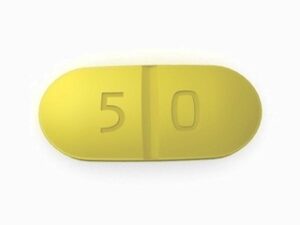
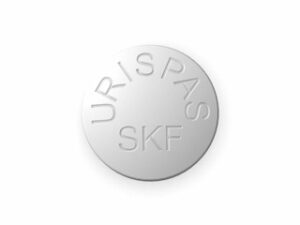
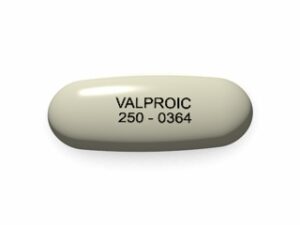
- Form: Tablets/capsules (varies by brand)
- Common strengths: Often 250 mg or 300 mg per dose (depending on the product)
Important: Brands and strengths differ. Always follow the dosing instructions provided for your specific product and condition.
2. How Ursodeoxycholic Acid works (mechanism of action)
UDCA is a bile acid that changes the composition and behaviour of bile. While the exact mechanism can vary depending on the condition being treated, UDCA generally:
- Improves bile flow by helping bile move more effectively from the liver and through the bile ducts.
- Reduces cholesterol saturation in bile, which can help prevent further cholesterol gallstone formation and can support dissolution of existing cholesterol gallstones in some patients.
- Helps protect liver and bile-duct cells from damage caused by more harmful bile acids. UDCA is less irritating compared with some other bile acids.
- Promotes a more “favourable” bile acid profile so that the balance of bile acids becomes less toxic to tissues.
Because UDCA works by altering bile chemistry, it may take time to show benefits—especially when used for gallstone dissolution.
3. Pharmacokinetics (what the body does to UDCA)
Pharmacokinetics describes how the medicine is absorbed, distributed, metabolised and eliminated.
- Absorption: UDCA is absorbed from the gut and enters the bloodstream.
- Distribution: It circulates and is taken up by the liver, where it is processed into bile.
- Metabolism: UDCA is metabolised partly in the liver and also by intestinal bacteria.
- Elimination: It is excreted mainly through bile and the digestive tract. Some is eliminated in stool.
- Onset of effect: For bile flow improvement, benefit may be seen over weeks. For gallstone dissolution, it typically takes months, and treatment may need to continue long enough to achieve the goal.
Your clinician will monitor your progress using clinical assessment and, where appropriate, blood tests and imaging (for example ultrasound for gallstones).
4. Typical uses in the UK
In the UK, UDCA is used for specific conditions where bile acids are involved. Common intended uses include:
- Dissolution of cholesterol gallstones in people who meet the criteria (e.g., non-calcified stones and a functioning gallbladder).
- Primary biliary cholangitis (PBC) (also known as primary biliary cirrhosis). UDCA is a standard treatment option.
- Other cholestatic (bile-flow) disorders may be considered depending on specialist assessment and guidance.
Note: The suitability of UDCA depends strongly on the diagnosis, gallstone type and liver/bile-duct status. Not all gallstones respond to UDCA.
5. When to take UDCA (timing and routine)
How you take UDCA depends on your prescribed schedule and your product formulation.
- Consistency matters: Try to take it at the same times every day.
- With meals: Many people find it easiest to take UDCA with food. However, follow your individual dosing instructions.
- Swallowing: Swallow tablets/capsules whole with water. Do not crush unless your pharmacist advises it is safe for your brand.
Practical tip: If you forget a dose, take it when you remember unless it is close to your next dose. Do not double up.
6. Food interactions and “what to eat” guidance
UDCA interacts with digestion rather than specific foods. Still, food can affect how medicines are tolerated and how consistently you take them.
- General advice: Take UDCA with water and follow dosing guidance regarding whether to take it with or after meals.
- Meal consistency: Keeping meals reasonably regular can reduce missed doses and stomach upset.
- High-fat meals: If you are taking UDCA for gallstones, you may be advised to follow dietary advice that reduces gallbladder strain. Your clinician may recommend a balanced diet rather than extreme low-fat diets.
There are no common “must avoid” foods for UDCA across all patients, but your overall diet advice may differ depending on your diagnosis.
7. Alcohol and medicine interactions
Alcohol: If you have liver or bile-duct disease, it’s generally safest to limit or avoid alcohol unless your healthcare team says otherwise. Alcohol may worsen liver stress and can interfere with bile-liver health.
Medicine interactions: Some medicines can interfere with bile acid activity or affect absorption. The most relevant interactions to discuss with your prescriber or pharmacist include:
- Bile acid binding resins (e.g., some cholesterol medicines such as cholestyramine/colestipol): these can bind UDCA in the gut and reduce its effectiveness. If used together, spacing doses is often needed.
- Oestrogen-containing medicines: they may influence cholesterol levels and gallstone risk. Discuss any hormone therapy or contraceptives with your clinician, especially if taking UDCA for gallstones.
- Other liver-metabolised medicines: most interactions are not major for UDCA, but your doctor/pharmacist should still check your full medicine list.
Always check: Include any over-the-counter medicines, herbal products and supplements (particularly those for cholesterol, weight loss, or liver support).
8. Indications (who UDCA is for)
“Indications” means the conditions a medicine is used to treat.
| Condition (examples) | How UDCA may help | Key notes |
|---|---|---|
| Primary biliary cholangitis (PBC) | Improves bile flow and helps protect bile ducts/liver cells | Long-term treatment is often required; monitoring with blood tests is typical |
| Cholesterol gallstones (selected cases) | Supports dissolution by reducing cholesterol saturation in bile | Works best for non-calcified cholesterol stones; takes months; stones may recur |
| Other cholestatic disorders | May improve bile flow or symptoms in specific scenarios | Use depends on diagnosis and specialist assessment |
Not suitable for every gallstone type: UDCA is primarily for certain cholesterol stones. Pigment stones or heavily calcified stones usually respond poorly.
9. Dosing (typical adult dosing principles)
Dose is determined by the diagnosis, body weight, liver function and the specific product strength. A specialist or clinician will set your exact dose.
- Adults: Doses for UDCA commonly range from 8 to 10 mg per kg per day for certain indications (including PBC), but follow your prescribed instructions.
- For gallstone dissolution: Dosing may differ; ultrasound assessment may be used to monitor stone size/number and response.
- Children: If used in paediatric patients for relevant diagnoses, dose is weight-based and should be specifically prescribed and monitored.
How it’s usually taken:
- Often the total daily dose is divided into 1 to 2 (or more) doses throughout the day depending on the regimen.
- If you have been told to take a divided dose, spreading it across the day can improve tolerance and consistency.
Missed dose: If you miss a dose, take it when you remember unless it’s almost time for your next dose. If you’re unsure, ask a pharmacist.
Stopping treatment: Do not stop UDCA without medical advice. For long-term bile-duct conditions, stopping may allow symptoms or bile problems to return.
10. Safety profile (side effects and when to seek help)
Most people tolerate UDCA reasonably well. However, like all medicines, it can cause side effects.
Common side effects
- Stomach or gut discomfort
- Diarrhoea or looser stools
- Nausea
- Abdominal pain
Less common but important
- Changes in liver tests may occur and are usually monitored in cholestatic conditions.
- Rash or itching can occur with some medicines—seek advice if you develop a significant skin reaction.
Seek urgent medical help if you get
- Signs of an allergic reaction: swelling of the face/lips, difficulty breathing, severe rash
- Severe or persistent diarrhoea causing dehydration
- Yellowing of the eyes/skin that worsens rapidly, severe right upper abdominal pain, fever or chills (possible gallbladder/bile duct complication)
Reporting: If you suspect serious side effects, contact a healthcare professional. In the UK, side effects can also be reported through the Yellow Card Scheme.
11. Practical use tips (making treatment easier)
- Create a routine: Choose times that fit your daily schedule (e.g., with breakfast and/or dinner).
- Track monitoring: For PBC and other liver conditions, you may have periodic blood tests. Keep appointments and bring your medicine list.
- Watch symptoms: If itching, fatigue, jaundice or abdominal pain change significantly, report it to your healthcare team.
- Stay hydrated: If you experience loose stools, drink plenty of fluids and speak to a pharmacist if it continues.
- Medication checks: Review your full list with a pharmacist—especially cholesterol medicines, bile acid binders, hormone treatments and herbal supplements.
- Adherence matters: UDCA is often a long-term treatment. Missing doses may reduce benefit.
12. How UDCA compares with alternative options
Alternative options depend on your diagnosis. The table below offers examples of other treatments that may be considered by specialists for bile-related conditions.
| Situation | Possible alternatives (examples) | What to consider |
|---|---|---|
| PBC | Other prescription liver/bile-duct medicines may be used if response to UDCA is incomplete | Suitability depends on lab response and specialist assessment |
| Gallstones | Surgery or endoscopic/specialist procedures; other stone-dissolving approaches are limited | UDCA may be preferred in selected patients; calcified or non-eligible stones usually require other approaches |
| Cholestasis symptom control | Symptom-focused treatments (e.g., itch management) may be added | These do not dissolve stones but can improve quality of life |
Diet and lifestyle: For many bile-related conditions, supportive measures (healthy weight, balanced diet, avoiding unnecessary alcohol, managing cholesterol) can complement medical treatment.
13. UK market and legal context (what you should know)
In the United Kingdom, medicines are regulated by the Medicines and Healthcare products Regulatory Agency (MHRA). Availability through online pharmacies must follow UK pharmacy standards and legal requirements, including identification of appropriate supply routes and patient information.
How this affects you:
- Only products that are authorised for use in the UK should be supplied.
- Online pharmacy services typically perform suitability checks based on your answers to health and medicine questions.
- For certain medicines and conditions, clinical assessment and prescription arrangements may be required depending on regulatory classification and local processes.
Authorised indications: Always use UDCA for the condition your healthcare professional has assessed as appropriate. Do not use UDCA “just in case” for gallstones or liver symptoms without proper evaluation.
14. Recent guidance and monitoring (high-level, patient view)
Clinical guidance for cholestatic liver conditions emphasises:
- Using UDCA as a first-line treatment in primary biliary cholangitis (PBC) for appropriate patients.
- Monitoring response through liver blood tests and symptoms.
- Considering additional specialist therapies when response is not adequate.
- Reassessing gallstone suitability through imaging and follow-up to decide whether continuing UDCA is beneficial.
Your clinician may use validated biochemical markers and follow-up intervals to decide whether treatment goals are being met.
15. Delivery and availability in the UK
UDCA may be available through UK pharmacies depending on stock, brand availability and the regulatory supply route for your medicine. Delivery options typically include standard and tracked services.
What to expect when ordering online:
- Packaging: Kept secure to protect tablets/capsules and prevent damage.
- Tracking: Many services provide tracking and delivery updates.
- Stock checks: Some pharmacies may need to confirm availability before dispatch.
- Delivery times: Vary by location and cut-off times.
Storage: Follow the storage instructions on the package (often “store below 25°C” unless stated otherwise) and keep out of reach of children.
16. Frequently Asked Questions (FAQ)
How long does it take for ursodeoxycholic acid to work?
It depends on the condition. For bile-flow related symptoms, improvement may be seen over weeks. For gallstone dissolution, it often takes months and requires imaging follow-up to assess progress.
Will my gallstones definitely disappear with UDCA?
No. UDCA works best for selected cholesterol gallstones. Stone type, size, calcification and whether the gallbladder is functioning all affect the chance of success. Your clinician will assess eligibility and monitor response.
What should I do if I get diarrhoea?
Mild, temporary loose stools can occur. Drink fluids to avoid dehydration and speak to a pharmacist if diarrhoea persists or is severe. Do not stop UDCA without advice, especially if used for PBC.
Can I take UDCA with other medicines?
Many medicines can be taken with UDCA, but some may reduce effectiveness or require spacing—especially bile acid binding resins. Provide your complete medicine list (including supplements and herbal products) to a pharmacist.
Is alcohol safe while taking UDCA?
If you have liver or bile-duct disease, it’s generally safest to limit or avoid alcohol. If you are unsure, discuss your situation with a healthcare professional.
Should UDCA be taken with food?
Follow the instructions given for your product. Many people take UDCA with meals because it can improve tolerance. If your dose schedule is divided, keep to the recommended times.
What if I miss a dose?
Take it when you remember unless it’s close to your next dose. Do not take a double dose. If you’re unsure, ask a pharmacist for advice based on your dosing schedule.
Are there any special warnings for liver problems?
UDCA is used for bile-related liver conditions, but you should still be monitored with blood tests as advised. Seek urgent help if you develop rapidly worsening jaundice, severe abdominal pain, fever, or signs of allergy.
Can UDCA be used during pregnancy or breastfeeding?
Use in pregnancy and breastfeeding should be assessed by a healthcare professional. If you are pregnant, trying to conceive, or breastfeeding, discuss the risks and benefits before taking UDCA.
What are the common side effects?
Common side effects include stomach discomfort, nausea and diarrhoea. If side effects become troublesome or severe, contact a pharmacist or healthcare provider.
Disclaimer: This information is for general guidance and does not replace personalised medical advice. If you have symptoms such as worsening jaundice, severe abdominal pain or fever, seek medical help promptly.