Valproic Acid (Valproate) — Patient Guide (UK)
Valproic acid is a well-established medicine used to help control seizures and to treat certain mood disorders. This guide explains what valproic acid does, how it works in the body, how it is usually taken, key safety information, and what to discuss with your healthcare team. It is written for people in the United Kingdom and includes practical tips to support safe use.
| At a Glance | |
|---|---|
| Medicine name | Valproic acid (often referred to as valproate/valproate sodium; brand names vary) |
| Common forms | Tablets, capsules, delayed/extended-release formulations (where available), syrups/liquid preparations |
| What it’s used for | Epilepsy (seizure control), and certain mood disorders (e.g., bipolar disorder). Some countries use it for migraine prevention. |
| How it works | Increases inhibitory signalling in the brain and helps stabilise abnormal electrical activity. |
| Key safety focus | Important pregnancy prevention due to birth defect risk; liver and blood monitoring; interactions with other medicines. |
Basic product information
Valproic acid belongs to the class of medicines known as antiepileptics (for seizure disorders) and also has mood-stabilising effects. Depending on the exact product, you may see it described as: valproic acid, sodium valproate, or a valproate formulation. Different formulations release the drug into the body at different speeds, which is why taking it “exactly as directed” matters.
In the UK, valproate medicines are supplied under medicines regulation with strong warnings and pregnancy prevention measures, especially for people who could become pregnant.
Mechanism of action (how it works)
Valproic acid helps reduce abnormal brain signalling. While the full picture is complex, key actions include:
- Increasing inhibitory neurotransmission: it enhances the effect of GABA (gamma-aminobutyric acid), a natural “brake” on nerve activity.
- Modulating ion channels: it can influence sodium and other ion flows that affect how nerve cells fire.
- Stabilising electrical activity: overall, it lowers the likelihood of seizure activity spreading in the brain.
In mood disorders such as bipolar disorder, this stabilising effect on brain signalling is thought to contribute to symptom control.
Pharmacokinetics (what happens in the body)
Pharmacokinetics describes absorption, distribution, metabolism and elimination. This helps explain timing, food effects, and potential interactions.
Absorption
- Valproic acid is absorbed from the gut. Delayed/extended-release versions may spread absorption over time.
- Absorption may be affected by formulation type. If you switch brands or formulations, blood levels and response can change.
Distribution
- It binds partly to plasma proteins (albumin). Changes in protein binding can influence active drug levels.
Metabolism
- Valproate is mainly processed in the liver via chemical transformations (metabolism).
- Some medicines can affect liver enzyme activity, which can change valproate levels.
Elimination
- Metabolites are mainly eliminated through the kidneys and urine.
- Age, liver function, kidney function, and interactions can influence how quickly valproate is cleared.
For many people, clinicians may check valproate blood levels when starting treatment, adjusting dose, or when side effects or interactions are suspected—especially because the “effective” dose can vary.
What valproic acid is typically used for
In the UK, indications may vary by formulation and clinical judgement. Common uses include:
- Epilepsy: treatment and prevention of certain seizure types, depending on individual diagnosis.
- Bipolar disorder: for stabilising mood in some patients.
- Migraine prevention (in some circumstances): prevention of recurrent migraine attacks where appropriate.
Your healthcare professional will decide whether valproic acid is suitable based on your condition, other medicines, and safety factors.
Indications and patient suitability (important safety context)
Valproate can be very effective for some people. However, due to risk of serious harm to an unborn baby, the UK has strict pregnancy-related safeguards. These safeguards apply particularly to:
- People who are pregnant or could become pregnant
- Those who are planning a pregnancy
- People who are receiving valproate for conditions where alternatives may exist
If you or your partner could become pregnant, you should discuss: contraception, risk of birth defects, and whether an alternative is safer for your situation. Your clinician may also recommend regular reviews.
How and when to take valproic acid
Typical timing
The schedule depends on the formulation and your prescribed dosing plan. Common patterns include:
- Once or twice daily for some formulations
- Multiple daily doses for others
- Even timing: if prescribed twice daily, try to take doses about 12 hours apart.
If you are unsure whether your medicine is delayed/extended-release, check the label or information leaflet. Do not crush or open modified-release products unless your pharmacist advises it is safe.
Taking valproic acid with or without food
Many people can take valproic acid with or without food. However, food may affect how quickly it is absorbed, and individual formulations differ. To reduce stomach upset and support consistent absorption:
- Take it in a way that you can repeat reliably each day
- If you notice stomach irritation, consider taking it with food (unless instructed otherwise)
- Avoid sudden changes (e.g., always take on an empty stomach, then switch to consistently with meals) without guidance
If you miss a dose
Missing doses can reduce seizure or mood stability. If you forget:
- Take it as soon as you remember if it’s close to your scheduled time.
- If it’s almost time for the next dose, skip the missed dose and continue as normal.
- Do not take a double dose to make up for a missed one.
If missed doses occur often, speak to your pharmacist or clinician. They may help adjust timing or remind strategies.
Food interactions
Food interactions with valproic acid are generally less prominent than with some other medicines, but consistency is important. Key points:
- General rule: take valproic acid the same way each day (with or without food) unless your clinician advises changes.
- High-fat meals can affect absorption for certain formulations. If you notice changes in side effects or control, let your healthcare professional know.
- Hydration and regular meals may help reduce nausea or dizziness in some people.
Alcohol and medicine interactions
Alcohol may increase the risk of side effects such as drowsiness, dizziness, impaired concentration, and in some cases liver strain. Avoid or minimise alcohol, especially when starting treatment or when dose changes occur.
Alcohol
- Best approach: avoid alcohol or keep it very limited.
- Do not drive or operate machinery if you feel sleepy or unsteady.
Common medicine interactions (examples)
Interactions can change blood levels of valproate or the medicines you take alongside it. This list is not exhaustive. Always tell your pharmacist about all medicines and supplements you use.
- Other antiepileptics: some can change valproate levels and vice versa.
- Lamotrigine: may require dose adjustments; interaction can affect both drugs’ blood levels.
- Carbapenem antibiotics (e.g., imipenem, meropenem): may significantly reduce valproate levels and can worsen seizure control. Seek urgent advice if these antibiotics are prescribed.
- Warfarin and other anticoagulants: may influence bleeding risk or test results.
- Aspirin (high doses) and some anti-inflammatory medicines: can affect protein binding and free valproate fraction.
- Medicines affecting liver enzymes: some can increase metabolism of valproate; others may increase levels.
If you start, stop, or change a medicine, do not adjust valproate dose on your own—ask your pharmacist or prescriber.
Dosing information (general guidance)
The right dose of valproic acid depends on the condition being treated, age, formulation, response, and tolerance. Your prescriber will tailor the dose to you.
Important: This section is general information and does not replace individual instructions on your label.
How dosing is usually started and adjusted
- Treatment often begins with a lower dose and increases gradually to improve tolerability and reduce side effects.
- Dose increases are based on seizure or mood control, side effects, and (sometimes) blood test results.
- If you switch from one formulation to another, the dosing plan may need review due to differences in release.
Typical adult dosing range
Exact dosing varies. Clinicians may aim for an effective balance between symptom control and side effects. For some conditions, blood levels may be used to guide treatment.
| Patient group | General notes on dosing |
|---|---|
| Adults | Often started low and increased gradually; typical daily doses vary widely depending on formulation and condition. |
| Children | Dosing is weight-based and carefully supervised; blood level monitoring may be considered. |
| Older adults | Extra caution may be needed due to liver sensitivity, interactions, and higher risk of side effects. |
| Liver or kidney concerns | May require specialist review and additional monitoring. |
Do not stop suddenly
If you stop valproic acid suddenly, seizures may recur or worsen. For mood disorders, sudden changes can also destabilise symptoms. Always discuss any changes with your healthcare professional. If discontinuation is planned, it is usually done gradually.
Safety profile: side effects and warnings
Common side effects
Side effects can vary by person and dose. Commonly reported effects include:
- Nausea, indigestion, stomach discomfort
- Tiredness, drowsiness, dizziness
- Tremor (shaking) in some people
- Weight changes
- Headache
- Hair changes (less commonly)
Serious risks (seek urgent medical help if)
Contact urgent medical services or seek urgent advice if you develop symptoms that could indicate serious harm, including:
- Signs of liver problems: unusual tiredness, loss of appetite, upper abdominal pain, yellowing of the eyes/skin (jaundice), dark urine
- Severe allergic reactions: swelling of the face/lips, difficulty breathing, severe rash or blistering skin
- Unusual bleeding or bruising: persistent nosebleeds, blood in urine/stool, severe bruising
- Severe neurological changes: marked confusion, extreme sleepiness, repeated vomiting, or worsening seizures
Monitoring and tests
Your clinician may recommend blood tests to monitor:
- Liver function
- Full blood count (to check platelets and blood cells)
- Valproate blood levels in certain situations (e.g., dose changes, pregnancy, suspected toxicity, interactions)
Monitoring schedules differ by age and risk factors. Follow your prescriber’s plan.
Pregnancy and reproductive health (UK focus)
Valproate is associated with a higher risk of congenital malformations and impaired neurodevelopment when taken during pregnancy. UK guidance emphasises that valproate should generally be avoided in people who are pregnant or could become pregnant unless there is no suitable alternative and specific safeguards are followed.
- Do not start valproate during pregnancy unless your clinician has carefully assessed risks and benefits.
- If you could become pregnant, discuss a reliable contraception plan and regular specialist review.
- If you are already on valproate and plan pregnancy, you must not stop it suddenly; seek advice urgently to plan a safe strategy.
Practical use tips
- Use the same routine every day: set alarms or reminders so doses are consistent.
- Check your formulation: delayed/extended-release products must be taken correctly; do not crush or chew unless instructed.
- Keep track of side effects: note timing (e.g., after dose) and severity; share with your clinician.
- Avoid sudden changes in alcohol intake or other medicines, and always check new prescriptions with your pharmacist.
- Do not drive if you feel drowsy, dizzy, or unsteady—especially when starting or increasing the dose.
- Plan for monitoring: attend blood tests and reviews, as advised.
Alternative options
Alternatives depend on what you are treating (seizures, bipolar disorder, migraine prevention) and on your medical history. In many cases, clinicians may consider other medicines with different risk profiles.
Possible alternatives for seizures (examples)
- Levetiracetam
- Lamotrigine
- Carbamazepine
- Oxcarbazepine
- Topiramate
Possible alternatives for mood disorders (examples)
- Other mood stabilisers (selected by specialist)
- Some antiepileptics used for bipolar disorder may be considered
- Psychological therapies may also complement treatment
Your prescriber can help weigh benefits and risks, including pregnancy considerations, interactions, and side-effect patterns.
Market and legal context in the United Kingdom
Valproate medicines are regulated in the UK with additional safety measures due to known pregnancy risks. There are national communications and strengthened prescribing practices intended to ensure people understand the risks and that appropriate safeguards are followed.
In practice, this may mean:
- Additional counselling and documentation for people who could become pregnant
- Regular specialist review to evaluate whether continued valproate is the safest option
- Consideration of alternatives where appropriate
- Clear guidance regarding contraception and emergency contraception discussions when relevant
Recent guidance (what patients should know)
UK safety communications continue to emphasise that valproate should generally be avoided in pregnancy unless no suitable alternative exists, and that treatment should be reviewed frequently. Clinicians may consider:
- Reassessing whether a different medicine could be safer
- Using the lowest effective dose
- Formulation review where relevant
- Strengthened pregnancy prevention strategies and periodic risk evaluations
If you have questions about your risk profile or whether your treatment is appropriate, speak to your healthcare team promptly. If you learn you are pregnant while taking valproate, seek urgent medical advice to discuss next steps safely.
Delivery and availability in the UK
Availability of specific valproic acid brands and formulations can vary between pharmacies and wholesalers. Delivery times may depend on stock levels and local courier routes.
- In-stock items are often dispatched quickly (subject to payment and verification checks).
- Low-stock or backordered items may take longer; you may be offered alternatives or notified of delays.
- Cold-chain handling is usually not required for tablets/capsules, but always follow product storage instructions.
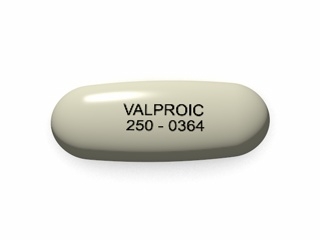
When ordering, confirm that you are receiving the correct formulation and strength. If you receive a different appearance, strength, or release type than usual, contact the pharmacy before taking it.
FAQ — Valproic Acid
1) Is valproic acid the same as sodium valproate?
They are closely related and are often discussed together as valproate. Different products may use different forms. Your pharmacist or label will specify which exact version you have.
2) How long does it take to work?
For seizures, some people may notice benefits quickly, while others require dose adjustment over days or weeks. For mood stabilisation, improvement may take longer. Your clinician will monitor response and side effects to guide adjustments.
3) Can I stop valproic acid if I feel better?
Do not stop suddenly. Even if symptoms improve, stopping can trigger relapse or worsening seizures. If discontinuation is considered, it should be done gradually under medical supervision.
4) What should I do if I forget a dose?
Take it when you remember if it’s near the scheduled time. If it’s almost time for the next dose, skip the missed dose. Never take a double dose to compensate.
5) Does valproic acid cause weight gain?
Some people experience weight changes. Eating patterns, activity level, and individual response vary. If you notice rapid or concerning changes, discuss them with your clinician.
6) Can I drink alcohol while taking it?
Alcohol can increase drowsiness and may increase strain on the liver. It is generally best to avoid or keep alcohol to a minimum, especially during dose changes or if you feel unsteady.
7) Are there foods I should avoid?
There are no strict universal dietary bans, but consistency matters. Take it the same way each day (with or without food) unless your clinician advises otherwise. If you have stomach upset, taking it with food may help.
8) What tests might I need?
Your clinician may monitor liver function, blood counts, and sometimes valproate blood levels—especially during dose changes, when symptoms suggest side effects, or if interactions occur.
9) Can valproic acid interact with antibiotics?
Yes. Some antibiotics can significantly reduce valproate levels and affect seizure control. If you are prescribed antibiotics, tell your prescriber or pharmacist that you take valproate.
10) I’m of childbearing potential—what should I do?
Discuss valproate risks and safer alternatives with your clinician. UK guidance emphasises pregnancy prevention measures and regular review. Do not stop suddenly—seek urgent medical advice to plan safely.
When to seek urgent medical advice
Seek urgent help if you experience symptoms suggesting serious liver problems, severe allergic reactions, unusual bleeding, severe confusion, repeated vomiting, or a marked worsening of seizures.
If you have concerns about side effects or interactions, speak to a pharmacist or your healthcare team. Always bring your medicine pack or list of medicines to help them advise you accurately.