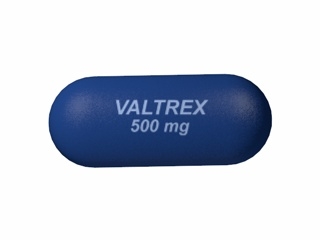


Valtrex (Valacyclovir) – Patient Guide (UK)
Valtrex contains valacyclovir, an antiviral medicine used to treat and suppress infections caused by certain herpes viruses. This guide explains what Valtrex is, how it works, how it’s usually taken, possible side effects, and practical tips for safe use in the UK.
Note: This information is designed to help you understand the medicine. Always follow the instructions provided with your specific supply and consult a healthcare professional if you have questions.
Quick product information
| Category | Details |
|---|---|
| Medicine name | Valtrex |
| Active ingredient | Valacyclovir |
| What it is | Antiviral medicine (nucleoside analogue) |
| Common strengths | 500 mg, 1 g tablets (strength varies by pack) |
| How it works | Converted in the body to acyclovir, which inhibits viral DNA replication |
| Typical uses | Cold sores (HSV-1), genital herpes (HSV-2), shingles (herpes zoster), prevention of outbreaks in some cases |
| Administration | Oral tablets |
How Valtrex works (mechanism of action)
Valacyclovir is a prodrug. After you swallow it, your body converts it into acyclovir, the active antiviral form.
Acyclovir works mainly by:
- Blocking viral replication: It interferes with the production of viral DNA (genetic material) required for the virus to multiply.
- Selective activity: It becomes more active inside infected cells, which helps limit effects on healthy cells.
- Reducing symptom duration: In many viral outbreaks, early treatment can shorten the time until lesions heal and symptoms improve.
Pharmacokinetics (how the body handles the medicine)
Understanding pharmacokinetics can help explain how and when the medicine works.
- Absorption: Valacyclovir is absorbed from the gut and is converted to acyclovir.
- Conversion: Conversion occurs in the liver and intestinal tissues, producing acyclovir.
- Distribution: Acyclovir distributes to tissues affected by herpes viruses.
- Elimination: Most acyclovir is cleared by the kidneys through urine.
- Impact of kidney function: Because clearance depends on kidney function, dose adjustments may be required for people with renal impairment or reduced kidney function.
Practical meaning: If you have kidney problems, dehydration, or are elderly, it’s especially important to follow dosing instructions and drink fluids as advised by your clinician or pharmacist.
Typical uses and indications
Valtrex is used for infections caused by herpes viruses, including:
- Cold sores (herpes labialis, usually HSV-1)
- Genital herpes (HSV-2) – including treatment of episodes and, in some cases, suppression to reduce the frequency of recurrences
- Shingles (herpes zoster)
- Prevention of herpes outbreaks in certain individuals at risk of frequent recurrences or specific clinical situations
Why timing matters: Antiviral medicines tend to work best when started early in an outbreak—often at the first signs such as tingling, itching, redness, or the start of a rash.
Timing: when to take Valtrex for best results
For many herpes infections, starting treatment early improves the likelihood of faster symptom relief and quicker healing.
- Cold sores: Start at the earliest sign (tingling/burning/redness) or as soon as lesions appear.
- Genital herpes: Begin promptly after the first signs of an episode.
- Shingles: Treatment is most beneficial when started as early as possible, ideally within the first 72 hours after the rash appears (or sooner if advised).
Consistency helps if you’re taking Valtrex regularly for suppression.
Dosing (general guidance)
Important: The correct dose depends on the condition being treated, your kidney function, and your age and medical history. Always follow the dosing plan provided with your pack.
Below are commonly used dosing patterns (examples may vary by country, regimen, and clinical scenario):
- Cold sores (HSV-1): Often taken as a short course when an outbreak starts.
- Genital herpes: May be prescribed as either:
- Short-term treatment for an episode, or
- Longer-term suppression to reduce recurrence frequency and viral shedding.
- Shingles (herpes zoster): Typically taken multiple times per day for several days.
Kidney considerations: Because valacyclovir/acyclovir are eliminated by the kidneys, a lower dose schedule may be used if you have kidney impairment. Do not change your dose unless a clinician advises it.
How to take it: Swallow tablets with water. You may take them with or without food (see the food section below). Try to space doses evenly if multiple times per day.
Food interactions and alcohol
Food interactions
Valacyclovir can generally be taken with or without food. Food does not usually require strict timing changes. However, taking it with meals or a snack may help some people avoid stomach upset.
Alcohol and Valtrex
There is no well-known direct “interaction” that makes alcohol immediately unsafe for all users, but alcohol can:
- Increase dehydration, which may be problematic for kidney health
- Worsen fatigue and immune stress during active infections
- Increase the risk of side effects such as dizziness or headache for some individuals
Practical advice: If you drink alcohol, keep it moderate and consider avoiding alcohol during an acute outbreak, especially if you’re older, have kidney issues, or have been told to stay well hydrated.
Medicine interactions (and what to tell your pharmacist)
To use Valtrex safely, it’s important to consider other medicines that may affect kidney function or increase acyclovir levels.
Tell your healthcare professional (and pharmacist) if you take any of the following:
- Medicines affecting the kidneys or kidney blood flow
- Other antiviral medicines
- Nephrotoxic drugs (medicines that may harm kidneys)
- High-dose cimetidine or drugs that can influence renal secretion (your pharmacist can check your specific options)
- Immunosuppressive therapies, especially in transplant patients (requires careful management)
- Medicines that can affect hydration (e.g., certain diuretics), since dehydration may increase risk of kidney-related issues
Practical tip: Bring a list of all your current medicines and supplements when you speak to a pharmacist—include over-the-counter products, herbal remedies, and any recent antibiotics or steroid tablets.
Safety profile: side effects and when to seek help
Like all medicines, Valtrex can cause side effects. Not everyone experiences them. Many are mild and improve as your body adjusts.
Common side effects
- Headache
- Nausea or stomach discomfort
- Vomiting
- Dizziness
- Diarrhoea
Less common or serious side effects
Serious side effects are uncommon, but you should seek urgent medical help if you experience:
- Signs of allergy: rash with swelling, difficulty breathing, wheezing, or facial/lip swelling
- Severe kidney problems: reduced urine output, unusual pain in the back/side, or severe dehydration
- Neurological symptoms (rare): confusion, agitation, hallucinations, severe drowsiness, or tremor—especially in people with kidney impairment or dehydration
Who should be extra careful?
- People with kidney disease or reduced kidney function
- Elderly patients, as kidney function can decline with age
- People who are dehydrated due to illness, vomiting, or inadequate fluid intake
- Patients taking other medicines that may affect kidneys
Practical use tips (to get the best outcome)
- Start early: Take the first dose at the earliest symptoms of an outbreak.
- Stay well hydrated: Drink water regularly, especially if you’re unwell or taking multiple doses per day.
- Don’t miss doses: Try to follow the schedule closely. If you miss a dose, follow your pack instructions or ask a pharmacist for advice.
- Finish the course: If you’re taking a short course, complete it unless a clinician advises you to stop.
- Avoid sharing personal items during active cold sores (e.g., lip products, towels, razors).
- Reduce spread risk:
- For genital herpes, consider using barrier protection methods as advised, especially during outbreaks.
- Avoid sexual contact during active lesions and until symptoms fully resolve.
- Antivirals can reduce viral shedding but don’t eliminate transmission risk.
Alternative options
Depending on the condition, dose, and individual factors, clinicians may consider other antiviral medicines. Alternatives can include:
- Acyclovir (often requires more frequent dosing)
- Famciclovir (another antiviral option for herpes virus infections)
For occasional cold sores, some people use topical treatments in addition to or instead of tablets—however, for most viral outbreaks, oral antivirals started early often provide the most benefit for symptom duration and healing.
Which is best for you? Your pharmacist or clinician can compare options based on your medical history, kidney function, and previous response to treatment.
Market and legal context in the United Kingdom
In the UK, Valtrex (valacyclovir) is a regulated medicine. Supply is governed by UK medicines legislation and pharmacy dispensing rules. Availability can depend on:
- Appropriate clinical assessment by a healthcare professional
- Correct product form and strength for the intended condition
- Safety checks, including allergy status and kidney function considerations
UK pharmacy services typically emphasise:
- Confirming that your treatment matches the indication you’re treating
- Checking for interactions and contraindications
- Ensuring safe use instructions are provided clearly
Recent guidance (general principles): Antiviral medicines are generally recommended to be started as early as possible for shingles and to reduce outbreak duration where appropriate. Ongoing updates may refine dosing schedules for particular groups (e.g., immunocompromised patients) and may emphasise kidney safety monitoring.
Delivery and availability (what to expect)
Online pharmacies in the UK typically aim to provide prompt, tracked delivery where legal and safe supply requirements are met. Availability may vary by:
- Strength and pack size (e.g., 500 mg vs 1 g)
- Current stock levels
- Manufacturer supply and seasonal demand (herpes outbreaks can be more common seasonally for some individuals)
Delivery tips:
- Ensure your delivery address is correct and monitored during the expected delivery window.
- Check the package on arrival for correct product strength and form.
- Keep tablets in the original packaging and store as directed on the label.
Storage: Keep out of sight and reach of children. Store at the temperature recommended on the pack leaflet.
FAQ (Frequently asked questions)
1) What is Valtrex used for?
Valtrex (valacyclovir) is used to treat and help control infections caused by herpes viruses, including cold sores, genital herpes, and shingles. It may also be used to reduce recurrence in some cases.
2) How quickly does Valtrex work?
Many people notice improvements within 1–2 days, especially when treatment starts early. Healing of lesions may take longer depending on severity and immune response.
3) Can I take Valtrex with food?
Yes. Valtrex can generally be taken with or without food. If it upsets your stomach, taking it with a meal or snack may help.
4) Can I drink alcohol while taking Valtrex?
Moderate alcohol use isn’t typically listed as an absolute prohibition, but alcohol can worsen dehydration and fatigue and may increase the risk of side effects for some people. If you have kidney problems or are unwell, it’s best to limit alcohol and drink plenty of water.
5) What should I do if I miss a dose?
Check the instructions on your pack or leaflet. In general, take it when you remember unless it’s nearly time for the next dose. Do not take double doses. If unsure, ask a pharmacist for advice.
6) Can Valtrex prevent transmission of herpes?
Antiviral therapy can reduce viral shedding and recurrence frequency, which may lower transmission risk. However, it does not eliminate risk entirely. Barrier protection and avoiding sex during active outbreaks are still important.
7) Is Valtrex safe for everyone?
Most people tolerate Valtrex well, but extra caution is needed with kidney disease, dehydration, older age, and certain medicines that may interact. If you have kidney problems, your dose may need adjustment.
8) What side effects should I watch for?
Common side effects include headache, nausea, and stomach discomfort. Seek urgent medical help if you develop signs of allergy, severe weakness, confusion, or reduced urine output—particularly if you might be dehydrated or have kidney issues.
9) How long is treatment usually taken?
It depends on the infection and the regimen prescribed (for example, short courses for cold sores or shingles and longer courses for suppression in genital herpes). Follow your provided schedule.
10) What are some alternatives to Valtrex?
Other antiviral options used for herpes infections may include acyclovir and famciclovir. The best choice depends on the condition, dosing frequency preferences, and your overall health.
When to contact a healthcare professional
Contact a healthcare professional promptly if:
- Your symptoms worsen or do not improve as expected
- You experience severe side effects or signs of allergy
- You have shingles affecting the face or near the eye, or you develop complications
- You are immunocompromised or have complex medical conditions
With correct use and early treatment, Valtrex can be an effective option for managing herpes virus outbreaks in everyday life.