
Arpamyl (Amitriptyline) — Patient-Friendly Guide for the UK
Arpamyl is a medicine used for several long-term conditions where the nervous system is involved. It contains amitriptyline, a well-known medicine from the group called tricyclic antidepressants (TCAs). In the UK, Arpamyl may be prescribed for different purposes beyond depression, including certain types of nerve pain and chronic conditions where it can help reduce pain signals or improve sleep.
This page explains what Arpamyl is, how it works, what to expect, important safety information, and practical guidance for taking it safely in the United Kingdom.
Quick Facts
- Active ingredient: Amitriptyline
- Medicine type: Tricyclic antidepressant (TCA)
- Common uses: Chronic pain with nerve involvement, migraine prevention, mood-related conditions (depending on prescriber advice)
- Typical dosing: Often started at a low dose and increased gradually
- How it’s taken: By mouth, usually once daily (often in the evening)
- Key effects: Can help reduce pain and improve sleep; may cause drowsiness
Basic Product Information
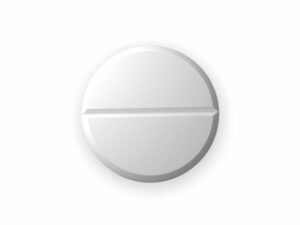
Arpamyl is supplied as tablets containing amitriptyline. The exact strength can vary by product presentation. If you are unsure about your specific tablet strength, check the pack and/or the label from your local UK pharmacy.
Important note: The information below is general. Always follow the dosing instructions given with your medicine.
What to keep on hand
- Your medicine’s strength (e.g., mg per tablet)
- Your dose schedule (time of day and number of tablets)
- Any other medicines you take regularly (for interaction checks)
How Arpamyl Works (Mechanism of Action)
Amitriptyline works mainly by affecting brain and nerve chemicals involved in mood and pain processing, particularly:
- Reuptake inhibition of neurotransmitters such as serotonin and noradrenaline (reducing their reabsorption)
- Blockade of certain receptors (including histamine and acetylcholine receptors), which can contribute to:
- Sedation and improved sleep
- Reduced pain signalling in chronic nerve-related pain conditions
Because of this “multi-action” effect, amitriptyline can be useful where nerve pathways become overactive, not only for mood-related conditions.
Pharmacokinetics (How the Body Handles It)
Pharmacokinetics describes what the body does to a medicine—how it’s absorbed, metabolised, and eliminated.
Absorption
After swallowing a tablet, amitriptyline is absorbed from the gut into the bloodstream. Absorption is generally reliable, though taking it at different times of day may affect how sedating it feels.
Distribution
Amitriptyline spreads through body tissues, including the central nervous system, where it exerts its effects.
Metabolism
It is extensively metabolised, mainly in the liver, into active and inactive metabolites. The way individuals process it can vary, meaning some people may feel stronger effects at a given dose.
Elimination
Metabolites are eliminated primarily through the kidneys (urine). This means kidney function may matter, especially in higher doses or with long-term use.
Why dose changes matter
Because amitriptyline can take time to build up and because its effects may develop gradually, dose increases are typically done slowly. This helps reduce side effects and allows your body to adjust.
Typical Use in the UK
In the UK, amitriptyline is commonly used for:
- Chronic nerve pain (neuropathic pain) such as pain related to damaged nerves
- Prevention of migraine in some people
- Troublesome pain with sleep disturbance where sedation at night is beneficial
- Some mood-related conditions (depending on clinical assessment)
Your exact indication depends on your personal medical history. If you are unsure why you were started on Arpamyl, check your medicine information leaflet or ask a healthcare professional.
When to Take Arpamyl (Timing and Routine)
Arpamyl is often taken once daily, and many people take it in the evening because it can cause drowsiness.
General timing guidance
- Evening dose: commonly used to reduce daytime sleepiness
- Morning dose (sometimes): may be advised if sedation is not a problem
- Consistent schedule: take it around the same time each day
Getting the best effect: Many benefits for pain or sleep may take days to weeks. For mood-related effects, improvement may also take several weeks.
Food Interactions: Can You Take Arpamyl With Meals?
Most people can take amitriptyline with or without food. However:
- If it upsets your stomach, taking it after a meal may help.
- Some people feel more sleepy if the dose is taken when they’re already tired—so consider your typical evening routine.
There are no common “must avoid” foods for amitriptyline in typical UK use, but your overall diet and any specific medical conditions (such as liver disease) may influence how you should take it.
Alcohol and Medicine Interactions
Alcohol
Avoid alcohol or keep it to an absolute minimum while taking Arpamyl, because alcohol can increase:
- Drowsiness and dizziness
- Risk of impaired judgement
- Dangerous sedation if combined with other medicines that slow the nervous system
If you drink alcohol, discuss this with a healthcare professional, especially during the first weeks or after dose changes.
Common medicine interactions
Some medicines can affect amitriptyline levels or increase side effects. Tell your healthcare professional if you take:
- Other antidepressants (including SSRIs/SNRIs) — may change levels and side effects
- Other sedating medicines (e.g., some antihistamines, strong sleeping tablets)
- Antiarrhythmics or medicines affecting heart rhythm
- Medicines that affect liver enzymes (some antifungals, antibiotics, and other drugs)
- Tramadol or other pain medicines that may increase sedation
- St John’s wort (herbal remedy) — may affect antidepressant levels
Always check: carry a list of your medicines and show it when you receive a new prescription or purchase over-the-counter products.
Indications (What It’s Used For)
While the most common public association of amitriptyline is with depression, in UK practice it’s frequently used for other conditions, particularly those involving persistent pain pathways.
Potential indications include:
- Neuropathic pain (nerve pain), including pain conditions that persist despite standard painkillers
- Prevention of migraine in people who meet criteria for preventive therapy
- Sleep disruption related to chronic pain (as part of an overall management plan)
- Depressive illness in appropriate individuals
If you are taking Arpamyl for a reason other than mood, it is still amitriptyline and the same safety principles apply.
Dosing: How Arpamyl Is Typically Started and Adjusted
Dosing is individual. Age, liver function, other medicines, and the condition being treated all influence the dose. However, a common approach is:
- Start low to reduce side effects (especially sleepiness and dry mouth)
- Increase gradually based on response and tolerability
- Use the lowest dose that provides benefit
Example of a typical “start low, go slow” pattern
Many clinicians aim for gradual improvements while limiting side effects. Your prescriber may adjust more quickly or more slowly depending on you.
| Stage | What you might experience | General dosing approach |
|---|---|---|
| First week | Often sleepiness, dry mouth, or constipation may be noticeable | Lower starting dose |
| Weeks 2–4 | Side effects may settle; early improvement in sleep or pain may begin | Small dose increases if needed and tolerated |
| After 4–6+ weeks | More stable benefit for pain prevention or longer-term symptoms | Adjust to symptom control; aim for lowest effective dose |
Do not stop suddenly
If you need to discontinue Arpamyl, it’s usually best to reduce the dose gradually to avoid withdrawal-like symptoms (such as nausea, headache, or sleep disturbance). Always follow the plan provided by your healthcare professional.
Safety Profile: Common and Serious Side Effects
Like all medicines, Arpamyl can cause side effects. Many people experience mild effects at the beginning that improve with time, but some reactions can be more serious.
Common side effects
- Drowsiness or feeling “hungover”
- Dry mouth
- Constipation
- Dizziness (especially when standing up)
- Blurred vision (sometimes)
- Increased appetite or weight changes
- Sweating
- Reduced sexual function (in some people)
Less common but important effects
- Changes in heart rhythm (QT prolongation risk in some individuals)
- Confusion or increased falls risk, particularly in older adults
- Urinary retention (trouble passing urine), especially in those with prostate enlargement
- Mania or mood switching in susceptible individuals
When to seek urgent help
Contact urgent medical services or seek urgent advice if you experience:
- Fainting, severe dizziness, or symptoms of an abnormal heartbeat
- Severe allergic reaction (e.g., swelling of face/lips, difficulty breathing)
- Seizures
- Signs of serious overdose (especially if more tablets than prescribed are taken)
- Severe agitation, confusion, high fever, or uncontrollable muscle stiffness (rare but important)
If you have concerns about mental health safety, contact NHS services promptly for support.
Practical Use Tips for Everyday Life
Managing drowsiness
- Consider taking Arpamyl in the evening if it makes you sleepy.
- Avoid driving or operating machinery until you know how it affects you.
- If morning sleepiness is a problem, your dose timing or strength may need review.
Managing dry mouth and constipation
- For dry mouth: sip water regularly, use sugar-free gum/lozenges, and keep teeth healthy.
- For constipation: drink fluids, include fibre in your diet, and consider discussing stool-softening options with a pharmacist if needed.
Getting the full benefit
- Give the medicine time—many benefits are not immediate.
- Keep a simple diary of symptoms (pain score, sleep quality) to help your clinician fine-tune the dose.
What to do if you miss a dose
Follow the general advice given with your medicine:
- If you remember soon after, take it if it’s still near your usual time.
- If it’s almost time for the next dose, skip the missed dose.
- Do not take a double dose to make up for a missed tablet.
If you’re unsure, ask a pharmacist for advice tailored to your dosing schedule.
Alternative Options (Depending on the Condition)
There are alternatives to amitriptyline for neuropathic pain, migraine prevention, or mood disorders. The best option depends on your diagnosis, medical history, and side effect tolerance. Some common alternatives clinicians consider include:
- Other antidepressants used for pain or mood (e.g., duloxetine or venlafaxine—depending on the condition)
- Anticonvulsants for nerve pain (e.g., pregabalin or gabapentin, depending on suitability)
- Non-drug strategies (sleep optimisation, physiotherapy, psychological therapies for chronic pain)
- For migraine prevention specific alternatives may include beta-blockers or other targeted treatments, depending on local practice
If Arpamyl isn’t right for you (e.g., side effects are troublesome or there is no benefit), your healthcare professional can discuss switching options.
UK Market & Legal/Clinical Context
In the United Kingdom, amitriptyline-containing medicines are widely used and supported by clinical practice for a range of indications. Tricyclic antidepressants are well-established treatments, though exact prescribing decisions vary based on guidelines, patient characteristics, and the condition being treated.
Arpamyl is an established brand name, and availability may depend on the manufacturer’s supply and local pharmacy stock.
Recent guidance and safety trends: UK healthcare organisations continue to emphasise:
- Careful screening before starting TCAs (including medical history and risk factors)
- Gradual dose titration to minimise adverse effects
- Monitoring for drug interactions, especially in people taking multiple medicines
- Awareness of heart rhythm risks in susceptible patients
Because policies and guidance can change over time, your pharmacist or GP can confirm what’s most relevant at the moment for your situation.
Delivery and Availability in the UK
Online pharmacies in the UK may offer delivery for medicines based on regulatory requirements and stock availability. Arpamyl availability can vary by tablet strength and pack size.
What can affect delivery
- Stock levels at the supplier
- Strength and pack size you order
- Local dispatch times and delivery service options
How to ensure you receive the right product
- Check the strength (mg) before completing your order.
- Confirm the formulation (tablets) matches your usual medicine.
- Keep the original packaging until you’re sure the tablet strength is correct.
If you need the medicine urgently, choose an option that clearly states dispatch and delivery timing at checkout (or contact the pharmacy support team for guidance).
FAQ: Common Questions About Arpamyl
1) What is Arpamyl used for?
Arpamyl contains amitriptyline. In the UK, it may be used for conditions such as nerve-related chronic pain, migraine prevention, and sometimes mood-related conditions—depending on your clinical assessment.
2) How long does it take to work?
For chronic pain and sleep-related symptoms, some people notice improvement within days to a couple of weeks, but fuller benefit often takes several weeks. If used for mood-related symptoms, it commonly takes several weeks to assess effectiveness.
3) Will it make me sleepy?
It can. Drowsiness is one of the most common early effects. Many people take it in the evening to reduce daytime sleepiness. Avoid driving or dangerous activities until you know how it affects you.
4) Can I take it with food?
Yes, most people can take it with or without food. If you find it upsets your stomach, taking it after a meal may help.
5) Can I drink alcohol while taking Arpamyl?
It’s best to avoid alcohol or keep it to an absolute minimum because alcohol can increase drowsiness and impair judgement. If you’re unsure, ask your pharmacist.
6) What happens if I miss a dose?
Usually, take it when you remember if it’s close to your usual dose time. If it’s nearly time for your next dose, skip the missed dose. Do not double up.
7) Can I stop Arpamyl suddenly?
It’s usually not recommended to stop suddenly. Dose reductions are typically gradual to reduce unpleasant withdrawal-like symptoms. Discuss stopping or changing dose with a healthcare professional.
8) Are there people who should be extra careful?
Yes. Caution is important in people with heart rhythm problems, significant liver disease, urinary retention risk, those at high fall risk (especially older adults), and people taking interacting medicines. A clinician/pharmacist will consider these factors.
9) Does Arpamyl interact with other medicines?
It can. Tell your pharmacist or healthcare professional about all medicines you take, including over-the-counter products and herbal supplements, especially other antidepressants, sedatives, and medicines affecting liver enzymes.
10) How should I manage dry mouth and constipation?
For dry mouth, sip water and consider sugar-free gum/lozenges. For constipation, increase fluid and fibre intake and consider discussing suitable options with a pharmacist if it becomes troublesome.
Important Reminder
Arpamyl (amitriptyline) can be helpful for the right people and for the right conditions. Because individual response and safety considerations vary, always follow your healthcare professional’s instructions and seek advice promptly if you experience troubling side effects, worsening symptoms, or any signs of serious reactions.
If you’d like, tell me the exact Arpamyl tablet strength you’re using and what it’s for (e.g., nerve pain, migraine prevention, sleep), and I can help tailor the “how to take” section to match typical patient routines while keeping it general and safe.