
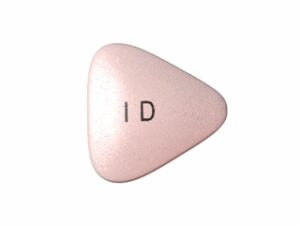
Voveran (Diclofenac) – Patient-Friendly Guide
Voveran is a brand name that contains diclofenac, a medicine from the non-steroidal anti-inflammatory drug (NSAID) family. NSAIDs reduce pain and inflammation and are commonly used for conditions such as musculoskeletal pain (e.g., back pain, sprains) and certain inflammatory disorders.
This guide explains how Voveran works, how it is used, what to expect, and important safety information for people in the United Kingdom. It is written to be easy to read, but it cannot replace advice from a healthcare professional.
1) Basic product information
| Product name | Active ingredient | Drug type | Common forms (varies by product) |
|---|---|---|---|
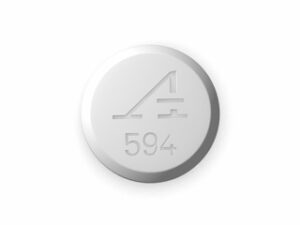
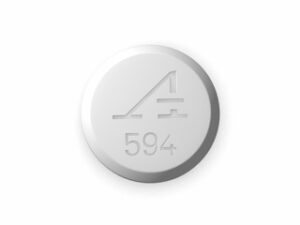
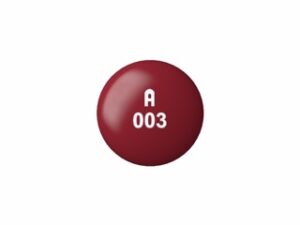
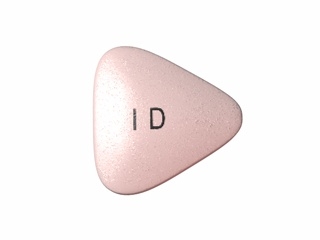
| Voveran | Diclofenac | NSAID (anti-inflammatory pain relief) | Tablets/capsules, and in some ranges also gels/patches/other diclofenac preparations (check your specific product) |
Important: Different Voveran presentations may have different strengths and dosing instructions. Always follow the directions on the pack for the exact product you have.
2) How Voveran works (mechanism of action)
Diclofenac works by blocking enzymes called cyclo-oxygenase (COX-1 and COX-2). These enzymes help produce prostaglandins, chemical messengers involved in pain, fever, and inflammation.
- Less inflammation: reduces swelling and redness related to inflammatory processes.
- Less pain: reduces pain signals at the site of inflammation and in the nervous system.
- Reduced tenderness and stiffness: may improve movement in painful conditions.
Like other NSAIDs, diclofenac does not “cure” the underlying cause; it helps relieve symptoms while the body recovers and while the condition is managed.
3) Pharmacokinetics (how the body handles diclofenac)
Pharmacokinetics describes what happens to the medicine after you take it. The exact profile can vary between different formulations (for example, immediate-release versus modified-release).
Absorption
Diclofenac is absorbed through the gut when taken by mouth. Peak levels typically occur within a few hours, depending on the formulation.
Distribution
Diclofenac distributes into tissues, including areas where inflammation occurs. It can accumulate in joint fluid, which may contribute to symptom relief in some conditions.
Metabolism
The medicine is mainly processed by the liver into metabolites (breakdown products). This is one reason liver problems require careful consideration with NSAIDs.
Elimination
Diclofenac and its metabolites are largely excreted through the kidneys. Some metabolites are also cleared through other routes. Reduced kidney or liver function may increase exposure to the medicine.
If you have kidney or liver impairment, are older, or take multiple medicines, you may need extra caution and advice on the safest approach and lowest effective dose.
4) Typical uses in the UK
Diclofenac is used for pain and inflammation. Common reasons include:
- Musculoskeletal pain such as back pain, sprains, strains, and sports injuries
- Joint pain, including osteoarthritis symptoms
- Inflammatory conditions where symptoms are driven by inflammation (as advised by clinicians)
- Dental pain in some circumstances
- Other painful inflammatory conditions depending on the formulation and clinical judgement
Your local availability and the specific indication can depend on the product type (for example, topical versus oral) and the strength on the packaging.
5) Timing and how to take Voveran
How you take diclofenac depends on the formulation you have. Always follow the instructions provided with your specific product.
General timing tips
- Use the lowest effective dose for the shortest time needed to relieve symptoms.
- Even dosing: if you take it more than once daily, keep dosing intervals even.
- Don’t “stack” NSAIDs: avoid taking diclofenac alongside ibuprofen, naproxen, or other NSAIDs.
If you miss a dose
If you forget a dose and it’s close to your next scheduled dose, skip the forgotten dose. Do not take a double dose to make up for the missed one.
6) Food interactions and gut comfort
Food can affect how quickly diclofenac is absorbed and how well your stomach tolerates it. Generally:
- Taking diclofenac with or after food may reduce stomach discomfort.
- If the medicine upsets your stomach, using it with food is often a practical improvement (unless the pack says otherwise).
- Some products (e.g., enteric-coated or modified release) may have specific instructions that should not be altered.
Do not crush or break tablets unless the pack or your healthcare professional says it’s safe. Doing so may change how the medicine works.
7) Alcohol and medicine interactions
Alcohol
Alcohol can increase the risk of stomach irritation and gastrointestinal bleeding in people using NSAIDs. For this reason, it’s recommended to limit alcohol and avoid heavy or binge drinking while taking diclofenac.
Important medicine interactions
NSAIDs can interact with several common medicines. Tell a healthcare professional (or pharmacist) if you take:
- Other NSAIDs (including ibuprofen, naproxen, aspirin for pain): higher risk of side effects.
- Blood thinners (e.g., warfarin) and antiplatelet medicines (e.g., clopidogrel): increased bleeding risk.
- Selective serotonin reuptake inhibitors (SSRIs) such as sertraline, citalopram, fluoxetine: may increase risk of bleeding when combined with NSAIDs.
- Blood pressure medicines (ACE inhibitors like lisinopril/enalapril; ARBs like losartan/valsartan; and diuretics such as furosemide): NSAIDs can reduce kidney function or affect blood pressure control in some cases.
- Diuretics (“water tablets”): may increase kidney strain when combined with NSAIDs.
- Lithium: NSAIDs can raise lithium levels (toxicity risk).
- Methotrexate: increased risk of side effects (particularly at higher doses or in certain schedules).
- Corticosteroids (e.g., prednisolone): increased risk of stomach issues/bleeding.
- Digoxin: NSAIDs may raise digoxin levels in some situations.
- Other liver-active medicines: diclofenac is metabolised in the liver; combining may increase risk for liver stress.
This list is not exhaustive. If you’re unsure whether a medicine interacts with diclofenac, ask a pharmacist.
8) Indications: when diclofenac may be appropriate
In practice, diclofenac is considered when pain is accompanied by inflammation, for example:
- Inflammatory and painful conditions involving joints, muscles, or soft tissue
- Symptomatic management of conditions such as osteoarthritis flares
- Short-term relief for injuries and painful episodes
Product-specific eligibility may depend on the formulation (oral vs topical) and local clinical guidance. Always refer to the package for the exact indication.
9) Dosing (general guidance)
Always follow the pack instructions for your exact Voveran product (strength and formulation matter). Dosing below is general information to help you understand typical patterns.
Adults (typical principles)
- Lowest effective dose: start at the lowest dose that controls symptoms.
- Shortest duration: if symptoms improve, consider stopping rather than continuing.
- Do not exceed the maximum daily dose stated on the pack.
Topical diclofenac (if using a gel/patch product)
Topical products are applied to the affected area and are usually absorbed in smaller amounts than oral diclofenac. However, they can still cause side effects, especially if used incorrectly (e.g., too much, too often, or on broken skin).
Follow the application instructions carefully:
- Apply only to intact skin.
- Wash hands after use (unless hands are the treated area).
- Avoid applying to eyes, mouth, or open wounds.
- Do not use bandages/occlusive dressings unless advised.
Children
Diclofenac products have age restrictions that vary by formulation and strength. Check the pack and seek advice from a pharmacist if using for a child.
10) Safety profile: who should take extra care
NSAIDs including diclofenac can cause side effects in some people. Many side effects are related to the stomach, kidneys, and cardiovascular system. Risk depends on dose, duration, and individual factors.
Common side effects
- Indigestion, heartburn, stomach discomfort
- Nausea
- Abdominal pain
- Headache or dizziness in some people
- For topical forms: local skin irritation (redness, rash, itching)
Serious side effects (seek urgent medical advice)
- Signs of gastrointestinal bleeding such as vomiting blood or black/tarry stools
- Allergic reactions such as swelling of face/lips, wheezing, or severe rash
- Chest pain, shortness of breath, or sudden weakness (possible cardiovascular event)
- Severe skin reactions (rare but serious) such as blistering or peeling skin
- Symptoms of kidney problems such as reduced urination or unusual swelling
- Yellowing of skin/eyes (jaundice) or dark urine (possible liver issues)
People at higher risk
Extra caution is advised if you:
- Have a history of stomach ulcers or GI bleeding
- Have cardiovascular disease or risk factors (e.g., uncontrolled hypertension, diabetes, smoking)
- Have kidney disease or dehydration
- Have liver disease
- Have asthma that worsens with aspirin/NSAIDs
- Are older or frail (risk increases with age)
- Take medicines that increase bleeding risk or affect kidney function
If any of the above applies to you, speak to a pharmacist or clinician before using diclofenac.
Pregnancy and breastfeeding (general considerations)
NSAIDs can be unsafe in later pregnancy. If you are pregnant, trying to conceive, or breastfeeding, check the pack and seek advice promptly.
11) Practical use tips (make it safer and more effective)
- Start early during a flare: taking pain relief when symptoms are beginning may improve comfort, but still keep use short.
- Use supportive measures: rest, gentle movement, heat/cold therapy, and appropriate stretching often improve outcomes alongside pain relief.
- Stay hydrated: dehydration can increase kidney risk with NSAIDs.
- Watch for stomach warning signs: if you notice persistent indigestion, consider speaking to a pharmacist.
- Avoid double NSAID therapy: if you already take aspirin or ibuprofen, don’t add diclofenac without advice.
- Keep track of total daily doses: products may appear similar but have different strengths.
- Topical-only where appropriate: for localised joint or muscle pain, a topical NSAID may reduce systemic exposure compared with tablets (depending on your situation).
12) Alternative options to consider
Depending on your symptoms, alternatives may include:
Non-medicine approaches
- Physiotherapy and strengthening exercises
- Physically appropriate rest and gradual return to activity
- Heat or cold packs for muscle/joint discomfort
- Ergonomic changes for back, neck, or repetitive strain
Other pain-relief medicines (examples)
- Paracetamol for pain relief (often gentler on the stomach than NSAIDs)
- Topical NSAIDs such as ibuprofen or other diclofenac-based topical products, if suitable
- In some cases, clinicians may consider other anti-inflammatory strategies based on the cause of the pain.
If you’re deciding between options, a pharmacist can help match the best approach to your symptoms and risk factors.
13) UK market and legal context
In the UK, diclofenac products are regulated by the Medicines and Healthcare products Regulatory Agency (MHRA) and are supplied under product-specific conditions. Availability may differ by:
- Formulation (oral versus topical)
- Strength
- Whether a particular product is classified as for pharmacy or other supply routes
- Local stock and manufacturing
Safety information and warnings on the product label reflect national regulatory guidance and the latest evidence about NSAID risks and benefits.
Recent guidance and risk awareness (UK)
UK safety messaging for NSAIDs has increasingly emphasised:
- Using the lowest effective dose for the shortest duration
- Extra caution in people with cardiovascular or gastrointestinal risk
- Avoiding unnecessary NSAID combinations
- Reviewing treatment if pain persists or worsens
If your symptoms continue beyond a short period, it’s important to seek medical advice to confirm the cause of pain.
14) Delivery and availability (UK online pharmacy)
Availability of Voveran (diclofenac) can vary depending on the specific presentation and strength. In many cases, orders are dispatched quickly where stock is available.
What you can typically expect
- Product verification: checks to ensure you receive the correct strength and formulation.
- Packaging: supplied with the official leaflet and patient information.
- Delivery tracking: many services provide tracking or delivery updates.
- Cold chain: typically not required for standard diclofenac preparations, unless your specific product states otherwise.
If you have a deadline (e.g., travel, planned surgery, or a specific event), contact customer support to confirm dispatch times.
15) Voveran FAQ
1. Is Voveran the same as ibuprofen?
No. Both are NSAIDs, but they are different medicines. Diclofenac (Voveran) and ibuprofen have different dosing, risk profiles, and product formulations. Do not combine NSAIDs unless a clinician specifically advises.
2. How soon will I feel better?
Many people notice pain relief within hours. If you don’t feel any improvement after a short period, or if symptoms worsen, it may indicate you need reassessment rather than repeating doses.
3. Can I take Voveran with food?
For many people, taking it with or after food helps reduce stomach discomfort. Follow your product label instructions for the exact formulation.
4. Can I drink alcohol while using diclofenac?
It’s best to limit alcohol. Alcohol increases the risk of stomach irritation and bleeding when combined with NSAIDs. Avoid heavy or binge drinking.
5. Who should not use diclofenac?
You should seek advice before using diclofenac if you have a history of stomach ulcers/bleeding, NSAID-related asthma, significant kidney or liver problems, or if you take medicines that increase bleeding risk (such as warfarin). If you are pregnant (especially later pregnancy), get advice before use.
6. Are there safer options if I have a sensitive stomach?
Some people find paracetamol easier on the stomach. Others may benefit from topical NSAIDs. The safest choice depends on your medical history and other medicines. A pharmacist can help you weigh options.
7. Can I use Voveran alongside other painkillers?
Avoid combining diclofenac with other NSAIDs. Paracetamol may be an alternative to combine in some situations, but you should check the product guidance and consider your overall health and liver risk.
8. What should I do if I miss a dose?
Take it when you remember unless it’s almost time for the next dose. Skip the missed dose if it’s close to the next one. Don’t double up.
9. Is topical diclofenac safer than tablets?
Topical diclofenac typically results in lower overall body exposure than oral tablets, but it can still cause side effects. Use as directed and avoid applying to broken skin or using excessive amounts.
10. When should I stop and get medical help?
Stop use and seek urgent advice if you develop symptoms of serious allergy (e.g., face/lip swelling or wheezing), signs of bleeding (e.g., black stools), severe breathlessness or chest pain, or signs of liver problems (e.g., yellowing of skin/eyes).
16) Final reminders
Voveran (diclofenac) can be an effective option for short-term relief of painful, inflammatory conditions. To use it as safely as possible:
- Use the lowest effective dose for the shortest duration.
- Avoid combining NSAIDs.
- Be cautious with alcohol and other medicines.
- Watch for stomach, kidney, liver, and allergy warning signs.
- If pain persists or you’re unsure, seek professional advice to address the cause.
Always read the patient information leaflet supplied with your specific Voveran product and follow the instructions on the pack.