
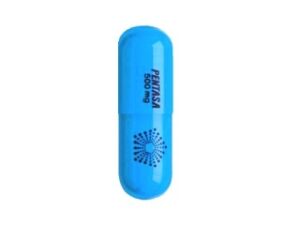
Zantac (Ranitidine) – Patient Information (UK)
Zantac is a brand name that previously contained the medicine ranitidine, which belongs to a group of medicines called H2-receptor antagonists. It is used to reduce stomach acid, helping relieve symptoms such as heartburn and acid indigestion.
Important UK note: In recent years, many ranitidine products were withdrawn or restricted in various markets due to concerns about impurity levels. Availability in the UK may be limited or may vary by supplier and product type. Always check the pack, expiry, and current listings with your online pharmacy before ordering.
Basic Product Information
| Item | Details |
|---|---|
| Medicine name | Ranitidine |
| Brand name | Zantac |
| Medicine type | H2-receptor antagonist (reduces stomach acid) |
| How it works | Blocks histamine (H2) receptors in the stomach |
| Common forms | Tablets (availability depends on UK market and supplier) |
| Who it’s for | Adults and, in some cases, children (only as advised for the specific product) |
How Zantac (Ranitidine) Works (Mechanism of Action)
After you eat, your stomach produces acid to help digest food. Part of this acid production is driven by a chemical messenger called histamine. Ranitidine works by blocking H2 receptors in the stomach lining. This reduces the signals that stimulate acid secretion.
By lowering acid output, ranitidine can:
- Relieve symptoms of heartburn (burning feeling in the chest)
- Help with acid indigestion and stomach discomfort
- Support treatment of conditions related to excess or problematic stomach acid
Pharmacokinetics (Absorption, Metabolism, Excretion)
While the exact values can vary between individuals, the overall process of ranitidine in the body is generally as follows:
- Absorption: Ranitidine is absorbed from the stomach and/or intestines after being taken by mouth.
- Onset of action: Many people notice symptom relief within about 1 hour, though timing can vary.
- Distribution: The medicine circulates through the body and acts primarily on the stomach lining.
- Metabolism: It is partly broken down (metabolised) in the liver.
- Elimination: Ranitidine and its metabolites are mainly removed from the body through the urine.
People with reduced kidney function may clear the medicine more slowly, which can increase the chance of side effects. If you have kidney problems, dosing guidance may differ.
Typical Uses in the UK
Zantac (ranitidine) has been used for conditions where reducing stomach acid helps relieve symptoms or supports healing. Common uses include:
- Heartburn and acid indigestion
- Gastro-oesophageal reflux disease (GORD) / reflux-related symptoms (as advised by product guidance)
- Stomach discomfort associated with excess acid
- Protection of the stomach in certain situations (only when specifically indicated by the product plan)
- Some acid-related conditions under specialist care pathways where ranitidine is appropriate
If symptoms persist, worsen, or you experience alarm features (such as bleeding, unexplained weight loss, or difficulty swallowing), seek medical advice promptly.
When to Take Zantac (Timing and How to Use)
Timing can make a difference, particularly for reflux symptoms that are worse after meals or at night. The best timing depends on the symptom pattern and the reason for taking it.
Common timing approaches
- For heartburn after meals: Take a dose around before food or when symptoms typically begin (follow the pack instructions for your specific product).
- For night-time heartburn: Consider dosing to cover the evening or bedtime period (again, follow the pack guidance).
- For symptoms triggered by late meals: Taking earlier in the evening and avoiding late snacks may reduce recurrence.
How to take
- Swallow tablets with water.
- Do not exceed the stated dose on the pack.
- If you miss a dose, take it when you remember unless it’s close to the next dose—then skip and continue as normal.
Food Interactions (Does Food Affect It?)
Ranitidine generally can be taken with or without food. However, food may influence when symptoms start and how quickly you feel relief.
- For post-meal symptoms: taking it before or around meal times may work better for some people.
- For night-time reflux: avoiding heavy or spicy meals late in the evening can improve effectiveness.
While food is not usually a major concern, overall reflux control often benefits from lifestyle measures such as portion control, reducing trigger foods, and not lying down immediately after eating.
Alcohol and Medicine Interactions
Alcohol
Alcohol may worsen reflux symptoms in some people by relaxing the valve between the oesophagus and stomach, and by irritating the lining. If you notice that alcohol increases heartburn, it may be best to limit or avoid it while symptoms are being managed.
Other medicines
Ranitidine can potentially affect how some medicines are absorbed, especially those that depend on stomach acidity. Always check the pack and your pharmacist’s advice if you take other medicines regularly.
Examples of medicines where timing or interaction may matter include:
- Medicines that require an acidic stomach for proper absorption
- Some antifungal or antibiotic medicines (absorption may be altered by changes in stomach acid)
- Medicines with a narrow therapeutic range where changes in absorption could be important
- Warfarin (there have been historical reports of changes in anticoagulant effect with acid-reducing medicines; careful monitoring may be needed if applicable)
If you’re taking multiple medicines, consider spacing doses where appropriate and ask a healthcare professional or pharmacist for guidance.
Dosing Guidance (Adults)
Dosing can vary by product strength and the condition being treated. The following is general educational information and should be confirmed against the specific pack you have. Always follow the dosage instructions on your Zantac (ranitidine) packaging.
General adult dosing examples (commonly used ranges)
- For heartburn/acid indigestion: dosing is often taken once or twice daily depending on symptom pattern and the strength of tablets.
- For reflux symptoms: dosing schedules may be adjusted to cover daytime and/or night-time symptoms.
- For long-term use: some regimens are split into morning/evening doses.
Because UK availability may be limited and product strengths can differ, the most accurate dosing information is the instruction leaflets and labels for your specific product. If you are unsure, ask your pharmacist to help interpret the pack directions.
Special populations
- Older adults: generally start with careful dosing and monitor symptoms and side effects.
- Kidney impairment: may require reduced dosing or increased caution.
- Children: dosing must follow age/weight-based guidance specific to the product.
Safety Profile and Side Effects
Like all medicines, ranitidine can cause side effects, although not everyone gets them. Side effects can include:
Common or mild side effects
- Headache
- Dizziness
- Constipation or diarrhoea
- Nausea
- Fatigue or sleep disturbance (less common)
Less common but important effects
- Allergic reactions such as rash, itching, swelling of the face/lips, or difficulty breathing
- Confusion or agitation (more likely in older adults or those with kidney impairment)
- Changes in blood tests (rare)
- Liver-related issues (rare; symptoms may include yellowing of the skin/eyes, dark urine)
Seek urgent help if
- You develop signs of a serious allergic reaction (swelling, breathing difficulty, widespread rash).
- You experience severe or persistent symptoms such as vomiting blood or black/tarry stools.
- You develop new or worsening neurological symptoms (especially if you’re older or have kidney disease).
If you experience bothersome side effects, stop and seek advice from a pharmacist or clinician for the safest alternative approach.
Practical Use Tips (Make It Work Better)
- Track your triggers: note foods, drinks, and timings that worsen heartburn (e.g., late meals, spicy or fatty foods).
- Avoid lying down after eating: aim to stay upright for at least 2–3 hours after meals.
- Eat smaller meals: large meals can increase reflux.
- Consider smoking cessation support: smoking can worsen GORD symptoms.
- Use the right timing: taking it close to the time your symptoms typically start may help.
- Don’t mask serious symptoms: persistent heartburn, difficulty swallowing, or unexplained weight loss should be assessed.
Indications and When to Consider Alternatives
Ranitidine has been indicated for acid-related symptoms and conditions by reducing stomach acid. However, depending on the UK guidance and product availability, your pharmacist may recommend other acid-suppressing options more commonly used today.
Consider discussing alternatives if:
- You require treatment for frequent or long-lasting reflux symptoms.
- Symptoms persist despite correct use.
- You have an underlying condition that requires a more tailored treatment plan.
- Your product is unavailable or not recommended for your situation.
Alternative Options (UK-Common Acid Reducers)
Depending on the symptom severity and cause, other medicines may be considered:
Proton pump inhibitors (PPIs)
- Examples often include omeprazole, lansoprazole, or similar agents (availability varies).
- Often preferred for frequent GORD symptoms or oesophagitis.
- Generally taken once daily, often before food.
Other H2 antagonists
- Famotidine is another H2 blocker used in some settings.
- It may be an option depending on UK availability and clinical advice.
Antacids and alginates
- Antacids neutralise acid and can provide fast, short-term relief.
- Alginates form a barrier to reduce reflux episodes after meals for some people.
Non-medicine strategies
- Weight management if appropriate
- Diet and lifestyle modifications (avoid triggers, elevate head of bed if night symptoms)
- Reviewing medications that can worsen reflux (e.g., some painkillers or medications that affect the gut)
Market and Legal Context in the United Kingdom (Recent Guidance)
In the UK, medicine supply and use can change due to regulatory decisions. Ranitidine has been subject to major international and UK actions, affecting availability and prescribing practices. As a result, many patients may no longer find Zantac (ranitidine) readily available in the usual form, or it may be supplied only in specific circumstances.
For the latest status:
- Check the current product listing on your pharmacy website.
- Verify the pack and active ingredient on the label.
- Ask a pharmacist if you are comparing formulations or strengths.
- Follow any guidance provided with your medicine packaging.
If you are taking ranitidine and have concerns about continued supply or safety, contact a pharmacist for advice on suitable alternatives.
Delivery and Availability (UK Online Pharmacy Information)
Availability of Zantac (ranitidine) can vary. When ordering from an online pharmacy, the following points can help you plan:
- Check stock status: products may be intermittently available.
- Confirm strength and form: tablet strength and dosing schedule must match your pack instructions.
- Expiry date: ensure the product has sufficient shelf life for your planned use.
- Cold chain: ranitidine tablets do not typically require special storage beyond “store at room temperature” as stated on the pack.
Delivery options depend on the online pharmacy and your location in the UK (England, Scotland, Wales, or Northern Ireland). You should receive dispatch and delivery updates by email or via your account.
Storage and Handling
- Store at room temperature and protect from moisture.
- Keep medicines out of the sight and reach of children.
- Do not use after the expiry date on the pack.
- Return unused medicine to local collection points when available (do not dispose in household waste unless advised).
FAQ
1) What is Zantac used for?
Zantac (ranitidine) has been used to reduce stomach acid, helping relieve heartburn and acid indigestion and supporting management of reflux-related symptoms.
2) How quickly does ranitidine work?
Many people notice symptom improvement within about 1 hour, though response can vary. Taking it at the right time relative to meals can improve results.
3) Can I take it with food?
In many cases, yes. Food generally does not prevent ranitidine from working, but timing may influence how quickly you feel relief. For post-meal symptoms, taking it around mealtimes may be beneficial.
4) What should I do if my heartburn keeps coming back?
If you have frequent or persistent symptoms, speak with a pharmacist to review your situation. Depending on your needs, a different medicine such as a PPI, or an alginate/antacid strategy, may be more suitable.
5) Is it safe to drink alcohol with Zantac?
Alcohol may worsen reflux in some people. If alcohol triggers your heartburn, consider limiting it while using an acid-reducing medicine.
6) Can Zantac interact with other medicines?
It can. By changing stomach acidity, it may affect absorption of some medicines. If you take regular medication, ask your pharmacist to check for interactions and confirm spacing where required.
7) Who should be extra careful?
People with kidney problems, older adults, and those taking multiple medicines should be cautious. If you have any ongoing health conditions, ask a pharmacist for individual advice.
8) What side effects might I notice?
Possible side effects include headache, dizziness, diarrhoea or constipation, and nausea. Stop use and seek urgent help for signs of a serious allergic reaction or severe symptoms.
9) Why might I struggle to find Zantac in the UK?
Regulatory actions and supply changes can affect availability. Always check the current listing and product label details on the pharmacy website or consult a pharmacist for alternatives.
10) What are good lifestyle steps for reflux symptoms?
Common helpful steps include avoiding late meals, eating smaller portions, staying upright after eating, identifying triggers, and maintaining a healthy weight if appropriate.
Always read the patient information leaflet provided with your product and follow the instructions on the pack. If you’re unsure about suitability, interactions, or dosing, consult a pharmacist for personalised advice.