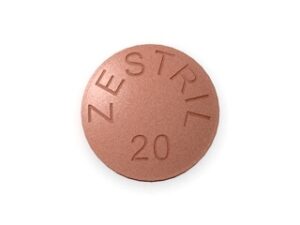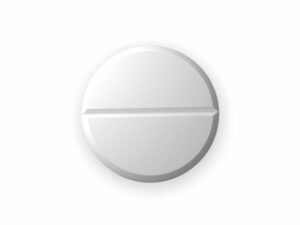

Zestoretic (Lisinopril / Hydrochlorothiazide) — Patient Information
Zestoretic is a combination medicine used to treat certain conditions related to blood pressure and fluid balance. It contains two active ingredients: lisinopril and hydrochlorothiazide. Lisinopril helps relax blood vessels, while hydrochlorothiazide helps the body remove extra salt and water. Together, they can lower blood pressure and reduce strain on the heart and blood vessels.
This page is written for people in the United Kingdom and explains how Zestoretic works, when it is taken, key safety information, and what to expect. It is intended to be patient-friendly and practical. If you have questions about your own situation, speak with a healthcare professional.
Key Facts at a Glance
- Medicines in one tablet: lisinopril + hydrochlorothiazide
- Common purpose: treatment of high blood pressure (hypertension) and sometimes fluid-related problems depending on clinical assessment
- Helps with: lowering blood pressure and reducing fluid retention
- Typical dosing frequency: usually once daily
- Important safety points: can affect kidney function and potassium levels; may cause dizziness; rarely causes serious allergic-type reactions
What Zestoretic Is
Zestoretic is a medicine combining an ACE inhibitor (lisinopril) with a thiazide diuretic (hydrochlorothiazide). It is commonly used when one medicine alone is not sufficient to control blood pressure, or when a clinician judges that combining both will give better results.
Active ingredients
- Lisinopril (ACE inhibitor)
- Hydrochlorothiazide (diuretic, thiazide type)
Common strengths
In the UK, combinations are available in different tablet strengths depending on local supply and prescriber preference. Your pack will show the exact strength (for example, the amount of lisinopril and hydrochlorothiazide per tablet). Always check the strength on your own medication.
How It Works (Mechanism of Action)
Zestoretic works through two complementary actions:
1) Lisinopril: ACE inhibition
Lisinopril inhibits the angiotensin-converting enzyme (ACE), which reduces the formation of angiotensin II. This leads to:
- Relaxation of blood vessels (vasodilation), helping to lower blood pressure
- Reduced workload on the heart
- Improved circulation in many people
- Potential protective effects on kidneys in some conditions (depending on underlying disease)
2) Hydrochlorothiazide: “water tablet” effect
Hydrochlorothiazide increases the excretion of salt and water from the kidneys. This helps lower blood pressure by:
- Reducing circulating volume (less fluid in blood vessels)
- Helping reduce long-term blood vessel resistance
- Promoting urine production, which can also influence electrolyte levels
Pharmacokinetics (How the Body Handles It)
Pharmacokinetics describes how the body absorbs, distributes, metabolises, and eliminates medicines. Individual responses can vary, particularly with kidney function.
Lisinopril
- Absorption: absorbed from the gut; food may not meaningfully reduce effectiveness for most people
- Onset: blood-pressure lowering effects develop over hours; full effect may take several weeks
- Elimination: mainly excreted unchanged by the kidneys
- Consideration: reduced kidney function can increase levels—clinicians may adjust monitoring and dosing
Hydrochlorothiazide
- Absorption: absorbed after oral administration
- Onset: diuretic effect typically begins within hours
- Elimination: largely excreted by the kidneys
- Consideration: can affect electrolytes (such as potassium and sodium), especially with dehydration or other medicines
Typical Use in the UK
Zestoretic is commonly used for the treatment of hypertension (high blood pressure). It may be prescribed when:
- Blood pressure is not adequately controlled with lifestyle measures alone
- A single medication is not enough, or combination therapy is preferred
- A clinician wants both vessel relaxation (ACE inhibition) and diuretic effect
Your healthcare professional will decide whether it is appropriate for you based on your medical history, kidney function, electrolytes, and current medicines.
Indications (When It’s Used)
The main indication is:
- Hypertension (high blood pressure) — particularly when combination therapy is suitable
In certain clinical contexts, diuretic and ACE inhibitor combinations may be considered to support fluid and cardiovascular management. The decision depends on your diagnosis and overall treatment plan.
How to Take Zestoretic (Timing and Dosing)
Follow the instructions on your medicine label or the advice given by your healthcare professional. If you are unsure, ask a pharmacist. Below is general guidance about typical use.
Typical dosing frequency
Zestoretic is usually taken once daily. Many people find it easier to take at the same time each day.
Best time of day
Because hydrochlorothiazide can increase urine production, it’s common to take Zestoretic in the morning. This may reduce the chance of needing the toilet during the night.
- Morning dosing: often preferred (especially if you notice increased urination)
- Consistent timing: try to take it at roughly the same time daily
Starting dose and adjustment
Doses are individual. Your clinician may start you on a particular strength and then adjust based on:
- Your blood pressure response
- Blood test results (kidney function and electrolytes)
- Side effects such as dizziness or cramps
If you miss a dose
- If you remember soon after your usual time, take it then.
- If it is close to the time for your next dose, skip the missed dose.
- Do not take a double dose to make up for the missed tablet.
Food and Drink Interactions
Food: Zestoretic can generally be taken with or without food. Taking it with food may help some people avoid mild stomach upset. Keep your routine consistent if you notice a difference.
Salt intake: very high salt intake can make blood pressure medicines less effective. A lower-salt approach is often recommended as part of blood pressure management.
Potassium-containing foods or salt substitutes: hydrochlorothiazide can lower potassium, while lisinopril can raise it. The combination may balance potassium levels, but it can still vary between individuals. Do not use salt substitutes routinely without discussing with your healthcare professional, because many are high in potassium.
Alcohol and Medicine Interactions
Alcohol: alcohol can further lower blood pressure and may increase dizziness, light-headedness, or fainting—particularly when starting treatment or if your dose is changed. If you drink alcohol, consider:
- Taking your tablet consistently and standing up slowly
- Limiting alcohol intake initially until you know how you respond
- Avoiding heavy drinking if you already have episodes of dizziness
Dehydration risk: alcohol can contribute to dehydration in some circumstances. Staying well hydrated supports kidney function and reduces the risk of side effects.
Medicine Interactions (Important Safety)
Some medicines may interact with Zestoretic, affecting blood pressure control, kidney function, potassium levels, or bleeding risk. Always tell your pharmacist or prescriber about everything you take, including over-the-counter medicines.
Potentially important interactions
- Non-steroidal anti-inflammatory drugs (NSAIDs) such as ibuprofen and naproxen: may reduce kidney function and lower the effect of blood pressure medicines in some people. Use NSAIDs carefully and ideally under professional guidance.
- Potassium supplements or salt substitutes: could affect potassium balance, particularly with ACE inhibitors. Your clinician may monitor potassium and advise whether supplementation is needed.
- Other blood pressure medicines (including angiotensin receptor blockers, ACE inhibitors, and certain vasodilators): may increase the risk of low blood pressure.
- Diuretics or “water tablets”: combining diuretics can change electrolyte levels more strongly. Some combinations may be inappropriate depending on your condition and blood tests.
- Lithium: can have narrow safety margins; interactions with ACE inhibitors may increase lithium levels.
- Diabetes medicines: blood sugar may change; monitoring may be required.
- Gout medicines (e.g., allopurinol): hydrochlorothiazide can increase uric acid levels in some people; your clinician may monitor and adjust therapy.
- Steroids (e.g., prednisolone) or certain laxatives: can influence potassium levels—this may matter for safety.
- Medicines affecting electrolytes (for example, some antifungals, certain antibiotics, or antiarrhythmics): may increase the risk of rhythm problems if electrolytes become imbalanced.
Herbal and supplements: Some herbal products and supplements can affect blood pressure or kidney function. Bring a list of what you use to your pharmacist.
Safety Profile: What to Watch For
Like all medicines, Zestoretic can cause side effects. Many are mild and manageable, while a small number can be serious. Knowing what to look for helps you use the medicine safely.
Common side effects
- Dizziness or light-headedness (especially when you first start or after a dose change)
- Tiredness or mild fatigue
- Headache
- Dry cough (more typical for ACE inhibitors like lisinopril)
- Increased urination (often more noticeable early due to hydrochlorothiazide)
- Electrolyte changes which may appear as muscle cramps or weakness, or detected on blood tests
Less common but important side effects
- Low blood pressure (particularly if dehydrated or on other medicines that lower BP)
- Changes in kidney function (monitored with blood tests)
- High potassium or low potassium (both can occur depending on your response and other factors)
- Rash or itching
- Changes in uric acid (may worsen gout in some people)
Seek urgent medical help if
Although uncommon, serious reactions can occur. Contact emergency services or seek urgent medical care if you experience:
- Signs of an allergic reaction such as swelling of the face, lips, tongue, or throat
- Breathing difficulty or severe wheezing
- Fainting or severe persistent dizziness
- Severe decrease in urination or signs of kidney trouble
- Yellowing of the skin/eyes or severe unexplained illness (rare)
If you have ever had an ACE inhibitor–related swelling reaction (angioedema), you should not take lisinopril again without specific specialist advice.
Monitoring (blood tests)
Clinicians commonly monitor:
- Kidney function (creatinine/eGFR)
- Electrolytes (especially potassium and sodium)
Testing is often done shortly after starting or changing dose, and then periodically as appropriate for your health status.
Practical Use Tips
- Stand up slowly: if you feel light-headed, rise gradually from sitting/lying positions.
- Stay hydrated: dehydration can increase the risk of low blood pressure and kidney problems. Be extra careful during hot weather or if you are unwell (for example, with vomiting or diarrhoea).
- Track symptoms: note persistent dizziness, swelling, rash, cough changes, or muscle weakness/cramps.
- Keep blood pressure records: consider home measurements to help your clinician adjust treatment.
- Be cautious with exercise in the heat: diuretic effect can contribute to fluid loss.
- Medication reviews: bring a list of current medicines (including OTC and supplements) to appointments.
- Don’t stop suddenly: stopping without advice may allow blood pressure to rise again.
Recent UK Guidance and Clinical Considerations
In the UK, high blood pressure is commonly managed according to clinical guidance such as the NICE (National Institute for Health and Care Excellence) recommendations and local NHS protocols. In general:
- Combination therapy is often used when one medicine alone does not achieve target control.
- Safety monitoring (kidney function and electrolytes) is emphasised for ACE inhibitors and diuretics.
- “Sick day” awareness is increasingly discussed: if you become significantly unwell with dehydration risk (e.g., vomiting/diarrhoea), clinicians may advise temporary review of medicines that affect kidney function—follow personalised advice from your healthcare team.
- Individual risk factors (age, kidney disease, diabetes, heart conditions, and other medicines) guide choice and monitoring frequency.
Your prescriber may tailor the approach based on your blood test results and overall cardiovascular risk profile.
Dosing (General Information)
Dosing of Zestoretic is individual and depends on factors including:
- Your current blood pressure and response
- Kidney function and electrolyte levels
- Whether you are switching from a single-drug ACE inhibitor or a diuretic
- Other medicines you take
- Your age and overall health
Many adults are started at a suitable strength, then adjusted if needed after monitoring. Because this is a fixed-dose combination, dose changes usually involve selecting a different tablet strength rather than increasing one ingredient alone.
| Consideration | What is typically done |
|---|---|
| Starting treatment | Start at an appropriate strength based on BP and blood tests; monitor for side effects. |
| Dose adjustments | Adjust strength if BP is not controlled and monitoring is acceptable. |
| Kidney function issues | Extra caution; more frequent monitoring may be needed. Clinician determines suitability. |
| Electrolyte changes | Blood tests guide treatment—sometimes supplements or adjustments are recommended. |
| Switching from single medicines | Clinician calculates an equivalent combination dose and monitors response. |
Safety in Special Situations
Certain groups require extra attention. Always follow personalised advice from your healthcare professional.
- Kidney disease: monitoring is important; diuretic effect and ACE inhibition can change kidney function.
- History of swelling (angioedema): ACE inhibitors can rarely cause swelling; risk must be assessed carefully.
- Older adults: more prone to dizziness and kidney/electrolyte changes, so slower titration and closer monitoring may be needed.
- Diabetes: monitor blood sugar and discuss hypoglycaemia risk if relevant.
- Gout: hydrochlorothiazide may raise uric acid levels.
Alternative Options
If Zestoretic is not suitable or not tolerated, clinicians may consider alternative approaches depending on the cause of your hypertension and your health profile. Alternatives may include:
- ACE inhibitor alone (for example, medicines in the same class as lisinopril)
- ARBs (angiotensin receptor blockers) as an alternative class (used in selected patients)
- Thiazide diuretic alone or other diuretic types
- Other combination regimens (for example, different pairs such as ACE inhibitor + calcium-channel blocker, or ARB + diuretic)
- Non-medicine measures that support blood pressure control (dietary salt reduction, exercise, weight management, smoking cessation, limiting alcohol)
The “best” alternative depends on your blood tests, symptoms, and treatment history. Discuss options with your healthcare professional before changing.
Market and Legal Context in the UK
In the United Kingdom, medicines like Zestoretic are supplied under regulated pharmaceutical standards. Online pharmacies must comply with UK medicines regulations and standard pharmacy requirements, including ensuring the medicine is appropriate for the patient and supplied lawfully.
Availability may vary by strength and formulation due to supply chain factors. Your pharmacy can confirm what is currently in stock or whether alternatives can be provided.
Delivery and Availability (Online Pharmacy)
When buying medicines online in the UK, delivery options and times can vary by pharmacy provider and by stock availability. Typical expectations include:
- Stock-dependent dispatch: if a product is temporarily out of stock, the pharmacy may offer an alternative or advise on timing
- Delivery windows: many pharmacies offer next-day or scheduled delivery for eligible areas
- Cold chain: Zestoretic does not usually require refrigeration
- Packaging: medicines are typically supplied in protective packaging to reduce damage in transit
Check the estimated delivery time at checkout, and ensure someone can receive the parcel if delivery requires it.
FAQ
1) How quickly will Zestoretic lower my blood pressure?
Some blood-pressure reduction can occur within the first day or two, but the full effect may take several weeks. Kidney and electrolyte monitoring helps ensure your body is adjusting safely.
2) Should I take it with food?
It can usually be taken with or without food. If it upsets your stomach, taking it with food may feel more comfortable. Try to take it consistently at the same time each day.
3) Will I need blood tests?
Often yes—especially after starting or changing dose. Blood tests typically check kidney function and potassium/sodium levels. Your clinician uses these results to guide safe dosing.
4) What if I feel dizzy after taking my tablet?
Dizziness is relatively common at the start. Sit or lie down until you feel better, then stand up slowly. If dizziness is persistent, severe, or you faint, contact a healthcare professional promptly.
5) Can I take ibuprofen or other painkillers with Zestoretic?
NSAIDs such as ibuprofen can sometimes affect kidney function and blood pressure control in combination with ACE inhibitors and diuretics. If you need pain relief, ask your pharmacist what is safest for you and whether you should avoid NSAIDs.
6) Can I drink alcohol while taking Zestoretic?
Small amounts may be acceptable for some people, but alcohol can increase the risk of dizziness due to further lowering of blood pressure. If you’re unsure, limit alcohol and discuss with your healthcare professional.
7) Does Zestoretic affect urination?
Yes. Hydrochlorothiazide can increase urine production, especially after the first doses. This is one reason morning dosing is often preferred.
8) Are there dietary changes I should make?
Many people are advised to reduce salt intake. Be cautious with potassium-rich salt substitutes unless your clinician has advised it. Maintain a balanced diet and stay hydrated.
9) What are the signs of a serious allergic reaction?
Seek urgent help if you develop swelling of the face, lips, tongue, or throat, breathing difficulties, or severe skin reactions. ACE inhibitors can rarely cause angioedema.
10) Is Zestoretic suitable for everyone?
No. It depends on your medical history, kidney function, electrolyte levels, and other medicines. Your clinician will determine if it is appropriate and will arrange monitoring where necessary.
Summary
Zestoretic (lisinopril/hydrochlorothiazide) is a combination medicine used to treat high blood pressure. Lisinopril relaxes blood vessels by inhibiting ACE, while hydrochlorothiazide helps the body remove excess salt and water. Many people take it once daily, usually in the morning. Safe use involves staying hydrated, avoiding unnecessary medication interactions, and attending recommended blood test monitoring for kidney function and electrolytes.