

Zolmitriptan: Uses, How It Works, and Patient Information (UK)
Zolmitriptan is a medicine used to treat migraine attacks in adults and—depending on the specific product and formulation—in some age groups as advised by healthcare professionals. It belongs to the triptan group of medicines, which are designed to relieve the pain and other symptoms that come with migraine, such as nausea and sensitivity to light or sound.
This guide explains how zolmitriptan works, when and how to take it, key safety information, and practical tips for using it effectively in the United Kingdom.
Basic product information
| Item | Information |
|---|---|
| Active ingredient | Zolmitriptan |
| Medicine type | Triptan (migraine-specific acute treatment) |
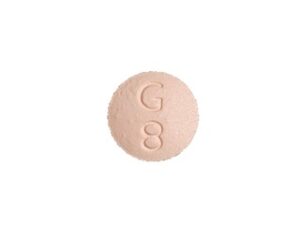
| Common formulations | Tablets and orodispersible (dispersible) tablets; some brands may also be supplied in other forms depending on UK availability. |
| Who it’s for | Used in adults for migraine attacks; age limits may vary by product and clinical advice. |
| Main symptoms targeted | Headache pain, nausea, vomiting, light/sound sensitivity |
| How it’s used | Taken at the start of a migraine attack to relieve symptoms |
How zolmitriptan works (mechanism of action)
Migraine is thought to involve changes in brain signalling and the activation of specific nerves and blood vessels. Zolmitriptan acts as a selective serotonin (5-HT1B/1D) receptor agonist.
In simple terms, it helps by:
- Constricting certain dilated blood vessels involved in migraine through 5-HT1B receptor action.
- Reducing release of pain-related neuropeptides by acting on 5-HT1D receptors in the trigeminal system.
- Interrupting migraine pain pathways, which may also help with associated symptoms such as nausea.
When taken early in an attack, zolmitriptan can reduce the intensity and duration of the migraine.
Pharmacokinetics: absorption, distribution, metabolism, and elimination
Pharmacokinetics describes how the body handles a medicine. While individual responses vary, the following points are typical for zolmitriptan:
- Absorption: Zolmitriptan is absorbed after oral dosing. Orodispersible tablets dissolve in the mouth before being swallowed, which may help some people take the medicine more easily during nausea.
- Onset: Many people notice symptom relief within about one to two hours, though timing varies by person and by formulation.
- Metabolism: It is metabolised mainly by the liver (notably by monoamine oxidase A and related pathways).
- Active metabolites: Zolmitriptan has metabolites; one metabolite (e.g., N-desmethylated forms) can have activity, though the overall clinical effect is primarily from zolmitriptan and related pharmacology.
- Elimination: The medicine and its metabolites are eliminated mainly through urine.
- Half-life: Zolmitriptan’s plasma half-life is typically around a few hours, which supports its use as an acute treatment.
If you have liver or kidney impairment, your prescriber may recommend a lower dose or adjust dosing frequency.
Typical use and indications in the UK
Zolmitriptan is indicated for the acute (attack-time) treatment of migraine with or without aura.
It can also be used in other scenarios depending on national guidance and product-specific licensing details, but the core UK indication is migraine attack relief.
Not suitable for: Zolmitriptan is not intended for preventing migraines long-term (that role is usually filled by preventive medicines when appropriate).
When to take zolmitriptan (timing for best effect)
- Take as soon as you recognise a migraine attack, ideally when migraine pain starts or as soon as you know it’s coming.
- If you experience aura (visual or sensory symptoms before the headache), you may be advised to wait until the headache begins—follow your product instructions and clinical advice.
- Do not delay unnecessarily: early treatment often improves the chance of relief.
If the first dose doesn’t fully relieve symptoms, a second dose may be considered if your product guidance allows and depending on timing (see dosing section).
Dosing: how much to take and how often
Dosing depends on your formulation, your response, and your medical history (including kidney or liver function). Always follow the instructions provided with your medicine.
General adult approach (common guidance):
- Initial dose is commonly 2.5 mg for migraine attacks, though some people may be started on 5 mg depending on severity and previous response.
- If symptoms persist after the initial dose, a further dose may be used after a suitable interval (many products allow a second dose after at least 2 hours).
- The total number of doses in 24 hours is limited (often no more than 10 mg in a 24-hour period, but always check the exact product leaflet).
Renal impairment: People with reduced kidney function may require lower maximum doses. If you have chronic kidney disease, discuss the safest dosing plan with a clinician or follow the product-specific directions.
Hepatic impairment: Reduced liver function may also require dose adjustments.
Missed dose: Zolmitriptan is taken only when migraine symptoms occur. If you miss taking it at the right time for an attack, take it only when the next attack begins—do not “catch up” for a previous headache unless advised.
Food interactions
Most oral migraine treatments—including zolmitriptan—can typically be taken with or without food. For zolmitriptan specifically:
- Food is not usually expected to significantly reduce overall effectiveness.
- However, if you have nausea or vomiting during a migraine, taking the medicine on an empty stomach may feel harder for some people, while taking it with a small amount of food may help tolerance.
Practical tip: If nausea is prominent, an orodispersible tablet may be easier to take during an attack because it dissolves in the mouth.
Alcohol interactions
Alcohol can trigger or worsen migraines in some people. Zolmitriptan does not have a well-known direct interaction with alcohol in the same way as some medicines (such as certain sedatives), but drinking alcohol may still:
- Increase likelihood of migraine attacks
- Worsen nausea and dehydration, making your migraine harder to treat
- Reduce your ability to assess whether you’re improving
If you choose to drink alcohol, consider limiting the amount and avoid it when you are trying to manage a migraine attack. If you notice alcohol reliably triggers migraines, avoiding it may help long-term control.
Medicine interactions: important examples
Some medicines can change how zolmitriptan works or increase the risk of side effects. Always check for interactions before combining medicines.
Key interaction categories include:
- Other triptans: Taking another triptan close together can increase side effects. Do not use multiple triptan products for the same attack unless your healthcare professional advises it.
- Ergot medicines (e.g., ergotamine): Concurrent or closely timed use can increase risk of blood flow effects. Spacing rules usually apply—follow product guidance.
- MAO inhibitors (monoamine oxidase inhibitors): Because zolmitriptan is metabolised via MAO pathways, strong interactions are possible. Some MAO inhibitor types may be contraindicated or require careful specialist advice.
- SSRIs/SNRIs (e.g., sertraline, fluoxetine, venlafaxine, duloxetine): The risk of serotonin syndrome is generally considered low with triptans, but the combination should be monitored—particularly if you start a new antidepressant or increase the dose.
- Other serotonergic medicines (some migraine/psychaitric or opioid combinations): May raise risk of serotonin-related effects.
- CYP inhibitors (medicines affecting liver enzymes): Some drugs can alter zolmitriptan levels, requiring dose adjustments.
What to do: Keep an updated list of all medicines, including over-the-counter products and herbal supplements. If you are unsure about an interaction, ask a pharmacist.
Safety profile: side effects and who should be cautious
Like all medicines, zolmitriptan can cause side effects. Many people experience no problems or only mild, temporary effects.
Common side effects
- Numbness, tingling, warmth, or a “pins and needles” feeling
- Feeling dizzy or drowsy
- Dry mouth
- Headache recurrence (a migraine can return as the medicine wears off)
- Sensation of pressure or tightness in the chest or throat (usually brief, but should be taken seriously)
Serious side effects: seek urgent help
Stop using the medicine and get urgent medical advice if you experience:
- Chest pain, severe tightness, or pain spreading to the arm, jaw, or back
- Breathing difficulties or swelling of the face/lips
- Signs of stroke (sudden weakness, facial droop, speech difficulties, severe sudden headache)
- Serotonin syndrome symptoms: agitation, confusion, fast heart rate, fever, sweating, shaking/tremor, diarrhoea (especially when combined with other serotonergic medicines)
- Severe allergic reaction (hives, difficulty breathing, collapse)
Who should be cautious (contraindications may apply)
Zolmitriptan may not be suitable if you have certain medical conditions, for example:
- Known cardiovascular disease (such as coronary artery disease) or a history suggesting significant risk
- Uncontrolled high blood pressure
- History of stroke or certain transient ischaemic attacks
- Severe liver impairment (depending on product guidance)
- Some forms of migraine other than the approved migraine type (e.g., cluster headache—triptans may be considered differently)
- Use of certain interacting medicines (e.g., specific MAO inhibitors)
If you’re unsure whether you’re at risk, speak to a pharmacist or clinician before using zolmitriptan.
Practical use tips for better outcomes
- Use it early: taking zolmitriptan at the start of migraine pain often works best.
- Limit repeat dosing: do not exceed the maximum doses stated on your product label.
- Know “rebound” risk: frequent use of acute migraine medicines can lead to medication-overuse headache. As a general principle, try not to use triptans too often; your clinician can advise a personalised maximum.
- Hydrate: migraines can cause nausea and dehydration—sip water where possible.
- Create a low-stimulus environment: dim lights and quiet can improve comfort while the medicine works.
- Keep a migraine diary: note triggers, timing, dose, and how well it worked to help tailor future treatment.
- If you vomit soon after taking a tablet: check product guidance—some formulations may dissolve differently, and you may need advice before taking another dose.
What to expect: recurrence and treatment response
Even when zolmitriptan works, some people experience recurrence—pain returning within 24 hours. This can happen because migraine biology persists beyond the medicine’s peak effect.
- If symptoms return, a second dose may be appropriate depending on product dosing instructions.
- If you routinely need multiple doses per attack or find it’s not helping, consult a healthcare professional to reassess migraine management and consider whether a different acute or preventive approach is better.
Alternative options (UK): other acute and preventive approaches
If zolmitriptan is not suitable or does not control your migraine adequately, there are alternatives. Availability and choice depend on your medical history, severity, and current medicines.
Other acute treatments
- Other triptans (e.g., sumatriptan, rizatriptan, eletriptan): different triptans may work better for different people.
- NSAIDs (e.g., ibuprofen, naproxen) and paracetamol: can help some people, especially for mild to moderate attacks.
- Anti-sickness medicines (antiemetics): may help nausea and improve absorption of oral migraine treatments.
- Newer acute migraine medicines (e.g., CGRP receptor antagonists such as ubrogepant/rimegepant where available): may be an option in some settings depending on UK product approvals and prescribing practices.
Preventive options (when attacks are frequent or disabling)
- Beta-blockers (e.g., propranolol, depending on suitability)
- Anti-epileptic medicines (e.g., topiramate where appropriate)
- Tricyclic antidepressants (some people benefit at migraine doses)
- Monoclonal antibodies against CGRP or related pathways (where accessible)
A clinician can advise on whether you may benefit from preventive treatment and help reduce the chance of medicine-overuse headache.
Market and legal context in the UK
In the UK, migraine treatments may be supplied under different access routes depending on formulation and licensing. The availability of specific zolmitriptan brands and pack sizes may vary.
When choosing an online pharmacy, look for:
- UK-appropriate branding and packaging
- Clear product information, including strength, form, and instructions
- Responsible pharmaceutical supply with pharmacy checks where required
- Transparent delivery and returns policies
Medicines for migraine are subject to UK regulation and must be marketed and supplied in line with applicable healthcare standards and licensing requirements.
Recent guidance and evolving migraine care (UK overview)
Migraine management guidelines in the UK have increasingly emphasised:
- Early, effective acute treatment to reduce pain duration and disability
- Limiting overuse of acute medicines to prevent medication-overuse headache
- Individualised care based on attack frequency, severity, comorbidities, and previous response
- Preventive treatment assessment for people with frequent or disabling migraines
- Consideration of patient preferences (e.g., formulation that helps during nausea)
While specific recommendations change over time, the overall direction is consistent: using the right acute medicine early and, when needed, adding prevention to reduce overall attack burden.
Delivery and availability (UK online pharmacy)
Availability can vary by brand and strength. Many UK online pharmacies keep common strengths in stock, but delivery times depend on your location and the supplier’s warehouse.
Typical online ordering considerations:
- Check strength and formulation (tablets vs orodispersible) before ordering.
- Confirm pack size and dosing limits so you receive an adequate supply for your needs.
- Allow time for delivery—especially if you use zolmitriptan occasionally and want to ensure you have it available at the start of an attack.
- Storage: follow the pack instructions (keep away from excessive heat and out of reach of children).
For the most accurate delivery timeline, refer to the product page and the pharmacy’s delivery policy.
Frequently Asked Questions (FAQ)
1) What is zolmitriptan used for?
Zolmitriptan is used to treat acute migraine attacks, with or without aura. It helps reduce migraine pain and associated symptoms like nausea and light sensitivity.
2) When should I take it?
Take zolmitriptan as soon as you recognise the migraine attack. Early use often improves effectiveness. If you have aura, follow the instructions provided with your product and your healthcare advice.
3) How long does it take to work?
Many people notice improvement within 1–2 hours. If you find it repeatedly doesn’t help, discuss options with a healthcare professional.
4) Can I take it with food?
In general, it can be taken with or without food. If you feel sick, an orodispersible tablet may be more comfortable.
5) Can I drink alcohol when using zolmitriptan?
Alcohol may trigger or worsen migraines and increase nausea. There’s no universal rule that a small amount must be avoided for interaction reasons, but it’s sensible to limit alcohol, especially during an attack.
6) What if I need another dose?
Some people may take a second dose if symptoms persist or return, but only within the product’s recommended dosing interval and maximum daily dose. Do not exceed the stated limits.
7) Can zolmitriptan be used every day?
Zolmitriptan is designed for attack-time use. Using it too frequently can contribute to medication-overuse headache. If your attacks are frequent, ask about preventive options.
8) Are there medicines I should not combine with zolmitriptan?
Yes. Interactions can occur with other triptans, ergot medicines, MAO inhibitors, and certain serotonergic medicines or enzyme-influencing drugs. Always check your current medicines list with a pharmacist.
9) What side effects should I watch for?
Common effects include tingling, dizziness, or a warm/strange sensation. Seek urgent medical help for chest pain, breathing problems, stroke-like symptoms, severe allergic reactions, or possible serotonin syndrome—especially if combined with other serotonergic medicines.
10) What are the alternatives if zolmitriptan doesn’t work?
You may be able to try another triptan, an anti-inflammatory medicine, an anti-sickness medicine, or a newer acute migraine treatment (where available). If attacks are frequent, preventive therapy may be considered.
Key takeaways
- Zolmitriptan is an acute treatment for migraine attacks.
- It works by activating 5-HT1B/1D receptors to reduce migraine pain pathways.
- Taking it early in an attack improves the chance of relief.
- Always follow the maximum daily dosing and watch for signs of serious side effects.
- If your migraines are frequent or you’re using acute medicines often, consider talking to a healthcare professional about prevention.
This information is intended to support understanding of zolmitriptan. For advice tailored to your situation—especially if you have other conditions or take other medicines—consult a healthcare professional or pharmacist.