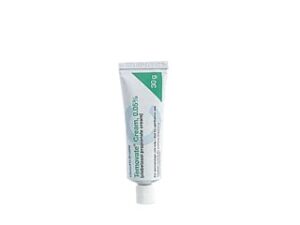
Fulvicin (Griseofulvin) — Patient Information
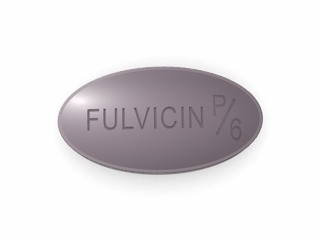
Fulvicin, also known by its active ingredient griseofulvin, is an antifungal medicine used to treat certain fungal infections. If you’ve been advised to use Fulvicin, this page explains what it’s for, how it works, how to take it safely, and what to expect during treatment.
This guide is written for people in the United Kingdom. Always follow the instructions provided with your medicine and any advice from a healthcare professional.
Quick Facts
- Active ingredient: Griseofulvin
- Medicine type: Antifungal
- Common uses: Fungal infections of the skin, scalp, and nails caused by susceptible fungi
- Typical course length: Often weeks to months (depending on the infection)
- Best taken with: Food (often improves absorption)
Basic Product Information
| Category | Details |
|---|---|
| Brand name | Fulvicin |
| Active ingredient | Griseofulvin |
| How it works | Stops fungal growth by interfering with fungal cell division |
| Form | Available in oral form (exact strengths/forms vary by product) |
| Common duration | Depends on site and severity (skin vs scalp vs nails) |
How Fulvicin Works (Mechanism of Action)
Griseofulvin works specifically against certain fungi. It interferes with the fungal cell’s ability to divide and multiply.
In practical terms:
- It targets fungi that invade keratin-containing tissues such as skin, hair, and nails.
- As treatment continues, new keratin formed while you are taking the medicine becomes “healthy” and resistant to fungal invasion.
Important: Fulvicin is not used for all types of fungal infections (for example, many fungal infections of the bloodstream or deep tissue require different medicines).
Pharmacokinetics (Absorption, Distribution, Metabolism, Excretion)
Understanding how the body handles griseofulvin can help you take it correctly and recognise why timing with meals matters.
- Absorption: Griseofulvin is absorbed through the gut. Taking it with food can increase how much is absorbed.
- Distribution: It preferentially distributes into tissues where fungus commonly lives, including skin and appendages.
- Accumulation: Over time, medicine levels build in keratin-rich areas, which is why treatment needs to continue long enough for new tissue to replace infected tissue.
- Metabolism: It is metabolised mainly in the liver.
- Excretion: Metabolites are eliminated through the body, primarily via urine and other pathways.
Why this matters: Stopping too early can allow the infection to return because infected keratin may not yet have fully grown out or been replaced.
Typical Uses and Indications
Fulvicin is used for certain fungal infections caused by susceptible dermatophytes (mould-like fungi), which often affect:
- Skin infections (tinea corporis — ringworm)
- Scalp infections (tinea capitis)
- Groin infections (tinea cruris)
- Foot infections (tinea pedis)
- Nail infections (onychomycosis) in selected cases, depending on the fungus and the severity
Not all rashes are fungal. If symptoms are worsening, spreading rapidly, or you are unsure of the cause, seek medical advice. Misusing antifungals may delay correct treatment.
How to Take Fulvicin (Timing and Dosing Principles)
Always follow the dosing instructions provided by your healthcare professional or on the label. The dose depends on the infection type, severity, and sometimes age or body weight.
General dosing principles (adult and child guidance)
- Dosing is usually once or twice daily, depending on the specific formulation and regimen.
- Treatment length differs:
- Skin infections: often several weeks
- Scalp infections: often longer due to hair growth cycle
- Nail infections: can take many months because nails grow slowly
- Even if symptoms improve early, finish the course to reduce recurrence.
When to take your dose
- Take Fulvicin with food. If you struggle with eating, speak to a healthcare professional for tailored guidance.
- Try to take it at the same times each day to keep levels steady.
- If your schedule allows, take it after a meal rather than on an empty stomach.
If you miss a dose
- If you miss a dose, take it as soon as you remember unless it is close to the time of the next dose.
- Do not double up to make up for a missed dose.
- If you are unsure, ask your pharmacist for advice.
Food and Absorption Interactions
Food can affect how well griseofulvin is absorbed.
- Taking with a meal is generally recommended to support absorption.
- If the medicine is causing stomach upset, taking it with food (and possibly with a fuller meal) may help.
- Follow your product’s specific instructions (different formulations can vary).
Practical tip: If you have persistent nausea, try taking the dose with the largest meal of the day (unless advised otherwise).
Alcohol and Medicine Interactions
Alcohol
Although occasional alcohol is not always strictly prohibited, caution is advised because griseofulvin is processed by the liver and alcohol can also affect the liver.
- It’s best to avoid heavy drinking while taking Fulvicin.
- If you have liver disease or past liver problems, discuss alcohol use with a healthcare professional.
Medication interactions
Griseofulvin can interact with other medicines, sometimes by affecting how the liver processes drugs (through effects on liver enzymes).
Tell your pharmacist or healthcare professional about all medicines you take, including:
- Warfarin and other blood thinners
- Oral contraceptives (“the pill”) and hormone medicines
- Anti-epileptic medicines
- Certain antibiotics, antivirals, and other antifungals
- Herbal remedies (particularly those affecting liver enzymes)
- Medicines for diabetes, blood pressure, or cholesterol
Do not start or stop any medicines while on Fulvicin without checking first.
Safety Profile and When to Seek Advice
Like all medicines, Fulvicin can cause side effects. Many people tolerate it well, but it’s important to know what to watch for.
Common side effects
- Nausea, stomach discomfort
- Headache
- Rash or itching
- Dizziness
- Diarrhoea or changes in appetite
Serious side effects — get urgent medical help
Seek urgent medical advice if you experience:
- Signs of an allergic reaction (swelling of the face/lips, difficulty breathing, severe rash)
- Signs of liver problems such as yellowing of the skin/eyes (jaundice), dark urine, severe fatigue, or persistent upper abdominal pain
- Severe skin reactions (blistering, peeling, painful rash)
- Unusual bleeding or bruising (especially if you take blood thinners)
Who should use Fulvicin with extra caution?
- People with a history of liver disease
- People with porphyria or a history of porphyria attacks
- Those taking medicines with known interaction risks
- Pregnancy and breastfeeding (see below)
Pregnancy, Breastfeeding, and Fertility (UK context)
If you are pregnant, planning pregnancy, or breastfeeding, discuss treatment options with a healthcare professional. Fungal infections can often be managed with alternatives depending on the site and severity.
- Pregnancy: risk/benefit must be assessed. Some antifungals may be preferred.
- Breastfeeding: check safety guidance for your specific product and infection site.
- Fertility/sexual health: interactions with hormonal contraception may occur (see interactions section).
Practical Use Tips for Better Outcomes
Improving results isn’t only about the medicine—day-to-day care matters. These tips can help you avoid reinfection and reduce spread.
- Continue for long enough: dermatophyte infections often improve before cure. Keep going as instructed.
- Hygiene for tinea:
- Keep affected areas clean and dry (as advised)
- Change socks/underwear regularly
- Avoid sharing towels
- Wear breathable footwear for foot infections
- Treat close contacts when advised: some household members may carry fungus without obvious symptoms.
- Don’t stop skincare: continue topical treatments prescribed alongside Fulvicin if relevant (for example, creams/lotions used for initial control).
- Track progress: note when symptoms improve. If there is no improvement, treatment may need reassessment.
- Protect the skin: scratching can spread fungus and delay healing.
If symptoms worsen: redness, pain, swelling, pus, or fever suggests something other than uncomplicated fungal infection—get medical advice promptly.
Alternative Options (Depending on the Infection)
In the UK, treatment choice depends on the type of fungus, the body area, and how extensive the infection is.
Topical antifungals (often for limited skin involvement)
- Clotrimazole
- Terbinafine
- Miconazole
Other oral antifungals (used in selected cases)
- Terbinafine — commonly used for dermatophyte skin infections and sometimes nails
- Itraconazole — sometimes used for fungal nail infections
Why alternatives may be chosen: tolerability, interaction profile, site of infection, and likely fungus type.
Note: A clinician may confirm the fungus type (for example via scraping or culture) before selecting an oral antifungal, especially for nail or scalp infections.
Market & Legal/Regulatory Context in the United Kingdom
In the UK, medicines such as griseofulvin/fulvicin are regulated and supplied according to national medicines policy. Availability can vary by strength, presentation, and supplier.
How this may affect you:
- Stock levels may change.
- Depending on your location and product format, substitutions might sometimes be offered for supply reasons.
- Pharmacists may request additional information to ensure the medicine is suitable for you.
Recent guidance: Current practice generally emphasises correct diagnosis, confirmation of fungal species when appropriate (particularly for nails/scalp), and careful consideration of liver risk and drug interactions for oral antifungals. If you have questions about whether griseofulvin is the best option for your specific condition, ask a pharmacist or clinician.
Delivery and Availability (UK Online Pharmacy)
Availability depends on whether the product is held locally or shipped through established distribution channels. Most UK online pharmacies aim for prompt delivery within standard postal or courier timelines once your order is confirmed.
- Dispatch times: may vary depending on stock confirmation.
- Delivery options: standard and faster services may be available.
- Packaging: medicines are typically supplied in appropriate protective packaging with safety and handling information.
- Contact: if your order is delayed, customer support can check the courier status or stock situation.
Tip: If you need to start treatment promptly (for example, scalp infections), place the order early and ensure delivery address details are correct.
Frequently Asked Questions (FAQ)
1) What is Fulvicin used for?
Fulvicin (griseofulvin) is an antifungal used for certain fungal infections, commonly caused by dermatophytes affecting the skin, scalp, and nails. Your healthcare professional will recommend it based on the likely fungus and the infection site.
2) How long will I need to take it?
Length of treatment varies widely. Skin infections may need several weeks, scalp infections often require longer, and nail infections can take many months because nails grow slowly. It’s important to complete the full course even if you feel better sooner.
3) When should I start seeing improvement?
Some improvement may occur within a few weeks, but full clearance—especially for nails and scalp—takes longer. If there is no improvement after the initial expected period, or symptoms worsen, seek advice.
4) Should I take Fulvicin with food?
Taking it with food is generally recommended to support absorption and reduce stomach upset. If your instructions differ, follow the product-specific guidance given with your medicine.
5) Can I drink alcohol while taking Fulvicin?
It’s safest to avoid heavy drinking. Because the medicine is metabolised in the liver, alcohol may increase strain. If you drink alcohol regularly or have liver concerns, discuss with a pharmacist or clinician.
6) What medicines should I be careful with?
Griseofulvin can interact with other medicines, including certain blood thinners, hormonal contraceptives, anti-epileptic medicines, and others. Always tell your pharmacist about all medicines and supplements you take.
7) Will Fulvicin interact with the contraceptive pill?
Some antifungals can reduce effectiveness of hormonal contraception through enzyme effects. If you use oral hormonal contraception, ask your pharmacist for specific guidance. Additional or alternative contraception may be recommended during treatment.
8) What should I do if I miss a dose?
Take it when you remember unless it’s almost time for the next dose. Do not double the dose. If you’re unsure, ask your pharmacist.
9) Are side effects common?
Some people experience mild side effects such as nausea, headache, or rash. Report persistent or severe side effects. Seek urgent help for signs of allergy or liver problems (for example jaundice or severe fatigue).
10) Can I use topical antifungal creams as well?
Sometimes yes—topical treatments can help affected areas. Follow the plan provided by a clinician and avoid mixing products without advice.
11) How do I prevent reinfection?
Keep the area clean and dry, wash hands after touching the affected skin, don’t share towels, and wash bedding/clothing that may have been exposed. For foot infections, change socks regularly and consider treating footwear if recommended.
12) Is Fulvicin suitable for children?
Dosing and suitability depend on age and the specific infection. Use only if advised by a healthcare professional and follow the prescribed dose exactly.
Important Reminder
Fulvicin can be an effective treatment for susceptible fungal infections, but success depends on correct diagnosis, correct dose, adequate duration, and careful attention to interactions. If you have concerns about side effects, drug interactions, or whether the infection is fungal, speak to a pharmacist or clinician.