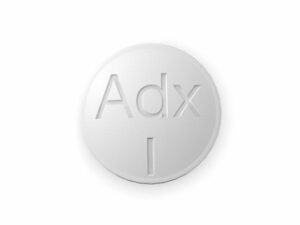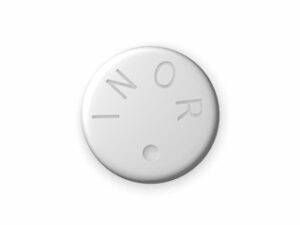


Clomid (Clomiphene) – Patient Information (UK)
Clomid contains the active ingredient clomiphene, a medicine used to help some people who are trying to conceive. It works by stimulating the body’s reproductive hormone system to encourage ovulation in those who do not ovulate regularly.
This guide explains what Clomid is, how it works, how it is usually taken, common side effects, practical tips, and important safety information. If anything in this page concerns you, speak to a qualified healthcare professional.
1) Basic product information
| Category | Details |
|---|---|
| Medicine | Clomid |
| Generic name | Clomiphene |
| What it’s used for | To help induce ovulation in people with ovulatory dysfunction (commonly associated with polycystic ovary syndrome) and, in certain cases, to support fertility treatment plans |
| How it is taken | Oral tablet (usually taken for a short course during the menstrual cycle) |
| Common strengths | Often supplied as 50 mg tablets (strengths may vary by product) |
2) How Clomid works (mechanism of action)
Clomiphene works by temporarily blocking oestrogen receptors in the brain, particularly in the hypothalamus. Oestrogen normally provides feedback to the brain to “tell” the body to slow down production of the hormones needed for ovulation.
When clomiphene blocks this feedback, the brain increases the release of key hormones:
- GnRH (gonadotrophin-releasing hormone) increases
- This stimulates the pituitary gland to produce more FSH (follicle-stimulating hormone) and LH (luteinising hormone)
- Higher FSH helps the ovaries develop one or more follicles
- The follicle development can lead to an LH surge, which triggers ovulation
In many people, Clomid is used to encourage ovulation as part of fertility management. It does not “cause pregnancy” directly; instead, it helps the body produce the conditions needed for conception.
3) Pharmacokinetics (how the body processes it)
Pharmacokinetics describes how a medicine is absorbed, distributed, metabolised, and eliminated. Clomiphene is absorbed after oral dosing and is metabolised primarily in the liver.
Key points include:
- Absorption: Clomiphene is taken by mouth and becomes systemically available after absorption from the gastrointestinal tract.
- Distribution: It is distributed throughout the body and can persist because clomiphene has active isomers (each may behave somewhat differently).
- Metabolism: Metabolism occurs mainly in the liver. Enzymes and hepatic function influence how quickly it is processed.
- Elimination: Clomiphene and its metabolites are eliminated slowly, which is why effects can extend beyond the days you take tablets.
Because clomiphene can remain in the body for some time, clinicians may limit the number of treatment cycles and monitor response carefully.
4) Typical use in the UK
In the UK, Clomid is commonly used for induction of ovulation in people with ovulatory dysfunction. A very common underlying cause is polycystic ovary syndrome (PCOS), but ovulation problems can have other causes too.
Clomid may be used as a first-line option in selected individuals within fertility pathways, depending on medical history, investigations, and local practice.
You may also be advised to combine Clomid with monitoring, such as:
- Ultrasound scanning to assess follicle growth
- Blood tests to check hormone levels (e.g., progesterone)
- Ovulation predictor kits (LH urine tests) to help time intercourse
5) When to take Clomid (timing and cycle planning)
Clomiphene is typically taken for a short course at the beginning of a menstrual cycle. The exact start day depends on cycle timing and the clinician’s plan. The goal is to align follicle development with the natural timing of ovulation.
Common practical patterns (for many regimens) include:
- Starting on an early cycle day (often around day 2–5), if menstruation is present.
- Completing tablets within about 5 days (some regimens use different durations).
- Expecting ovulation to occur roughly mid-to-late cycle after the course ends (often around 5–10 days later, though it can vary).
Because cycle responses differ, ovulation may not occur in every person and the timing can vary from cycle to cycle. Monitoring helps confirm whether ovulation occurred and whether adjustments are needed.
6) Food interactions
Clomid can usually be taken with or without food. If it upsets your stomach, taking it with a meal or snack may help.
That said, it is important to follow the instructions given with your tablets, as individual regimens may differ.
- If you experience nausea, try taking the dose after food.
- Maintain steady hydration and consider smaller meals if you feel bloated.
7) Alcohol and medicine interactions
Alcohol
Moderate alcohol is unlikely to have a major direct interaction with clomiphene for most people. However, alcohol can affect wellbeing, sleep, hydration, and potentially hormone balance, which may indirectly affect fertility outcomes.
If you are taking other fertility-related medicines or have medical conditions, it’s best to ask your healthcare professional what level of alcohol is appropriate for you.
Other medicines
Clomiphene interactions can vary depending on your other medications. In general:
- Tell your healthcare professional about all medicines you take, including over-the-counter products and herbal remedies.
- Some medicines that affect liver enzymes may influence how clomiphene is metabolised.
- If you are using other fertility treatments (for example, injectables or medications supporting the luteal phase), your plan should be carefully coordinated to reduce risk and improve effectiveness.
Do not stop or start any medicine without advice, particularly where fertility treatment is involved.
8) Indications (when Clomid is used)
Clomiphene is indicated for use in selected patients to help induce ovulation, most commonly in cases of:
- Ovulatory dysfunction (irregular or absent ovulation)
- Infertility related to anovulation or insufficient ovulation
- PCOS-associated ovulatory dysfunction (subject to clinical assessment)
The appropriate use depends on a full assessment, including confirmation of ovulation problems, evaluation of the uterus and fallopian tubes where appropriate, and screening for factors that could affect fertility outcomes.
9) Dosing – typical approach and what to expect
Dosing schedules for Clomid can vary. The best dose for you depends on your response in previous cycles, underlying cause, and how monitoring shows your follicles and ovulation progress.
A common pattern includes a starting dose taken once daily for several days during the early part of the cycle, followed by reassessment in the next cycle if needed.
Typical dosing concepts (general information)
- Initial course: often begins at a moderate dose (commonly 50 mg once daily for 5 days in many regimens).
- Adjustments: if there is no satisfactory response, clinicians may adjust the dose in subsequent cycles.
- Cycle limits: treatment may be limited to a small number of cycles to reduce risks and avoid diminishing returns.
Important practical dosing tips
- Take the tablet at the same time each day during your course.
- If you miss a dose, follow the guidance given with your medicine or seek advice from a healthcare professional; do not double doses unless instructed.
- Use a calendar reminder during the treatment window.
Your clinician may advise monitoring to confirm follicle development and timing of ovulation. Do not assume ovulation occurred—especially if you have irregular cycles or have not responded before.
10) Safety profile and side effects
Like all medicines, clomiphene can cause side effects. Not everyone gets them, and severity varies. Many side effects are mild and settle after the course ends, but some require urgent medical assessment.
Common side effects
- Hot flushes
- Headache
- Nausea or stomach discomfort
- Bloating / abdominal discomfort
- Breast tenderness
- Mood changes (e.g., irritability)
- Dizziness or fatigue
- Visual symptoms (e.g., blurred vision) can occur in some people
Less common but important risks
- Multiple pregnancy (twins or more) may be more likely with ovulation induction. Your healthcare professional may discuss risk and monitoring.
- Ovarian enlargement or ovarian cysts can occur. Mild enlargement may be monitored, while significant discomfort needs assessment.
- Ovarian hyperstimulation syndrome (OHSS) is uncommon with clomiphene compared with injectable fertility drugs, but any severe symptoms should be treated as urgent.
Seek urgent medical advice if you develop
- Severe abdominal pain, rapidly increasing abdominal swelling, or severe bloating
- Shortness of breath
- Chest pain
- Severe vomiting or inability to keep fluids down
- Sudden or worsening vision problems
- Signs of blood clots (e.g., one-sided leg swelling/pain, sudden weakness, sudden severe headache)
Vision-related symptoms should never be ignored. If you notice changes to your eyesight, stop driving and contact your healthcare professional promptly.
11) Practical use tips for best results
Clomid’s effectiveness often depends on cycle timing, monitoring, and lifestyle factors. The following tips may help you use the treatment more safely and improve your understanding of what your body is doing.
- Track your cycle: note start dates of bleeding and any spotting.
- Consider ovulation prediction: LH test kits may help identify the likely ovulation window. If you use them, follow the instructions carefully.
- Plan intercourse timing: many people aim for regular intercourse around the suspected fertile window. Your clinician may provide guidance on specific timing.
- Follow monitoring advice: ultrasound and hormone tests can clarify whether ovulation occurred.
- Manage side effects: stay hydrated, eat small meals if nauseous, and rest if headaches occur.
- Keep a symptom diary: note headaches, visual changes, abdominal discomfort, and mood changes. This can be helpful for your next review.
- Avoid “extra” fertility attempts: do not add other fertility medications without medical guidance.
If you are taking clomiphene while using contraception, understand that clomiphene itself does not provide contraception and you should discuss pregnancy prevention or planning with a healthcare professional.
12) Alternative options for ovulation induction (UK overview)
If Clomid is not suitable or not effective, there are alternative approaches. Options depend on the cause of ovulatory dysfunction and your fertility plan.
- Letrozole (an aromatase inhibitor) is commonly used in many settings for ovulation induction, including in PCOS-related anovulation, depending on local clinical practice and availability.
- Gonadotrophins (injectable follicle-stimulating hormones) may be used in some cases, usually with close monitoring to reduce risk.
- Lifestyle measures (for example, weight management where relevant) can improve ovulation in some people with PCOS.
- Metformin may be considered in certain cases, often where insulin resistance is suspected or confirmed.
- Assisted reproductive technologies (such as IVF) may be considered if other treatments do not achieve pregnancy or if there are additional fertility factors.
The “best” alternative depends on your medical history, test results, age, partner factors, and previous responses to treatment.
13) Market and legal context in the United Kingdom
Clomiphene is a well-established fertility medicine in the UK. In the current UK medicines environment, the way medicines are supplied and accessed can differ based on product status, prescribing requirements, and the setting in which treatment is provided.
Online pharmacies in the UK must follow applicable regulations for safe supply and patient safety, including:
- Ensuring medicines are supplied via appropriate, lawful routes
- Providing clear information to support safe use
- Checking patient eligibility and relevant safety information when required
- Encouraging appropriate clinical involvement for fertility treatment monitoring and safety
If you’re unsure about access routes, discuss your options with a healthcare professional or check the specific product and service information provided by the pharmacy.
14) Recent guidance and monitoring considerations
Fertility care recommendations evolve as new evidence becomes available. In the UK, clinical practice increasingly emphasises:
- Careful patient selection for ovulation induction
- Monitoring for response (particularly follicle development) to reduce risks such as multiple pregnancy
- Awareness of the comparative effectiveness and safety profiles of different ovulation induction medicines (for example, aromatase inhibitors such as letrozole have gained prominence in many guidance updates)
- Limiting the number of treatment cycles with any single approach and reassessing if pregnancy does not occur
Your healthcare professional will tailor a plan to your results and prior treatment response. If you have already completed several cycles without ovulation or pregnancy, ask about alternative pathways.
15) Delivery and availability (UK)
Availability of Clomid (clomiphene) can vary depending on stock levels, packaging, and strength. When you order online, typical expectations include:
- Processing time: your order may be processed before dispatch.
- Delivery timeframe: delivery depends on courier service and your location in the UK.
- Cold-chain requirements: clomiphene tablets generally do not require refrigeration.
- Packaging: tablets should arrive in their original packaging where possible.
If you need your medicine by a specific date (for example, to start on a particular cycle day), order early and allow time for dispatch.
Always check the expiry date and that the medicine is clearly labelled with the correct strength.
16) How to store Clomid
- Store at room temperature (follow the package instructions).
- Keep in the original container to protect from light and moisture.
- Keep out of sight and reach of children.
- Do not use after the expiry date printed on the packaging.
17) Clomid FAQ (Frequently Asked Questions)
How long does it take to work?
Clomid is usually taken for several days early in the cycle. Ovulation commonly occurs around 5–10 days after the course ends, but the timing can vary. Monitoring may help confirm when ovulation has occurred.
Will Clomid definitely make me ovulate?
Not everyone ovulates with their first cycle. Some people respond fully, while others may need dose adjustments or a different ovulation induction strategy. If ovulation does not occur, your clinician will review your response and consider next steps.
Can I take Clomid if I have PCOS?
Clomiphene is commonly used for ovulation induction in PCOS-related ovulatory dysfunction in selected patients. Suitability depends on your individual medical history, investigations, and safety factors.
What are the signs that I might be ovulating?
Possible signs include changes in cervical mucus, mild pelvic discomfort, and a positive result on ovulation predictor kits (LH surge tests). However, these are not definitive. Blood tests and ultrasound monitoring can provide confirmation.
Can Clomid cause multiple pregnancy?
Yes. Ovulation induction increases the chance of releasing more than one egg, which can raise the likelihood of twins or higher-order multiple pregnancy. Monitoring and appropriate dosing can help manage risk.
Are there any visual side effects?
Some people experience visual disturbances such as blurred vision or flashes. If you develop any significant vision changes, seek medical advice promptly and avoid driving until you’re confident your vision is safe.
What should I do if I miss a dose?
Follow the instructions provided with your medicine or ask a healthcare professional for advice. In general, do not take extra tablets to “catch up” unless directed.
Can I drink alcohol while taking Clomid?
Moderate alcohol may be unlikely to cause a direct interaction, but it can affect general wellbeing and may make side effects harder to manage. Keep alcohol modest and discuss your situation with a healthcare professional, especially if you take other medicines.
Can I take Clomid with food?
Many people can take it with or without food. If it causes nausea, taking it after food may help.
How many cycles can I take Clomid?
Treatment is often limited to a small number of cycles. The exact number depends on your response and clinical judgement. If ovulation does not occur or pregnancy is not achieved, your care plan may change.
When should I stop taking Clomid and contact a clinician?
Contact your healthcare professional urgently if you experience severe abdominal pain, breathing difficulties, significant vomiting, sudden vision changes, or other concerning symptoms.
18) When to seek medical advice before starting
Before using Clomid, it’s important to discuss your history with a healthcare professional, particularly if you have:
- Any history of visual disorders
- Liver problems or significant liver disease
- Unexplained abnormal vaginal bleeding that has not been evaluated
- Ovarian cysts or ovarian enlargement concerns
- A history suggesting conditions that could increase pregnancy complications
Your clinician will consider these factors to reduce risks and decide the safest, most effective approach.
Remember: Fertility treatments can affect hormone levels and may require monitoring. If you have questions about timing, side effects, or what to expect, contact your healthcare professional for individual advice.