
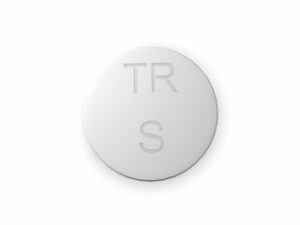
Plan B (Levonorgestrel) – Emergency Contraception (UK)
Plan B contains levonorgestrel, a widely used form of emergency contraception. It can help prevent pregnancy after unprotected sex or after contraceptive failure. This page explains how it works, when to take it, what to expect, and important safety information for people in the United Kingdom.
Important: Emergency contraception is most effective the sooner it is taken. It is not the same as an ongoing method of contraception, and it does not interrupt an established pregnancy.
Basic product information
- Active ingredient: Levonorgestrel
- Type: Emergency contraceptive pill (ECP)
- Common dose: Typically one dose of 1.5 mg (some brands may also be available as a two-dose regimen in certain markets)
- When to use: After unprotected sex or contraceptive failure
- Availability in the UK: Widely available from pharmacies and online services; specific availability may vary by supplier
How it’s usually taken: A single oral dose, with the option to take it as soon as possible after the incident.
How Plan B works (mechanism of action)
Levonorgestrel is a synthetic progestogen (a hormone similar to progesterone). In emergency contraception, it primarily works by:
- Delaying ovulation: It helps prevent or postpone the release of an egg from the ovary.
- Thickening cervical mucus: This may make it harder for sperm to pass through the cervix and reach an egg.
- Reducing the chance of fertilisation: By delaying ovulation and altering the cervical environment, it lowers the likelihood that fertilisation will occur.
What it does not do: Plan B does not reliably end an existing pregnancy. It is intended to reduce the chance of pregnancy occurring in the first place.
Pharmacokinetics (how the body processes it)
Pharmacokinetics describes what the body does to a medicine—absorption, distribution, metabolism, and elimination.
- Absorption: Levonorgestrel is absorbed after oral administration.
- Distribution: It circulates in the body, binding to plasma proteins (including sex hormone-binding globulin to a degree).
- Metabolism: Levonorgestrel is metabolised mainly in the liver.
- Elimination: Metabolites are excreted primarily via urine and faeces.
Because emergency contraception is designed for rapid action around the time of ovulation, the timing of the dose is a key factor for effectiveness.
Typical use in the UK
Plan B is used as emergency contraception when regular contraception has failed or was not used, such as:
- Unprotected sexual intercourse
- A condom split, slipped, or was used incorrectly
- Missed contraceptive pills or incorrect pill timing (depending on the method)
- Missed or delayed contraceptive injection (if applicable)
- Non-use of contraception due to circumstances
- Rape or sexual assault (support services are available)
Emergency contraception can be used regardless of age where legally and clinically appropriate. If you are unsure, a pharmacist or sexual health clinic can advise.
Timing: when to take Plan B
Take it as soon as possible. Plan B is approved for use up to 72 hours (3 days) after unprotected sex, and effectiveness generally decreases with time.
Practical guidance:
- Best: Take it within the first 24 hours.
- Still useful: Up to 72 hours, but earlier is better.
After taking it: Emergency contraception mainly works before or around ovulation. If you already ovulated, its effectiveness may be reduced.
Important note on repeat incidents: If you have more unprotected sex after taking Plan B, you may still need additional emergency contraception and ongoing contraception protection should be resumed/started. Plan B is not a “one-time shield” for subsequent acts of unprotected sex.
Food interactions
Levonorgestrel can be taken with or without food. Food does not usually reduce the medicine’s effect in a clinically significant way.
If you vomit:
- If you vomit within 3 hours after taking the dose, you may need to take another dose. Contact a pharmacist for advice promptly.
- If vomiting continues or you can’t keep the pill down, seek medical or pharmacy guidance.
Alcohol interactions
There is no specific direct interaction between alcohol and levonorgestrel that would commonly require avoiding alcohol at the time of use. However:
- Alcohol may increase nausea or contribute to vomiting, which could reduce absorption.
- To maximise effectiveness, it’s recommended to take the tablet and avoid vomiting where possible.
If you feel unwell or are unable to keep the tablet down, seek advice from a pharmacist.
Medicine interactions (other drugs that may matter)
Most medicines do not affect levonorgestrel emergency contraception significantly. However, some enzyme-inducing medicines can reduce the effectiveness of hormonal emergency contraception.
Common examples of medicines that may reduce effectiveness include:
- Some anti-epileptic drugs (enzyme inducers), such as carbamazepine, phenytoin, phenobarbital, and others
- Rifampicin or rifabutin (for certain infections, including tuberculosis)
- Some medicines for HIV (certain regimens can act as enzyme inducers)
- St John’s wort (a herbal supplement)
If you’re taking any regular medicines and aren’t sure whether they could interfere, ask a pharmacist. In some cases, an alternative emergency contraception option may be recommended.
Indications: who Plan B is for
Plan B (levonorgestrel) is indicated for emergency contraception after:
- Unprotected intercourse
- Contraceptive failure
- Incorrect or missed use of contraception
It can be used by people who can become pregnant. It is not intended for treatment of menstrual conditions or routine contraception.
Not suitable for:
- Ongoing pregnancy or suspected established pregnancy (it does not reliably work as an abortion method)
- People who cannot take levonorgestrel or have a known allergy to it
Dosing: how to take Plan B
Typical dosing in the UK:
- 1.5 mg levonorgestrel as a single oral dose, taken as soon as possible after unprotected sex (within 72 hours).
Step-by-step practical dosing:
- Check the package and ensure you take the correct dose for your product.
- Take the tablet(s) by mouth with water.
- Try to take it sooner rather than later, especially within the first 24 hours.
- If you vomit within 3 hours, seek advice about taking another dose.
After taking Plan B:
- You may notice changes to your next period (earlier or later, and possibly different flow).
- Use condoms or avoid sex until you can restart or continue a reliable contraceptive method.
Safety profile and side effects
Plan B is generally well tolerated. Like all medicines, it can cause side effects. Most are mild and settle within a few days.
Common side effects
- Nausea
- Vomiting (sometimes)
- Headache
- Dizziness
- Tiredness
- Breast tenderness
- Abdominal/pelvic pain or cramps
- Changes in menstrual bleeding
Changes to your period
You may experience:
- Your next period starting earlier or later than expected
- Lighter or heavier bleeding than usual
- Spotting or breakthrough bleeding
When to seek advice:
- If your period is more than 7 days late, take a pregnancy test
- If you have severe lower abdominal pain, especially on one side, or experience fainting, seek urgent medical attention (rare but important to rule out ectopic pregnancy)
Allergy and contraindications
Do not take Plan B if you have had an allergic reaction to levonorgestrel or any ingredients in the product. If you have severe allergic symptoms (such as swelling, difficulty breathing, or widespread rash), seek urgent help.
Practical use tips (to get the best results)
- Act quickly: Take it as soon as possible after unprotected sex.
- Check timing: Plan B is typically for use up to 72 hours—don’t delay.
- Consider vomit risk: If you’re prone to nausea, take the tablet with water and stay upright if you feel queasy.
- Use condoms until your contraception is secure: Plan B is emergency-only and does not provide ongoing protection.
- Arrange ongoing contraception: Consider starting or continuing a regular method after the emergency pill (your pharmacist or clinic can guide you on how to do this).
- Seek advice if you’re on interacting medicines: Enzyme inducers can reduce effectiveness.
Alternative emergency contraception options
If Plan B may be less suitable—for example, due to timing beyond the recommended window, body weight considerations in some circumstances, or potential drug interactions—there may be alternatives. Options available in the UK may include:
- Ulipristal acetate (UPA) (often more effective for longer after unprotected sex compared with levonorgestrel, and may be better in certain timing scenarios)
- Copper intrauterine device (Cu-IUD) (the most effective method of emergency contraception, and can provide ongoing contraception)
- Other guidance depending on access to services (sexual health clinics can advise on the best option for your situation)
If you think Plan B may not be enough: Speak to a pharmacist or attend a sexual health clinic as soon as possible. They can advise which method offers the best effectiveness for your circumstances.
Market and legal context in the United Kingdom
In the UK, emergency contraception pills such as levonorgestrel are widely available through pharmacies and online pharmacy services, subject to appropriate regulatory and clinical requirements. Many people choose to access emergency contraception quickly due to its time-sensitive nature.
Key UK points:
- Emergency contraception is treated as a time-critical service.
- Pharmacists can provide guidance on correct use and safety.
- Sexual health services (including clinics) can provide counselling, testing, and access to longer-term options.
Advice and service availability may vary by region and provider. For the most up-to-date guidance, you can also consult NHS resources or speak to a healthcare professional.
Recent guidance and public health messaging (UK)
Recent public health messaging in the UK has emphasised:
- Taking emergency contraception sooner rather than later
- Understanding that Plan B mainly delays ovulation and effectiveness depends on where you are in your cycle
- Considering interactions with enzyme-inducing medicines and certain herbal products
- Using pregnancy testing if your period is late
- Seeking medical advice for severe pain or symptoms suggestive of ectopic pregnancy
Guidance can evolve; always follow the instructions included with your specific product and consult a pharmacist for personalised advice.
Delivery and availability (UK)
Plan B emergency contraception is commonly available from:
- Local pharmacies (walk-in service may be available)
- Online pharmacy services with delivery to your address
Delivery considerations:
- Because Plan B is time-sensitive, choose a service with the fastest delivery option available to you.
- Delivery times can vary by supplier, location, and selected shipping method.
- Keep the product sealed until you’re ready to take it.
If you need emergency contraception urgently and delivery may be delayed, consider calling or visiting a local pharmacy for same-day access.
What to expect after taking Plan B
- Bleeding changes: Some people spot or bleed lightly before the next period.
- Next period: Your period may come early or late. A shift of a week is possible.
- Symptoms: Nausea, tiredness, breast tenderness, or mild abdominal cramps can occur temporarily.
Pregnancy testing:
- If your period is more than 7 days late, take a pregnancy test.
- If you experience unusual symptoms or severe pain, seek medical advice.
FAQ: Plan B (Levonorgestrel) for emergency contraception
1) How quickly does Plan B work?
Plan B begins working soon after you take it, but the effect depends on the stage of your cycle—especially whether ovulation is imminent. For best results, take it as soon as possible.
2) Can I take Plan B more than once?
Yes, emergency contraception can be taken again after a new risk event. However, it is not a reliable ongoing method. If you’re needing emergency contraception repeatedly, it’s a good idea to discuss longer-term contraception options with a pharmacist or clinic.
3) What if I had unprotected sex more than once during the same cycle?
Plan B only helps reduce pregnancy risk from the sex that occurred before you take it. If you have further unprotected sex after taking Plan B, you may still need additional emergency contraception and/or ongoing protection.
4) Does Plan B affect my future fertility?
No. Plan B does not reduce future fertility. It works by delaying ovulation during that cycle.
5) Will Plan B cause an abortion?
Plan B is not an abortion medicine. It is designed to help prevent pregnancy by delaying ovulation. It does not reliably terminate an established pregnancy.
6) Can I take Plan B if I’m breastfeeding?
Levonorgestrel may be used while breastfeeding, but advice can vary. If you are breastfeeding, it’s best to speak to a pharmacist for personalised guidance.
7) Are there any conditions or allergies that make it unsafe?
If you have a known allergy to levonorgestrel or any ingredient in the product, you should not take it. If you have a history of serious allergic reactions, seek pharmacy advice.
8) What if I’m taking enzyme-inducing medicines?
Some enzyme-inducing medicines can reduce the effectiveness of levonorgestrel. If you tell a pharmacist your medicines, they can advise whether Plan B is appropriate or whether another emergency contraception option may be more effective.
9) Does Plan B work for everyone, including different body weights?
Effectiveness can be influenced by multiple factors, including time since unprotected sex and possible body weight effects. If you’re concerned, seek pharmacy or clinic advice to determine the best emergency option for you.
10) What should I do if my period is late?
If your period is more than 7 days late, take a pregnancy test. If you have severe pelvic pain or feel unwell, seek medical advice promptly.
Summary table
| Topic | Plan B (Levonorgestrel) – Key points (UK) |
|---|---|
| What it is | Emergency contraception pill containing levonorgestrel |
| When to take it | As soon as possible after unprotected sex; typically up to 72 hours |
| How it works | Primarily delays ovulation and helps prevent fertilisation |
| Dose | Commonly 1.5 mg as a single oral dose (follow your product instructions) |
| Food | Can be taken with or without food |
| Vomiting | If you vomit within 3 hours, seek advice about taking another dose |
| Medicine interactions | Enzyme inducers (some anti-epileptics, rifampicin/rifabutin, St John’s wort) may reduce effectiveness |
| Next period | May come early, late, or change in flow; take a pregnancy test if more than 7 days late |
Need help right now? If you’re unsure about timing, drug interactions, or which emergency option is most effective for you, a pharmacist or sexual health clinic can provide support. Emergency contraception works best when acted on quickly.