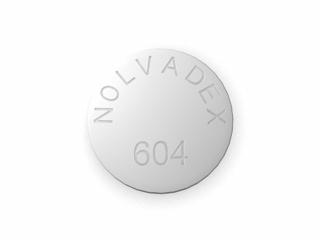

Nolvadex (Tamoxifen) — Patient Guide (UK)
Nolvadex is a well-known medicine containing tamoxifen. It is used in the prevention and treatment of certain hormone-sensitive breast cancers and related conditions. This guide explains how Nolvadex works, how it is typically used in the UK, what to expect, and key safety information.
Important: This information is general and cannot replace advice from a healthcare professional. Always follow the instructions provided with your medicine.
1) Basic product information
- Active ingredient: Tamoxifen
- Brand name: Nolvadex
- Common form: Tablets (strengths vary by product/market)
- Drug class: Selective Estrogen Receptor Modulator (SERM)
- How it works: Blocks oestrogen effects in some tissues (including breast) while acting differently in others
- Medicines status (UK): Prescription-only medicine
2) Mechanism of action (how Nolvadex works)
Tamoxifen belongs to a group called Selective Estrogen Receptor Modulators (SERMs). It acts by binding to oestrogen receptors in the body.
Depending on the tissue, tamoxifen can:
- Reduce tumour growth in hormone-sensitive breast cancer by blocking oestrogen from stimulating cancer cells.
- Modulate oestrogen effects in other tissues (for example, it may partially mimic oestrogen in some protective ways, while blocking it in breast tissue).
- Influence downstream signalling pathways that control cell growth and survival.
Because many breast cancers depend on oestrogen signalling, blocking this pathway can help prevent recurrence or slow disease progression (as appropriate to the specific indication).
3) Pharmacokinetics (absorption, metabolism, and elimination)
Pharmacokinetics describes what the body does to a medicine—how it is absorbed, metabolised, and cleared.
- Absorption: Tamoxifen is absorbed after oral dosing.
- Metabolism: Tamoxifen is extensively metabolised in the liver. A key active metabolite is endoxifen, which contributes substantially to its effects.
- Enzyme involvement: Metabolism involves liver enzymes, including CYP2D6 (among others). Medications that strongly inhibit CYP2D6 can reduce the formation of active metabolites.
- Elimination: Tamoxifen and its metabolites are eliminated primarily via metabolic pathways and excreted in urine and faeces.
- Half-life: Tamoxifen and its metabolites have relatively long half-lives, which means effects can persist after stopping.
Practical implication: If you start or stop another medicine that interacts with tamoxifen metabolism, it may take time for levels to change. Always speak to a healthcare professional before making changes to medicines.
4) Typical use in the UK (what Nolvadex is used for)
Nolvadex is used for specific oestrogen receptor–positive or oestrogen-dependent conditions. The exact use depends on your diagnosis and clinical situation.
Common indications
- Early breast cancer (as part of adjuvant or ongoing therapy to reduce recurrence risk in appropriate patients)
- Ductal carcinoma in situ (DCIS) (to reduce risk of recurrence in selected patients)
- Breast cancer prevention in certain high-risk groups (as advised by clinicians)
- Advanced or metastatic breast cancer (where appropriate)
Because tamoxifen is a hormonal therapy, it is generally most effective for tumours that are oestrogen receptor positive. Treatment plans are individualised.
5) When to take Nolvadex (timing and routine)
Many patients take Nolvadex . Your healthcare professional will advise the exact schedule and duration.
- Try to take it at the same time each day to help you remember.
- You may take it with or without food (see food interactions section below).
- If you miss a dose: take it when you remember on the same day. If it is nearly time for the next dose, skip the missed dose. Do not take two doses together unless advised.
If you need help with adherence (for example, setting reminders), consider using a medication app or daily alarm.
6) Food interactions (what to know)
For most people, food does not significantly alter tamoxifen’s effectiveness.
- Take with or without food as directed.
- Grapefruit: There is no universal advice to avoid grapefruit specifically for tamoxifen, but it can interact with some drug-metabolising enzymes. If you consume grapefruit regularly, discuss with a pharmacist.
- Supplements: Herbal products and high-dose supplements can sometimes affect liver enzymes. Avoid starting supplements without checking first (see interactions with medicines below).
7) Alcohol and medicine interactions
Alcohol
There is no single universal alcohol limit for tamoxifen, but alcohol can worsen certain side effects (such as nausea, dizziness, hot flushes, fatigue) and may affect liver function in excess.
- If you drink alcohol, aim for moderation and stay hydrated.
- Seek medical advice if you have liver disease or experience significant side effects.
Medicine interactions (very important)
Tamoxifen is metabolised in the liver. Some medicines can reduce the formation of active metabolites (especially via CYP2D6), potentially lowering the effectiveness of tamoxifen.
Tell your healthcare professional or pharmacist about all medicines you take, including over-the-counter products.
Common interaction categories include:
- Strong CYP2D6 inhibitors (often antidepressants are included; examples can include certain SSRIs/SNRIs). Discuss options if you are taking antidepressants.
- Other hormonal or cancer medicines (the exact combination is disease-specific).
- Blood thinners/anticoagulants: tamoxifen may increase bleeding risk with some medicines; monitoring may be needed.
- Medicines affecting liver enzymes: may alter tamoxifen levels.
If you are unsure whether a medicine could interact with Nolvadex, ask a pharmacist. It is often possible to choose an alternative that is safer with tamoxifen.
8) Dosing: typical adult regimens
Dose varies by indication and individual circumstances. The most common regimen is:
| Use (general) | Typical dosing pattern | Notes |
|---|---|---|
| Breast cancer treatment/prevention (selected patients) | Often once daily at a clinician-determined dose | Your regimen and duration will be based on tumour type, stage, and risk profile. |
| Advanced disease | Once daily (dose tailored to the situation) | Response may be monitored; treatment may continue for as long as benefit outweighs risk. |
| Switching/combination therapy | May be adjusted when changing treatments | Some patients transition between hormonal options over time. |
Duration: In early breast cancer, tamoxifen is frequently taken for multiple years, but the exact length depends on your treatment plan and clinical guidance.
Always follow your prescribed instructions and do not change the dose yourself.
9) Safety profile: what to watch for
Like all medicines, Nolvadex can cause side effects. Many are manageable, but some symptoms may require urgent medical attention.
Common side effects
- Hot flushes (very common)
- Vaginal dryness or discharge changes
- Irregular periods (more relevant in premenopausal patients)
- Nausea
- Fatigue
- Headache
- Changes in mood (for some people)
- Skin rash in some cases
Serious but less common risks
The risks below are important to know because early action can help reduce harm.
- Blood clots (thromboembolism): Tamoxifen can increase the risk of conditions such as deep vein thrombosis (DVT) or pulmonary embolism (PE).
- Stroke: A small increased risk has been reported.
- Endometrial changes: In some patients, tamoxifen can increase the risk of endometrial hyperplasia and endometrial cancer, particularly in older or postmenopausal patients.
- Ocular effects: Rare visual disturbances may occur (report promptly).
- Liver effects: Rare liver problems have been reported. Persistent abdominal pain or jaundice should be assessed.
Seek urgent medical help if you notice
- Symptoms of a blood clot: swelling, pain, redness in one leg, or breathlessness, chest pain, coughing blood
- Unusual bleeding: vaginal bleeding after menopause, persistent spotting, or heavy bleeding
- Severe headache, weakness, facial drooping, or sudden speech problems (possible stroke symptoms)
- Sudden vision changes or severe eye pain
10) Practical use tips (making treatment easier)
Managing hot flushes
- Wear breathable clothing and keep your environment cool.
- Some patients find avoiding triggers (spicy foods, hot drinks) helps.
- Talk to your healthcare professional about treatment options if hot flushes affect daily life.
Vaginal dryness and comfort
- Use non-hormonal moisturisers or lubricants if recommended.
- Report persistent symptoms such as bleeding or pain promptly.
Reducing nausea
- Try taking the tablet with food if nausea occurs (discuss with your pharmacist if you need personalised advice).
- Stay hydrated and eat small, frequent meals if needed.
Adherence (not missing doses)
- Set a daily reminder on your phone.
- Keep the tablets in a visible place, away from heat and moisture.
- If you miss doses frequently, ask about strategies to improve routine.
Before surgery or periods of immobility
If you are scheduled for surgery or will be immobile (for example, long travel or hospitalisation), discuss your tamoxifen treatment with your clinician. The clot risk may require specific planning.
11) Alternative options
Alternatives depend on your diagnosis, hormone receptor status, menopausal status, stage of disease, and personal medical history.
Common alternatives (examples)
- Other SERMs: In some situations, different SERMs may be considered.
- Oestrogen-lowering therapies: Aromatase inhibitors are often used in postmenopausal patients with hormone receptor–positive disease (chosen by clinicians based on suitability).
- Ovarian suppression (for certain premenopausal patients): may be combined with other hormonal strategies.
- Targeted therapies (if relevant): additional cancer treatments may be used alongside hormonal therapy depending on tumour characteristics.
Do not switch medicines on your own. If you are experiencing side effects or have concerns about interactions, ask a healthcare professional about options that fit your situation.
12) UK market and legal context (important information for patients)
In the United Kingdom, medicines like Nolvadex are regulated by the Medicines and Healthcare products Regulatory Agency (MHRA) and are supplied through authorised channels. For safe use, Nolvadex is generally classified as prescription-only, meaning it is supplied following appropriate clinical assessment.
For patients shopping online, choose a registered, reputable pharmacy that complies with UK medicines supply rules and provides appropriate patient information and support.
13) Recent guidance and clinical considerations
Clinical practice evolves as new evidence emerges. Guidance for hormone receptor–positive breast cancer often includes:
- Individualised selection of hormonal therapy based on tumour biology and patient factors.
- Attention to drug interactions, especially with medicines that affect tamoxifen metabolism (notably CYP2D6 inhibitors).
- Monitoring for side effects, including clot risk and uterine health in relevant populations.
- Shared decision-making to balance benefits and risks.
If you have recently started, stopped, or switched any medicines (including antidepressants or new supplements), review this with your clinician or pharmacist to ensure the safest approach.
14) Delivery and availability (UK online pharmacy)
Availability can vary depending on stock levels and product strength. When ordering online in the UK, your pharmacy should:
- Provide clear product details (strength, form, and quantity)
- Confirm delivery options and estimated dispatch times
- Use secure packaging appropriate for medicines
- Offer support if you have questions about administration or side effects
Delivery times: Many UK pharmacies provide standard and express delivery options. Delivery estimates depend on your location and stock availability.
Storage: Store tablets as directed on the packaging—typically at room temperature, away from heat and moisture, and out of sight of children.
15) FAQ — Nolvadex (Tamoxifen)
1. What is Nolvadex used for?
Nolvadex (tamoxifen) is used for certain hormone-sensitive breast cancer indications, including prevention in selected high-risk situations, and treatment of early, advanced, or metastatic disease, depending on your medical assessment.
2. How long will I need to take it?
Many treatment plans last for years, especially in early breast cancer. The exact duration depends on your diagnosis, menopausal status, and overall treatment strategy.
3. Can I take Nolvadex with food?
Yes. Nolvadex can generally be taken with or without food. If you experience nausea, taking it with food may help.
4. What should I do if I miss a dose?
Take it as soon as you remember on the same day. If it is almost time for your next dose, skip the missed dose. Do not take two doses together.
5. Are there any interactions with antidepressants?
Some antidepressants can interact with tamoxifen metabolism and may reduce its effectiveness. Always tell your pharmacist about all medicines you take, especially antidepressants, so they can advise on the safest options.
6. Does alcohol affect Nolvadex?
Moderate alcohol use is not necessarily prohibited, but alcohol can worsen side effects and excess drinking may harm liver health. If you have liver problems or experience significant side effects, ask for personalised advice.
7. What side effects are most common?
Hot flushes, vaginal dryness or changes, irregular periods (if premenopausal), nausea, fatigue, and headaches are among the more common side effects.
8. When should I seek urgent help?
Seek urgent medical advice if you develop symptoms suggestive of a blood clot (leg swelling/pain or sudden breathlessness/chest pain), unusual vaginal bleeding (especially after menopause), sudden vision changes, or signs of stroke (severe headache, weakness, facial droop, speech problems).
9. Can I drive or operate machinery?
Most people can drive, but tamoxifen may cause side effects such as dizziness or fatigue in some cases. If you feel unwell or drowsy, avoid driving and seek advice.
10. Are there alternatives to Nolvadex?
Yes, depending on your individual situation. Options may include other hormonal treatments (such as aromatase inhibitors for some postmenopausal patients), ovarian suppression strategies for some premenopausal patients, or other cancer treatments as part of a wider plan.
Summary
Nolvadex (tamoxifen) is an oral SERM medicine used in specific hormone-sensitive breast conditions. It works by blocking oestrogen effects in breast tissue, helping to reduce recurrence risk or control disease in appropriate patients. While many side effects are manageable, it is important to be alert to rare but serious risks such as blood clots and uterine changes, and to discuss medicine interactions—particularly with drugs that may affect tamoxifen metabolism.
If you have questions about suitability, side effects, or interactions, speak to a qualified healthcare professional or pharmacist.