

Tasigna (Nilotinib) — Patient Information (United Kingdom)
Tasigna is a prescription medicine used to treat certain blood cancers, including chronic myeloid leukaemia (CML) with specific genetic changes. This guide is written in clear, patient-friendly language to help you understand how Tasigna works, how it is usually taken, and what to consider for day-to-day use in the UK.
Always follow the instructions given by your healthcare team. Information below is general and may not cover every personal situation.
1) Basic product information
| Item | Details |
|---|---|
| Medicine name | Tasigna (Nilotinib) |
| Medicine type | Targeted anticancer therapy (a tyrosine kinase inhibitor) |
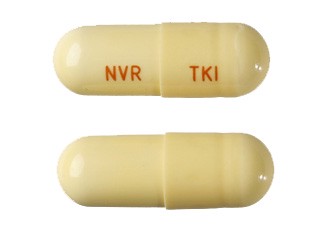
| How it is taken | Oral capsules |
| Typical strength | Commonly available as 50 mg and 150 mg capsules (availability can vary) |
| UK availability | Distributed through UK pharmacy supply chains where licensed |
| Who it is for | Adults (and sometimes selected adolescents depending on local guidance and licensing) |
2) What Tasigna is used for (indications)
Tasigna is used to treat Philadelphia chromosome–positive (Ph+) chronic myeloid leukaemia (CML), in adults, including:
- Newly diagnosed Ph+ chronic-phase CML
- Chronic-phase CML when the disease is resistant or after failure of prior therapy
Your specialist will decide whether Tasigna is appropriate based on your blood counts, genetic test results, treatment history, and monitoring results.
3) Mechanism of action (how it works)
CML is driven by an abnormal protein called BCR-ABL, which signals cells to grow and multiply uncontrollably. In Ph+ CML, the BCR-ABL fusion gene produces a tyrosine kinase that drives the disease.
Nilotinib blocks (inhibits) the BCR-ABL tyrosine kinase. By reducing this signalling, Tasigna helps:
- Control leukaemia cell growth
- Allow blood counts to return toward normal
- Reduce the number of cancer cells over time
- Support long-term disease control for appropriate patients
4) Pharmacokinetics (what the body does to Tasigna)
“Pharmacokinetics” describes how the medicine is absorbed, distributed, broken down, and eliminated. Key points for Tasigna include:
- Absorption: Nilotinib is absorbed after swallowing the capsules. A key safety/efficacy factor is that food—especially certain meals—can significantly increase drug exposure.
- Distribution: Once absorbed, nilotinib travels in the bloodstream and reaches tissues where it can act on target cells.
- Metabolism: Nilotinib is mainly metabolised in the liver, involving enzymes such as CYP3A4.
- Elimination: The medicine and its metabolites are eliminated mainly via the bile/feces pathway.
- Half-life: It has a dosing interval designed to maintain effective exposure while managing safety considerations.
Practical implication: Because nilotinib exposure can vary with food and with interactions affecting CYP3A4, your exact dosing schedule and avoidance of interacting substances are important.
5) Typical dosing schedule and timing
Tasigna dosing depends on your diagnosis (newly diagnosed vs. resistant/refractory), disease phase, and how you respond. Your prescriber will specify the exact dose for you. Common adult regimens are:
- Newly diagnosed Ph+ chronic-phase CML: often 300 mg twice daily
- Other Ph+ chronic-phase CML (resistance/intolerance to prior therapy): often 400 mg twice daily
Important: Dose changes may be made based on blood test results, side effects, heart monitoring, and treatment response milestones. Do not adjust your dose unless your specialist tells you to.
How to take Tasigna
- Swallow capsules whole with water.
- Do not take with food.
- Avoid eating close to your dose (see food section below).
- Try to take doses at roughly the same times each day.
Timing around meals (food interaction guidance)
Food can increase nilotinib absorption, which may raise the risk of side effects. A commonly used rule in clinical practice is:
- Take Tasigna at least 2 hours after food and wait at least 1 hour before eating after the dose.
- Follow the schedule you were given by your oncology team/pharmacist, especially if they provided a stricter plan.
If you miss a dose, follow the instructions from your healthcare team. Do not take double the next dose to make up for a missed one.
6) Food interactions (what to avoid)
The most important food interaction is that Tasigna should be taken on an empty stomach. This is because a meal can substantially increase drug levels.
Practical tips:
- Choose regular meal times so you can plan your capsules around them.
- If you prefer breakfast, consider taking your morning dose after breakfast rather than with it—while keeping the timing rules.
- Avoid changing your diet drastically without telling your clinician, especially if you have weight loss or reduced appetite.
7) Alcohol and medicine interactions
Alcohol
There is no universal rule that all patients must avoid alcohol completely. However, alcohol may:
- Increase strain on the liver (important because nilotinib is metabolised in the liver)
- Worsen nausea or fatigue
- Increase the likelihood of missed doses due to timing problems
If you drink alcohol, consider discussing a personalised approach with your healthcare team—particularly if you have liver issues or abnormal liver function tests.
Medicine interactions (especially CYP3A4-related)
Nilotinib levels can be affected by other medicines that influence CYP3A4. This can lead to:
- Increased nilotinib exposure (higher risk of side effects)
- Reduced nilotinib exposure (possible loss of effectiveness)
Tell your specialist/pharmacist about all medicines and supplements you take, including:
- Medicines for infections (e.g., some antibiotics and antivirals)
- Medicines for heart rhythm or blood pressure
- Medicines for acid reflux (some can affect absorption)
- Anti-fungal medicines
- Herbal products (particularly St John’s wort)
- Over-the-counter products you buy without prescription
General caution: Avoid starting new medicines (including short courses) without checking interactions. Your pharmacist can quickly screen most interactions.
Note: Tasigna also has cardiac safety considerations (see safety section). Medicines that affect heart rhythm or potassium/magnesium levels may be of particular concern.
8) Safety profile and important warnings
Like all medicines, Tasigna can cause side effects. Many are manageable with monitoring and supportive care, but some require prompt medical attention.
Common side effects
- Fatigue
- Nausea
- Headache
- Skin rash
- Diarrhoea or constipation
- Muscle or joint pain
- Low blood counts (anaemia, neutropenia, thrombocytopenia) — often monitored through regular blood tests
Serious or important risks (monitor closely)
Your healthcare team will monitor you closely, often with blood tests and heart assessments. Seek medical advice urgently if you experience symptoms consistent with the conditions below.
- Heart rhythm changes (QT prolongation): Tasigna may affect the heart’s electrical system. Your clinician may perform ECGs and check electrolytes. Symptoms to take seriously include palpitations, dizziness, fainting, or severe light-headedness.
- Cardiovascular effects: There is an increased risk of certain cardiovascular events in some patients. Your doctor may assess risk factors such as previous heart disease, blood pressure, cholesterol, smoking status, and diabetes.
- Metabolic effects: Nilotinib can influence blood sugar and cholesterol in some people.
- Liver effects: Changes in liver enzymes may occur, so liver function tests are monitored.
- Pancreatic effects (rare): Tell your clinician if you develop severe abdominal pain, especially with vomiting.
Who may need extra caution?
- People with a history of QT prolongation or significant heart disease
- People taking other medications that may also affect heart rhythm
- People with low potassium or magnesium levels
- People with liver impairment or raised liver enzymes
When to contact your healthcare team urgently
Contact urgent care/your clinical team if you develop:
- Fainting, severe dizziness, or sudden palpitations
- Chest pain or symptoms suggestive of stroke
- Severe or persistent abdominal pain, especially with fever or vomiting
- Signs of infection (fever, chills) if your blood counts are low
9) Practical use tips (helpful day-to-day guidance)
- Set reminders: Tasigna is usually taken twice daily. Consistent timing helps maintain steady exposure.
- Keep an “empty stomach” routine: Plan meals and snacks around your doses to avoid food-related absorption changes.
- Hydration: Drink water with your capsules. If you experience diarrhoea, maintain fluid intake.
- Blood tests and monitoring: Attend all appointments for ECGs, blood counts, liver tests, lipids, and electrolytes as scheduled.
- Medication list: Keep an up-to-date list (including OTC products and supplements) to review at each appointment.
- Report new symptoms promptly: Early reporting improves the ability to manage side effects.
- Storage: Store capsules according to the package instructions (commonly at room temperature, away from moisture and heat).
10) How to handle missed doses
If you miss a dose, follow the advice provided by your healthcare team or the medicine leaflet. In general, patients should avoid taking extra capsules to “catch up” unless instructed.
If you are unsure, contact your pharmacist for guidance. Having a missed-dose plan can reduce stress during treatment.
11) Alternative options to consider
Treatment choice for CML depends on treatment phase, prior therapy, response goals, and safety considerations. Other medicines in the same therapeutic area (tyrosine kinase inhibitors) may be considered by your specialist, such as:
- Imatinib
- Dasatinib
- Bosutinib
- Ponatinib (for selected cases)
If Tasigna is not suitable due to side effects or interactions, your clinician may recommend switching to another option. Do not switch without specialist guidance, because dosing schedules and food restrictions can differ.
12) Market and legal context for United Kingdom
In the UK, Tasigna is an authorised medicine for the treatment of eligible patients under appropriate clinical pathways. Supply and access occur through the National Health Service and private healthcare, depending on individual circumstances.
Medicines like Tasigna are subject to UK regulatory requirements, including:
- Marketing authorisation and product information approved by the regulatory authority
- Safety monitoring and risk management plans
- Pharmacovigilance reporting for adverse reactions
Your healthcare provider may use national guidelines and specialist recommendations to decide which CML therapy best fits your situation. In the UK, leukaemia management commonly follows pathways developed by specialist centres and professional groups.
13) Recent guidance and monitoring (UK-focused overview)
Clinical practice for CML continues to evolve based on:
- Ongoing safety data
- Advances in molecular monitoring (e.g., BCR-ABL transcript levels)
- Refinements in cardiovascular and metabolic risk management
- Patient-centred adherence support (including managing fasting/timing constraints)
A consistent UK approach is:
- Use molecular response monitoring to guide treatment milestones
- Conduct periodic safety checks, including heart-related monitoring where recommended
- Adjust treatment or supportive medications if side effects occur
Your specialist team will provide the monitoring schedule tailored to your risk factors and response.
14) Delivery and availability in the UK (online pharmacy information)
Availability can vary by capsule strength and stock levels. When ordering online, your supplier will typically process your order through the appropriate UK supply chain and dispatch according to standard delivery windows.
To help ensure smooth delivery:
- Double-check your address and contact details.
- Allow time for packaging and dispatch.
- Store the medicine as soon as it arrives.
If you require a specific strength or pack size, it may be worth checking stock status at the time of order.
15) FAQ — Frequently asked questions
How long does it take Tasigna to work?
Response timelines vary between patients. Some people show improvements in blood counts relatively early, while deeper molecular responses often develop over months with continued treatment and monitoring.
Can I take Tasigna with food?
No. Tasigna should be taken on an empty stomach to avoid increased absorption. Follow the timing instructions given by your healthcare team, typically involving at least a 2-hour gap after eating and at least a 1-hour gap before eating after your dose.
What should I do if I forget a dose?
Follow the missed-dose guidance provided by your healthcare team or the medicine leaflet. If you are unsure, contact your pharmacist for advice.
Are there foods or drinks I should avoid besides meals?
The main issue is meal timing (empty stomach). Drinks are generally fine, but avoid any changes that could alter the timing of your doses or cause you to eat close to taking Tasigna. If you have reflux or digestion issues, ask your pharmacist for tailored advice.
What medicines are most likely to interact with Tasigna?
Many medicines can interact, especially those affecting CYP3A4, as well as medicines that may influence heart rhythm. Provide your pharmacist with a complete list of everything you take (including OTC and herbal products).
Does Tasigna affect the heart?
Tasigna can affect cardiac electrical activity, so ECG and electrolyte monitoring may be recommended. Inform your clinician about any history of heart rhythm problems, and seek urgent help for symptoms like fainting or severe palpitations.
Can I drink alcohol while taking Tasigna?
Light to moderate alcohol may be possible for some people, but it can worsen side effects and may increase liver-related strain. Ask your healthcare team what is safest for you, especially if you have liver problems.
Will I need ongoing blood tests?
Yes. Monitoring typically includes full blood counts and blood chemistry tests (such as liver function and lipids), and may include ECGs and electrolytes. Molecular monitoring for response is also important.
What if I experience side effects?
Many side effects can be managed with supportive care, dose adjustments, or treatment breaks under specialist direction. Contact your healthcare team early so they can guide you safely.
What are my alternatives if I cannot tolerate Tasigna?
Your specialist may consider another tyrosine kinase inhibitor or alternative strategies depending on your disease status and side effect profile. Switching should be guided by your oncology team.
Is Tasigna available in different strengths?
Tasigna is commonly supplied in capsule strengths such as 50 mg and 150 mg, though availability may vary. Your prescription and treatment plan will determine which strength(s) you receive.
Important: This information is for general education and does not replace advice from your healthcare professional. If you have questions about your specific treatment plan, side effects, or interactions, speak to your oncology team or pharmacist.