Xeloda (Capecitabine) — Patient Information (UK)
Xeloda is the brand name of capecitabine, an anti-cancer medicine used to treat certain solid tumours. This page explains how Xeloda works, how it is taken, key safety points, and practical guidance for daily life in the United Kingdom.
Important: Cancer medicines can affect people differently. Always follow the dose and schedule your healthcare team provides, and read the leaflet that comes with your medicine.
1. Basic product information
| Category | Details |
|---|---|
| Medicine | Xeloda (capecitabine) |
| Type | Oral (taken by mouth) anti-cancer medicine |
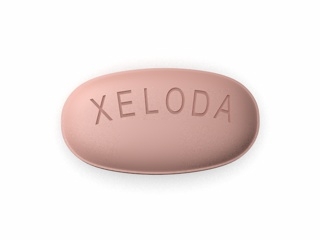
| How it is supplied | Tablets in different strengths (commonly 150 mg and 500 mg) |
| Common dosing pattern | Often taken in cycles with rest days (exact schedule varies by indication) |
| Medicinal purpose | Treats certain cancers, often in combination with other therapies |
2. What Xeloda is and how it works
Capecitabine is a type of chemotherapy called a pyrimidine analogue. It is designed to be converted inside the body into its active form, with increased activity in tumour tissue.
Mechanism of action (step-by-step)
- Capecitabine is absorbed and converted in the body to 5’-deoxy-5-fluorocytidine (5’-DFCR).
- Further conversion produces 5-fluorouracil (5-FU), the active chemotherapy agent.
- 5-FU interferes with cancer cell DNA and RNA production by:
- inhibiting key enzymes needed for making nucleotides (building blocks of DNA), and
- being incorporated into RNA/DNA, disrupting normal cell growth and division.
Why this matters: Cancer cells typically divide more rapidly than most normal cells, so chemotherapy can preferentially affect tumour growth.
3. Pharmacokinetics (how the body handles capecitabine)
Pharmacokinetics describes how a medicine is absorbed, distributed, metabolised, and eliminated.
Absorption and activation
- Capecitabine is absorbed through the gut and then metabolised mainly in the liver and other tissues.
- The conversion to 5-FU involves multiple steps and enzymes that can be more active in tumour tissue.
Distribution and metabolism
- The active metabolite formation results in pharmacological action that targets rapidly dividing cells.
- Metabolism involves sequential enzymatic transformations (including pathways involving liver and tumour-associated enzymes).
Elimination
- Metabolites are primarily eliminated through the kidneys (urine).
- Kidney function can influence how quickly medicines are cleared, which is one reason dose adjustments may be needed if kidney function is reduced.
Clinical implication: Monitoring kidney function and managing side effects early can help maintain safe treatment.
4. Typical use in the UK
Xeloda is used to treat several cancers, often as part of a planned treatment cycle and sometimes in combination with other cancer therapies (for example, surgery, radiation, or other medicines).
Common indications (examples)
- Breast cancer (in certain stages/clinical situations, often with other treatments).
- Colorectal cancer, including advanced or metastatic disease, and in some cases after surgery to help reduce recurrence risk.
- Gastro-oesophageal (upper GI) cancers in selected regimens, depending on tumour type and treatment plan.
Note: The exact use depends on your cancer type, stage, biomarkers (if applicable), and whether you are receiving treatment before or after surgery.
5. How to take Xeloda (timing and routine)
How you take Xeloda depends on your specific treatment plan. Many regimens follow a pattern such as:
- Twice daily dosing (morning and evening), with roughly 12 hours between doses.
- Days on treatment followed by rest days, repeated in cycles.
Always check your schedule: Your clinician will specify your number of days on/off and the strength/number of tablets per dose.
Practical timing tips
- Pick fixed times each day to reduce missed doses.
- Use a calendar, phone reminders, or a pill organiser if helpful.
- Take doses at the same times each day within your cycle.
6. Food interactions (vitally important)
Food can affect the absorption of capecitabine. For most patients, the recommended approach is:
- Take Xeloda within 30 minutes after a meal (for example, breakfast and dinner).
Why this matters: Taking it with food helps ensure more predictable absorption.
What to do if you miss a meal: If you cannot eat at the usual time, contact your healthcare team for advice rather than changing the routine without guidance.
7. Alcohol interactions
There is no universally required “no alcohol” rule for all patients using capecitabine, but alcohol may worsen side effects and affect your ability to eat, stay hydrated, and recover.
- Stomach and gut effects: Alcohol can aggravate nausea, indigestion, or diarrhoea.
- Fatigue and coordination: Alcohol may increase tiredness and reduce safety (e.g., when driving).
- Liver strain: Many cancer patients already experience changes in liver function or take other medicines that can affect the liver.
Practical advice: If you choose to drink, discuss a safe amount with your oncology team. It is often safest to avoid alcohol during periods of active side effects such as nausea, diarrhoea, or mouth sores.
8. Medicine interactions (including common UK considerations)
Many medicines can interact with capecitabine, including both prescribed and over-the-counter products. Always check before starting new medicines (including herbal products and supplements).
Notable interaction categories
- Warfarin and other anticoagulants:
- Capecitabine can affect blood clotting, increasing the risk of bleeding in some patients.
- Frequent blood tests (INR) may be needed if you are taking warfarin.
- Phenytoin:
- May increase risk of toxicity when combined with capecitabine.
- Folinic acid (leucovorin):
- May enhance effects of certain chemotherapy regimens.
- Allopurinol:
- May affect drug metabolism and side effect risk.
- Antacids and other gut-acting medicines:
- May alter absorption and should be discussed with your healthcare team.
- Other cancer treatments:
- Combining chemotherapy and targeted therapies can change toxicity patterns; dosing adjustments are usually built into the regimen.
Reporting side effects and drug changes
- Tell your healthcare team about all medicines you take, including:
- painkillers (especially anti-inflammatories),
- heart medicines,
- diabetes medicines,
- thyroid medicines,
- steroids, and
- supplements and herbal products.
Do not stop anticoagulants or other long-term medicines without clinician advice.
9. Indications, dosing approach, and what “dose” means
Capecitabine dosing is individualised. Your dose may depend on:
- Body surface area (BSA), calculated from height and weight
- Kidney function
- Age and overall health
- Planned combination treatments
- Previous side effects and how well you tolerated earlier cycles
How dosing is usually expressed
- Doctors often specify a mg/m² dose.
- You then receive a practical number of tablets in a specific strength to match that calculation.
Example dosing pattern (common)
Many colorectal and related regimens use a schedule such as:
- Twice daily on days 1–14, followed by a rest period (commonly days 15–21), repeating in cycles.
However: Different indications and combinations can use different cycle structures (for example, different lengths of on/off treatment). Always follow your personal timetable.
10. Dose adjustments and what to do if side effects occur
It is common for clinicians to adjust treatment if side effects develop. Adjustments may include:
- Delaying a dose until side effects improve
- Reducing tablet numbers in subsequent cycles
- Stopping temporarily or permanently in serious toxicity
Do not self-adjust: If you experience symptoms such as diarrhoea, fever, severe fatigue, rash, or hand-foot syndrome, contact your oncology team promptly. They can guide whether treatment should be held, reduced, or supported.
11. Safety profile: common and serious side effects
Like all medicines, Xeloda can cause side effects. Many are manageable with early action and supportive care, but some require urgent medical attention.
Common side effects
- Diarrhoea or loose stools
- Nausea and vomiting
- Loss of appetite
- Mouth sores (stomatitis)
- Tiredness and weakness
- Skin changes, including rash or dry skin
- Hand-foot syndrome (palmar-plantar erythrodysesthesia): redness, swelling, pain, or peeling of palms/soles
- Abnormal blood tests (for example, low white cells, low platelets, or changes in liver enzymes)
Serious side effects — seek urgent help
Contact emergency services or your oncology service immediately if you develop:
- Fever (for example, a high temperature) or signs of infection
- Severe diarrhoea (especially if it leads to dehydration)
- Severe mouth ulcers preventing drinking or eating
- Breathing difficulties, chest pain, or severe allergic-type symptoms
- Uncontrolled bleeding or unusual bruising
- Severe skin reactions (blistering, peeling, widespread rash)
Why urgency is important: Early management can reduce the risk of complications such as dehydration or infection.
12. Practical use tips (day-to-day guidance)
Handling tablets safely
- Handle tablets carefully and keep them in their original packaging.
- Keep out of the reach of children.
- If tablets are broken or crushed, avoid direct contact with skin and seek pharmacy guidance.
Managing hand-foot syndrome (HFS)
- Moisturise regularly (using recommended, fragrance-free products).
- Avoid tight shoes, prolonged heat exposure (hot baths/showers), and friction where possible.
- Report early redness or pain in palms/soles; treatment may be paused or reduced depending on severity.
Reducing diarrhoea risk
- Maintain hydration (small frequent sips can help if your stomach is unsettled).
- Your team may recommend anti-diarrhoea medicines—use only as advised.
- Avoid very spicy foods, alcohol, and large greasy meals if they trigger symptoms.
Nutrition and mouth care
- Choose soft foods if mouth sores occur.
- Good oral hygiene can help; your clinical team may suggest specific mouthwashes.
- Report painful swallowing or inability to keep fluids down.
Monitoring during treatment
- Attend scheduled blood tests and clinic visits.
- Report new symptoms early—don’t wait until the next appointment.
13. Who should be especially cautious?
Discuss the suitability and monitoring plan with your healthcare team if you have:
- Reduced kidney function (dose adjustments are often needed)
- Liver impairment or liver test abnormalities
- History of severe chemotherapy toxicity
- Significant diarrhoea risk or bowel conditions that may worsen with treatment
- Other major medical conditions that may increase vulnerability to infection or dehydration
14. Alternative options to consider
“Alternative” depends heavily on the cancer type, stage, and your prior treatments. Options that your oncologist may consider (depending on your situation) include:
- Other chemotherapy agents with similar therapeutic roles
- Different oral fluoropyrimidines used in some regimens (choice depends on clinical guidance)
- Targeted therapies when relevant biomarkers are present
- Immunotherapy in selected cancers and stages
- Surgery and radiotherapy for appropriate early-stage or localised disease
Your oncology team can explain which alternatives are suitable and how their side effect profiles compare.
15. Market and legal context for the United Kingdom
In the UK, medicines such as Xeloda are regulated by the Medicines and Healthcare products Regulatory Agency (MHRA) and are used under guidance from national and regional healthcare services.
Access to cancer medicines is typically managed through the NHS using established pathways, including:
- Specialist oncology assessment
- Formal treatment planning (including dose, cycle length, and supportive care)
- Medicines may be supplied through hospital pharmacy services and associated dispensing channels.
Because cancer therapy involves careful dosing and monitoring, safe and appropriate supply is a key priority within UK healthcare practice.
Recent guidance (general themes)
- Earlier recognition of toxicity (prompt management of diarrhoea and hand-foot syndrome)
- Cycle-by-cycle monitoring via blood tests and clinical review
- Individualised supportive medicines (anti-nausea measures, hydration strategies, and other symptom control)
Note: Guidance details can vary by cancer type and regimen. Your specialist team will follow the most up-to-date local protocol.
16. Delivery and availability (UK online pharmacy context)
Availability of Xeloda in the UK can vary by tablet strength and packaging. If ordered through an online pharmacy, delivery timelines depend on stock status and courier service.
- Check stock and strengths before completing an order (for example, 150 mg and 500 mg).
- Allow time for processing and dispatch, especially if starting a new cycle.
- Keep medicines in their original packaging and store according to the leaflet instructions (typically at room temperature away from excessive heat and moisture).
If your treatment schedule is time-critical, consider ordering early and checking delivery options.
17. FAQ
1) What is Xeloda used for?
Xeloda (capecitabine) is used to treat certain cancers, commonly colorectal and other solid tumours. It may be used as part of combination treatment and may be given before or after surgery depending on the regimen.
2) How many times a day do I take it?
Many regimens use twice daily dosing. Your personalised schedule may differ depending on the cancer type and combination therapies.
3) Should I take Xeloda with food?
In most cases, Xeloda should be taken within 30 minutes after a meal. This helps improve absorption.
4) What is hand-foot syndrome and what should I do?
Hand-foot syndrome is a common side effect that affects palms and soles, causing redness, swelling, pain, or peeling. Contact your healthcare team early if symptoms start. Treatment may be held or reduced depending on severity.
5) What if I miss a dose?
Because schedules are specific and missing doses can affect treatment, contact your healthcare team or pharmacist for advice. Avoid taking extra doses without guidance.
6) Can I drink alcohol during treatment?
Alcohol is not universally prohibited, but it may worsen side effects like nausea, diarrhoea, dehydration, and fatigue. Discuss a safe approach with your oncology team.
7) Are there medicines I must avoid?
Certain medicines can interact with capecitabine (for example, warfarin and some anti-epileptic medicines). Tell your pharmacist and oncology team about all medicines and supplements you take.
8) How will my safety be monitored?
Monitoring usually includes regular blood tests (to check blood cell counts and organ function) and clinical assessments. Report symptoms early so your team can adjust treatment if needed.
9) Is Xeloda safe in kidney problems?
Reduced kidney function can increase exposure to capecitabine metabolites. Your dose and monitoring plan may need adjustment. Discuss kidney function results with your clinician.
10) What are the warning signs that mean I should get urgent help?
Seek urgent medical advice for fever or signs of infection, severe or persistent diarrhoea, severe mouth ulcers, breathing problems, uncontrolled bleeding, or severe skin reactions.
Summary: Xeloda (capecitabine) is an oral chemotherapy medicine converted in the body to 5-fluorouracil. It is used for specific cancers and taken in timed cycles, typically twice daily after meals. Its safety depends heavily on early recognition of side effects and appropriate monitoring, including blood tests and symptom checks.