

Hydroxyurea (Hydroxyurea Capsules/Tablets) — Patient Information (UK)
Hydroxyurea is a medicine used to treat several serious blood disorders and certain cancers. It works by slowing down the growth of rapidly dividing cells, which can help reduce abnormal blood cell counts and complications.
This page explains how hydroxyurea works, how it is used, what to expect, and important safety information for people in the United Kingdom.
Basic product information
- Active ingredient: Hydroxyurea
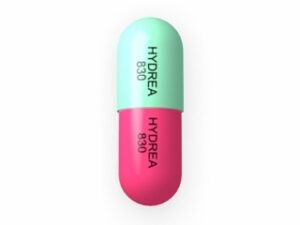
- Medicinal forms: Capsules or tablets (brand and strengths vary by manufacturer)
- Common uses: Myeloproliferative neoplasms (including polycythaemia vera and essential thrombocythaemia), chronic myeloid disorders where appropriate, and some cancer indications depending on the clinical situation
- How it is taken: Usually by mouth, once or more times daily depending on the condition
- What to expect: Blood counts are monitored regularly; benefits may take weeks
Important: Hydroxyurea should be used under specialist supervision. Your dose and monitoring schedule may differ depending on your blood counts, kidney function, and other medicines.
How hydroxyurea works (mechanism of action)
Hydroxyurea is a “cell cycle” medicine. It primarily acts by:
- Inhibiting ribonucleotide reductase, an enzyme needed for DNA building blocks.
- Reducing DNA synthesis in rapidly dividing cells, which slows proliferation.
- Helping lower abnormal blood cell production in certain marrow (bone marrow) conditions.
In blood disorders such as polycythaemia vera and essential thrombocythaemia, hydroxyurea helps to reduce the risk of complications related to high blood counts (for example, clotting or bleeding). In cancer-related uses, it can reduce the ability of tumour cells to multiply.
Pharmacokinetics (how the body handles it)
While individual results vary, hydroxyurea typically follows these general patterns:
- Absorption: Hydroxyurea is absorbed after oral dosing. Taking it consistently helps maintain steady exposure.
- Distribution: It spreads throughout the body, including into tissues where rapidly dividing cells are present.
- Metabolism: Hydroxyurea is metabolised to a limited number of products.
- Elimination: The medicine is eliminated mainly via the kidneys.
- Half-life: It has a relatively short-to-moderate half-life, which is one reason daily dosing regimens are common.
Kidney function matters: Because elimination is partly through the kidneys, reduced kidney function may require dose adjustments and closer blood monitoring.
Typical uses and indications (what conditions it may treat)
Hydroxyurea is used for a range of indications. In the UK, common uses include:
- Myeloproliferative neoplasms (MPNs):
- Polycythaemia vera (PV) — to help control blood counts and reduce risk of complications.
- Essential thrombocythaemia (ET) — to help reduce high platelet counts and lower thrombotic risk in selected patients.
- Some other myeloid disorders — depending on specialist assessment and local guidance.
- Certain cancers — in combination with other treatments or in specific patient groups, depending on the treatment plan.
Not every patient with these conditions needs hydroxyurea. Decisions depend on risk factors, blood counts, prior treatments, age, tolerance, comorbidities, and clinician judgement.
How and when to take hydroxyurea (timing and routine)
Follow your dosing instructions carefully. Hydroxyurea regimens can differ depending on the condition, blood count targets, and tolerability.
General timing guidance
- Take at the same time(s) each day to maintain consistency.
- If prescribed once daily, choose a daily time you can keep reliably.
- If prescribed more than once daily, space doses evenly as directed.
- Swallow capsules/tablets whole unless your prescriber or pharmacist has advised otherwise.
When you should expect effects
- It may take several weeks for blood counts to stabilise.
- You will have regular blood tests to adjust dose and reduce side effects.
Missed dose
If you miss a dose, do not double up unless your clinician or pharmacist has instructed you to. Contact a healthcare professional or your pharmacist for advice based on your dosing schedule.
Food interactions and what to eat
For most patients, hydroxyurea can be taken with or without food. However, your personal instructions may vary depending on your formulation and how you feel.
- Take consistently (either always with food or always on an empty stomach) if you experience nausea or stomach upset.
- If hydroxyurea causes indigestion or nausea, taking it after a light meal may help.
Tip: If you are unsure how to take your specific product, ask a pharmacist. They can advise based on the exact capsule/tablet formulation.
Alcohol and medicine interactions
Alcohol
There is no single universal rule for every person, but alcohol may increase the risk of stomach irritation and may worsen fatigue or other side effects that people sometimes experience with hydroxyurea.
- Best practice: Keep alcohol intake low and discuss your pattern of drinking with your clinician.
- Avoid heavy drinking and stop if you notice worsening side effects.
Medicine interactions (commonly relevant)
Hydroxyurea can interact with other medicines, sometimes increasing the risk of side effects such as bone marrow suppression (reduced blood cell production) or infections.
Tell your healthcare team about all medicines you take, including:
- Other cancer treatments or medicines that affect the immune system
- Radiotherapy (if in progress or planned)
- Immunosuppressants
- Medicines that may affect kidney function
- Warfarin or other anticoagulants (blood thickness changes are important in clotting/bleeding disorders)
- Vaccines — especially live vaccines (see safety section)
Important: Some interactions are situation-specific. Your prescriber/pharmacist can check interactions based on your full list of medicines and recent blood test results.
Dosing (typical approach in the UK)
Dose is individual. Hydroxyurea dosing depends on your condition and your blood count targets. Your clinician may adjust dose based on test results and side effects.
General dosing principles
- Start low and adjust carefully in response to blood counts.
- During the initial phase, blood tests are usually more frequent.
- Some patients require dose reduction due to low white cells, low platelets, anaemia, or persistent side effects.
- Kidney impairment may require dose changes.
What the “number” you see means
Hydroxyurea is dispensed in measured strengths (for example, common capsule strengths vary by product). You may be prescribed a daily dose that can change over time.
Never change your dose without discussing it with your specialist or pharmacist. Doing so may increase risks such as severe bone marrow suppression or loss of disease control.
Safety profile: side effects and when to seek help
Like all medicines, hydroxyurea can cause side effects. The most important risks are related to effects on the bone marrow and immune system.
Common side effects
- Low blood counts (anaemia, low white cells, low platelets) — monitored with blood tests
- Fatigue
- Nausea, indigestion, or loss of appetite
- Stomach discomfort
- Skin changes (including dryness or rash)
- Oral ulcers or mouth soreness (sometimes called stomatitis)
Serious side effects — seek urgent medical advice if
- Signs of infection (fever, chills, sore throat, persistent cough, burning when passing urine)
- Unusual bruising or bleeding (nosebleeds, bleeding gums, black/tarry stools)
- Severe or worsening tiredness or breathlessness (possible significant anaemia)
- Severe mouth sores or inability to eat/drink
- Allergic reaction symptoms (swelling of face/lips, difficulty breathing, widespread rash)
Call your healthcare team promptly if you have any concerning symptoms. Do not wait for routine appointments.
Long-term considerations
Hydroxyurea has been used for many years. In some long-term settings, clinicians monitor for skin and other rare effects. Protecting skin from excessive sun exposure is generally recommended for anyone taking hydroxyurea.
Vaccines and infection risk
Because hydroxyurea can affect blood and immune cells, certain vaccines may not be appropriate. In particular:
- Avoid live vaccines unless specifically advised by your clinician.
- Ask your pharmacist/GP about which vaccines are suitable for you.
Practical use tips (how to take hydroxyurea safely at home)
- Attend blood test appointments and keep a record of results if you are asked to track trends.
- Use careful handling:
- If capsules are damaged or powder is exposed, avoid touching it directly.
- Wash hands after handling and follow instructions from your pharmacist.
- Maintain good oral care:
- Use a gentle toothbrush and consider alcohol-free mouth rinse if recommended.
- Report mouth ulcers early; early treatment can reduce complications.
- Hydration and diet: Drink fluids regularly and eat small, manageable meals if nausea occurs.
- Skin protection: Use sunscreen and protective clothing outdoors; avoid prolonged sun exposure.
- Track side effects: Note new symptoms (fatigue, mouth sores, infections, bruising) and share them with your healthcare team.
Alternative options (discuss with your specialist)
Alternative treatment depends on the specific diagnosis and your risk profile. Your clinician may consider options such as:
- For polycythaemia vera / essential thrombocythaemia:
- Medicines such as interferon-based therapies in selected patients
- Other cytoreductive agents depending on availability and suitability
- Supportive care focused on symptom control and reducing clot risk
- Supportive measures: Managing cardiovascular risk factors, symptom control, and using other medicines (for example, those that reduce clotting risk) as appropriate for your condition
Do not stop or switch hydroxyurea without clinical advice. Changes should be planned based on blood counts and treatment response.
Market and legal context in the United Kingdom (UK overview)
In the UK, hydroxyurea is a well-established medicine used in haematology and oncology settings. Medicines in this category are managed through the NHS and private healthcare pathways depending on patient needs.
- Medicines governance: In the UK, medicines are regulated under medicines legislation and authorised products must meet standards for quality, safety, and efficacy.
- Clinical monitoring: Hydroxyurea typically requires regular blood monitoring, which is part of standard UK clinical practice for the conditions it treats.
- Supply and availability: Availability can vary by strength, formulation, and supplier, and shortages can occur occasionally.
Recent guidance: For myeloproliferative neoplasms, UK haematology practice follows internationally aligned evidence and specialist guidance, with treatment choices influenced by risk categories, tolerability, and patient-specific factors. Monitoring and dose adjustment remain key themes in contemporary recommendations.
Delivery and availability (online pharmacy information)
When ordering hydroxyurea online in the UK, availability can depend on stock levels for your required strength and pack size. For safe dispatch:
- Orders are typically processed on business days.
- Delivery time depends on the selected shipping method and local service availability.
- If stock is temporarily unavailable, the pharmacy may offer an alternative pack size or advise on restocking timelines.
Always check the exact medicine name and strength on the label you receive.
FAQ — Frequently asked questions
1) What is hydroxyurea used for?
Hydroxyurea is used for specific blood disorders (commonly myeloproliferative neoplasms such as polycythaemia vera and essential thrombocythaemia) and for certain cancer indications, depending on your clinical situation.
2) How long does it take to work?
Many patients see changes in blood counts over weeks. Your doctor will adjust dose based on regular blood tests to reach target counts safely.
3) Why do I need frequent blood tests?
Hydroxyurea can reduce the production of blood cells in the bone marrow. Blood tests help detect low white cells, low platelets, or anaemia early so dose adjustments can be made.
4) Can I take hydroxyurea with food?
For many patients, it can be taken with or without food. If you experience stomach upset, taking it with a light meal may help. Follow the instructions given with your specific product.
5) What should I do if I miss a dose?
Don’t double the dose unless told to do so. Contact your pharmacist or healthcare team for advice tailored to your schedule.
6) Are there any alcohol restrictions?
Moderation is advised. Alcohol can worsen side effects like nausea or fatigue. If you drink regularly or notice symptoms after alcohol, discuss it with your clinician.
7) Can I take other medicines while using hydroxyurea?
Some medicines may interact or increase side effects. Provide a full list of all medicines, including over-the-counter products and supplements, to your pharmacist so they can check for interactions.
8) Is hydroxyurea safe for everyone?
No. Hydroxyurea requires careful selection and monitoring. Your prescriber will consider your blood counts, kidney function, other illnesses, and risk factors before and during treatment.
9) What are warning signs that mean I should contact a doctor urgently?
Seek urgent advice for fever or suspected infection, unusual bruising/bleeding, severe mouth sores, or severe breathlessness/fatigue that seems out of proportion.
10) What skin and mouth care should I use?
Use sunscreen and avoid prolonged sun exposure. If you develop mouth ulcers or soreness, report it early—mouth care and early treatment can reduce complications.
11) Are there alternatives to hydroxyurea?
Yes, depending on the condition and risk group. Your specialist may discuss other treatments such as interferon-based options or different cytoreductive therapies, along with supportive measures.
12) How should I store hydroxyurea?
Store it according to the instructions on the packaging (commonly at room temperature and away from moisture and excessive heat). Keep out of the sight and reach of children.
Summary
Hydroxyurea is an oral medicine that helps manage certain serious blood disorders and some cancer indications by slowing down the growth of rapidly dividing cells. Because it can affect bone marrow function, regular blood testing and careful monitoring are essential. If you experience symptoms such as infection, unusual bleeding, or severe mouth sores, contact a healthcare professional promptly. With correct dosing and monitoring, hydroxyurea can be an important option for long-term disease control.
| Topic | What patients commonly need to know |
|---|---|
| Primary action | Slows DNA synthesis in rapidly dividing cells, helping reduce abnormal cell production |
| Monitoring | Regular blood tests to check white cells, platelets, and anaemia |
| When it helps | Often takes weeks for blood counts to stabilise |
| Food | Usually can be taken with or without food; keep a consistent routine |
| Alcohol | Moderation advised; discuss if you drink regularly or have side effects |
| Key risks | Low blood counts, infection risk, bleeding/bruising, mouth ulcers |
| When to seek help | Fever/infection signs, unusual bleeding, severe mouth sores, severe breathlessness |
This information is for general guidance and does not replace personalised medical advice.