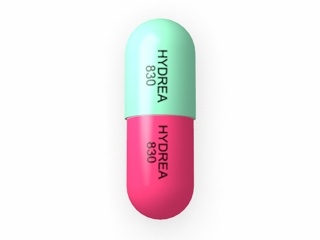


Hydrea (Hydroxyurea) — Patient-Friendly Guide
Hydrea contains hydroxyurea, a medicine used to treat certain blood disorders and cancers. This guide explains how Hydroxyurea works, what it’s used for, how it’s taken, what to expect, and important safety information. It is written for people in the United Kingdom (UK) using an online pharmacy service.
1) Basic Product Information
- Medicinal ingredient: Hydroxyurea
- Brand name: Hydrea
- Medicine type: Cytotoxic (anti-cancer) and anti-metabolic agent; also used in some non-cancer blood conditions
- Common dosage forms: Capsules (strengths vary by product)
- Who it may be suitable for: Adults for specific diagnoses under specialist care
- Monitoring: Regular blood tests and medical review are essential
Hydrea is a medicine that affects how quickly and how effectively cells multiply. Because of this, it requires close monitoring to balance benefits and side effects.
2) How Hydrea Works (Mechanism of Action)
Hydroxyurea works mainly by interfering with cell growth. It helps reduce the production of new DNA in rapidly dividing cells. Specifically, it:
- Inhibits ribonucleotide reductase, an enzyme needed to build DNA building blocks.
- Reduces DNA synthesis, slowing the growth of certain abnormal blood cells or cancer cells.
- Helps control blood counts in conditions where the bone marrow produces too many blood cells.
In practice, it often takes time for blood levels to stabilise, because changes depend on the lifespan of blood cells and the response of the bone marrow.
3) Pharmacokinetics — What the Body Does With It
“Pharmacokinetics” describes how a medicine is absorbed, distributed, metabolised, and eliminated. For hydroxyurea, key points include:
- Absorption: Absorbed after oral dosing, with variability between individuals.
- Distribution: It spreads through body tissues, including bone marrow where blood cell production occurs.
- Metabolism: Metabolised mainly in the liver and partly through non-enzymatic pathways.
- Elimination: Excreted mainly by the kidneys (urine).
- Half-life: Often quoted as around several hours, but clinical effect and blood count changes depend on bone marrow activity.
Because elimination involves the kidneys, doctors may adjust dosing or monitor more closely in people with impaired kidney function.
4) Typical Uses (Indications) in the UK
Hydrea is used for specific conditions. Common indications include:
-
Myeloproliferative neoplasms such as:
- Essential thrombocythaemia (in adults at higher risk)
- Polycythaemia vera (in certain adult patients, often when phlebotomy and other measures are not sufficient)
- Chronic myeloid disorders in selected cases, depending on specialist assessment.
- Certain cancers where hydroxyurea has a role, for example in combination regimens or when used as cytotoxic therapy.
Exact suitability depends on diagnosis, overall health, blood results, other treatments, and individual risk factors. Your specialist will explain why Hydrea is recommended for your situation.
5) Timing: When to Take Hydrea and How Long It Takes to Work
How and when Hydrea is taken is usually based on a personalised dosing plan. Many people take it once daily or as directed by their clinician. Some regimens use alternative schedules to reduce toxicity.
What to expect
- Early response: Blood count improvements may start within days to weeks, but full stabilisation may take longer.
- Dose adjustments: Doses are often adjusted according to blood test results.
- Ongoing monitoring: Regular full blood counts are commonly required during treatment.
Practical advice on timing
- Take at the same time(s) each day to keep blood levels consistent.
- Try to take it consistently with regard to meals (see food and interactions below).
- If you miss a dose: Follow the instructions provided by your healthcare team or medicine label. In general, do not double up to make up for a missed dose unless advised.
6) Food Interactions — Can You Take Hydrea With Meals?
Hydroxyurea can be taken with or without food for most people, but consistency is important. If your clinician or pharmacist advises a specific approach, follow that guidance.
- Best practice: Take Hydrea the same way each day (either always with food or always on an empty stomach).
- Stomach comfort: If you find it upsets your stomach, taking it with food may help (confirm with your clinician/pharmacist).
Always check the information leaflet supplied with your specific pack for the most accurate instructions for that formulation.
7) Alcohol and Medicine Interactions
Alcohol may increase side effects for some people, including tiredness and irritation of the stomach. It may also affect how safe it is to continue treatment if liver function is stressed or if you have low blood counts.
Alcohol
- General advice: Keep alcohol to a minimum or avoid alcohol unless your clinician says it is safe.
- Seek advice: If you drink regularly, have liver disease, or notice unusual bruising, bleeding, severe fatigue, or jaundice.
Medicine interactions (examples)
Hydrea can interact with other medicines by affecting bone marrow function, kidneys, or metabolism. Tell your doctor/pharmacist about all medicines you take, including over-the-counter products and supplements.
- Other medicines that affect the bone marrow (e.g., some chemotherapies or immunosuppressants) may increase risk of low blood counts.
- Medicines that increase bleeding risk (e.g., anticoagulants/antiplatelets) may require closer monitoring if your platelets drop.
- Renally cleared medicines may need caution if kidney function is reduced.
- Live vaccines: if your immune system is affected, live vaccines may be unsuitable. Ask your healthcare team for advice before vaccination.
This is not an exhaustive list. Your pharmacist can check interactions based on your complete medication list.
8) Dosing — How Hydrea Is Usually Prescribed
Dosing depends on the indication, your blood counts, kidney function, and how well you tolerate treatment. It is tailored and may change over time based on results.
Common dosing principles
- Start low, adjust based on blood tests: Your clinician may start at a dose and then adjust to achieve safe target blood counts.
- Temporary interruptions: Treatment may be held if blood counts become too low or if side effects occur.
- Kidney impairment: Dose reductions may be needed depending on kidney function.
- Older age: The same dose may not be appropriate; clinicians may monitor more carefully.
For safety reasons, the exact dose is not provided here without your individual regimen details. Always follow the dosage instructions on your pack and the plan given by your specialist.
Table: Dosing and monitoring overview
| Topic | What typically happens |
|---|---|
| Starting dose | Individualised based on diagnosis, blood counts, age, and kidney function. |
| Routine monitoring | Regular full blood counts (FBC) and sometimes kidney/liver tests. |
| Dose changes | Adjusted up/down depending on response and tolerability. |
| Treatment pauses | May be stopped temporarily if counts fall too low or side effects occur. |
| Long-term plan | Continued monitoring to maintain safe and effective control. |
9) Safety Profile — Risks, Side Effects, and When to Get Help
Hydroxyurea can cause side effects. Some are mild, but others may be serious—particularly those related to reduced blood cell counts. Close monitoring helps reduce the risk.
Common side effects
- Low blood counts (neutropenia, anaemia, thrombocytopenia): may cause tiredness, infections, or easy bruising/bleeding.
- Gastrointestinal effects: nausea, vomiting, loss of appetite, stomach discomfort, constipation or diarrhoea.
- Mouth sores (oral ulcers/stomatitis).
- Skin effects: rash, redness, dryness, or nail changes.
- Hair thinning (less common, but can occur).
- Tiredness or weakness.
Serious side effects — seek urgent medical advice
Contact urgent medical services or your healthcare team promptly if you experience:
- Signs of infection: fever, chills, sore throat, or persistent cough.
- Unusual bleeding: nosebleeds that won’t stop, bleeding gums, black/tarry stools, or blood in urine.
- Severe or worsening bruising.
- Severe mouth ulcers or inability to eat/drink.
- Shortness of breath, severe fatigue, or symptoms of severe anaemia.
- Allergic reaction: swelling of face/lips, difficulty breathing, widespread rash with hives.
Long-term considerations
With prolonged exposure, some people may experience skin changes and other cumulative effects. Your clinician may ask about skin symptoms and may conduct regular reviews.
10) Practical Use Tips
Handling and storage
- Keep out of the sight and reach of children.
- Store as directed on the packaging (commonly at room temperature, away from heat and moisture).
- Do not open capsules unless your healthcare team instructs you to—follow the product instructions. If the capsule contents come into contact with skin, rinse immediately and seek advice.
During treatment
- Attend blood test appointments—they are essential for safe dosing.
- Keep a symptom diary (e.g., mouth sores, bruising, infections, fatigue) to help clinicians adjust treatment promptly.
- Good oral care: gentle brushing, regular dental hygiene, and reporting mouth pain early.
- Hydration: drink fluids as advised, especially if you experience nausea or diarrhoea.
- Report new medications: including herbal products and supplements.
Fertility and family planning
Hydroxyurea may affect reproduction. If you are planning a family or concerned about fertility, discuss options early with your clinician. In general, pregnancy should be avoided during treatment, and effective contraception is typically required for people of reproductive potential.
11) Alternative Options
The best alternative depends entirely on the underlying condition being treated. In conditions such as essential thrombocythaemia or polycythaemia vera, clinicians may consider options such as:
- Other cytoreductive medicines (selection varies by diagnosis and risk profile).
- Phlebotomy (where applicable), particularly for polycythaemia vera.
- Interferon-based therapies in some patients.
- Supportive therapy and symptom control strategies tailored to your risk.
For cancer indications, alternatives vary widely and may include other chemotherapies, targeted therapies, radiotherapy, and supportive measures. Always discuss risks and benefits with a specialist.
12) UK Market/Legal Context and Recent Guidance
In the UK, hydroxyurea is a well-established medicine used by specialist services for appropriate indications. Prescribing and supply are governed by the Medicines and Healthcare products Regulatory Agency (MHRA) and national clinical guidance.
Recent trends and monitoring expectations
- Ongoing blood count monitoring: Clinical practice continues to emphasise regular full blood counts and timely dose adjustments.
- Safety awareness: Greater focus on early recognition of infections, bleeding, and mouth ulcers.
- Patient education: Encouraging patients to understand adherence, missed-dose handling, and when to seek help.
- Quality of care: Ongoing efforts across the NHS to support safe medicines use and reduce medication errors.
Availability and prescribing arrangements can vary between providers. Your pharmacy can confirm product availability and expected delivery times.
13) Delivery and Availability (UK Online Pharmacy)
Availability of Hydrea can vary depending on stock levels, strength, and prescribing requirements. When supplied via an online pharmacy service in the UK:
- Dispatch: Orders are typically dispatched on working days, subject to stock availability.
- Delivery times: Delivery time depends on your location and courier service.
- Packaging: Medicines are packed to protect stability and prevent damage.
- Stock alerts: If a strength is temporarily unavailable, your pharmacy may contact you about alternatives or restocking dates.
After placing your order, you’ll usually receive tracking information where available.
14) FAQ
Is Hydrea the same as hydroxyurea?
Yes. Hydrea is the brand name for hydroxyurea.
How quickly will my blood counts improve?
Response varies. Some people may see improvements within weeks, but it often takes longer for stable control. Your clinician will adjust dose based on your blood test results.
What blood tests are usually monitored?
Typically a full blood count (FBC) is monitored regularly to assess red cells, white cells, and platelets. Kidney (and sometimes liver) tests may also be checked.
Can I take Hydrea with food?
Often yes. The safest approach is to take it consistently in relation to meals (either with food or without food) unless your clinician advises otherwise.
What should I do if I miss a dose?
Follow the instructions from your medicine label or healthcare team. In general, do not take a double dose unless specifically told to.
Can I drink alcohol while taking Hydrea?
It’s best to keep alcohol to a minimum. Alcohol can increase side effects and may be risky if your liver function is affected or if you are prone to infections or bleeding. Ask your clinician for personalised guidance.
Are there any medicines I should avoid?
Hydrea can interact with other medicines, especially those affecting bone marrow function or bleeding risk. Always tell your pharmacist about all medicines and supplements you take.
When should I contact my doctor urgently?
Contact urgent medical help or your healthcare team promptly if you develop fever or signs of infection, unusual bleeding or bruising, severe mouth ulcers, or symptoms of severe breathlessness or significant worsening fatigue.
Can Hydrea be used in pregnancy or breastfeeding?
Hydroxyurea may be harmful to an unborn baby and may affect fertility. People who could become pregnant are usually advised to use effective contraception during treatment. Discuss pregnancy or breastfeeding plans with your clinician urgently for tailored advice.
Are there alternatives to Hydrea?
Yes, depending on your diagnosis. Alternatives may include other medicines or supportive approaches. Your specialist can advise the most appropriate option for your specific situation.
15) Summary
Hydrea (hydroxyurea) is a medicine used to control certain blood disorders and cancers by slowing cell DNA production. Because it can reduce blood counts and affect rapidly dividing cells, it requires careful dosing and ongoing monitoring with regular blood tests. Take it consistently as directed, report side effects promptly, and seek medical advice urgently for signs of infection or bleeding.