Bicalutamide (UK) – Patient-Friendly Medicine Information
Bicalutamide is a medicine used mainly for the treatment of certain hormone-related cancers. This page explains how it works, how it is usually taken, what to expect, and important safety information. It is written for patients and carers in the United Kingdom.
Note: Always follow the instructions provided by your healthcare team. Individual treatment plans can vary based on cancer type, stage, and other medicines you are taking.
Basic product information
- Active ingredient: Bicalutamide
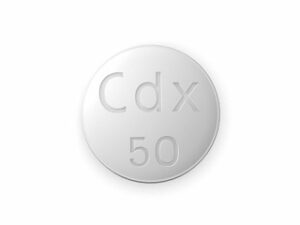
- Common form: Tablets (strengths commonly include 50 mg and sometimes 150 mg depending on brand/product)
- Medicine class: Anti-androgen
- How it works: Blocks androgen (male hormone) activity in the body
- Typical availability in the UK: Distributed through licensed supply routes and pharmacy dispensing systems
Mechanism of action
Bicalutamide belongs to a group of medicines called anti-androgens. It helps treat cancers that depend on androgens such as testosterone.
The key actions are:
- Androgen receptor blockade: Bicalutamide binds to androgen receptors (docking sites on cells) and reduces the effect of androgens.
- Slows tumour growth: By reducing androgen signalling, it can help slow the growth and progression of hormone-sensitive cancer.
- Often used with other hormone treatments: In many treatment regimens, it is combined with therapies that reduce testosterone production or block androgen pathways more broadly.
Indications (what it’s used for)
In the UK, bicalutamide is used in the management of prostate cancer, particularly where hormone mechanisms are important.
Depending on individual circumstances, it may be used:
- Locally advanced prostate cancer (often as part of combined hormone treatment strategies)
- Metastatic prostate cancer
- In combination regimens with other hormone therapies, where appropriate
Your oncology team will determine the most suitable approach based on your diagnosis, overall health, and prior treatments.
How bicalutamide is usually taken (dosing and timing)
Dosing depends on the intended use and strength of tablet. Common adult dosing patterns include:
- 50 mg once daily (a frequently used dose in combination regimens)
- 150 mg once daily (used in some settings where appropriate)
Timing: Many patients take the tablet at the same time each day to maintain steady levels.
- If you take it once daily, take your dose at a consistent time.
- If you forget a dose, take it when you remember unless it is close to the next dose. Do not take a double dose to make up for a missed tablet.
Swallow the tablet whole with water. Do not crush or split unless your pharmacist or prescribing clinician advises otherwise.
Pharmacokinetics (how the body handles bicalutamide)
Pharmacokinetics describes how the medicine is absorbed, distributed, metabolised, and removed.
- Absorption: Bicalutamide is absorbed after oral administration.
- Metabolism: It is metabolised mainly by the liver (hepatic metabolism).
- Half-life: Bicalutamide has a long half-life, which supports once-daily dosing and contributes to sustained effects.
- Steady levels: Regular dosing helps reach stable blood concentrations over time.
- Elimination: The medicine and its metabolites are removed from the body primarily via metabolic pathways and excretion mechanisms.
Because bicalutamide is processed largely by the liver, liver function monitoring may be recommended, particularly in people with risk factors or symptoms suggesting liver problems.
Food interactions and what to expect
Bicalutamide can generally be taken with or without food. For most patients, food does not significantly change how the medicine works.
Practical tips:
- Choose a routine you can maintain (e.g., at breakfast or in the evening).
- If you experience nausea or stomach upset, taking it with a light meal may help.
- Always take the tablet with water and remain hydrated unless you’ve been advised to restrict fluids.
Alcohol and medicine interactions
There is no single “universal” alcohol rule for everyone taking bicalutamide, but caution is sensible because:
- Both alcohol and bicalutamide can affect the liver. Heavy drinking may increase the risk of liver-related side effects.
- Alcohol may worsen certain side effects such as fatigue, dizziness, or general wellbeing issues.
Safer approach for many patients:
- Keep alcohol to low or moderate amounts if your healthcare team allows it.
- Avoid binge drinking.
- Seek advice if you have a history of liver disease or previous abnormal liver tests.
If you tell us what medicines you take, your pharmacist/clinician can check for interactions with bicalutamide.
Medicine interactions (important examples)
Interactions can occur when one medicine changes the effect or levels of another. Bicalutamide is metabolised in the liver, so interactions involving liver enzymes may be relevant.
Inform your healthcare team about all medicines you use, including:
- Over-the-counter products (e.g., pain relief, cough/cold remedies)
- Herbal supplements (especially those affecting liver enzymes)
- Vitamins or “natural” hormone products
Examples to discuss:
- Medicines that affect liver enzymes (some antibiotics, antifungals, and other medicines may influence metabolism)
- Anti-androgen or hormone therapies used in combination—your regimen may be designed to include these under specialist guidance
- Blood thinners (anticoagulants)—monitoring may be needed if you are on warfarin or similar agents
If you are unsure whether a product interacts, ask your pharmacist before starting it.
Safety profile and side effects
Like all medicines, bicalutamide can cause side effects. Not everyone will experience them, and severity can vary.
Common side effects
- Breast tenderness or enlargement (gynecomastia)
- Hot flushes
- Reduced libido and sexual function changes
- Erectile dysfunction
- Fatigue or tiredness
- Nausea or indigestion (less common)
Less common but important effects
- Liver changes: symptoms may include yellowing of the skin/eyes (jaundice), dark urine, severe fatigue, or itching
- Blood count changes: your clinician may check full blood counts if needed
- Shortness of breath or swelling: seek advice if these occur
- Breast pain or noticeable lumps: report to your clinician
When to seek urgent medical help
Contact urgent care or emergency services if you develop signs of a serious reaction, such as:
- Severe allergic symptoms (swelling of face/lips, difficulty breathing, widespread rash)
- Severe jaundice symptoms or significant liver-related symptoms
- Chest pain, fainting, or severe shortness of breath
Practical use tips
- Keep to the same daily time: helps you remember and supports consistent effect.
- Adherence matters: continue unless you are advised to stop—hormone cancer treatments usually work over time.
- Monitor symptoms: report new or worsening symptoms promptly, especially those suggesting liver problems.
- Manage hot flushes: keep rooms cool, dress in layers, avoid triggers like spicy foods and alcohol where possible, and discuss symptom control options with your team.
- Breast symptoms: inform your clinician if tenderness or swelling becomes bothersome.
- Track side effects: a simple diary (fatigue, hot flushes, sexual health changes) can help your team adjust supportive care.
Pregnancy and breastfeeding considerations: Bicalutamide is intended for men with prostate cancer. If the medicine is handled in a household with pregnancy plans or breastfeeding, discuss safe handling practices with your pharmacy.
Recent UK guidance and clinical context
Treatment of prostate cancer in the UK is guided by evidence from major clinical trials and recommendations from bodies such as NICE (National Institute for Health and Care Excellence) and specialist urology/oncology teams. The role and choice of anti-androgen therapies can depend on factors including:
- disease stage (localised vs locally advanced vs metastatic)
- risk category and PSA (prostate-specific antigen) trends
- whether treatment is intended to be curative, disease-controlling, or palliative
- patient fitness, comorbidities, and side-effect tolerance
Because guidance can evolve as new evidence is published, your oncology team may adjust your regimen to align with the latest UK standards of care.
Alternative options
Depending on your specific diagnosis and overall plan, alternatives may include other hormone therapies and anti-cancer treatments. Common alternatives include:
- Other anti-androgens (for example, medicines in the same therapeutic area)
- Androgen deprivation therapy (ADT) approaches that reduce testosterone levels
- Combination hormone therapy regimens tailored to risk and response
- Non-hormonal treatments such as radiotherapy, chemotherapy, or other systemic options (depending on stage)
Your specialist will select the option(s) most likely to benefit your cancer while balancing quality of life and side effects.
Market and legal context in the UK
In the United Kingdom, bicalutamide is a regulated medicine supplied through pharmacy channels under applicable medicine legislation and clinical governance. Prescribing and dispensing are managed according to UK healthcare regulations and professional standards.
Availability can vary by strength, brand, and local supply. Your pharmacist can confirm current product options and expected stock levels.
Delivery and availability (online pharmacy information)
Online pharmacies in the UK typically offer delivery of medicines to eligible addresses, following regulatory requirements for secure packaging, identity verification where necessary, and appropriate cold-chain handling if required (most tablet medicines do not require refrigeration).
- Stock checks: Many services check availability before dispatch to reduce delays.
- Delivery times: Delivery speed depends on your location and the carrier used; you’ll usually receive tracking information.
- Packaging: Tablets are commonly supplied in protective packaging with patient information included.
- Returns: Follow the pharmacy’s policy; do not return medicines unless the company provides specific instructions.
If you need an alternative strength or formulation, contact customer support—substitutions may or may not be permitted depending on your regimen and local pharmacy policy.
Table: Key facts at a glance
| Category | What to know |
|---|---|
| Medicine | Bicalutamide |
| Use | Hormone-related treatment for prostate cancer (often as part of combined therapy) |
| Type | Anti-androgen |
| How it works | Blocks androgen receptors, reducing testosterone-driven tumour growth signals |
| How often | Usually once daily (dose depends on treatment plan) |
| Food | Usually can be taken with or without food |
| Alcohol | Use caution—both may affect the liver; avoid heavy drinking |
| Key safety watch-outs | Possible liver effects; watch for jaundice symptoms and report promptly |
FAQ
1) How long does bicalutamide take to work?
Cancer treatments can take time to show benefit. Some changes in PSA and symptoms may appear over weeks, while longer-term effects depend on the overall regimen and tumour biology. Your clinician will monitor response with follow-up tests and reviews.
2) Can I stop bicalutamide if I feel better?
Do not stop suddenly unless your healthcare professional advises it. Stopping may reduce treatment control. If side effects become difficult, seek advice—supportive care options or treatment adjustments may be available.
3) What should I do if I miss a dose?
Take it as soon as you remember, unless it is close to the next dose. If you are near the next scheduled dose, skip the missed one and take your next dose at the usual time. Do not double up.
4) What side effects are most common?
Hot flushes, breast tenderness or enlargement, fatigue, and sexual function changes are among the more common side effects. Everyone’s experience differs—tell your healthcare team about bothersome symptoms.
5) How will I know if my liver is affected?
Symptoms that may suggest liver problems include yellowing of the skin/eyes (jaundice), dark urine, pale stools, persistent nausea/vomiting, severe tiredness, right-sided abdominal pain, or intense itching. If you notice these, contact your healthcare provider promptly.
6) Can I take bicalutamide with other medicines?
Many medicines can be taken safely, but interactions are possible. Always provide a complete list of your medicines and supplements to your pharmacist/clinician, including over-the-counter products and herbal remedies.
7) Is bicalutamide safe with alcohol?
Light to moderate alcohol may be acceptable for some people, but caution is advised due to possible liver effects. Avoid binge drinking and seek medical advice if you have liver disease or abnormal liver tests.
8) Are there alternatives if I can’t tolerate side effects?
Yes. Depending on your cancer stage and treatment goals, your specialist may consider different hormone therapies or supportive measures to reduce side effects. Discuss options early if side effects affect your quality of life.
9) Will bicalutamide affect fertility or sexual function?
Hormone treatments can affect libido and erectile function and may influence fertility. Your team can discuss fertility-related concerns and practical support.
10) How should I store bicalutamide?
Store at room temperature, protect from moisture and keep tablets in their original packaging. Keep out of sight and reach of children.
Contact your healthcare team or pharmacist if you have concerns about side effects, interactions, or how to take bicalutamide. If you are worried about symptoms affecting your wellbeing, it’s best to get advice promptly.