

Brand Premarin (Conjugated Estrogens) – Patient-Friendly Guide
Premarin is a brand of conjugated estrogens, a type of hormone medicine used to treat certain conditions related to lower oestrogen levels. This guide explains what Premarin is, how it works, typical uses, how it is taken, safety considerations, and practical information relevant to people in the United Kingdom.
Always follow the guidance of a healthcare professional. Individual needs vary, especially with regard to dose, duration of therapy, and suitability based on personal medical history.
Key Product Information
| Information | Details |
|---|---|
| Brand name | Premarin |
| Active ingredient | Conjugated estrogens (oestrogen mixture) |
| What it is | Oestrogen hormone therapy |
| Common use | Hormone therapy for specific menopause-related symptoms and other indications as advised |
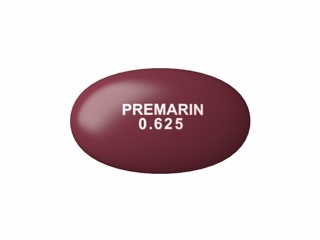
| Typical form | Tablet (available in different strengths depending on product range) |
| How it is taken | Oral administration; schedule depends on treatment type (continuous or cyclical) |
| Important note | Some regimens require a progestogen if you have a uterus, to reduce endometrial risks |
What Premarin Is Used For (Typical Indications)
Premarin is used to supplement or replace oestrogen in people who require hormone therapy. In the UK, hormone therapy decisions are individual and often consider symptom severity, age, time since menopause, and personal risk factors.
Common indications may include:
- Moderate to severe vasomotor symptoms associated with menopause (e.g., hot flushes, night sweats).
- Genitourinary symptoms of menopause (e.g., vaginal dryness, discomfort), depending on clinical assessment and preferred therapy.
- Prevention and treatment of oestrogen deficiency when indicated by a clinician.
Some people may use oestrogen therapy for other medical reasons depending on diagnosis and local prescribing practices. Your healthcare professional will determine whether Premarin is appropriate for your specific situation.
How Premarin Works (Mechanism of Action)
Oestrogens are female sex hormones that influence many body systems. Conjugated estrogens in Premarin are a mixture of oestrogen compounds. After menopause, oestrogen levels fall, which can lead to symptoms such as hot flushes and vaginal/urinary changes.
Premarin helps by:
- Binding to oestrogen receptors in target tissues (such as the hypothalamus, breast tissue, endometrium, bone, and urogenital tract).
- Reducing vasomotor symptoms by affecting thermoregulatory centres in the brain.
- Improving urogenital tissue function by restoring oestrogen-dependent changes in the vaginal and urinary tract.
- Supporting bone health by slowing bone loss (relevant to oestrogen deficiency-related risk).
Pharmacokinetics (Absorption, Distribution, Metabolism, Elimination)
Pharmacokinetics describes how the body handles a medicine. While exact values can vary by patient and formulation, the general patterns for oral conjugated estrogens are:
- Absorption: Premarin is absorbed from the gastrointestinal tract after oral dosing. Food can influence the rate and extent of absorption in some cases (see “Food Interactions” below).
- Distribution: Oestrogens distribute throughout the body and bind to plasma proteins, including sex hormone-binding globulin (SHBG) and albumin.
- Metabolism: Conjugated oestrogens are metabolised mainly in the liver. Some metabolites may be active, and enterohepatic recirculation can occur.
- Elimination: Metabolites are excreted primarily via urine and bile/faeces pathways. The overall elimination profile supports the typical once-daily or scheduled regimens used in practice.
Because hormone therapy is not “one-size-fits-all,” your regimen may be continuous or cyclical depending on whether you have an intact uterus and your clinical goals.
Timing and How to Take Premarin
Taking Premarin consistently helps maintain steadier hormone levels and may improve symptom control. Your exact schedule depends on the treatment plan provided by your healthcare professional.
Typical timing
- Once daily dosing is common for tablet regimens.
- For some regimens, the dose may be cyclical (a period of treatment followed by a break or a progestogen-included cycle).
- If you have been told to take a medicine on certain days only, follow that schedule closely.
What to do if you miss a dose
If you miss a dose, do not take double to make up for it unless your healthcare professional advises otherwise. The safest approach is usually to take the next dose at the usual time. Consider contacting a healthcare professional or pharmacist for advice based on your specific regimen.
Food Interactions
Many people take hormone tablets with water, with or without meals. Food may affect absorption of oral medicines. For Premarin, the effect of food is generally considered variable rather than universally prohibitive.
Practical guidance:
- Take Premarin at the same time each day to build routine.
- If you notice stomach upset, consider taking it after food (unless your clinician has instructed otherwise).
- Avoid sudden changes in diet that could alter your overall medication tolerance, especially if you have gastrointestinal sensitivity.
If you are also taking other medicines, check whether any specific interactions may apply (for example, medicines that affect liver enzymes).
Alcohol and Medicine Interactions
Moderate alcohol intake may be tolerated by many people. However, alcohol can influence hormone levels, liver function, and side effect risk. Premarin is metabolised in the liver, and hormone therapy may carry risks that are influenced by overall health and liver status.
Alcohol: sensible precautions
- If you drink alcohol, consider keeping intake moderate and avoid binge drinking.
- If you have a history of liver disease, seek medical advice before consuming alcohol while on hormone therapy.
- Stop and seek urgent advice if you develop symptoms such as yellowing of the skin/eyes, severe abdominal pain, or unexplained bruising.
Important medicine interaction considerations
Premarin can interact with medicines that affect liver enzymes or alter enterohepatic circulation. Common categories to discuss with a pharmacist or healthcare professional include:
- Enzyme inducers (may reduce oestrogen levels, potentially lowering effect).
- Enzyme inhibitors (may increase oestrogen exposure, potentially increasing side effects).
- Some antibiotics and antifungals (may affect metabolism in certain ways).
- Anticonvulsants (may affect hormone metabolism).
- Herbal products, such as St John’s wort, which may alter hormone levels.
- Anticoagulants and antiplatelet medicines (hormone therapy may affect clotting risk and bleeding balance).
Always provide a full list of current medicines (including over-the-counter products and supplements) to your healthcare team to check for interactions.
Dosing (General Guidance)
Dose requirements vary widely depending on the indication, severity of symptoms, and patient risk profile. Premarin dosing schedules differ between continuous and cyclical regimens, and some people require additional medication to protect the womb.
Typical dosing principles
- Start low, assess response: clinicians may begin with the lowest effective dose.
- Adjust based on symptoms: dose may be adjusted over time.
- Regular review: therapy should be reviewed periodically to confirm ongoing benefit and safety.
Uterus present vs absent (very important)
If you have an intact uterus, taking oestrogen alone can increase the risk of endometrial hyperplasia and cancer. Many regimens therefore include a progestogen as part of the therapy plan. If you do not have a uterus (e.g., after hysterectomy), oestrogen-only therapy may be considered in some circumstances.
Because this is a key safety point, confirm your personal regimen and follow it exactly.
Safety Profile and Important Risks
Like all medicines, Premarin can cause side effects. Most people experience mild effects, but some risks are serious. The following overview is designed to help you recognise important warning signs and understand when to seek medical advice.
Common side effects
- Breast tenderness or enlargement
- Nausea
- Headache
- Fluid retention / swelling (oedema)
- Vaginal spotting or bleeding changes
- Changes in mood
Serious risks (seek urgent advice)
Hormone therapy with systemic oestrogens may be associated with increased risk of certain conditions, especially depending on age, time since menopause, and individual risk factors.
- Blood clots (thrombosis): symptoms can include sudden breathlessness, chest pain, coughing blood, or leg swelling/pain.
- Stroke: warning signs include sudden weakness/numbness on one side, trouble speaking, or sudden vision changes.
- Endometrial problems: unusual vaginal bleeding should be investigated.
- Gallbladder disease: severe upper abdominal pain (often with nausea) may require prompt assessment.
- Breast cancer risk: this depends on duration of use, whether progestogens are used, and personal risk factors.
If you develop symptoms suggesting a serious adverse event, seek urgent medical help.
Who should be especially cautious
Discuss suitability carefully if you have (or have had) any of the following:
- A personal history of blood clots or known clotting disorders
- History of stroke or certain cardiovascular disease
- Known or suspected hormone-dependent cancer
- Unexplained vaginal bleeding
- Severe liver disease or abnormal liver function
- Significant risk factors for cardiovascular events (your clinician can quantify these)
Practical Use Tips for Patients
The following tips can make treatment easier and help you get the best benefit while managing side effects.
- Keep track of symptoms: note hot flush frequency, night sweats, sleep quality, and any bleeding changes.
- Use a medication reminder: mobile alarms or blister-pack schedules can help maintain consistency.
- Attend review appointments: ongoing evaluation supports the safest, most effective duration.
- Report bleeding promptly: any unexpected or heavy vaginal bleeding should be assessed.
- Maintain a healthy lifestyle: regular activity, a balanced diet, and smoking cessation can improve overall risk profile.
- Do not stop abruptly without advice: sudden discontinuation may cause symptom return; discuss plans with your clinician.
Alternative Options (Discuss With Your Healthcare Professional)
Premarin is one form of systemic oestrogen therapy. Depending on your symptoms and history, alternatives may include:
Different types of hormone therapy
- Other oestrogen preparations (e.g., different oral oestrogens, patches, gels, or sprays).
- Oestrogen plus progestogen regimens if you have a uterus.
- Local (vaginal) oestrogen for genitourinary symptoms, which may reduce systemic exposure for some people.
Non-hormonal options
- Non-hormonal medicines for vasomotor symptoms (choice depends on suitability and symptom pattern).
- Lifestyle measures such as cooling strategies, stress reduction, and identifying triggers.
The “best” alternative depends on your diagnosis, severity of symptoms, and personal risk factors. A clinician can help weigh benefits and risks.
Market and Legal Context for the United Kingdom
In the UK, medicines are regulated by the Medicines and Healthcare products Regulatory Agency (MHRA), with additional guidance on the safe use of hormone therapies issued by professional bodies and health authorities. Hormone therapy products, including systemic oestrogens, are subject to strict quality standards and safety monitoring.
UK practice typically emphasises individualised prescribing, use of the lowest effective dose, and periodic review of whether therapy should continue. People are also advised to report side effects and to be aware of symptoms that may indicate serious adverse events.
Recent Guidance and Common Clinical Themes (UK Focus)
UK healthcare guidance for menopausal hormone therapy generally reflects the following themes:
- Individual assessment: selection of therapy should consider age, time since menopause, symptom severity, and risk factors.
- Use the lowest effective dose: aim to achieve symptom control with minimal exposure.
- Regular review: therapy should be reviewed periodically, with decisions revisited as circumstances change.
- Uterine protection: if you have a uterus, appropriate endometrial protection (often progestogen) is typically considered.
- Consider non-hormonal options: for people with contraindications or those preferring alternatives.
For the most up-to-date recommendations, consult NHS resources or discuss with a healthcare professional.
Delivery and Availability (Online Pharmacy Information)
Availability can vary depending on stock levels and the specific strength/pack size. Online pharmacies in the UK typically offer:
- Standard delivery and, in some cases, express options depending on location.
- Tracking information once your order is dispatched.
- Discrete packaging to protect privacy.
If Premarin is not immediately available, the pharmacy may advise on alternatives or expected restock dates. For the fastest service, ensure your delivery details are complete and correct.
Frequently Asked Questions (FAQ)
1) Is Premarin the same as “bioidentical” oestrogen?
Premarin contains conjugated estrogens sourced and formulated as an oestrogen mixture. “Bioidentical” is a term often used more broadly in public discussions. Treatment suitability depends on your diagnosis, formulation, and clinical assessment rather than labels alone.
2) How long does it take to work?
Some people notice improvement in vasomotor symptoms within weeks, while other effects (such as vaginal tissue changes or bone-related effects) may take longer. The timing can vary based on dose, symptom severity, and whether the regimen includes additional medication when needed.
3) Can I take Premarin with other medicines?
Many medicines can be taken alongside Premarin, but interactions are possible—especially with drugs that affect liver metabolism or blood clotting balance. Provide a complete list of medicines and supplements to a pharmacist or healthcare professional for personalised checks.
4) What should I do if I get unusual vaginal bleeding?
Any unexpected, persistent, or heavy bleeding should be investigated promptly. Do not ignore bleeding changes, and contact a healthcare professional for advice.
5) Does Premarin increase the risk of blood clots?
Systemic oestrogen therapy may be associated with an increased risk of blood clots in certain circumstances. Risk varies by individual factors such as age, personal history, clotting risk, and overall health. Seek urgent help for symptoms such as chest pain, shortness of breath, or leg swelling.
6) Can I drink alcohol while using Premarin?
Many people can drink alcohol in moderation, but alcohol can affect liver function and overall risk profile. If you have liver disease or other risk factors, seek medical advice. Avoid binge drinking and seek help if you develop concerning symptoms.
7) What if I have a uterus—do I need anything else?
Often, oestrogen-only therapy in people with a uterus requires additional medication to protect the lining of the womb. Your clinician will decide the correct regimen. Follow your prescribed treatment plan carefully.
8) Are there non-hormonal alternatives?
Yes. Depending on your symptoms and medical history, options may include non-hormonal medicines and local treatments. Discuss alternatives with your healthcare professional.
9) When should I seek urgent medical help?
Get urgent medical attention for signs of serious side effects such as suspected blood clots (leg swelling/pain, sudden breathlessness, chest pain), stroke symptoms (face drooping, weakness on one side, difficulty speaking), or severe allergic reactions.
10) How should Premarin be stored?
Store tablets according to the instructions on the pack. Keep out of reach of children and avoid storage conditions that may degrade medicines (such as excessive heat or moisture). If unsure, refer to the packaging.
Summary
Premarin (conjugated estrogens) is an oral hormone medicine used to treat specific menopause-related symptoms and oestrogen deficiency-related conditions. It works by replacing oestrogen activity in the body, helping relieve vasomotor symptoms and supporting oestrogen-dependent tissues. Like all systemic hormone therapies, Premarin has potential risks and side effects, so benefits must be balanced against individual factors.
For the safest and most effective use, follow your prescribed regimen, review your progress with a healthcare professional, and report any concerning symptoms promptly. If you would like help comparing options, your pharmacist can discuss how Premarin differs from other oestrogen preparations and non-hormonal approaches.