Estradiol (Hormone Replacement Therapy & Other Indications) — Patient Guide (UK)
Estradiol is a form of the natural hormone oestrogen used to treat hormone-related conditions. It may be prescribed as part of menopausal hormone therapy to relieve symptoms, or for other medical reasons where oestrogen is needed. This page explains what estradiol does, how it works in the body, how it’s usually taken, and key safety considerations for people in the United Kingdom.
Note: Different estradiol products exist (for example, tablets, patches, gels, and implants). The exact instructions vary by product strength and form. Always follow the directions provided with your specific medicine.
1. Basic Product Information
- Active ingredient: Estradiol (an oestrogen hormone)
- Common brand examples (may vary): Depends on the exact product and formulation available in the UK
- Typical formulations: Transdermal (patch/gel), oral tablets, and sometimes other specialist forms
- Therapeutic group: Hormone therapy / oestrogen
- Who it may be used for: Menopausal symptoms; certain gynaecological or endocrine conditions; gender-affirming hormone therapy in appropriate contexts
| Formulation | How it’s taken | Typical considerations |
|---|---|---|
| Patch | Applied to the skin | Often changed on a set schedule (e.g., weekly) |
| Gel | Applied to the skin (usually once daily) | Follow drying and handling guidance carefully |
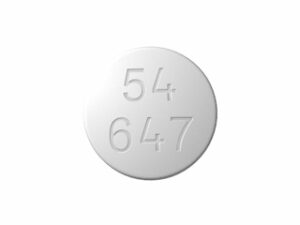
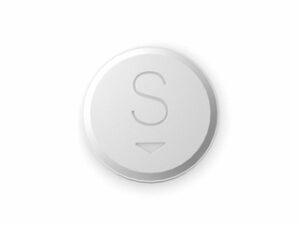
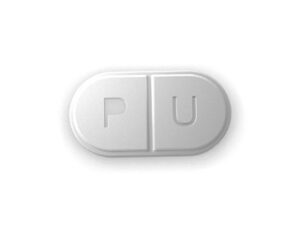
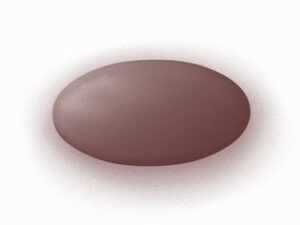
| Oral tablet | Swallowed | Absorption and metabolism differ from skin routes |
| Other forms | Specialist options may exist | Use specific product instructions |
2. How Estradiol Works (Mechanism of Action)
Estradiol is an oestrogen that binds to oestrogen receptors in different tissues. When it activates these receptors, it helps regulate:
- Menopausal symptoms such as hot flushes and night sweats by influencing temperature regulation in the brain
- Vaginal and urinary comfort by supporting the vaginal lining and genitourinary tissues
- Bone health by helping maintain bone density over time
- Hormone-dependent tissues in other conditions by restoring or modifying oestrogen levels as clinically indicated
The overall aim is to reduce symptoms and improve quality of life, while minimising risks through appropriate dose selection and monitoring.
3. Pharmacokinetics (What Happens to the Medicine in the Body)
Pharmacokinetics describes how estradiol is absorbed, distributed, metabolised, and eliminated. Exact values depend on the product.
-
Absorption:
- Transdermal (patch/gel): Estradiol is absorbed through the skin, often producing steadier blood levels.
- Oral: Estradiol is absorbed from the gut, then processed by the liver (first-pass metabolism).
- Distribution: Estradiol circulates in the bloodstream and is transported by binding proteins.
- Metabolism: Estradiol is broken down mainly in the liver into metabolites that may be excreted.
- Elimination: Metabolites are removed largely through urine and bile/faeces pathways.
Because routes differ, your prescriber may choose the formulation that best balances symptom relief and safety for you. For example, many clinicians consider that transdermal routes may have different effects on certain risk markers compared with oral therapy.
4. Typical Use in the UK
Estradiol may be used for several indications. In the UK, oestrogen therapy is commonly used in:
- Menopausal hormone therapy (MHT) to treat moderate to severe vasomotor symptoms (e.g., hot flushes, night sweats) and/or symptoms affecting the quality of life.
- Genitourinary syndrome of menopause (GSM) symptoms (e.g., vaginal dryness, irritation, discomfort), depending on product form and severity of symptoms. Local treatments may be preferred for many people.
- Other hormone-responsive conditions where oestrogen replacement or modulation is considered appropriate.
- Gender-affirming hormone therapy in line with individual medical assessment and evidence-based practice. (Details can vary widely and should be tailored to each person’s situation.)
When oestrogen is given to someone with a uterus, a progestogen is often needed to help reduce the risk of endometrial (uterine lining) overgrowth. The exact regimen depends on whether and how the uterus is present and on your clinical history.
5. Timing and How to Take Estradiol
How you time your estradiol depends on the formulation:
- Patches: Apply to clean, dry skin at the same time each day or on a weekly schedule (depending on product).
- Gels: Apply once daily, preferably at the same time each day. Allow the gel to dry before dressing.
- Oral tablets: Take at the same time each day as directed. Some people prefer taking with or after food if it suits them.
Missed dose guidance: If you miss a dose, follow the advice included with your product information. In general, transdermal missed doses may be handled differently than oral ones. If you’re unsure, ask a pharmacist for guidance for your specific brand/formulation.
6. Food Interactions
Estradiol has less direct interaction with food than many other medicines, but some important points apply:
- Oral estradiol: Food may affect absorption for some people. If the product leaflet suggests taking with food (or without), follow that instruction.
- Alcohol and liver metabolism: While not a “food” interaction, heavy alcohol intake can affect liver function, potentially influencing hormone metabolism in the body.
- Grapefruit: Some medicines are affected by grapefruit compounds. While grapefruit is not a universal issue for estradiol, if you’re concerned, ask your pharmacist whether it applies to your specific formulation.
If you have a complex diet, liver disease history, or you’re starting new medications, it’s worth checking for interactions with a pharmacist.
7. Alcohol and Medicine Interactions
Alcohol
Moderate alcohol may not be a problem for everyone, but heavy drinking can affect the liver and may worsen some side effects. For safety, aim for low to moderate alcohol consumption and avoid binge drinking.
Other medicines that can interact
Estradiol can interact with other medicines through effects on absorption, metabolism, and hormone-binding. Important interaction classes include:
- Enzyme inducers (can reduce estradiol levels), such as some medicines used for epilepsy and certain infections.
- Enzyme inhibitors (can increase estradiol levels), potentially raising side effects.
- Anticoagulants (blood thinners): hormone therapy may influence clotting risk; drug effects and monitoring can be complex.
- Some antiviral and antifungal medicines: may alter metabolism.
Always tell your clinician or pharmacist about:
- All prescription medicines
- Over-the-counter products
- Herbal supplements (e.g., St John’s wort can affect hormone levels)
8. Indications (What Estradiol Is Used To Treat)
In the UK, the most commonly encountered uses of estradiol include:
- Relief of menopausal vasomotor symptoms (hot flushes, night sweats), particularly when symptoms affect daily life.
- Support for genitourinary symptoms related to menopause. Depending on your needs, local treatments or systemic options may be considered.
- Hormone replacement or hormonal modulation in other conditions, based on specialist assessment.
- Gender-affirming care where appropriate, as part of a broader health plan and monitoring.
Selection of dose and formulation is individual. Your clinician will consider factors such as age, time since menopause, symptom severity, personal and family medical history, and risk profile.
9. Dosing (Typical Approaches)
Dosing is individual. Product strengths and schedules vary between tablets, patches, and gels. Your clinician will aim for:
- The lowest effective dose
- The shortest duration consistent with treatment goals
- Regular review of benefits and risks
Below are common dosing principles (not a substitute for product-specific instructions):
- Menopause-related symptoms: Start with an appropriate dose, then adjust based on response and tolerability.
- If you have a uterus: A progestogen is usually added as part of the regimen to protect the uterine lining.
- Route differences: Transdermal doses may not correspond directly to oral doses.
Do not change dose frequency or switch formulation without advice, because steady hormone exposure can affect both efficacy and safety.
10. Safety Profile and Important Warnings
Like other hormonal treatments, estradiol can carry risks. Many people take hormone therapy safely with proper selection and monitoring, but it’s important to understand warning signs and eligibility factors.
Common side effects
- Breast tenderness or swelling
- Nausea or bloating
- Headache
- Changes in mood
- Vaginal spotting or bleeding (particularly in the early months or if using certain regimens)
- Fluid retention
Seek urgent medical help if you have symptoms of blood clots
Hormone therapy can increase the risk of blood clots in certain circumstances. Get urgent advice if you develop:
- Sudden shortness of breath
- Chest pain (especially sharp or worsening with breathing)
- One-sided leg swelling or pain
- Sudden weakness, numbness, or trouble speaking
Other important safety considerations
- Uterine health: Unopposed oestrogen can increase the risk of endometrial hyperplasia and cancer in people with a uterus. This is why a progestogen is often used.
- Breast cancer history: Risk discussions are essential, especially with a personal history or strong family history.
- Liver conditions: Severe liver disease may require avoiding or carefully monitoring oestrogen therapy.
- High blood pressure or diabetes: Ongoing monitoring is important.
- Migraine with aura: Some people may be at higher risk with oestrogen-containing therapies.
If you notice unexpected vaginal bleeding, heavy bleeding, or bleeding after a period of no bleeding, arrange prompt medical review.
11. Practical Use Tips (Getting the Best Results Safely)
- Adhere to timing: Hormone levels work best when doses are consistent. If you’re using a patch or gel, set a daily reminder.
-
Skin care for patches/gel:
- Apply to clean, dry skin (avoid irritated or broken areas).
- Rotate patch sites to reduce skin irritation.
- For gels: wash hands after application and allow to dry before covering with clothing.
- Avoid skin-to-skin transfer (keep treated areas covered to protect others).
- Track symptoms: Hot flushes, sleep quality, mood changes, and vaginal comfort can guide whether your dose is effective.
- Use regular reviews: Many clinicians reassess treatment periodically to balance benefit and risk.
- Know your red flags: Be alert for symptoms of clots and other serious side effects listed above.
12. Alternative Options
Depending on your symptoms and personal risk factors, alternatives may include:
- Local vaginal oestrogen (for GSM symptoms): often lower systemic exposure than some systemic forms.
- Different oestrogen formulations: patch vs gel vs tablet, each with different dosing characteristics and patient preferences.
- Non-hormonal treatments for hot flushes:
- Certain prescription medicines used for vasomotor symptoms
- Some people also use lifestyle strategies (cooling, layered clothing, trigger reduction)
- Lifestyle approaches that may help symptoms:
- Regular physical activity
- Healthy weight management
- Reducing smoking
- Limiting alcohol triggers
If you’re unsure which option fits your symptoms best, discuss options with a clinician. The right choice depends on your medical history, symptom type, and risk profile.
13. Market and Legal Context in the UK
In the UK, oestrogen therapies are regulated and supplied through established routes. Availability, wording, and exact product information (including whether it is available online) follow UK pharmaceutical regulations and guidance from relevant authorities.
- Regulated medicines: Estradiol products are authorised medicines with patient information leaflets.
- Professional oversight: In many cases, ongoing review and assessment by healthcare professionals supports safe use.
- Individualised decision-making: Eligibility for hormone therapy depends on age, timing relative to menopause, medical history, and risk factors.
Treatment decisions are typically aligned with UK clinical guidance and updated evidence on benefits and risks. Many recommendations emphasise using the lowest effective dose, periodic review, and tailoring therapy to symptoms and individual risk.
14. Recent UK Guidance (General Themes)
Recent UK-focused clinical approaches to menopausal hormone therapy generally stress:
- Symptom-led use: Start therapy for moderate to severe symptoms affecting quality of life.
- Benefit–risk balance: Risks vary with age and time since menopause onset.
- Regular review: Reassess whether to continue and at what dose.
- Endometrial protection: People with a uterus often need a progestogen alongside systemic oestrogen.
- Consider formulation: Transdermal routes may be considered in some people based on risk factors and tolerability.
If you have questions about whether estradiol is appropriate for you, your local NHS guidance and professional assessments can help.
15. Delivery and Availability (Online Pharmacy in the UK)
Availability of estradiol depends on the specific formulation and strength. Many online pharmacies in the UK provide options for home delivery where permitted by regulation and the product’s supply requirements.
- Delivery: Most UK orders aim for standard delivery times; scheduling can vary by location and stock.
- Packaging: Medicines are typically dispatched in protective packaging with clear labelling.
- Stock status: Some products may be subject to temporary availability depending on demand.
- Temperature considerations: Check the product storage instructions for extremes of heat or cold.
When ordering, ensure the product strength and form match what you intend to use (patch vs gel vs tablet), and double-check that the dosing instructions are consistent with your treatment plan.
16. FAQ — Estradiol
How long does it take for estradiol to work?
Many people notice improvement in hot flushes and night sweats within a few weeks. Vaginal comfort may improve gradually. Your response can depend on the formulation, dose, and symptom severity.
Will I need a progestogen with estradiol?
If you have a uterus, clinicians often prescribe a progestogen alongside systemic oestrogen to help protect the uterine lining. If you do not have a uterus, oestrogen alone may be considered.
Can I switch between patch and tablet?
You may be able to switch formulations, but dosing equivalence is not one-to-one. It should be done under guidance to maintain appropriate hormone exposure and ensure safety.
What should I do if I get skin irritation from a patch or gel?
Mild irritation can happen. Rotate application sites and ensure skin is clean and dry. If irritation is persistent, worsening, or accompanied by rash, seek advice from a pharmacist or clinician. You may need a different formulation or application approach.
Is estradiol safe for everyone?
Not everyone is suitable for estradiol. People with certain medical conditions or higher risk of blood clots may need a different approach. Your suitability depends on factors like age, medical history, and risk profile.
Does estradiol cause weight gain?
Some people report bloating or fluid retention, which can feel like weight gain, especially early on. True long-term weight change varies between individuals and may be influenced by lifestyle and other factors.
Can I drink alcohol while taking estradiol?
Moderate alcohol is usually acceptable for many people, but heavy drinking is not recommended as it can affect liver health and overall safety. If you’re unsure, ask a pharmacist for advice based on your health history and the specific estradiol product.
What interactions should I watch for?
Several medicines can affect estradiol levels or clotting risk. Tell your pharmacist about all medicines and supplements, including herbal products. Special attention is needed for medicines that affect liver enzymes and for anticoagulants.
What are the emergency symptoms of serious side effects?
Seek urgent medical help if you develop sudden shortness of breath, chest pain, one-sided leg swelling or pain, or sudden neurological symptoms such as weakness or trouble speaking.
How should estradiol be stored?
Store according to the patient information leaflet and avoid extreme temperatures. Keep medicines out of sight and reach of children. If the product has specific storage requirements (e.g., “room temperature” or “protect from moisture”), follow them carefully.
Summary
Estradiol is an oestrogen therapy that can relieve menopausal symptoms and may treat other hormone-related conditions. It works by activating oestrogen receptors and helping restore balance in hormone-sensitive tissues. How it behaves in the body depends on the formulation, with transdermal routes (patches/gel) often providing steadier hormone levels.
For safety, the key points are:
- Use the lowest effective dose and review regularly
- If you have a uterus, ask whether you need a progestogen
- Know the warning signs (especially possible clot symptoms)
- Check for interactions with other medicines and supplements
If you have questions about your specific estradiol product—such as how to apply it, what to do if you miss a dose, or possible interactions—consult a pharmacist for advice tailored to your situation.