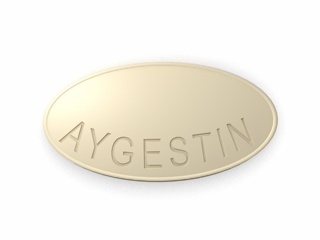
Aygestin (Norethindrone Acetate) – Patient Information for the UK
Aygestin is a medicine containing norethindrone acetate, a synthetic form of the hormone progestogen (a progesterone-like hormone). It is used to treat certain hormone-related conditions, help regulate abnormal bleeding, and support particular gynaecological therapies.
This page provides clear, patient-friendly information about what Aygestin is, how it works, how it’s taken, and important safety considerations. If you have questions about your specific treatment, speak with a pharmacist or another healthcare professional.
Key Product Information
- Medicine name: Aygestin
- Active ingredient: Norethindrone acetate
- Drug type: Progestogen (synthetic progesterone-like hormone)
- Common forms: Tablets (strengths may vary by product availability)
- Used for: Gynaecological conditions including certain bleeding problems and hormone-related treatments
- Who it’s for: Adults who require progestogen therapy (suitability depends on your medical history)
How Aygestin Works (Mechanism of Action)
Norethindrone acetate is converted in the body to an active progestogen. Progestogens work mainly by affecting the lining of the uterus (endometrium) and the hormonal signals that control the menstrual cycle.
In simple terms:
- Changes the uterine lining: Aygestin makes the endometrium more stable and less likely to grow excessively.
- Helps regulate or stop abnormal bleeding: By opposing the effects of oestrogen on the endometrium, it can reduce heavy or irregular bleeding in certain conditions.
- May reduce endometrial overgrowth: It can help manage conditions linked to abnormal endometrial tissue activity.
The exact benefit depends on why you’re taking Aygestin (for example, abnormal uterine bleeding, endometriosis-related management, or other hormone-directed indications).
Pharmacokinetics: What Happens to the Medicine in the Body
Pharmacokinetics describes how the body absorbs, processes, and eliminates a medicine.
- Absorption: Norethindrone acetate is absorbed after oral administration.
- Conversion: It is metabolised to active forms of norethindrone (a progestogen effect).
- Metabolism: Mainly processed in the liver.
- Elimination: Metabolites are removed primarily via the urine (and to some extent through other routes).
- Onset: Clinical effects on bleeding patterns can occur after starting, though the time to noticeable improvement can vary.
Because Aygestin is metabolised by the liver, liver function and medicine interactions (especially with liver enzyme inducers) are important for safety.
Typical Uses of Aygestin in the UK
In clinical practice, Aygestin may be used for hormone-related gynaecological conditions, particularly when a progestogen is indicated. Common reasons include:
- Abnormal uterine bleeding (for example, heavy, prolonged, or irregular bleeding due to hormonal imbalance, depending on diagnosis).
- Endometrial protection in selected hormone regimens (in some situations where progestogen is needed to oppose oestrogen-driven endometrial changes).
- Conditions involving endometrium-related effects, as advised by a clinician (exact indication depends on your individual case).
Important note: The most appropriate use depends on your diagnosis, age, smoking status, risk factors for blood clots, and other medical conditions. If your condition is different from the examples above, your treatment may still be appropriate—follow the plan given by your healthcare professional.
Timing and How to Take Aygestin
Aygestin is typically taken by mouth at the prescribed dose and schedule.
Typical timing
- Try to take it at the same time each day to maintain steady hormone levels.
- If your dose is once daily, choose a time you can easily remember.
- If your regimen is more than once daily, evenly space doses as instructed.
How long to take it
Courses can vary. For some bleeding-related conditions, improvement may be seen within days to weeks. For others, treatment may be continued for a set period or as part of an ongoing plan. Your healthcare professional will advise the duration and review timing.
What to do if you miss a dose
If you miss a dose, the best action depends on how late it is and your dosing schedule. A general patient-friendly approach:
- If you remember soon after, take it when you remember.
- If it’s close to the next dose, skip the missed dose and continue as normal.
- Do not double doses to make up for a missed tablet.
If you’re unsure, ask a pharmacist for advice specific to your schedule.
Food Interactions
Aygestin can generally be taken with or without food, but consistency helps you remember and maintain stable dosing.
- Take with water; swallow tablets whole unless your pharmacist or leaflet advises otherwise.
- If you find nausea occurs, taking it with food may help (unless your clinician has advised fasting or specific timing).
There are no major “must avoid” foods for most patients. However, always consider overall health advice given to you, particularly if you have conditions requiring dietary modifications.
Alcohol and Medicine Interactions
Alcohol
Moderate alcohol intake is unlikely to directly stop Aygestin working, but alcohol can increase the chance of side effects such as dizziness, headache, or nausea in some people.
- Avoid heavy drinking or binge patterns, especially if you have liver disease or a history of liver problems.
- If alcohol triggers side effects, consider reducing intake and speak to a healthcare professional.
Medicine interactions (especially important)
Some medicines can reduce or alter the effectiveness of progestogens by affecting how the liver metabolises them.
Examples of medicine categories that may interact include:
- Enzyme-inducing medicines (can reduce progestogen levels), such as some treatments for seizures and certain infections.
- Medicines affecting liver enzymes (may increase or decrease hormone levels).
- Some herbal products, especially St John’s wort (may reduce effectiveness).
If you’re taking other medicines—prescription, over-the-counter, or herbal—tell your pharmacist. This is particularly important for long-term medications and for antibiotics/antifungals started around the same time as Aygestin.
Indications: When Aygestin May Be Appropriate
Aygestin is a progestogen used in a range of hormone-dependent gynaecological scenarios. Indications depend on the diagnosis and individual patient risk factors.
In general, Aygestin may be considered for:
- Abnormal uterine bleeding where a progestogen is part of treatment to help stabilise the endometrium.
- Endometrial-related management within a planned hormonal strategy.
- Other specialist gynaecological uses when a progestogen effect is needed.
UK clinical context: In the NHS and related services, abnormal uterine bleeding is assessed carefully (including to rule out other causes). Progestogens are one possible treatment option based on the underlying cause.
Dosing: What’s Typical and What Affects the Dose
Only take Aygestin exactly as advised by your healthcare professional. Dosing depends on your diagnosis, your bleeding pattern, and your risk profile.
Common dosing patterns (examples)
Aygestin is often prescribed as a course with a specific schedule. Typical regimens vary widely, for example:
- Once daily regimens in certain bleeding management approaches.
- Higher or multi-dose schedules in selected situations where the aim is to stabilise bleeding over a defined period.
Your prescription label (or plan provided by your clinician) will specify your exact dose and number of days.
What may affect your dose
- Whether treatment is for bleeding control or another endometrial condition
- Your age and whether you are peri-menopausal
- Any liver problems
- Risk factors for blood clots (for example, smoking, obesity, previous clot)
- Other medicines you take (interaction potential)
Safety Profile: Side Effects and When to Seek Help
Common side effects
Like all medicines, Aygestin can cause side effects. Not everyone gets them, and many are mild and improve as your body adjusts.
- Headache
- Nausea or stomach discomfort
- Breast tenderness
- Changes in bleeding pattern (this may be expected during treatment)
- Mood changes or reduced libido (in some people)
- Fluid retention or changes in weight (not always, but can occur)
Serious side effects – get urgent medical help
Stop treatment and seek urgent medical help immediately if you develop signs of a blood clot or serious allergic reaction. Symptoms can include:
- Chest pain, sudden shortness of breath, coughing blood
- Sudden weakness or numbness on one side, trouble speaking, face drooping
- Severe leg pain, swelling in one leg, warmth/redness in the calf
- Severe allergic reaction such as swelling of the face/lips, difficulty breathing, or widespread rash
Other reasons to contact a clinician promptly
- Very heavy bleeding or bleeding that worsens after an initial period of improvement
- Jaundice (yellowing of skin/eyes), dark urine, or significant fatigue suggesting liver issues
- Unexplained severe abdominal pain or sudden vision changes
Who may need extra caution
Aygestin may not be suitable or may require careful review if you have:
- Current or past blood clot conditions
- Severe liver disease
- Known or suspected hormone-sensitive cancers
- Unexplained vaginal bleeding until assessed
Your pharmacist or clinician can help you understand your individual suitability.
Practical Use Tips (Patient-Friendly)
- Use a reminder: Set a daily alarm on your phone or use a pharmacy blister pack if provided.
- Track bleeding changes: Keep a simple note of bleeding days, heaviness, and any pain. This can help your clinician review effectiveness.
- Monitor side effects: If headaches, nausea, or mood changes occur, note when they started and whether they improve.
- Don’t skip follow-up: If you’re taking Aygestin to manage abnormal bleeding, follow the review plan. Ongoing or worsening bleeding should be assessed.
- Keep a medication list: Include doses and timings; show it to healthcare professionals, especially if you have new symptoms.
Alternative Options
Depending on the underlying condition, alternatives to Aygestin may include other progestogens, combined hormonal methods, or non-hormonal approaches. The best option depends on your diagnosis and preferences.
Examples of alternatives that may be considered (depending on indication)
- Other progestogen medicines (different progestogens have different dosing schedules and side-effect profiles).
- Hormonal options used for abnormal uterine bleeding or endometrial management (a clinician will decide which are suitable).
- Non-hormonal strategies for some causes of heavy bleeding (for example, medicines that reduce menstrual blood loss or treatments guided by diagnosis).
- Procedural options for certain cases after assessment (specialist review may be required).
If Aygestin doesn’t suit you or isn’t effective, speak with your clinician about alternatives tailored to your situation.
Aygestin in the UK: Market and Legal/Regulatory Context
In the United Kingdom, medicines are supplied under regulation by the Medicines and Healthcare products Regulatory Agency (MHRA). Products like Aygestin are categorised and authorised for specific indications, dosing forms, and patient groups based on safety and efficacy data.
Availability can vary over time due to manufacturing supply, distribution changes, and pharmacy stock levels. Patients may be advised to use equivalent formulations only when clinically appropriate.
Important: Always use the correct medicine strength and brand as directed. Different brands may have the same active ingredient but can have different excipients or packaging, and dosing instructions may differ.
Recent Guidance and Clinical Considerations (UK)
For hormone-related conditions such as abnormal uterine bleeding, UK clinical practice generally emphasises:
- Diagnosis first: persistent abnormal bleeding should be assessed to rule out causes needing different treatment.
- Risk assessment: consideration of blood clot risk, smoking status, age, and cardiovascular history.
- Individualised treatment: selecting the most suitable hormonal option and reviewing response over time.
Local NHS pathways and specialist guidance may be updated to reflect new evidence. Always follow the advice provided by your healthcare professional.
Delivery and Availability (Online Pharmacy Information)
Aygestin may be available through online pharmacies where legally permitted and where a patient is eligible to obtain the medicine. Availability depends on local stock and current supply.
What to expect
- Stock checks: Some pharmacies confirm availability before dispatch.
- Packaging: Medicines are typically supplied in secure packaging with leaflets where required.
- Delivery times: Delivery speed varies by provider and location within the UK.
For reliable delivery information, check the online pharmacy’s specific delivery policy, including dispatch cut-off times and delivery options.
FAQ: Frequently Asked Questions
1) What is Aygestin used for?
Aygestin (norethindrone acetate) is a progestogen used for hormone-related gynaecological conditions. Common uses include management of certain types of abnormal uterine bleeding and other endometrial-related conditions, depending on your diagnosis.
2) How quickly will it work?
Some people notice changes in bleeding within days to weeks, but timing varies. If bleeding becomes unusually heavy or you experience concerning symptoms, contact a healthcare professional for advice.
3) Will Aygestin stop my period?
It can change or reduce bleeding in some cases, but bleeding patterns may vary. Some people experience spotting or irregular bleeding at the start of treatment.
4) Can I take Aygestin with food?
Generally, yes. Taking it consistently—either with or without food—can help you stick to the schedule and reduce stomach discomfort if it occurs.
5) Are there interactions with other medicines?
Yes. Certain medicines can affect how norethindrone is metabolised and may change effectiveness. Tell your pharmacist about all medicines and supplements you use, including herbal products like St John’s wort.
6) Is it safe to drink alcohol?
Moderate alcohol is unlikely to directly affect the medicine’s action for most people, but alcohol may worsen side effects and heavy drinking should be avoided—especially if you have liver problems.
7) What should I do if I miss a tablet?
If you remember soon, take it when you remember. If it’s close to the next dose, skip the missed tablet and continue. Do not double up. Ask a pharmacist if you are unsure.
8) Can Aygestin cause blood clots?
Progestogens can be associated with risks that may be influenced by personal factors. Seek urgent medical help if you develop symptoms suggestive of a clot (chest pain, shortness of breath, one-sided leg swelling, sudden weakness, or difficulty speaking).
9) What side effects are most common?
Common side effects include headache, nausea, breast tenderness, and bleeding pattern changes. Many are mild and may settle as your body adjusts.
10) When should I contact a doctor promptly?
Contact a healthcare professional promptly if you have very heavy bleeding, bleeding that worsens, signs of liver problems (such as jaundice), or any concerning severe symptoms.
Summary
Aygestin (norethindrone acetate) is a progestogen medicine used for specific hormone-related gynaecological conditions, particularly to help manage abnormal uterine bleeding and endometrial-related effects. It works by stabilising the uterine lining and opposing certain oestrogen effects. Like all medicines, it may cause side effects and requires attention to safety—especially if you have a history of blood clots, liver disease, or other risk factors.
For the safest and most effective use, take Aygestin at the advised dose and time, keep track of bleeding changes, and discuss any concerns or new medicines with a pharmacist or healthcare professional.