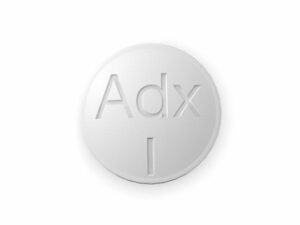

Provera (Medroxyprogesterone Acetate) – Patient-Friendly Guide (UK)
Provera is a medicine containing medroxyprogesterone acetate (MPA), a synthetic form of the hormone progesterone. It is used in a range of hormone-related conditions and regimens, often to manage bleeding patterns, support specific reproductive health needs, or treat hormone-responsive conditions. This page explains how Provera works, how it is taken, what to expect, and important safety information.
Quick overview
- Active ingredient: Medroxyprogesterone acetate (MPA)
- What type of medicine is it? Progestogen (a progesterone-like hormone)
- Common forms: Tablets (strengths vary by product)
- Typical uses: Abnormal uterine bleeding, endometrial protection with oestrogen, and selected cancer indications (hormone-responsive)
- How it works: Changes the lining of the uterus and influences hormone signalling
Basic product information
In the UK, Provera is supplied as tablets containing medroxyprogesterone acetate. Brand availability and exact strengths may vary, and your pharmacist can confirm what you have.
| Feature | Information |
|---|---|
| Medicine name | Provera |
| Active ingredient | Medroxyprogesterone acetate |
| Drug category | Progestogen (synthetic progesterone) |
| Where used | Hormone-related conditions, including uterine bleeding and some hormone-responsive conditions |
| Typical dosing schedule | Depends on indication (daily or cyclic regimens may be used) |
How Provera works (mechanism of action)
Medroxyprogesterone acetate is a progestogen that acts on hormone receptors in target tissues, especially the uterus. Its main actions include:
- Stabilising the uterine lining (endometrium): It helps transform and then regulate the thickness and behaviour of the endometrium.
- Reducing abnormal bleeding: By counteracting the effects of oestrogen on the endometrium, it can help make bleeding more regular.
- Altering hormonal signalling: It can reduce hormone-driven growth in certain hormone-responsive conditions.
- Influencing ovulation and menstrual cycles: Depending on the regimen, it may affect cycle timing and bleeding patterns.
Pharmacokinetics (how the body handles it)
Pharmacokinetics describes how the medicine is absorbed, distributed, metabolised, and eliminated. While individual responses vary, the following overview explains the general process:
- Absorption: After oral administration, medroxyprogesterone acetate is absorbed from the gastrointestinal tract.
- Distribution: It is widely distributed in the body and binds to proteins.
- Metabolism: The medicine is metabolised mainly in the liver.
- Elimination: Metabolites are excreted primarily via urine and faeces over time.
- Duration of effect: Hormonal effects may last beyond the last dose because it accumulates or acts through tissue effects.
Your exact timetable and response can depend on dose, indication, liver function, other medicines, and individual hormone status.
What Provera is typically used for (indications)
Provera may be used for several indications. The best choice depends on your diagnosis, medical history, and other medicines you take. Common uses include:
1) Abnormal uterine bleeding
For some people, abnormal bleeding can be related to hormone imbalance or endometrial overgrowth. Provera may be used to help regulate bleeding and protect the uterine lining.
2) Endometrial protection (with oestrogen)
If you are taking oestrogen therapy, progestogens like medroxyprogesterone acetate may be used to help reduce the risk of endometrial hyperplasia (overgrowth of the uterine lining).
3) Hormone-responsive cancers
In certain cancer settings, progestogens may be used as part of treatment. This is determined by specialists based on the cancer type and receptor status.
4) Other hormone-related indications
Depending on your circumstances, clinicians may use Provera for additional hormone-regulated conditions. If you are unsure why Provera has been chosen for you, ask your healthcare professional or pharmacist.
When and how to take Provera (timing and regimen)
The timing and duration of Provera treatment depend on your indication and the regimen prescribed. Many regimens involve either:
- Daily dosing (continuous courses), or
- Cyclic dosing (taken for part of a cycle, such as for several days per month).
General practical guidance:
- Take your dose at the same time each day to help you remember.
- You can usually take it with or without food, although see food interaction notes below.
- Continue for the full course as advised, even if bleeding changes early.
- Use a reminder (phone alarm, calendar, blister pack) to support adherence.
Food interactions
In most cases, Provera can be taken with or without food. If you notice stomach upset, taking it with food may improve comfort. Always follow the specific directions you were given.
Alcohol and medicine interactions
Moderate alcohol is not usually expected to directly “cancel out” Provera’s hormonal effect. However, both alcohol and hormones can influence the body in ways that may make side effects more noticeable, such as:
- Dizziness, sleepiness, or mood changes
- Changes in appetite
- Liver strain concerns in people with liver problems or heavy alcohol use
If you drink alcohol, consider keeping intake modest and discuss your situation with a healthcare professional—especially if you have liver disease, a history of blood clots, or are taking other medicines that affect clotting or metabolism.
Important interactions with other medicines
Provera can interact with other medicines, particularly those affecting liver enzymes involved in drug metabolism. Tell your pharmacist or healthcare professional about all medicines you take, including over-the-counter products and herbal remedies.
Examples of medicines that may matter include:
- Enzyme-inducing medicines (some anti-epileptics, certain tuberculosis treatments, and some herbal products such as St John’s wort)
- Medicines affecting coagulation (if you are at higher clot risk or taking anticoagulants)
- Corticosteroids (your clinician may monitor dosing or side effects)
This is not a complete list. If you are unsure whether a medicine interacts with Provera, ask your pharmacist.
Dose and dosing guidance (how dosing is typically handled)
The correct dose of Provera varies widely depending on the indication and regimen. For that reason, dosing should be individualised by a clinician. Below is general dosing information presented for understanding—do not use it to calculate your personal dose.
Typical dosing patterns
- Abnormal uterine bleeding: Often treated with a short to medium course designed to regulate the lining and bleeding pattern.
- Endometrial protection with oestrogen: Commonly involves a cyclic or continuous progestogen schedule based on your hormone plan.
- Hormone-responsive cancers: Dosing can be different and is determined by specialist protocols.
Starting and missing doses
- Starting treatment: Begin at the time and days instructed for your regimen.
- Missed dose: If you miss a dose, take it as soon as you remember unless it is close to your next dose. If you are uncertain, ask a pharmacist for advice specific to your schedule.
Avoid taking double doses to “catch up” unless told to do so by a healthcare professional.
What to expect: effectiveness and bleeding changes
Many people notice changes in bleeding within the first course or cycle, but the pattern can vary. This may include:
- Reduced bleeding or fewer days of bleeding
- Scheduled withdrawal bleeding during cyclic regimens
- Spotting early in treatment as the body adjusts
If bleeding becomes very heavy, you develop severe pain, or bleeding changes suddenly and significantly, contact a healthcare professional.
Safety profile and side effects
Like all medicines, Provera can cause side effects. Not everyone gets them, and many are mild and temporary. Your prescriber may tailor your regimen to reduce risk.
Common side effects
- Changes in menstrual bleeding (including spotting or altered periods)
- Headache
- Nausea or stomach discomfort
- Breast tenderness
- Mood changes (such as irritability or changes in mood)
- Fluid retention (feeling puffy)
- Vaginal spotting/discharge changes
Less common but important risks
Progestogens can be associated with more serious risks in certain individuals, particularly those with pre-existing conditions. Seek medical advice promptly if you have symptoms suggesting complications.
- Blood clots: Symptoms may include sudden leg swelling/pain, chest pain, sudden shortness of breath, or coughing blood.
- Liver problems: Watch for yellowing of eyes/skin (jaundice), dark urine, or persistent upper abdominal pain.
- Severe allergic reactions: Rash, swelling of the face/lips, or difficulty breathing.
- Severe depression or marked mood disturbance: Especially if symptoms worsen.
When to get urgent help
Contact emergency services immediately if you experience:
- Symptoms of a suspected clot (chest pain, sudden breathlessness, one-sided weakness)
- Severe allergic reaction (trouble breathing, swelling of face/throat)
- Signs of severe liver injury (severe jaundice with intense fatigue or confusion)
Practical use tips
- Keep track of your bleeding: Note dates and severity (light, moderate, heavy) during treatment.
- Use consistent timing: Taking it at the same time each day supports steady levels.
- Monitor side effects: If mood changes, headaches, or fluid retention occur, inform your clinician early.
- Stay alert to clot symptoms: If you are at increased risk (for example, certain medical histories), discuss risk-reduction strategies.
- Do not stop abruptly without advice: Stopping can lead to unpredictable bleeding or loss of treatment effect.
- Check medicines for interactions: Always confirm compatibility with other treatments.
Who should take extra care?
Provera may not be suitable for everyone. Extra caution is often needed if you have:
- A history of blood clots or clotting disorders
- Liver disease or a history of liver problems
- Unexplained vaginal bleeding that has not been assessed
- Known hormone-sensitive conditions requiring careful monitoring
- Severe depression or significant mood disorders
Your healthcare professional can explain whether Provera is appropriate for your personal situation and what monitoring is needed.
Alternative options
Depending on why you are taking Provera, alternative treatments may include other progestogens or non-progestogen approaches. Options may differ for abnormal bleeding, endometrial protection, or hormone-responsive conditions.
Alternative progestogen therapies (examples)
- Other oral progestogens (different progesterone-like agents may be used)
- Progesterone preparations (in appropriate regimens)
- Levonorgestrel-releasing intrauterine system (LNG-IUS) for certain bleeding indications
Non-progestogen options (depends on the condition)
- For abnormal uterine bleeding, additional evaluation may consider underlying causes (such as fibroids or endometrial changes)
- For cancer indications, treatment alternatives may include other hormonal agents, chemotherapy, or surgery as determined by specialists
The “best” option depends on your diagnosis, preferences, and risk profile. Discuss alternatives with a healthcare professional.
UK market and legal context (availability and regulated use)
In the United Kingdom, medicines are regulated by the Medicines and Healthcare products Regulatory Agency (MHRA). The supply of Provera is governed by UK medicines legislation and the terms under which it is authorised. Pharmacy teams and clinicians support safe and appropriate use, including guidance on suitability, monitoring, and interactions.
Product availability can change over time. If Provera is temporarily unavailable, pharmacies may offer guidance on substitute strengths or alternative suitable treatments where appropriate.
Recent guidance and monitoring considerations
Clinical practice in the UK continues to emphasise:
- Individual risk assessment before starting hormonal therapies, especially for clot risk and liver-related concerns.
- Assessing the cause of abnormal bleeding rather than relying solely on medication, particularly if bleeding is new, persistent, or heavy.
- Appropriate monitoring when Provera is used for endometrial protection alongside oestrogen.
- Reviewing medicines regularly to ensure ongoing suitability and minimise interactions.
Local NHS and specialist guidance may vary by indication and patient group. Always follow the plan provided for you.
Delivery and availability (online pharmacy information)
Provera may be available from online pharmacies in the UK, depending on stock, formulation, and regulation. Delivery timeframes vary by supplier and your location.
- Stock status: If your strength is not available, we may advise alternatives or restocking timelines.
- Packaging: Medicines are typically dispatched in secure packaging to prevent damage.
- Temperature: Store according to the label instructions (usually at room temperature, away from excessive heat).
- Returns: Return policies depend on the medicine and hygiene/safety regulations.
If you need help confirming product strength or suitability, contact the pharmacy team before placing an order.
Storage
Keep Provera tablets in their original packaging, protected from moisture and heat. Store out of sight and reach of children. Check the carton or leaflet for the exact storage instructions for your specific pack.
Frequently asked questions (FAQ)
1) What is Provera used for?
Provera (medroxyprogesterone acetate) is used for a range of hormone-related conditions, most commonly to manage abnormal uterine bleeding and to provide endometrial protection when used alongside oestrogen. It may also be used in specialist treatment regimens for hormone-responsive cancers.
2) How long does it take to work?
Many people notice changes in bleeding within the first course or cycle. The exact timing depends on the dose and reason you’re taking it. If you don’t see expected effects, consult your healthcare professional rather than changing the dose yourself.
3) Can I take Provera with food?
Yes, Provera can usually be taken with or without food. If it upsets your stomach, taking it with a meal or snack may help.
4) Is it safe to drink alcohol while taking Provera?
Moderate alcohol may not cause a direct interaction for most people, but alcohol can worsen certain side effects and may affect the liver. If you drink alcohol regularly or have liver problems, ask your pharmacist or clinician for personalised advice.
5) What should I do if I miss a dose?
Take the missed dose as soon as you remember unless it’s close to your next dose. Do not take a double dose to compensate. If you are unsure, ask your pharmacist for guidance based on your specific dosing schedule.
6) What side effects are most common?
Common side effects include changes in bleeding, headache, nausea, breast tenderness, mood changes, and fluid retention. Report persistent or bothersome symptoms to your healthcare professional.
7) When should I seek urgent medical help?
Seek urgent help if you suspect a blood clot (such as sudden shortness of breath, chest pain, or one-sided leg swelling), experience severe allergic symptoms, or have signs of serious liver problems (for example, jaundice).
8) Are there alternatives to Provera?
Alternatives depend on your condition. Options may include other progestogens or different hormonal approaches (such as an LNG-IUS for certain bleeding problems), or specialist treatments for cancer indications. A healthcare professional can discuss the most suitable option for you.
9) Can Provera affect my period?
Yes. It can change bleeding patterns, including spotting, lighter or heavier bleeding, or predictable withdrawal bleeding with cyclic regimens. If bleeding is very heavy, prolonged, or new and unexplained, seek medical advice.
10) How should I store Provera tablets?
Store in the original packaging, away from moisture and excessive heat, and keep out of the reach of children. Follow the storage instructions on your pack.
Important final notes
This guide is designed to help you understand Provera and how it is commonly used in the UK. It cannot replace personalised medical advice. If you have questions about your particular regimen, side effects, or interactions with other medicines, speak to your pharmacist or healthcare professional.