

Bromocriptine (Bromocriptine mesilate) — Patient Information (UK)
Bromocriptine is a medicine used in the treatment of several hormonal and neurological conditions. It works by affecting specific dopamine receptors in the brain. This guide explains what Bromocriptine is, how it works, how it is usually taken, and what you should know for safe use.
This information is designed to be patient-friendly and to support safe decision-making. It does not replace advice from your healthcare professional.
Quick Facts
- Active ingredient: Bromocriptine (often as bromocriptine mesilate)
- Medicine type: Dopamine receptor agonist
- Common forms: Tablets (strengths vary by brand/product)
- Typical use cases: Prolactin-related conditions and certain hormonal/neurological conditions
- How it’s taken: Usually by mouth, with food guidance depending on the reason for use
- Key safety considerations: Blood pressure changes, nausea/vomiting, dizziness; rare but serious mood and impulse-control effects
What is Bromocriptine?
Bromocriptine is a medicine that stimulates dopamine receptors. Dopamine is a natural chemical messenger that helps regulate the brain and the hormone system. By mimicking the effects of dopamine, Bromocriptine can reduce excess prolactin and help with conditions related to hormone imbalance.
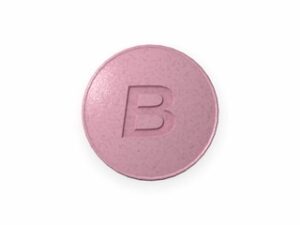
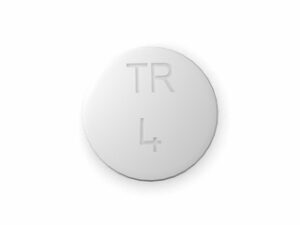
In the UK, Bromocriptine may be available under different brand names and formulations depending on supply. Your pharmacy can confirm the exact product available and its strength.
Mechanism of Action (How it Works)
Bromocriptine primarily acts as an agonist at dopamine receptors (especially D2 receptors). This leads to:
- Reduced prolactin secretion: Dopamine normally inhibits prolactin release from the pituitary gland. Bromocriptine restores this inhibitory effect.
- Hormone regulation: Lowering prolactin can help correct symptoms related to high prolactin levels (hyperprolactinaemia).
- Neuroendocrine effects: Dopaminergic activity may also be relevant in other approved uses.
- Vasomotor effects: Dopamine receptor stimulation can influence blood vessels and may contribute to dizziness or orthostatic hypotension in some people.
Pharmacokinetics (How the Body Handles It)
Pharmacokinetics describes what happens to a medicine after you take it. These are general principles; individual results can vary.
- Absorption: Bromocriptine is absorbed after oral dosing. Food can affect tolerability and absorption in some cases.
- Distribution: It distributes throughout the body and is highly protein-bound.
- Metabolism: It is extensively metabolised mainly in the liver (metabolic pathways involve enzymes such as CYP3A4).
- Elimination: Metabolites are eliminated largely via the bile and faeces, with smaller amounts in urine.
- Half-life (general): Effects may last beyond the immediate dosing period; dosing schedules vary by indication and response.
Because Bromocriptine is metabolised in the liver, liver impairment and medicines that affect liver enzymes can influence levels and side effects.
Typical Use in the UK
Bromocriptine is used for specific medical conditions where reducing prolactin levels or providing dopaminergic activity is beneficial. Depending on local product approvals and availability, it may be used in:
- Hyperprolactinaemia (including prolactin-related menstrual and reproductive symptoms)
- Prolactinoma (a pituitary adenoma producing prolactin)
- Disorders associated with elevated prolactin where appropriate
- Other approved indications depending on product licence and clinical guidance
Always check the leaflet supplied with your exact product for the approved indications and dosing instructions. If you are unsure why you are taking Bromocriptine, speak to your healthcare professional or pharmacist.
Timing and How to Take Bromocriptine
How you take Bromocriptine can affect tolerability and symptom control. Your prescriber’s instructions are the most important. The following provides general, practical guidance.
Typical dosing schedule
- Start low, go slow: Many people begin with a low dose and are gradually increased to reduce side effects.
- Split dosing: Depending on your dose, Bromocriptine may be taken once or multiple times daily.
- Try to take at the same times: Consistent timing can help maintain stable effects.
Take with or without food?
Food interactions can influence gastrointestinal side effects. In general:
- Nausea/indigestion prevention: Taking Bromocriptine with food may reduce nausea for some people.
- Follow your leaflet or clinician advice: Some regimens specify “with meals” and others do not. Use the instructions for your exact product.
If you feel unwell after dosing, ask your pharmacist whether taking it with food (or adjusting timing) is appropriate for your specific strength and regimen.
Food Interactions
Bromocriptine can be affected by meals mainly through tolerability and absorption changes. While major interactions with specific foods are not usually the focus of patient guidance, consider the following:
- Gastrointestinal side effects: Food may help reduce nausea, vomiting, and stomach upset.
- Consistent routine: If food affects your symptoms, try to take it with the same type of meal at similar times each day.
- Avoid sudden dietary changes if advised: For people sensitive to side effects, sudden changes in meal timing may worsen dizziness or nausea.
There are no commonly cited “forbidden” foods for Bromocriptine, but individual experiences vary. Always follow product guidance and your healthcare professional’s advice.
Alcohol and Medicine Interactions
Alcohol may worsen some of Bromocriptine’s side effects, especially:
- Dizziness and light-headedness
- Sleepiness or impaired reaction time
- Nausea
In addition, Bromocriptine has been associated with sleepiness in some people, and with changes in behaviour or impulse control (rare). Combining with alcohol may increase these risks. As a general safety measure, avoid or limit alcohol until you know how Bromocriptine affects you.
Other medicines that may interact
Bromocriptine can interact with medicines that influence liver metabolism or affect dopamine signalling. Tell your pharmacist about all medicines you take, including over-the-counter products and herbal remedies. Examples include:
- Strong liver enzyme inhibitors (may increase Bromocriptine levels)
- Drugs affecting dopamine pathways (some antipsychotics can counteract dopamine agonists)
- Some antibiotics/antifungals and medicines that affect CYP3A4 (depending on product and patient factors)
- Blood pressure-lowering medicines (may increase risk of low blood pressure)
If you are starting a new medication, it is wise to check with your pharmacy or healthcare professional first.
Indications (When Bromocriptine is Used)
Bromocriptine is used for hormone-related and dopaminergic-responsive conditions. In many patients, its value comes from reducing high prolactin levels produced by the pituitary.
Possible indications include:
- Hyperprolactinaemia: Excess prolactin can cause irregular or absent periods, infertility, breast milk production when not expected, and other symptoms.
- Prolactinoma: A pituitary tumour that secretes prolactin. Bromocriptine can lower prolactin and shrink the tumour in many cases.
- Other specific indications: Availability and exact approvals depend on the product licence and local guidance.
Your healthcare team should explain the diagnosis and target symptoms. If you do not understand the reason for your treatment, ask your pharmacist or prescriber.
Dosing (General Guidance)
Dosing depends on the condition being treated, your age, other medical conditions, and how you respond to treatment. Because Bromocriptine is often started gradually, the dose in the first days or weeks may be lower than the long-term dose.
How dosing is usually approached
- Initial dose: Often low to improve tolerability.
- Gradual increases: Dose increases may occur every few days to weeks depending on side effects and prolactin response.
- Target dose: Based on symptom control and laboratory values (e.g., prolactin levels), plus tolerability.
- Maintenance: The lowest effective dose is often aimed for.
Important
Do not change your dose without advice. If you miss a dose, follow your leaflet instructions or contact your pharmacist for guidance. If you are unsure, it is safer to ask than to guess.
For safety, consider keeping a written schedule: dose, time taken, and any side effects (e.g., nausea, dizziness, unusual sleepiness).
Safety Profile and Potential Side Effects
Like all medicines, Bromocriptine can cause side effects. Some are more common when starting treatment or after dose increases. Many improve as your body adjusts, especially with gradual dose titration.
Common side effects
- Nausea and vomiting
- Dizziness or light-headedness
- Headache
- Fatigue or feeling tired
- Low blood pressure, especially when standing (orthostatic hypotension)
- Stomach upset (indigestion)
Less common but important side effects
- Sleepiness or unusual drowsiness
- Behaviour and mood changes (rare): including new or worsening anxiety, agitation, or depression
- Impulse control problems (rare): urges such as gambling, increased libido, binge eating, or compulsive spending
- Hallucinations or confusion (more likely in susceptible individuals)
Seek urgent medical advice if you experience
- Fainting or severe dizziness
- Chest pain, severe shortness of breath, or sudden severe headache
- Severe allergic reaction (swelling of face/lips, difficulty breathing, rash with swelling)
- Severe mood changes or suicidal thoughts
- Uncontrolled compulsive behaviour or extreme sleepiness that affects daily activities
Blood pressure and driving safety
Because dizziness or low blood pressure can occur, be cautious when standing up quickly (especially when starting treatment). Until you know how you respond, take care with:
- Driving or operating machinery
- Using stairs or heights where dizziness could be dangerous
- Any activities requiring full alertness
Practical Use Tips (How to Make Treatment Easier)
- Take it with food if nausea occurs: Many people find meals help. If your leaflet allows, consider taking with food.
- Move slowly: Rise gradually from sitting or lying positions to reduce dizziness.
- Track side effects: Note timing after doses (e.g., within 1–2 hours) so your clinician can adjust.
- Don’t double up after missed doses: Follow leaflet advice or ask your pharmacist.
- Be alert to unusual urges or sleepiness: Tell your healthcare professional promptly if you notice changes.
- Keep regular appointments: Monitoring may include symptom checks and blood tests (such as prolactin levels).
- Review all medicines: Each time you pick up a prescription or start a new OTC medicine, check interactions.
Missed Dose Advice (General)
Missing doses can reduce treatment effectiveness. However, how to handle a missed dose depends on timing and your schedule. Because exact guidance varies by regimen, use the leaflet provided with your Bromocriptine product as your first reference.
- If you remember soon: Take it as soon as practical if it’s near the scheduled time.
- If it’s close to the next dose: Skip the missed dose and continue as normal.
- If you’re unsure: Contact your pharmacist for advice tailored to your dosing schedule.
Stopping Bromocriptine
Do not stop Bromocriptine suddenly without medical advice. Stopping may cause prolactin levels to rise again, and symptoms may return. If side effects are troublesome, your healthcare professional may adjust the dose, change timing, or consider alternative treatment options.
Alternative Options
Depending on the reason for treatment and your clinical circumstances, alternatives may include other dopamine agonists, or other medicines and approaches guided by your healthcare team.
Potential alternatives for prolactin-related conditions
- Cabergoline: Another dopamine receptor agonist often used for hyperprolactinaemia and prolactinoma in many settings.
- Quinagolide (where available/appropriate): Used in some countries for hyperprolactinaemia; availability can vary.
- Other options: For selected cases, healthcare professionals may discuss non-medicinal approaches such as monitoring or other treatments.
The “best” alternative depends on your diagnosis, symptom response, tolerability, other health conditions, and local availability. Discuss options with your pharmacist or clinician.
Market and Legal Context in the United Kingdom
Medicines in the UK are regulated to ensure they meet quality, safety, and effectiveness requirements. Bromocriptine is subject to relevant UK regulatory and licensing controls. Product availability and brand names can vary over time.
In general, patients should only use Bromocriptine under appropriate clinical direction and with the correct product information. Pharmacies must follow applicable UK standards for supply, storage, counselling, and documentation.
Recent guidance and monitoring trends
While exact “recent guidance” can vary by indication and professional group, current clinical practice commonly emphasises:
- Titration to improve tolerability (especially at treatment start)
- Prolactin monitoring and symptom assessment for effectiveness
- Awareness of impulse control and sleepiness with dopamine agonists
- Review of interactions with medicines affecting dopamine pathways or liver metabolism
For the most up-to-date information relevant to your condition, refer to your healthcare professional and the patient leaflet supplied with your Bromocriptine product.
Delivery and Availability (UK)
Bromocriptine availability may vary depending on the specific brand, strength, and supply chain. Our pharmacy service supports UK delivery where permitted by regulation and availability.
- Stock status: Please check current availability on the product page for the exact strength/brand.
- Dispatch times: Dispatch usually occurs within the service’s stated processing window once payment and verification are complete.
- Packaging: Medicines are supplied in appropriate protective packaging for safe transit.
- Storage: Once received, store as stated on the outer carton and patient leaflet (commonly at room temperature, away from moisture).
If a product is temporarily unavailable, we may be able to suggest alternatives or notify you of restocking options. If substitution is considered, it should be guided by your pharmacist and the product’s suitability.
Storage and Handling
Follow the storage instructions on the packaging and leaflet. As a general rule:
- Keep tablets in the original packaging to protect from moisture and light.
- Keep out of sight and reach of children.
- Do not use after the expiry date.
- If tablets look damaged, discoloured, or unusual, do not take them—contact your pharmacy.
FAQ — Bromocriptine
1) What is Bromocriptine used for?
Bromocriptine is commonly used to treat conditions related to high prolactin levels (hyperprolactinaemia) and prolactin-producing pituitary tumours (prolactinoma), as well as other specific dopaminergic-responsive indications depending on the product licence.
2) How soon will it start working?
Some people notice symptom improvement within days to weeks, but hormonal changes and maximum effect may take longer. Your clinician may monitor prolactin levels and symptoms over time to guide dosing.
3) Should I take Bromocriptine with food?
Food can influence tolerability. If nausea occurs, many patients find taking Bromocriptine with food helps. Always follow the instructions specific to your product and your clinician’s advice.
4) Can I drink alcohol while taking Bromocriptine?
It’s safest to limit alcohol, especially early in treatment. Alcohol may increase dizziness, sleepiness, and nausea. If you notice drowsiness or light-headedness, avoid alcohol until you discuss your situation with a healthcare professional.
5) What should I do if I feel dizzy after taking Bromocriptine?
Sit or lie down, avoid sudden standing, and do not drive or operate machinery until you feel steady. Inform your pharmacist or clinician—your dose or timing may need adjustment.
6) Are there any interactions with other medicines?
Yes. Medicines that affect liver enzymes, medicines that influence dopamine pathways, and blood pressure–lowering medicines may interact. Tell your pharmacy about all medicines and supplements you use.
7) What are the serious side effects I should watch for?
Seek urgent advice if you experience fainting, severe chest pain or shortness of breath, severe allergic reactions, severe mood changes, hallucinations/confusion, or significant behavioural changes such as impulse-control problems.
8) Can Bromocriptine affect my mood or behaviour?
Rarely, dopamine agonists can cause mood changes and impulse-control issues. If you notice new gambling urges, compulsive spending, increased libido, binge eating, or unusual behaviour, contact your healthcare professional promptly.
9) Will Bromocriptine make me sleepy?
Some people experience fatigue or sleepiness. If you feel drowsy, avoid driving and dangerous activities. If sleepiness is new or worsening, speak to your clinician promptly.
10) What can I do to reduce nausea?
Taking Bromocriptine with food may help. Starting doses are often low and increased gradually for this reason. If nausea continues, discuss it with your pharmacist—adjustments may be possible.
Summary
Bromocriptine is a dopamine receptor agonist used for conditions including high prolactin levels and related disorders. It works by reducing prolactin secretion and restoring dopamine’s inhibitory effect on the pituitary gland. Effective use often depends on careful dose titration and attention to side effects—especially dizziness and nausea.
If you have questions about timing, interactions, or managing side effects, speak to your pharmacist. Always use the leaflet included with your Bromocriptine product for the most accurate instructions.